


Secondary sourceSculpture1868
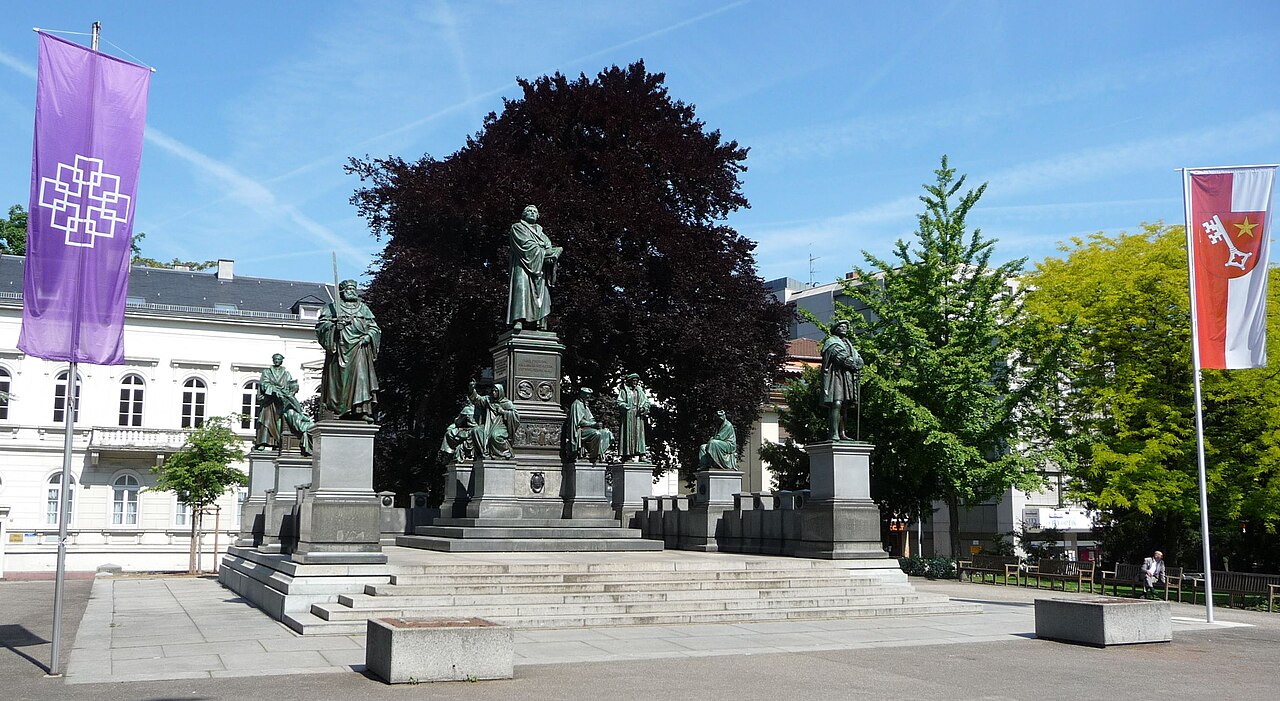
Luther Monument Worms
Ernst Friedrich August Rietschel · 1868
A large 1868 bronze monument in Worms honoring Martin Luther, which includes a statue of Jan Hus as one of Luther's forerunners.
Hus is sculpted as one of Luther's forerunners in this Protestant memory of the Reformation.
About this source
What it is
This is a group of bronze statues erected in Worms, Germany, in 1868 to honour the Protestant reformer Martin Luther. It was designed by Ernst Rietschel, with other sculptors completing parts after his death, including Gustav Adolph Kietz, who made the statue of Jan Hus. The monument stands in Worms today.
Why it matters
The monument shows how 19th-century German Protestants told the story of the Reformation, placing Luther at the centre and surrounding him with earlier reformers, scholars and political figures they saw as his forerunners, including Jan Hus and John Wycliffe. It reveals how later generations shaped and used the memory of earlier religious reformers for their own purposes.
Look closer
- Why might the makers have wanted to connect Hus visually with Luther?
- What does placing historical figures together in one monument suggest about how history gets remembered?
- What is left out of this story of the Reformation?
This sculpture is part of the curated material that grounds the AI version of Jan Hus on Humy.ai — when students ask about related events, the AI can quote it and cite it.
More Jan Hus sources
Meet the AI Jan Hus →Primary source
Appeal to Jesus Christ
Jan Hus · 1412
Primary source
Safe Conduct to John Huss
Sigismund
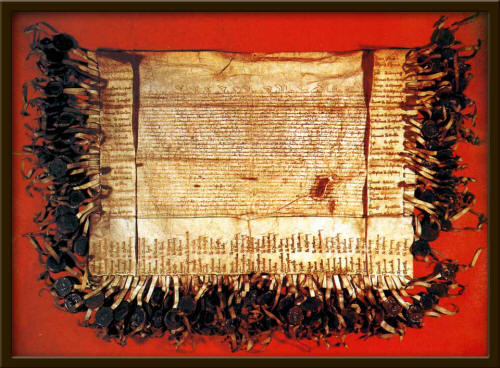 Document
Primary source
Letter of Complaint Against the Burning of Jan Hus
1415
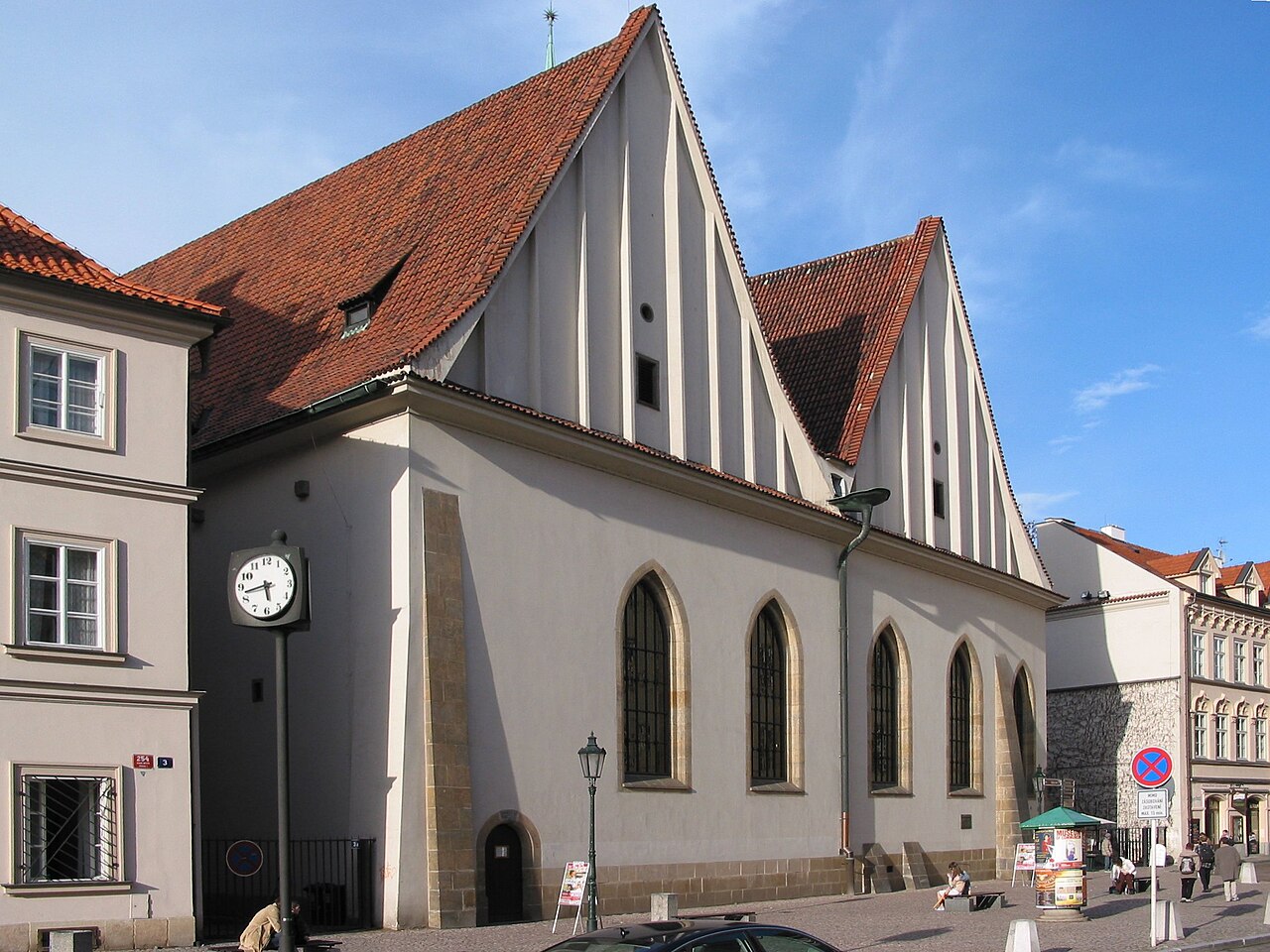 Artifact
Primary source
Bethlehem Chapel
founded 1391
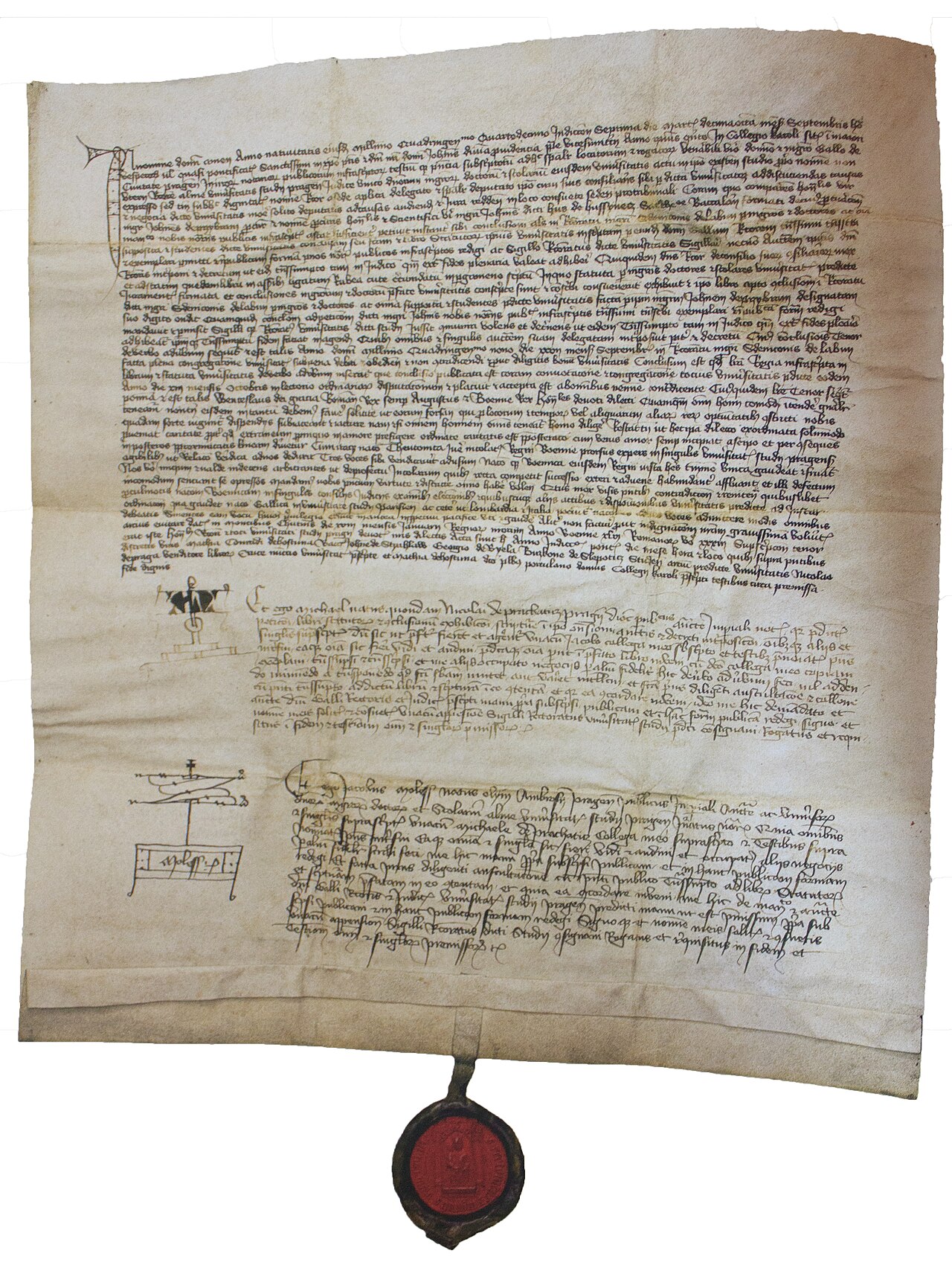 Document
Primary source
Decree of Kutná Hora
Wenceslaus IV of Bohemia · 18 January 1409
Ready when you are
Start chatting with Jan Hus now.
20 messages free · No credit card · Available in 50+ languages.