


Primary sourceArtifact1530
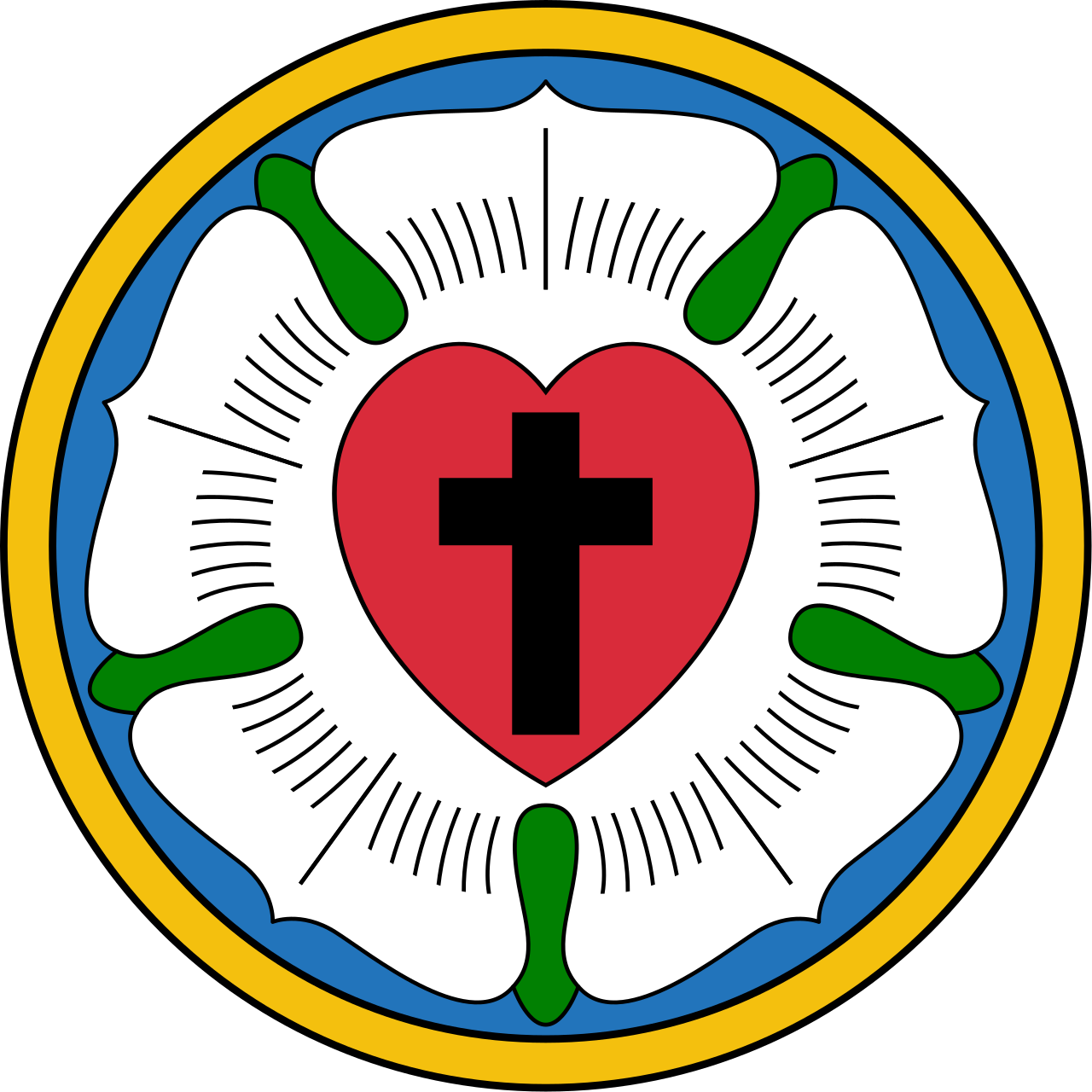
Luther Rose
Martin Luther · 1530
The personal seal Martin Luther designed in 1530 to summarize his theology, which Luther explained himself in a letter and which became a symbol of Lutheranism.
Luther designed and explained this seal himself as a visual summary of his own theology.
About this source
What it is
The Luther rose is a seal created for Martin Luther in 1530 at the request of John Frederick of Saxony, while Luther was staying at Coburg Fortress during the Diet of Augsburg. Luther explained its meaning in a letter to Lazarus Spengler on 8 July 1530, and he later used it to authorize his correspondence.
Why it matters
Luther called the seal a 'compendium of his theology' — a black cross in a natural-colored heart set in a white rose, surrounded by a sky-blue field and golden ring, each part symbolizing an aspect of his faith, from the Crucifixion to the hope of eternal joy. The seal shows how carefully Luther thought about visual symbols to communicate complex theological ideas simply, and it remains a widely used emblem of Lutheranism today.
Look closer
- Why might Luther have wanted a single image to stand for his whole theology?
- What do the colours and shapes Luther describes (black cross, white rose, blue field, gold ring) suggest about how he thought faith worked?
- Why do you think this symbol is still used by Lutheran churches today?
This artifact is part of the curated material that grounds the AI version of Martin Luther on Humy.ai — when students ask about related events, the AI can quote it and cite it.
More Martin Luther sources
Meet the AI Martin Luther →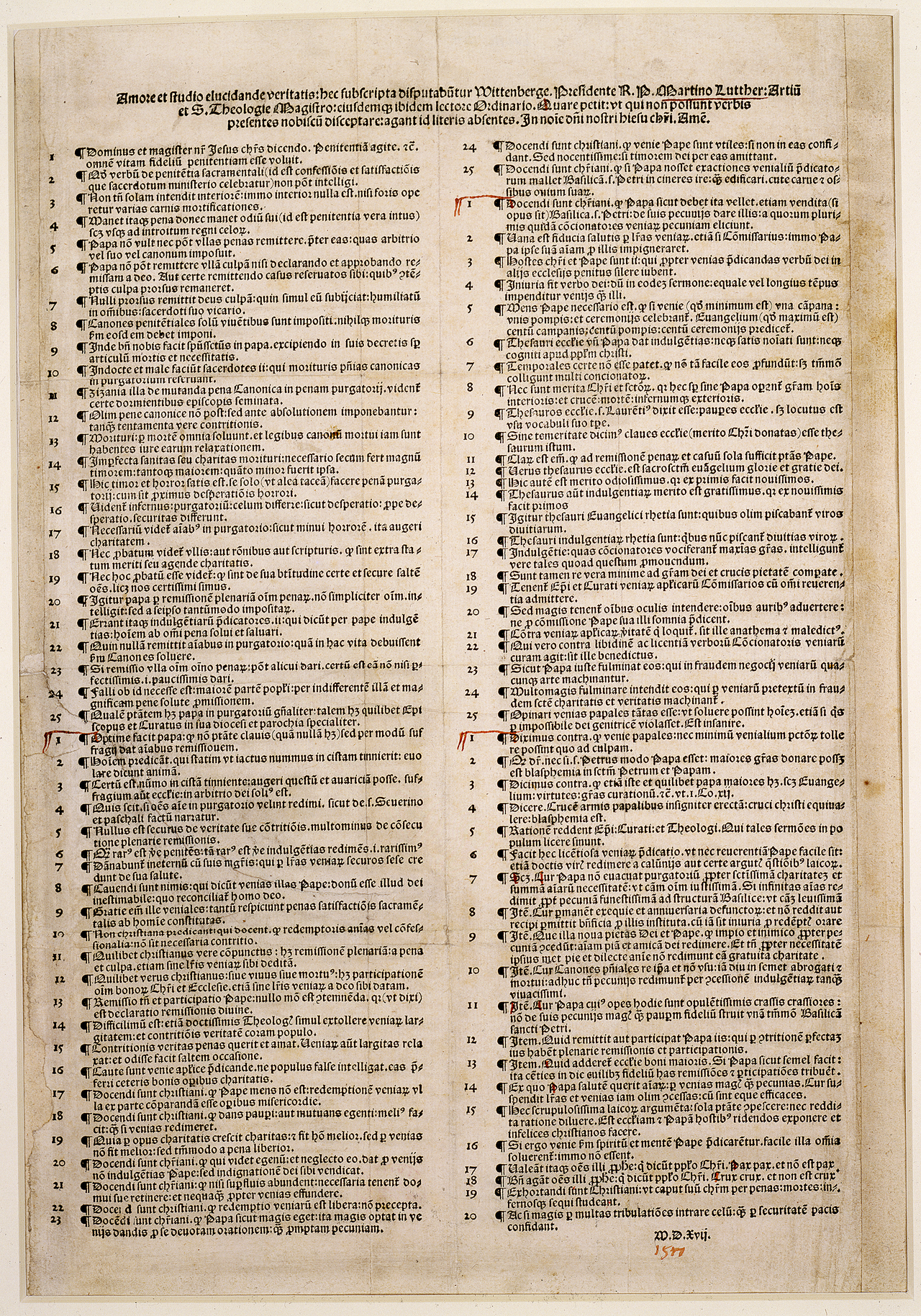 Document
Primary source
Ninety-five Theses
Martin Luther · 1517
 Painting
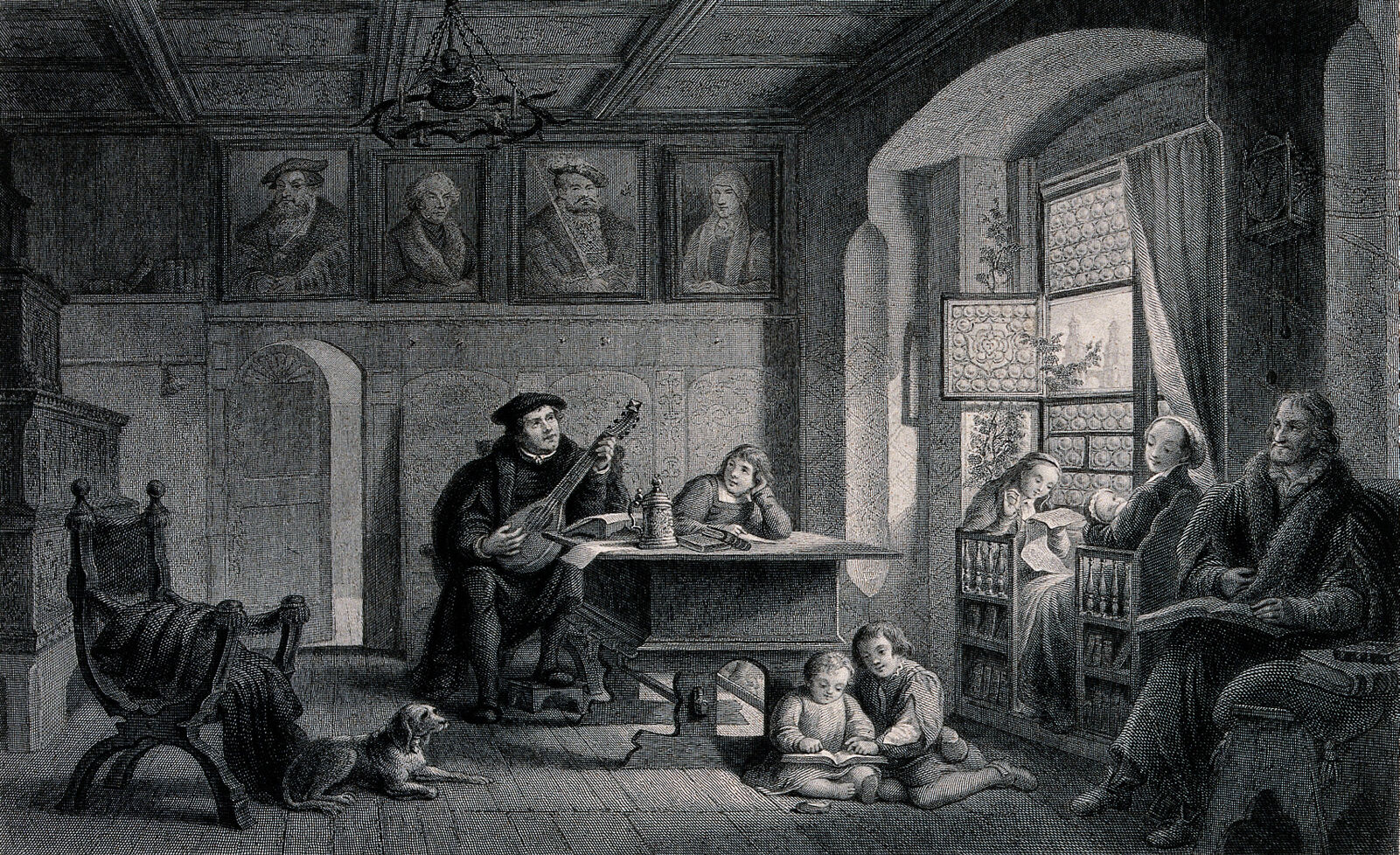
Secondary source
Domestic Life of Martin Luther at Wittenberg
Pierre-Antoine Labouchère (design); J. D. Nargeot (engraving) · 1800-1899
 Painting
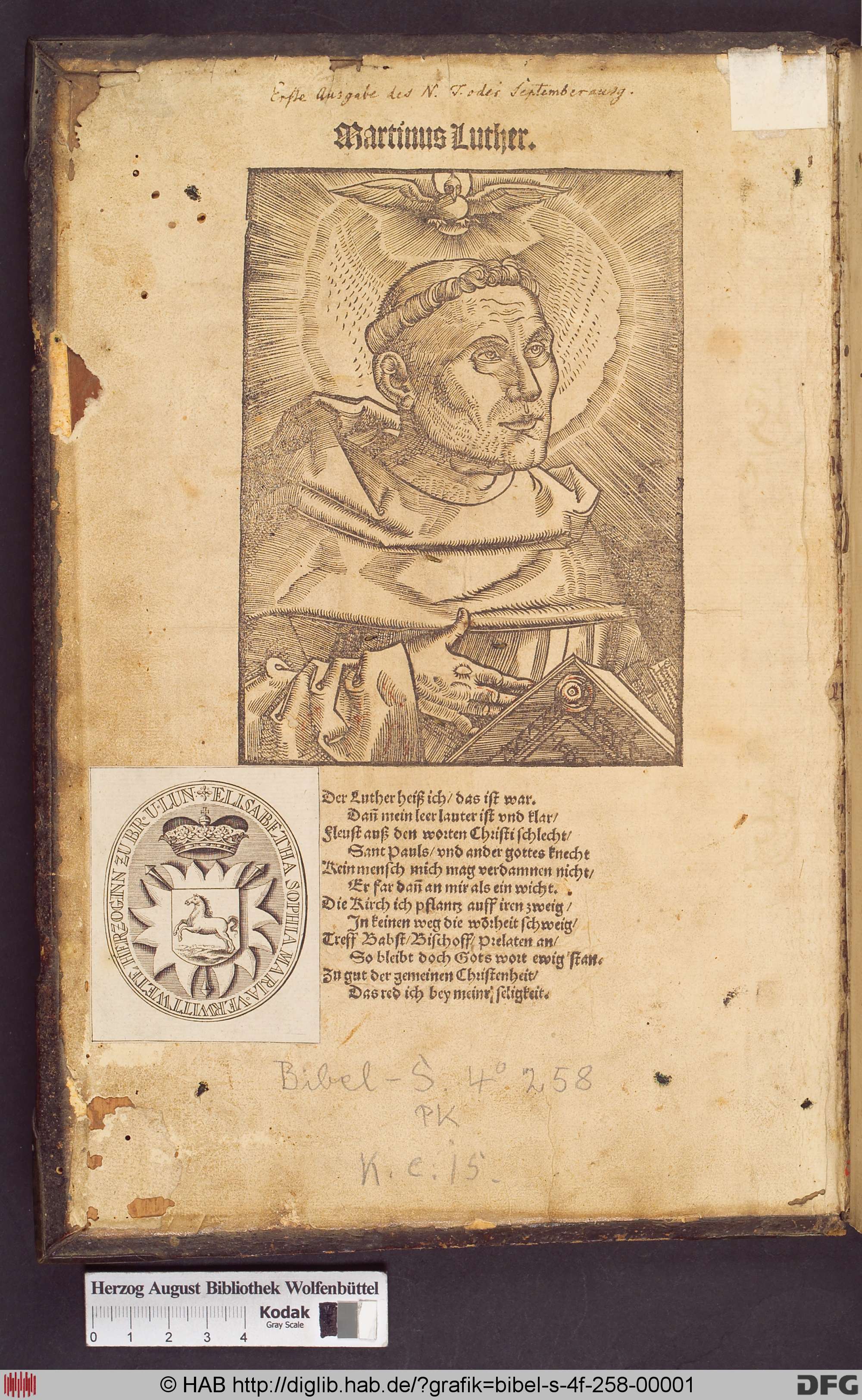
Primary source
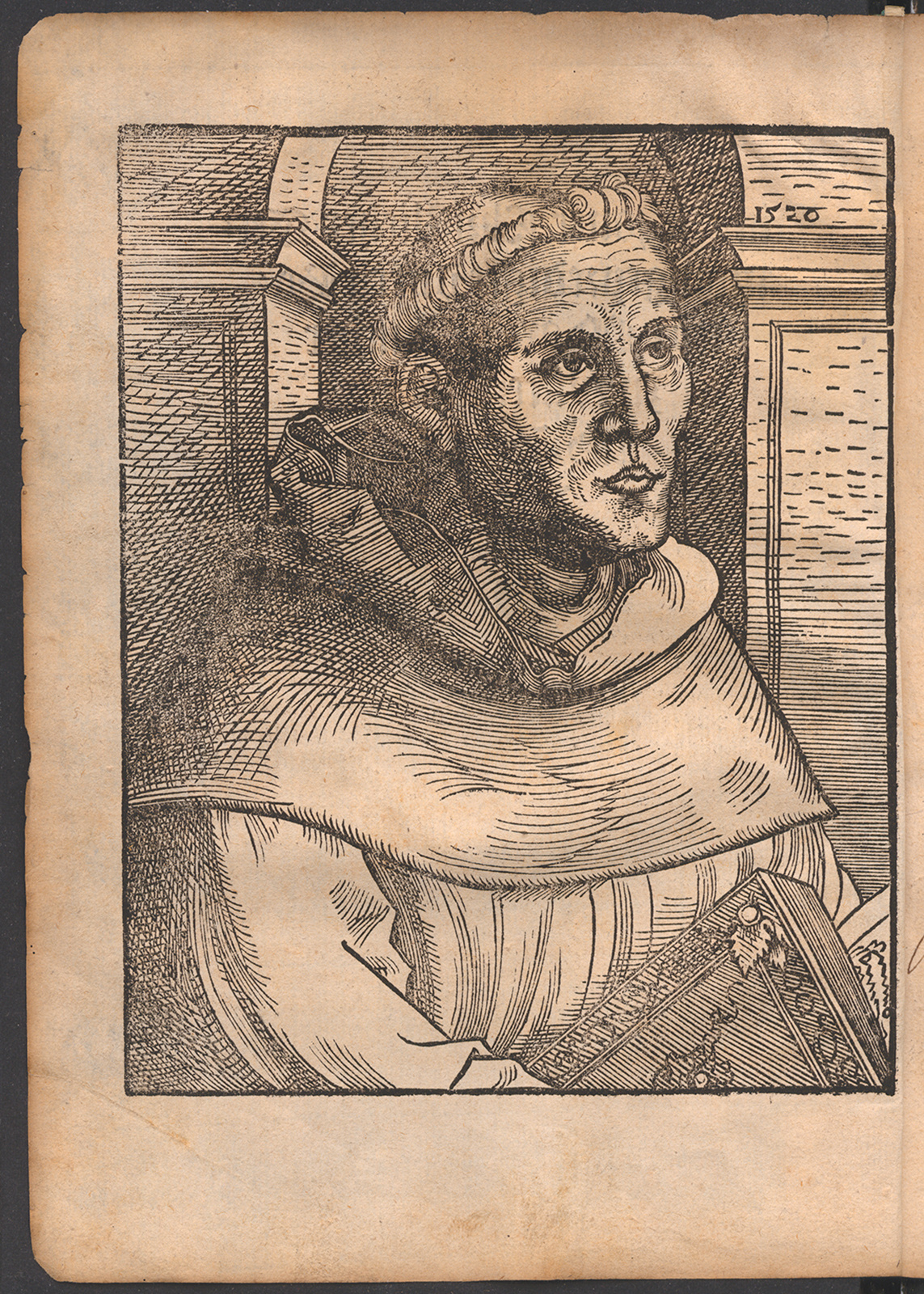
Martinus Luther Woodcut Portrait
Unbekannt (Formschneider)
 Painting
Primary source
Woodcut Portrait of Luther in Sermon Pamphlet
1523
 Book
Secondary source
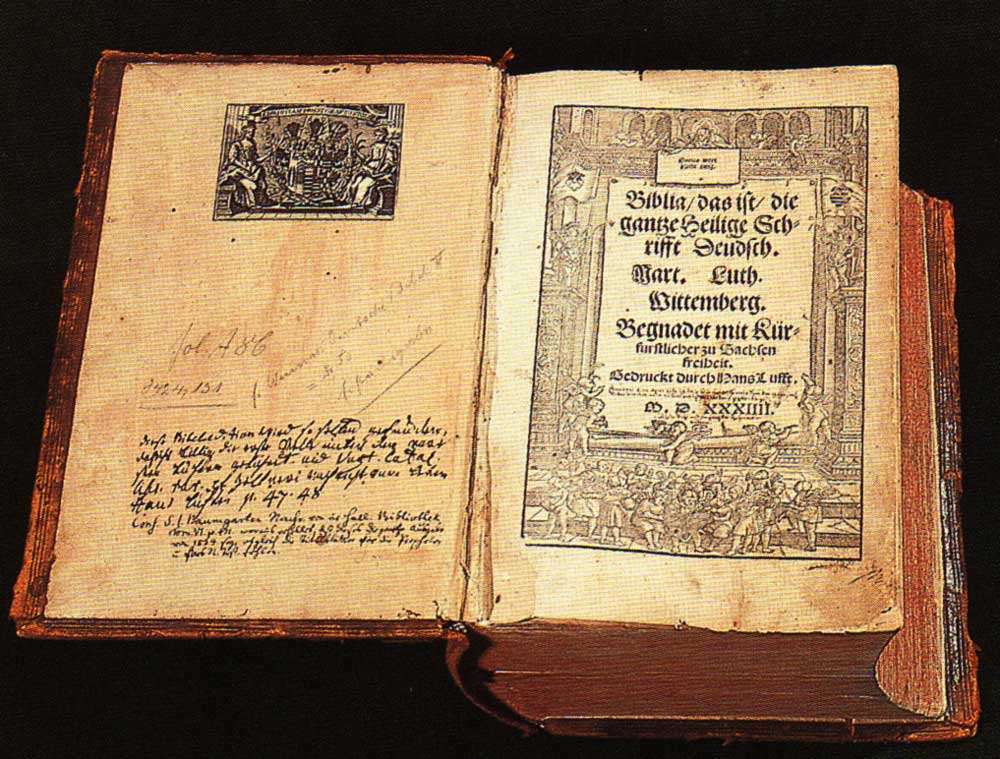
Luther Bible
Martin Luther · 1534
Ready when you are
Start chatting with Martin Luther now.
20 messages free · No credit card · Available in 50+ languages.