


Primary sourceArtifact1546
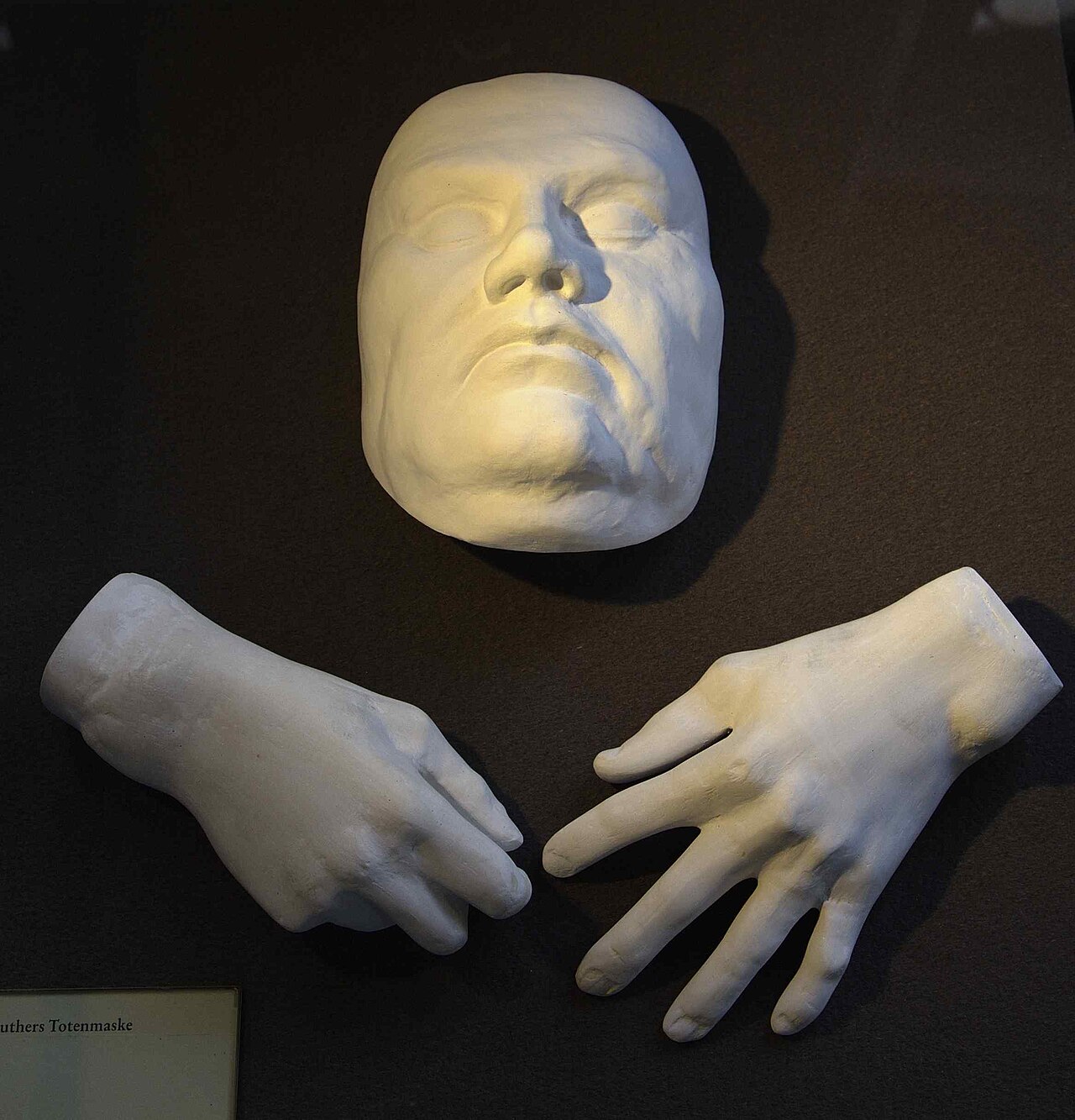
Luther's Death Mask
1546
The wax death mask of Martin Luther's face and hands, cast in 1546 at his death and kept in Halle.
This cast was taken directly from Luther's face and hands at the moment of his death in 1546.
About this source
What it is
A cast made of Martin Luther's face and hands at the time of his death in 1546, kept at the Marktkirche Unser Lieben Frauen in Halle.
Why it matters
Death masks were made to preserve an exact record of a person's features soon after death, before memory or imagination could change them. This object is a direct physical trace of Luther himself, taken at the end of his life, and shows how important figures of the time were remembered and commemorated.
Look closer
- Why might people in the 1500s have wanted to preserve a physical cast of someone's face after death?
- What can and can't a death mask tell us about a person's life and character?
- How does seeing this object make Luther feel different from reading his writings?
This artifact is part of the curated material that grounds the AI version of Martin Luther on Humy.ai — when students ask about related events, the AI can quote it and cite it.
More Martin Luther sources
Meet the AI Martin Luther →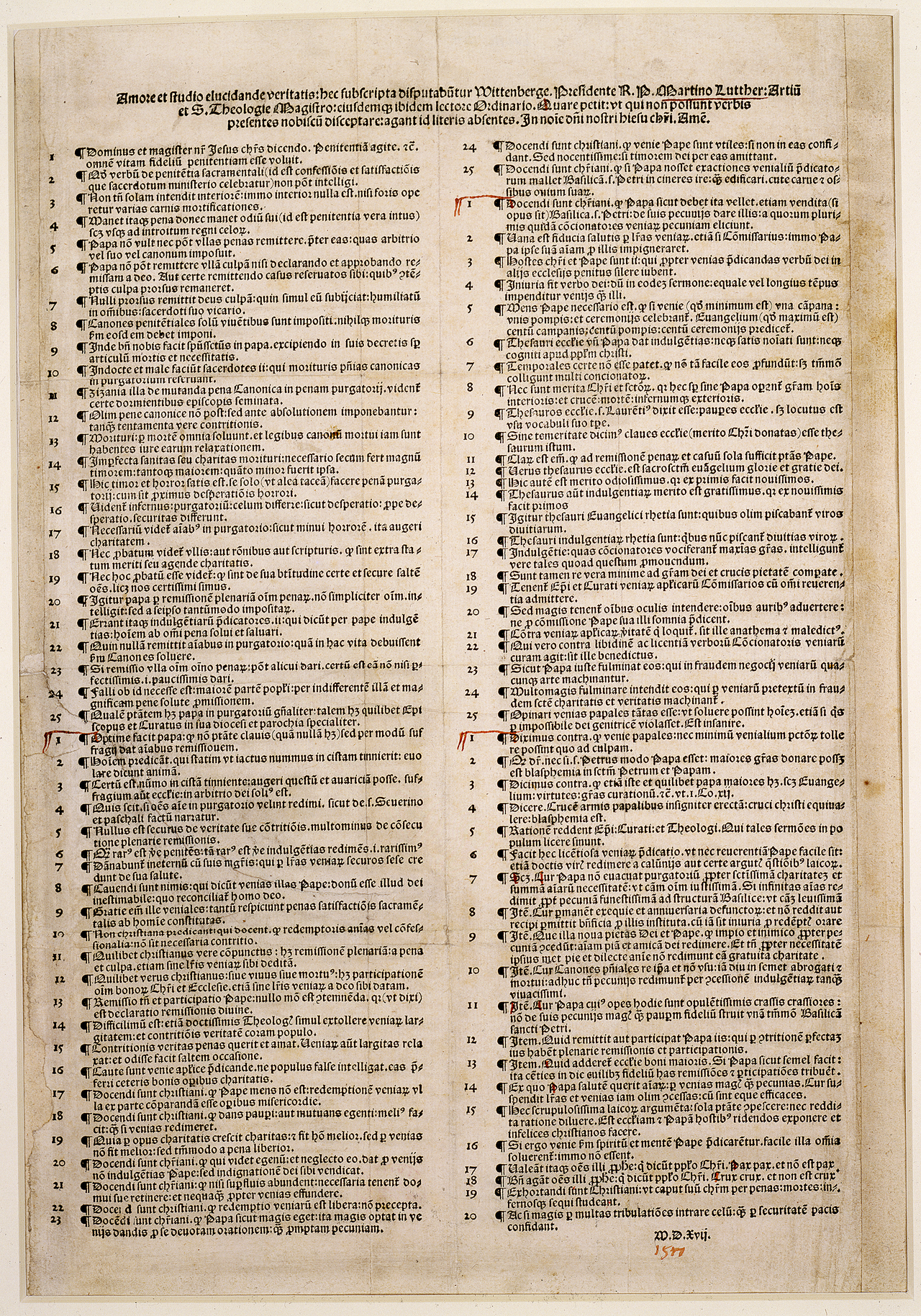 Document
Primary source
Ninety-five Theses
Martin Luther · 1517
 Painting
Secondary source
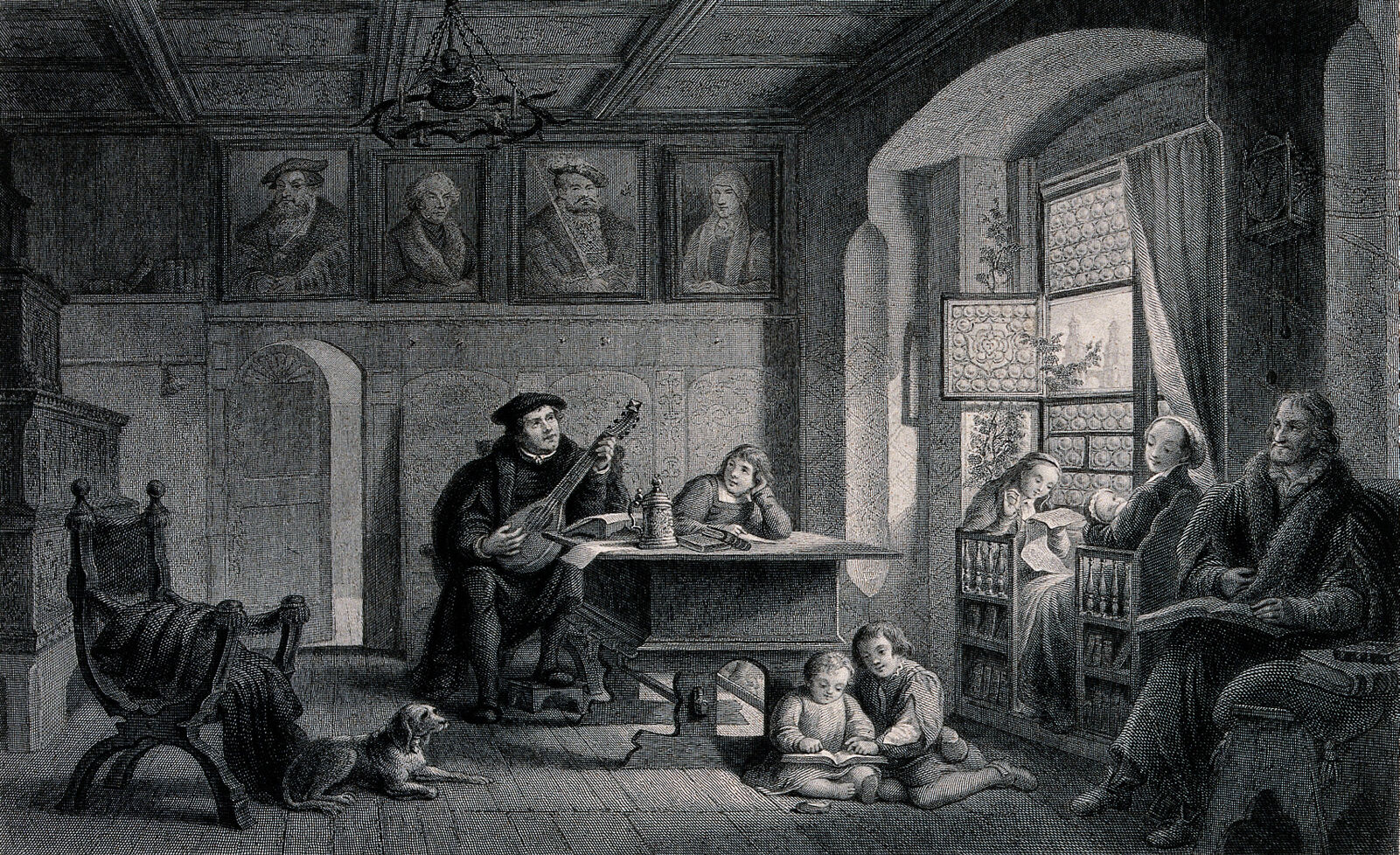
Domestic Life of Martin Luther at Wittenberg
Pierre-Antoine Labouchère (design); J. D. Nargeot (engraving) · 1800-1899
 Painting
Primary source
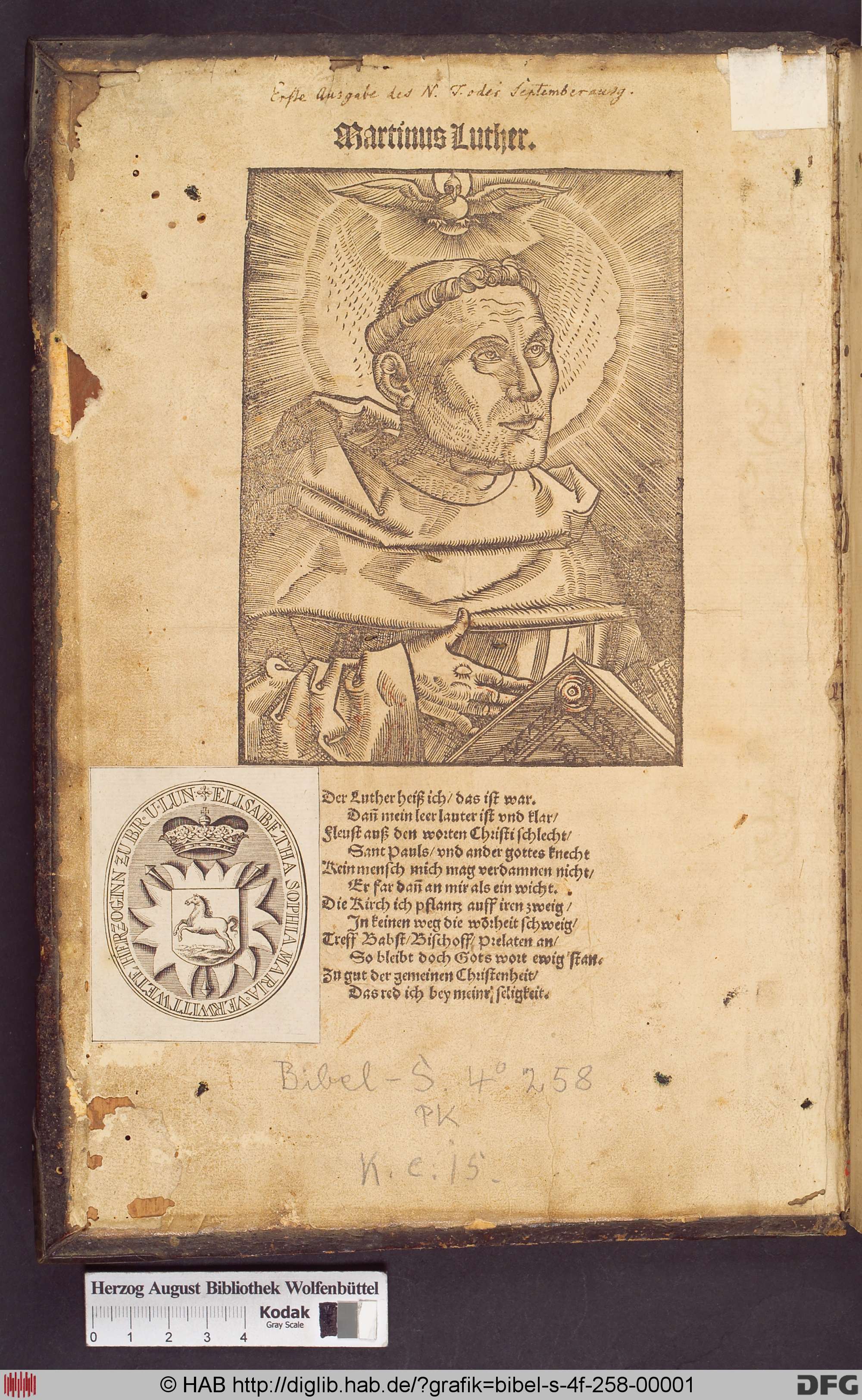
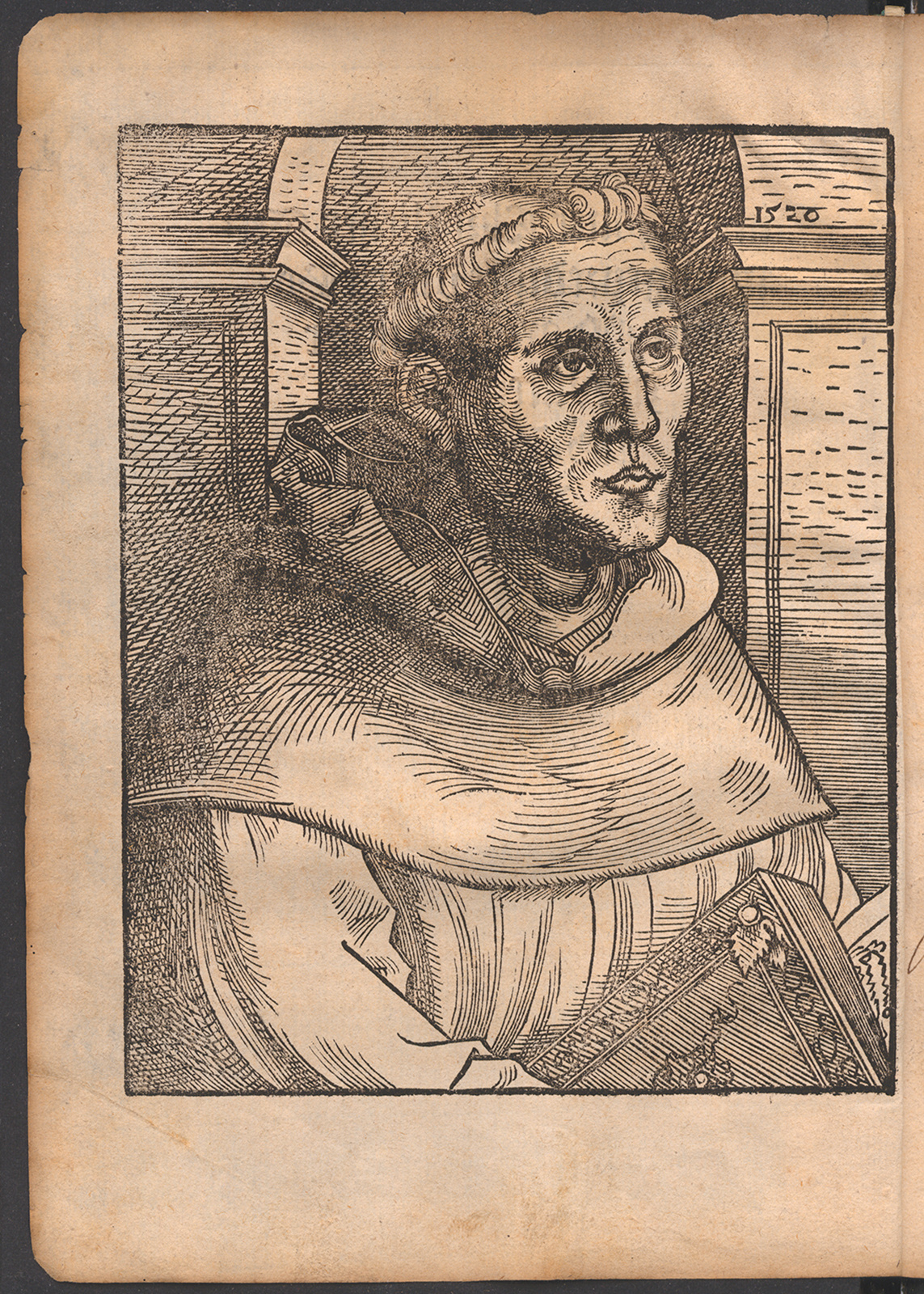
Martinus Luther Woodcut Portrait
Unbekannt (Formschneider)
 Painting
Primary source
Woodcut Portrait of Luther in Sermon Pamphlet
1523
 Book
Secondary source
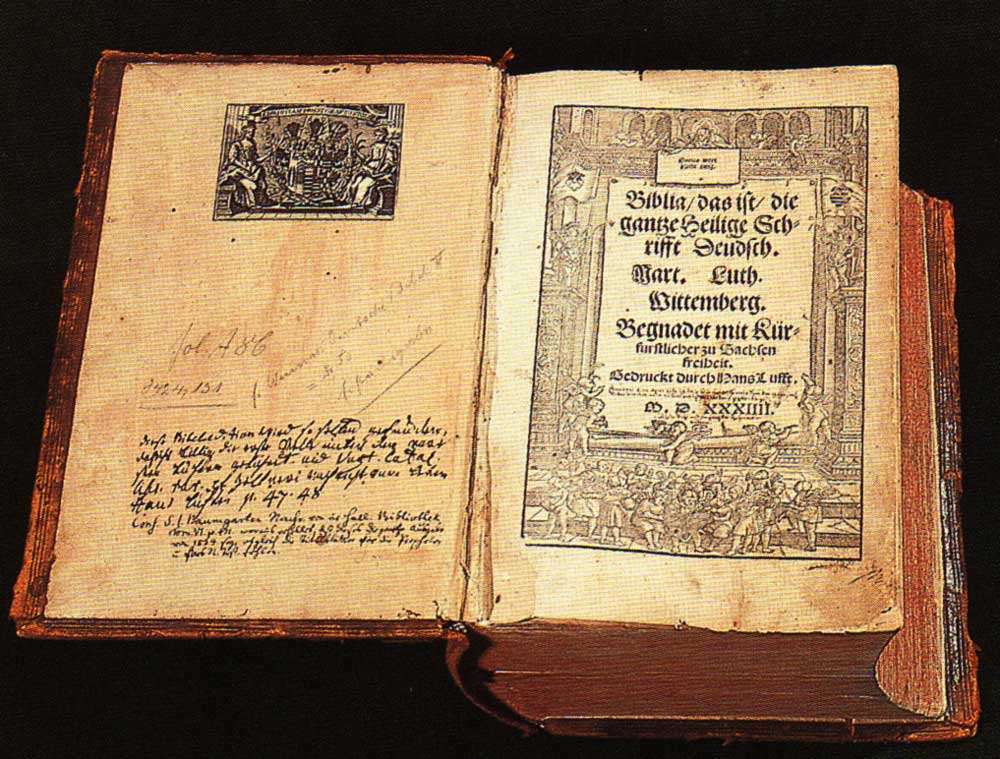
Luther Bible
Martin Luther · 1534
Ready when you are
Start chatting with Martin Luther now.
20 messages free · No credit card · Available in 50+ languages.