


Primary sourceBook1529
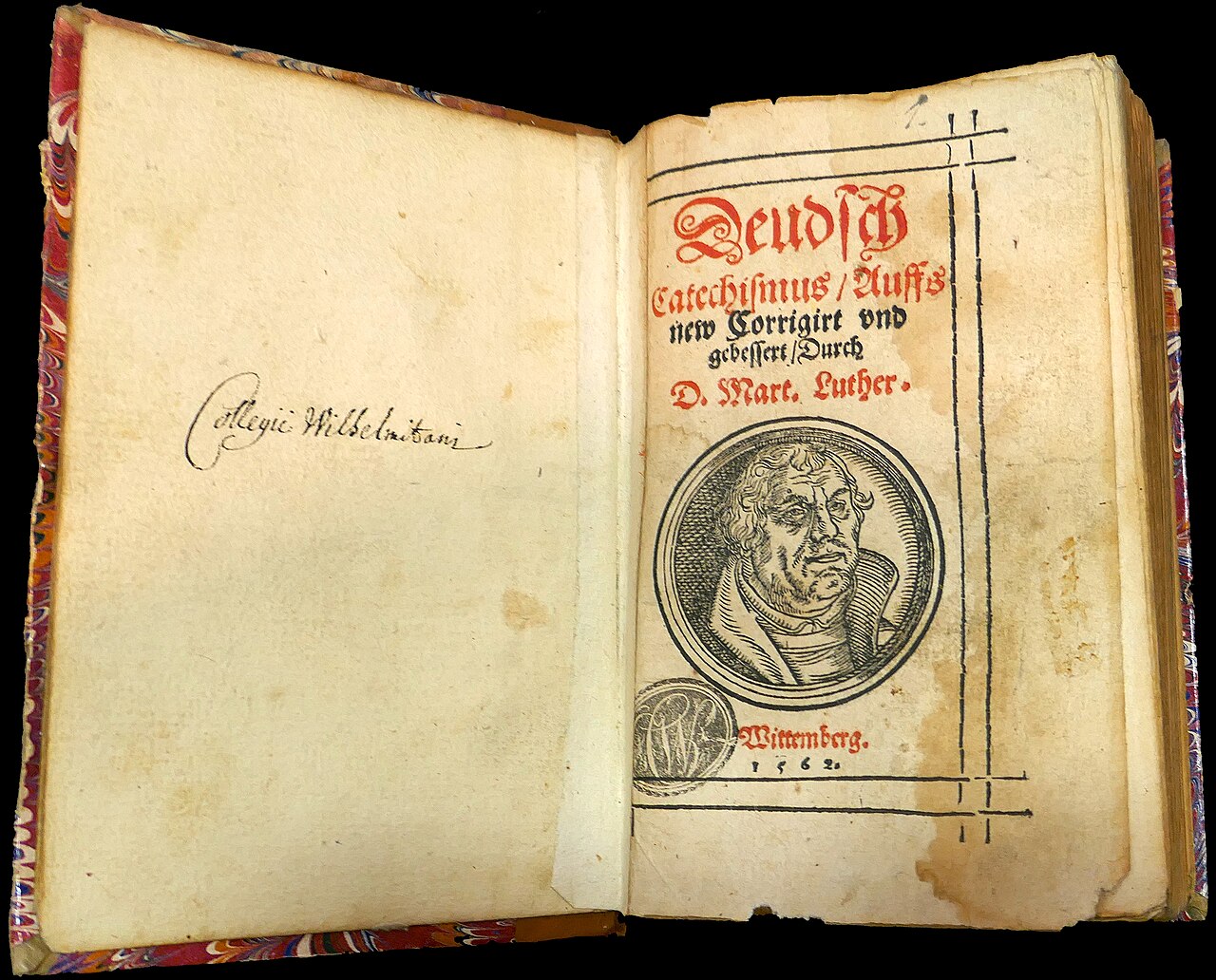
Luther's Large Catechism
Martin Luther · 1529
Luther's 1529 fuller catechism written for pastors, explaining the Commandments, Creed and Lord's Prayer for teaching congregations and families.
Luther wrote this catechism himself to teach his reformed doctrine to pastors and families.
About this source
What it is
This is a catechism written by Martin Luther and published in April 1529. It explains the Ten Commandments, the Apostles' Creed, the Lord's Prayer, Baptism and the Eucharist. It was meant especially for clergy and fathers, to help them teach children and servants. It was later included in the Book of Concord.
Why it matters
Luther believed everyone, not just priests, should understand the basics of Christian faith in their own language. This book shows how he tried to spread the Reformation into ordinary households, insisting that fathers quiz their families regularly so the teaching would actually be understood, not just memorised.
Look closer
- Why might Luther have addressed this book to fathers and pastors rather than to the general public?
- What does the instruction to question children and servants weekly tell us about how religious education worked at the time?
- How does explaining faith through questions and answers help ordinary people learn?
This book is part of the curated material that grounds the AI version of Martin Luther on Humy.ai — when students ask about related events, the AI can quote it and cite it.
More Martin Luther sources
Meet the AI Martin Luther →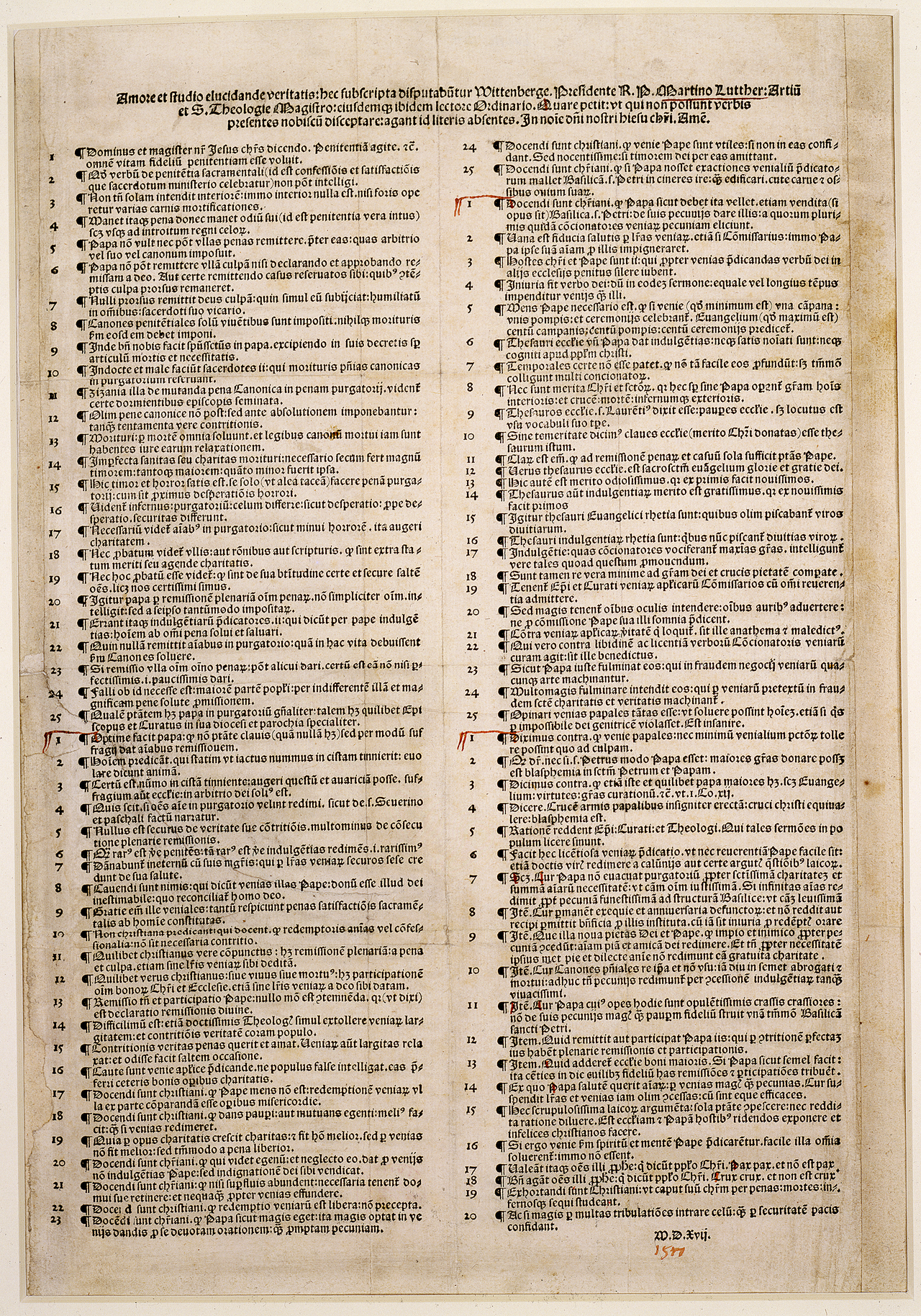 Document
Primary source
Ninety-five Theses
Martin Luther · 1517
 Painting
Secondary source
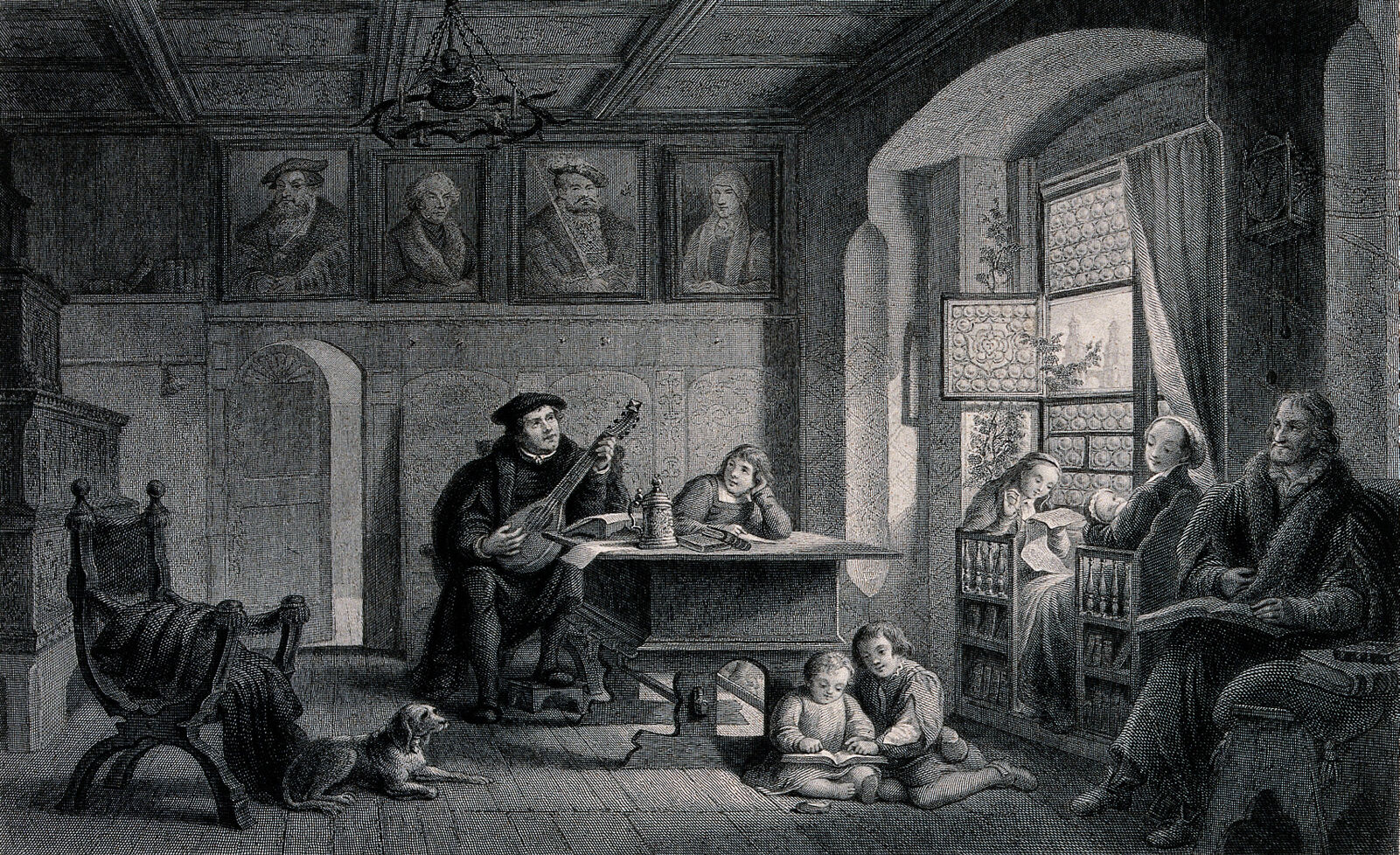
Domestic Life of Martin Luther at Wittenberg
Pierre-Antoine Labouchère (design); J. D. Nargeot (engraving) · 1800-1899
 Painting
Primary source
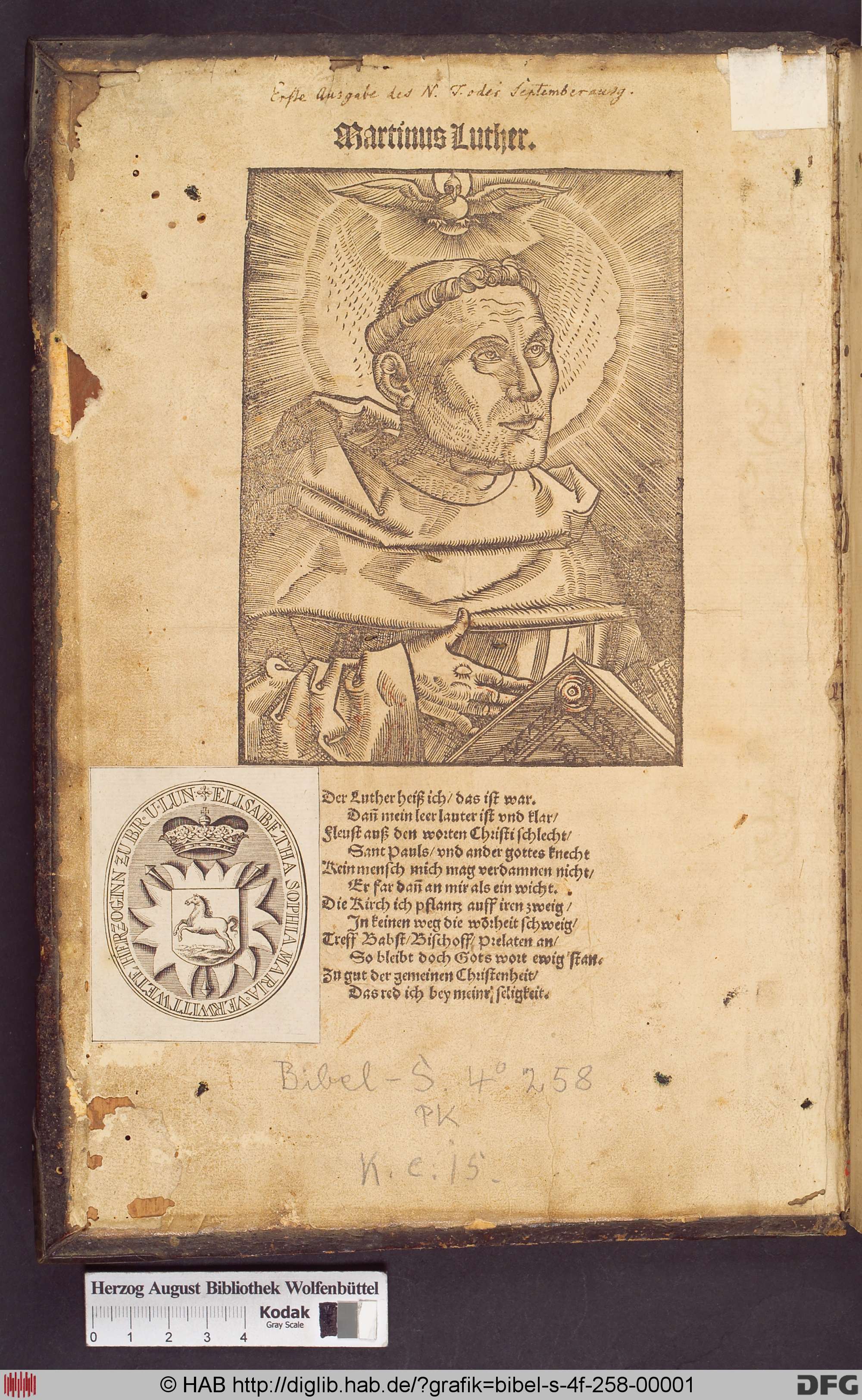
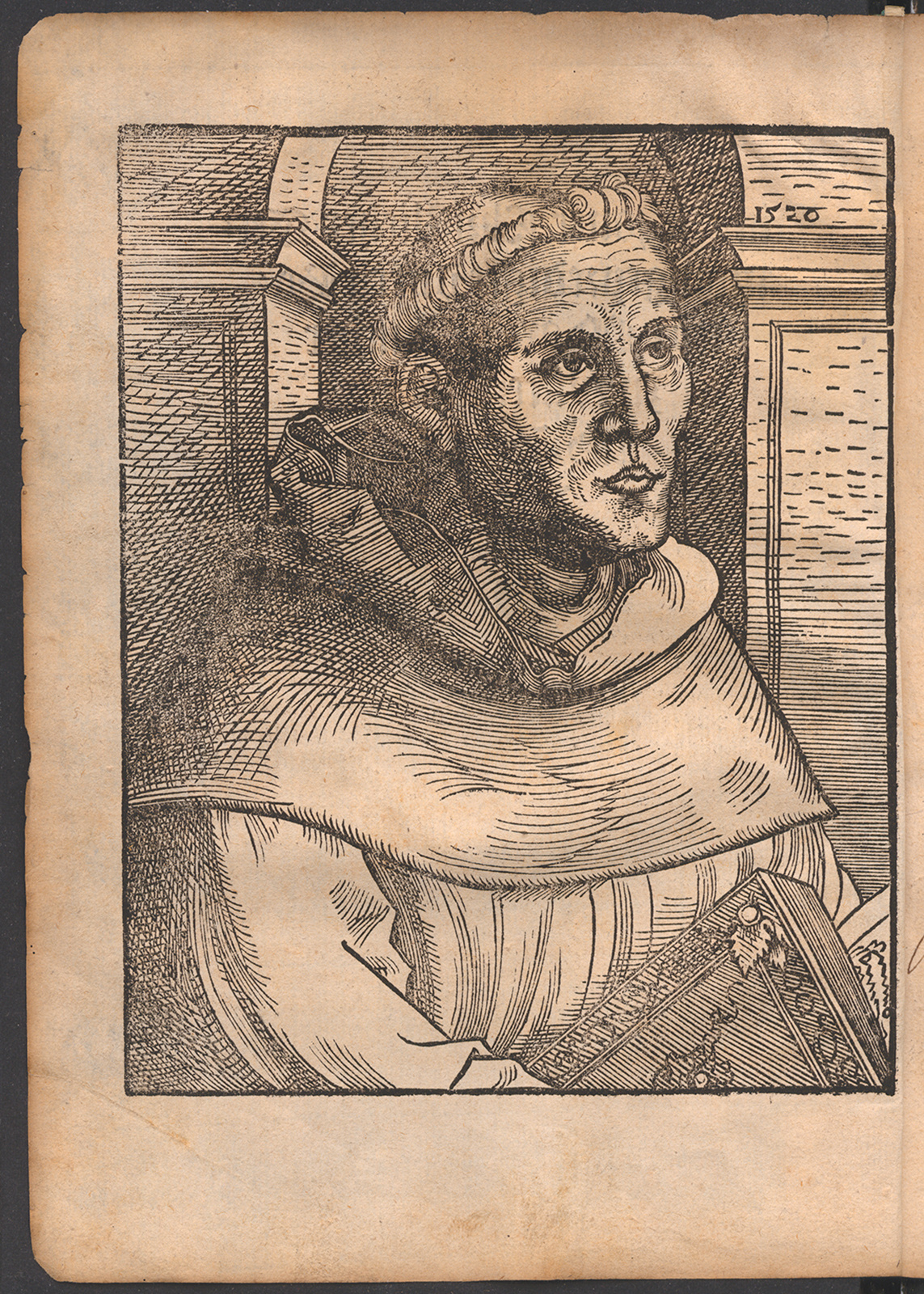
Martinus Luther Woodcut Portrait
Unbekannt (Formschneider)
 Painting
Primary source
Woodcut Portrait of Luther in Sermon Pamphlet
1523
 Book
Secondary source
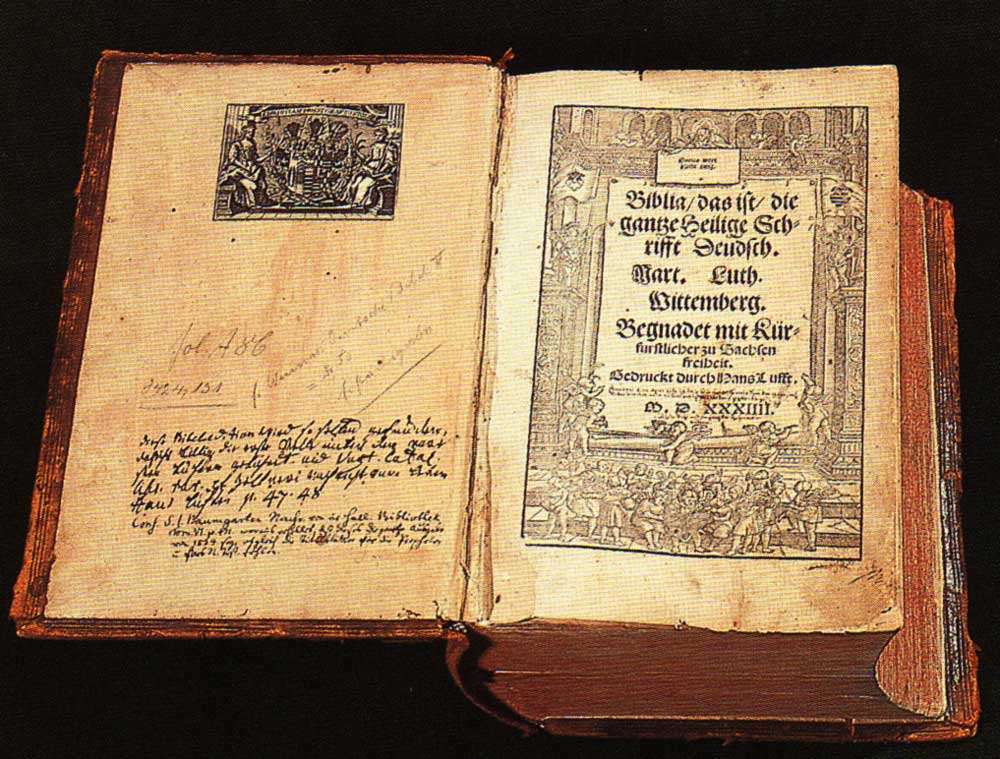
Luther Bible
Martin Luther · 1534
Ready when you are
Start chatting with Martin Luther now.
20 messages free · No credit card · Available in 50+ languages.