


Primary sourceDocument1899
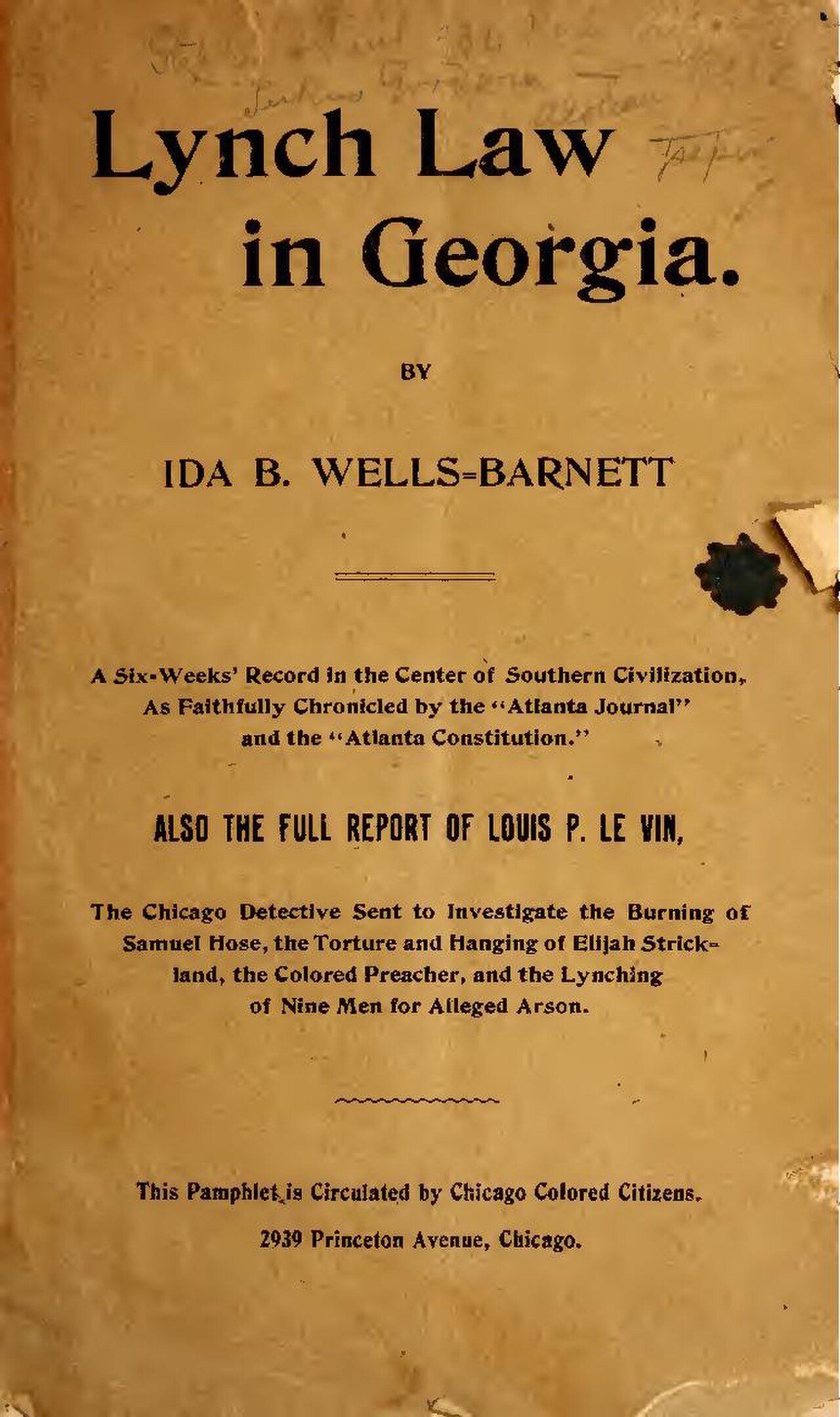
Lynch Law in Georgia
Ida B. Wells-Barnett · 1899
Ida B. Wells's 1899 pamphlet investigating lynchings in Georgia, built on a detective's report into the killing of Sam Hose.
Wells wrote this pamphlet, using a detective's findings to expose and document the lynching of Sam Hose and others.
About this source
What it is
This is a printed pamphlet written by Ida B. Wells-Barnett and published in 1899, held today by the Library of Congress. It draws on a report by detective Louis P. Le Vin to document the lynching of several men, including Sam Hose, and the killing of a Black preacher, Elijah Strickland.
Why it matters
Wells used investigative methods — gathering testimony and evidence — to expose lynching as organized violence rather than isolated incidents, challenging the excuses given by Southern newspapers like the Atlanta Journal and Atlanta Constitution. It shows her as both journalist and campaigner, demanding accountability through documented facts.
Look closer
- Why did Wells rely on a detective's report rather than just her own account?
- What does the pamphlet's distribution address, naming Chicago's Black citizens, suggest about who supported this work?
- What effect might naming the victims and details of the violence have had on readers at the time?
This document is part of the curated material that grounds the AI version of Ida B. Wells on Humy.ai — when students ask about related events, the AI can quote it and cite it.
More Ida B. Wells sources
Meet the AI Ida B. Wells →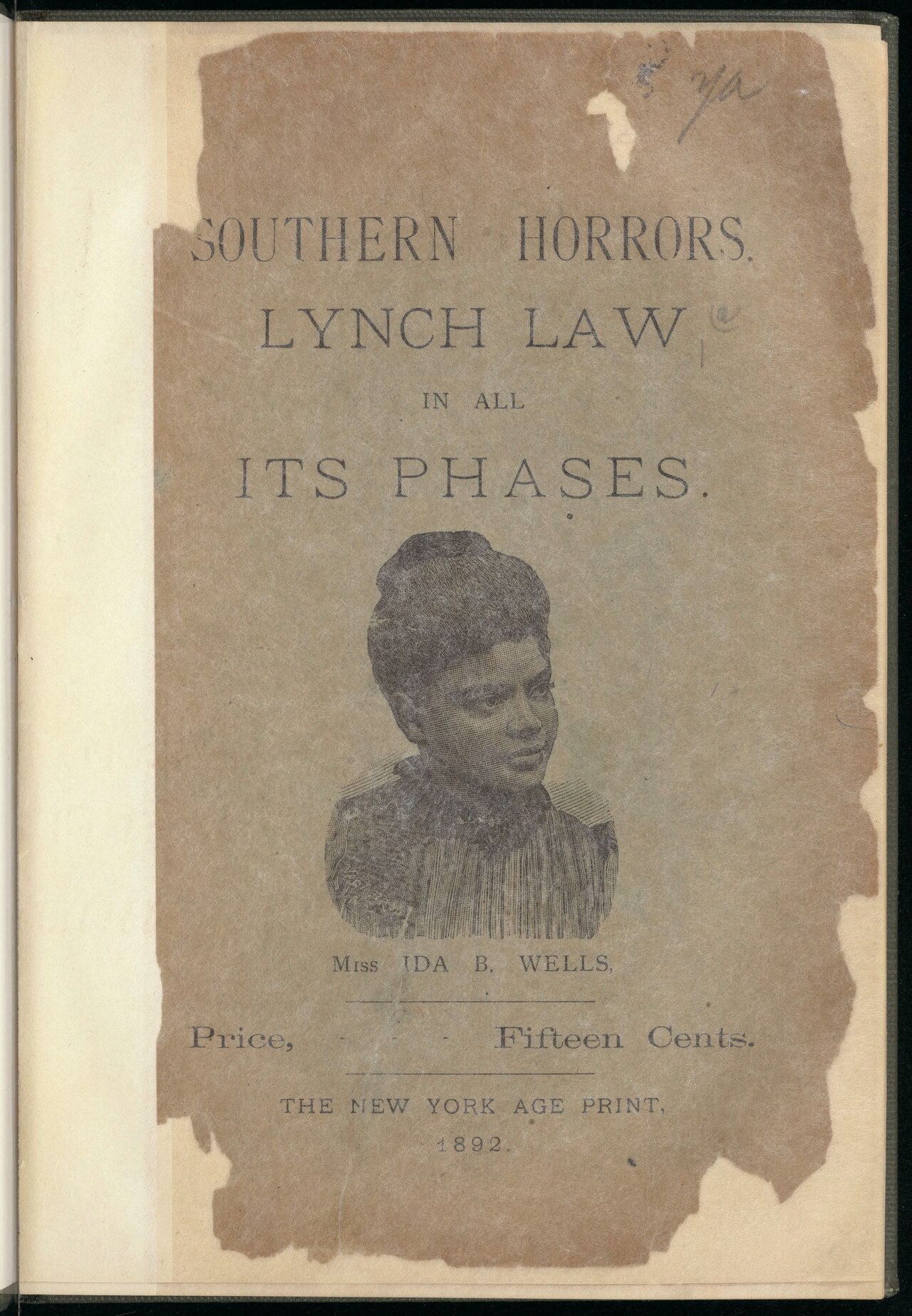 Book
Primary source
Southern Horrors: Lynch Law in All Its Phases
Ida B. Wells · 1892
Primary source
The Red Record
Ida B. Wells-Barnett · 1895
 Photograph
Primary source
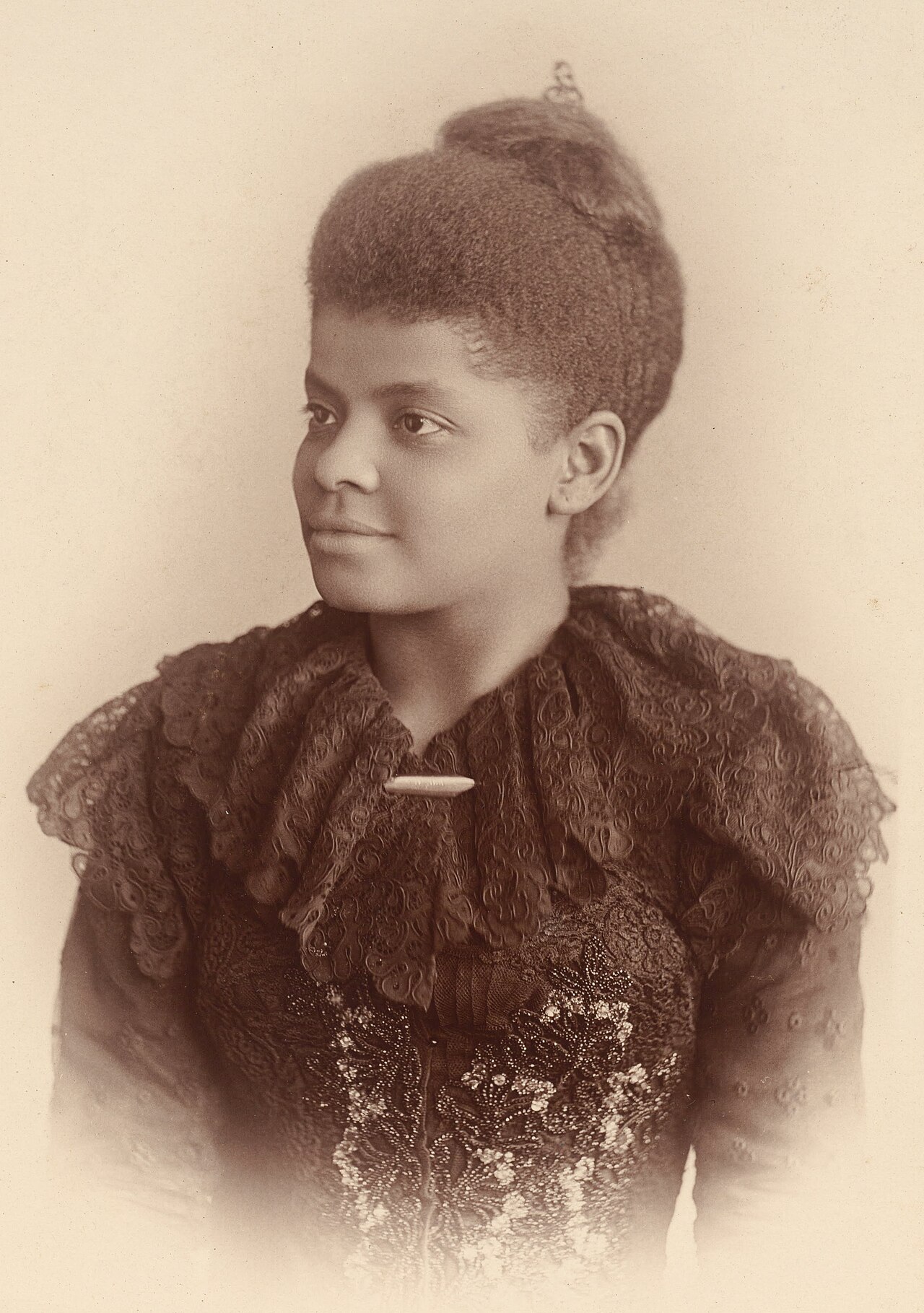
Ida B. Wells-Barnett Portrait
Mary Garrity · c. 1893
 Photograph
Primary source
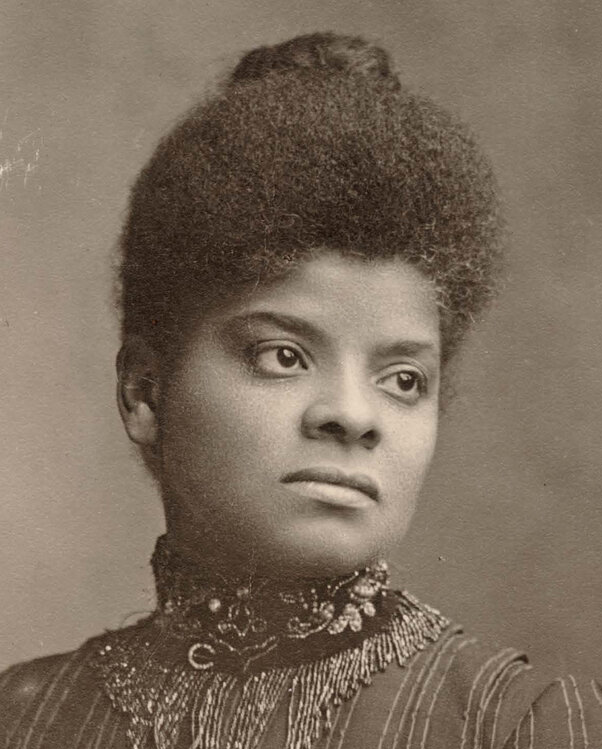
Ida B. Wells Portrait by Cihak and Zima
Cihak and Zima · c. 1895
 Newspaper article
Primary source
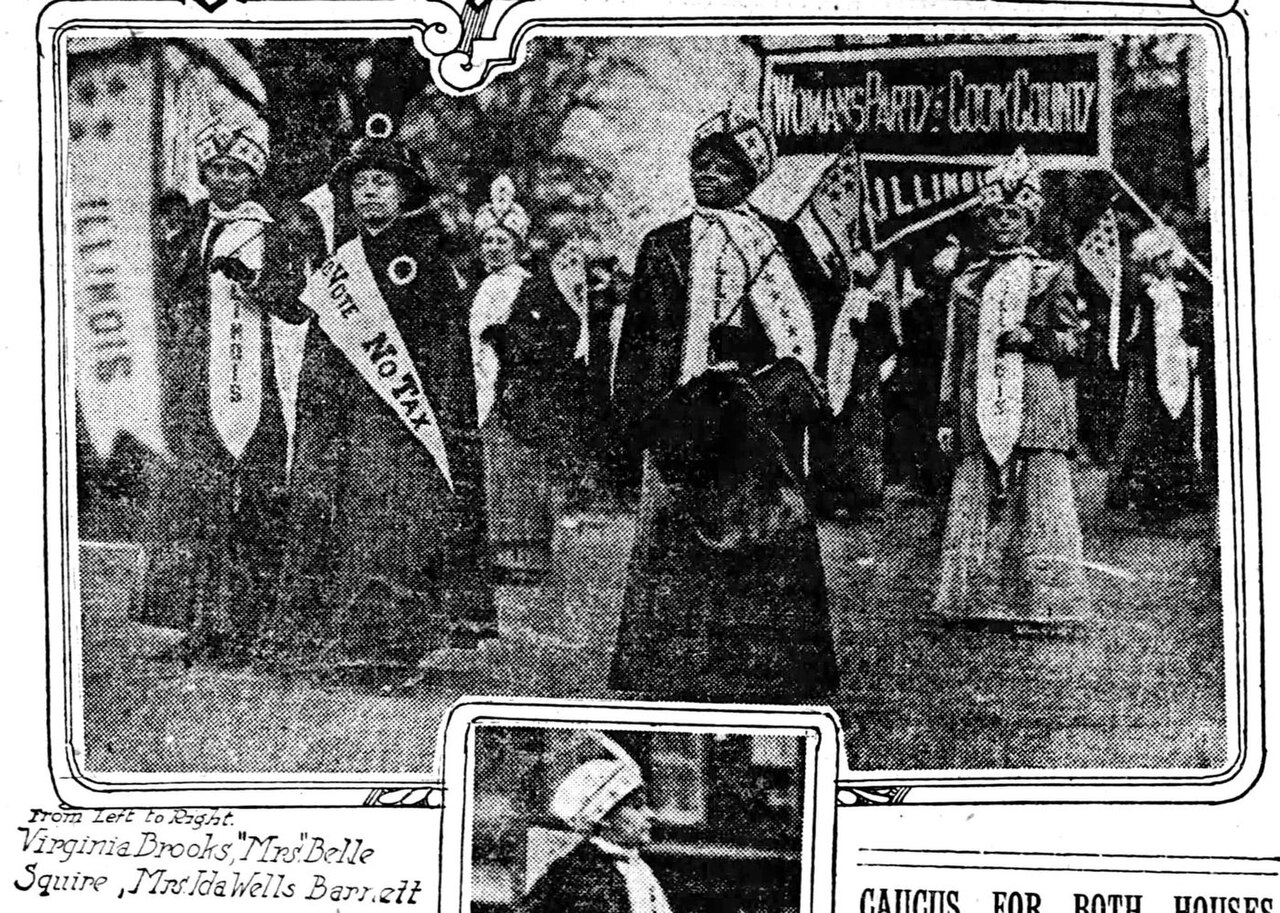
Ida B. Wells at 1913 Suffrage Parade
May 1913
Ready when you are
Start chatting with Ida B. Wells now.
20 messages free · No credit card · Available in 50+ languages.