


Primary sourceArtifactc. 936-1000
Madinat al-Zahra
c. 936-1000
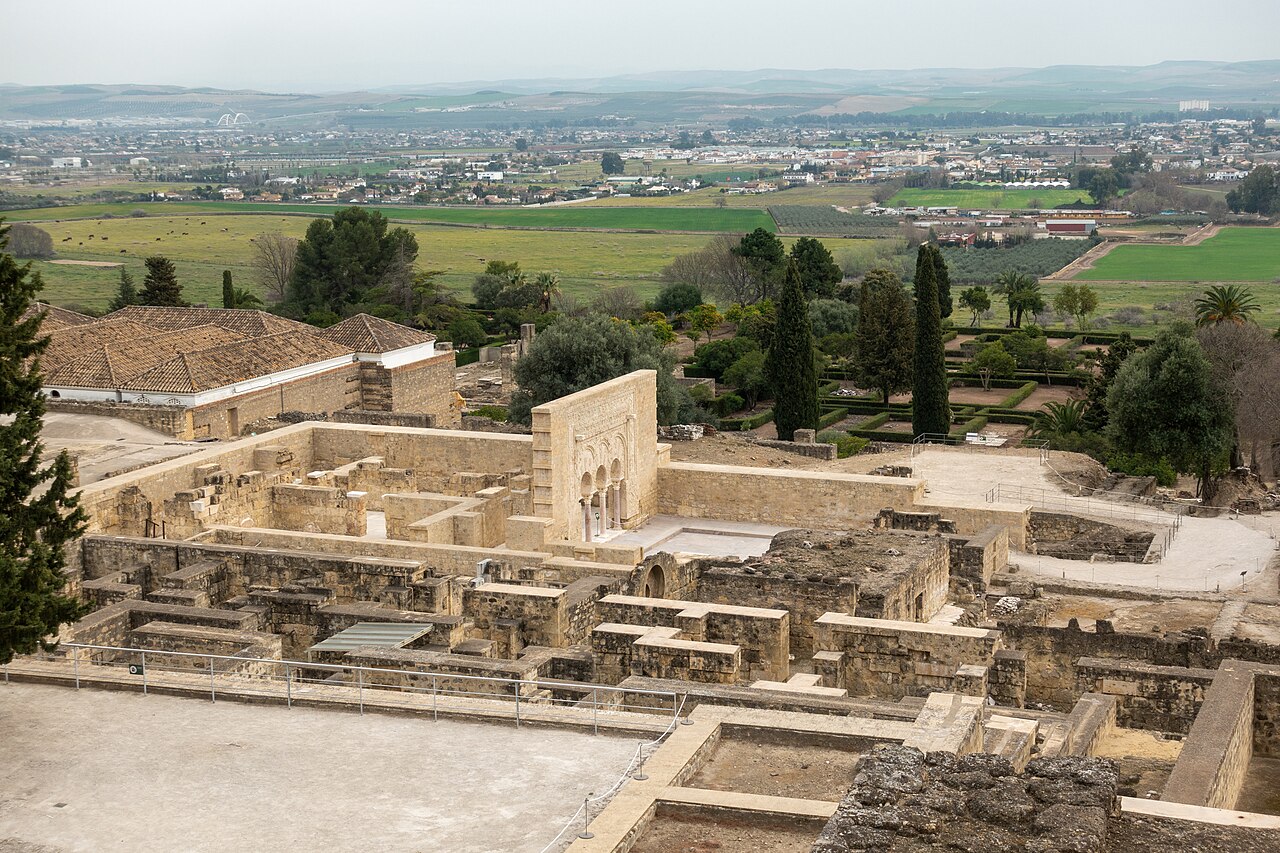
The ruined palace-city near Córdoba that Abd ar-Rahman III founded around 936 as the seat of his new caliphal government.
He founded Madinat al-Zahra as the ceremonial capital of his new caliphate and received foreign embassies there.
About this source
What it is
Madinat al-Zahra was a fortified palace-city built on the outskirts of Córdoba starting in the 930s. It included reception halls, a mosque, government offices, residences, gardens, workshops and baths. Today its remains form a major archaeological site, partly excavated and restored.
Why it matters
Abd ar-Rahman III ordered its construction soon after declaring himself caliph in 929, a title that put him on equal footing with the Abbasid and Fatimid caliphs elsewhere in the Muslim world. The city was meant to show off his power to rivals and to foreign envoys who visited his court. Its scale and decoration tell historians how rulers of this period used architecture to claim legitimacy.
Look closer
- What parts of the site can you identify in the photograph, and what might each have been used for?
- Why might a ruler build an entirely new city instead of simply enlarging his existing capital?
- What is missing from the ruins today that would have been present when the city was in use?
This artifact is part of the curated material that grounds the AI version of Abd al-Rahman III on Humy.ai — when students ask about related events, the AI can quote it and cite it.
More Abd al-Rahman III sources
Meet the AI Abd al-Rahman III →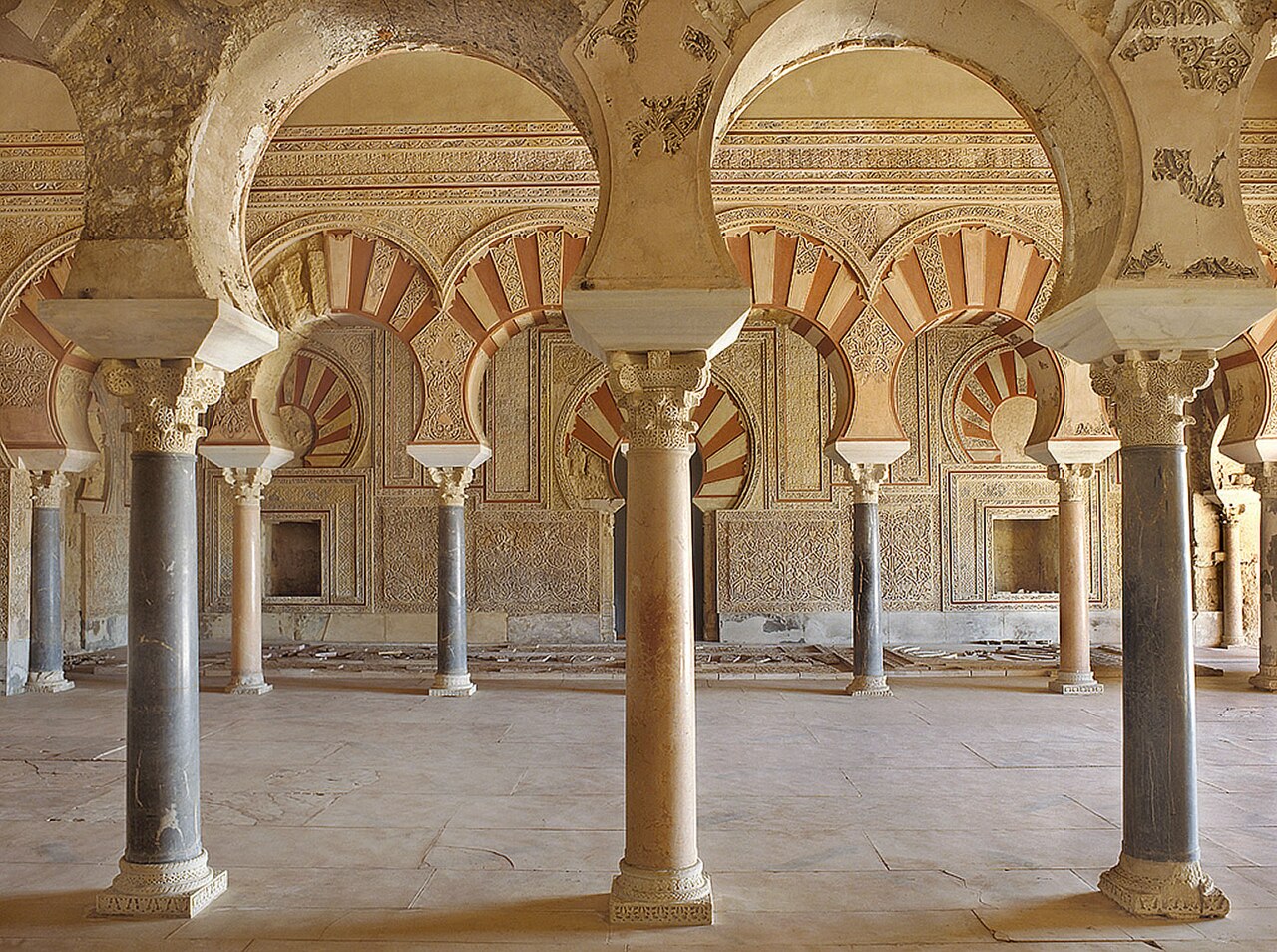 Artifact
Primary source
Salón Rico (Hall of Abd al-Rahman III)
953-957
Primary source
Letter of Hasdai ibn Shaprut to King Joseph of the Khazars
Hasdai ibn Shaprut · c. 950s
 Artifact
Primary source
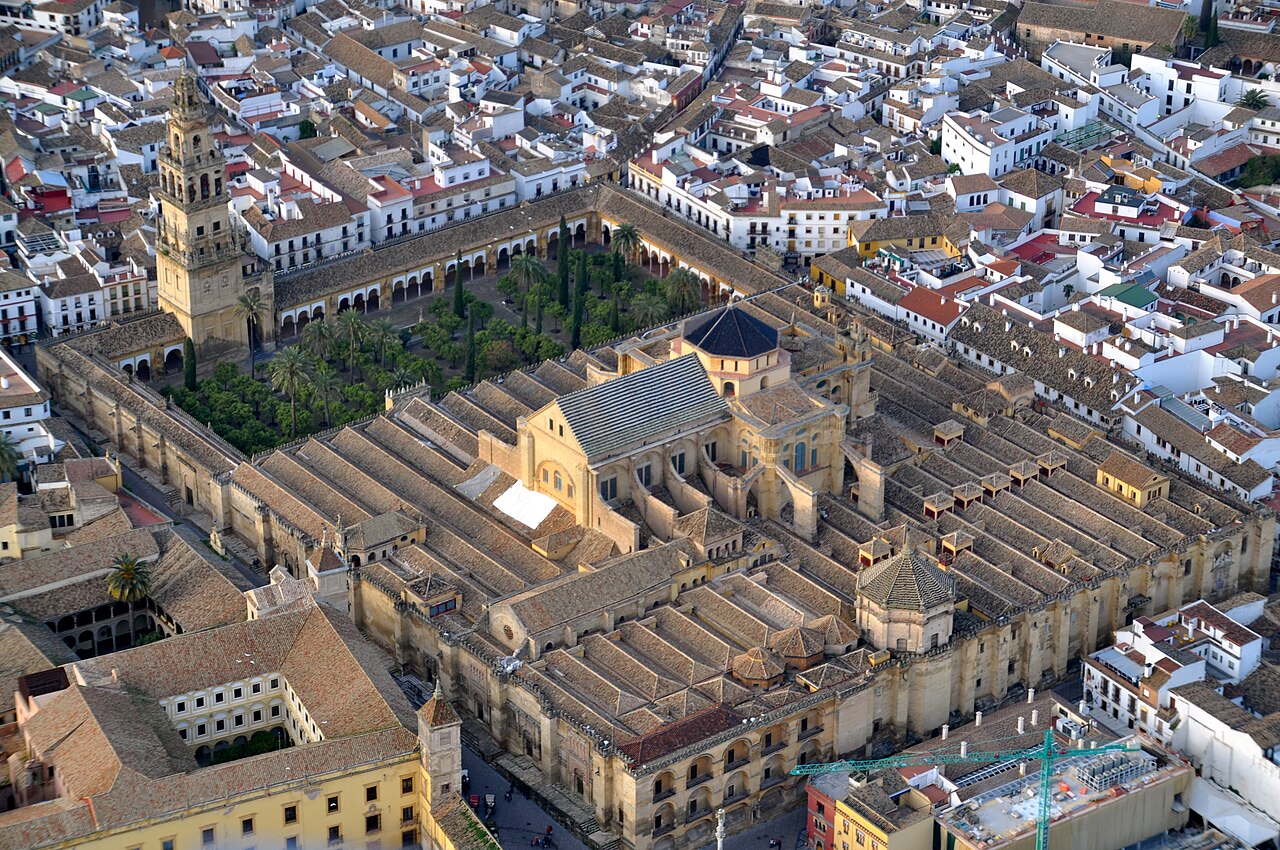
Mosque-Cathedral of Cordoba
786; minaret completed 958
 Artifact
Primary source
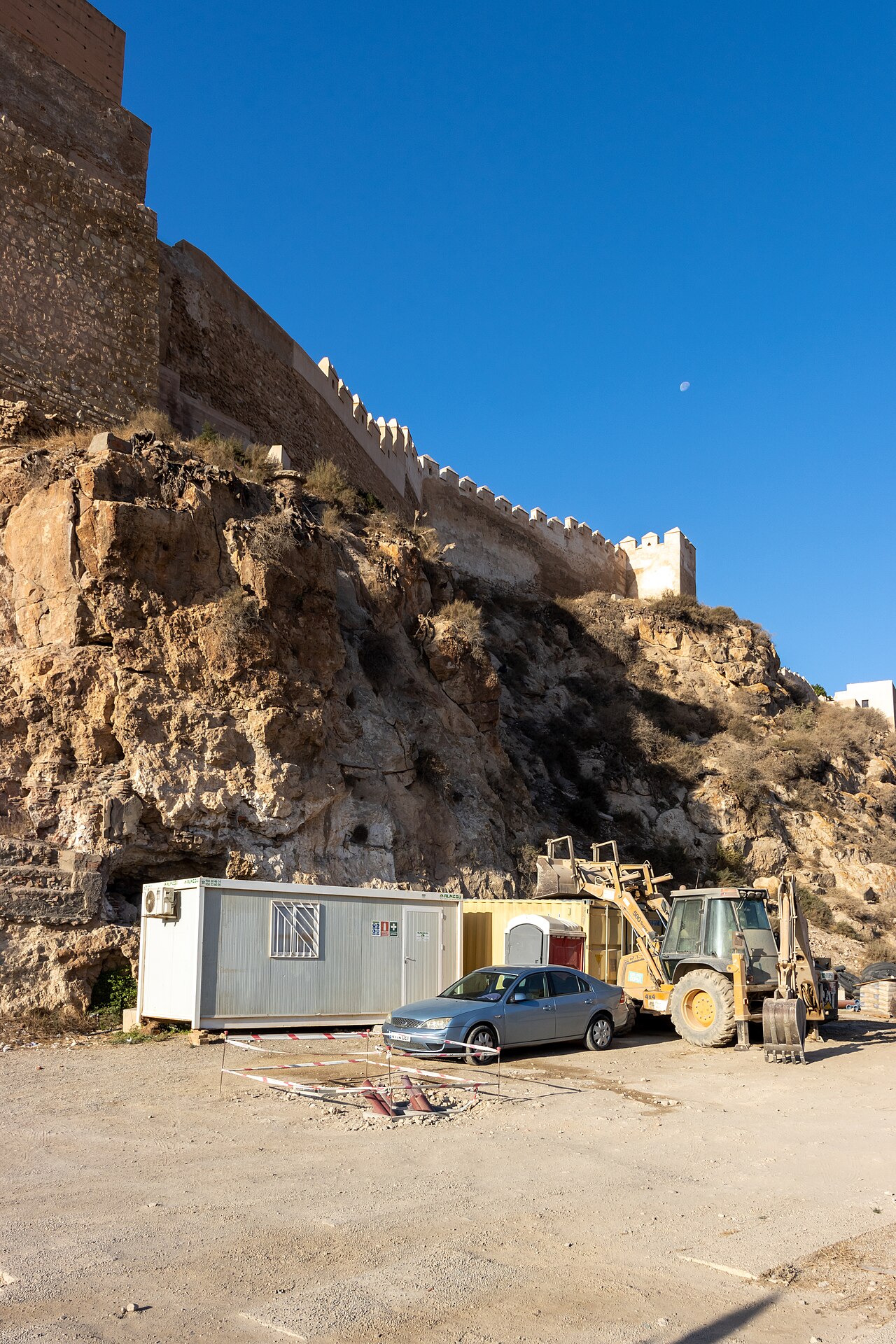
Alcazaba of Almería
955
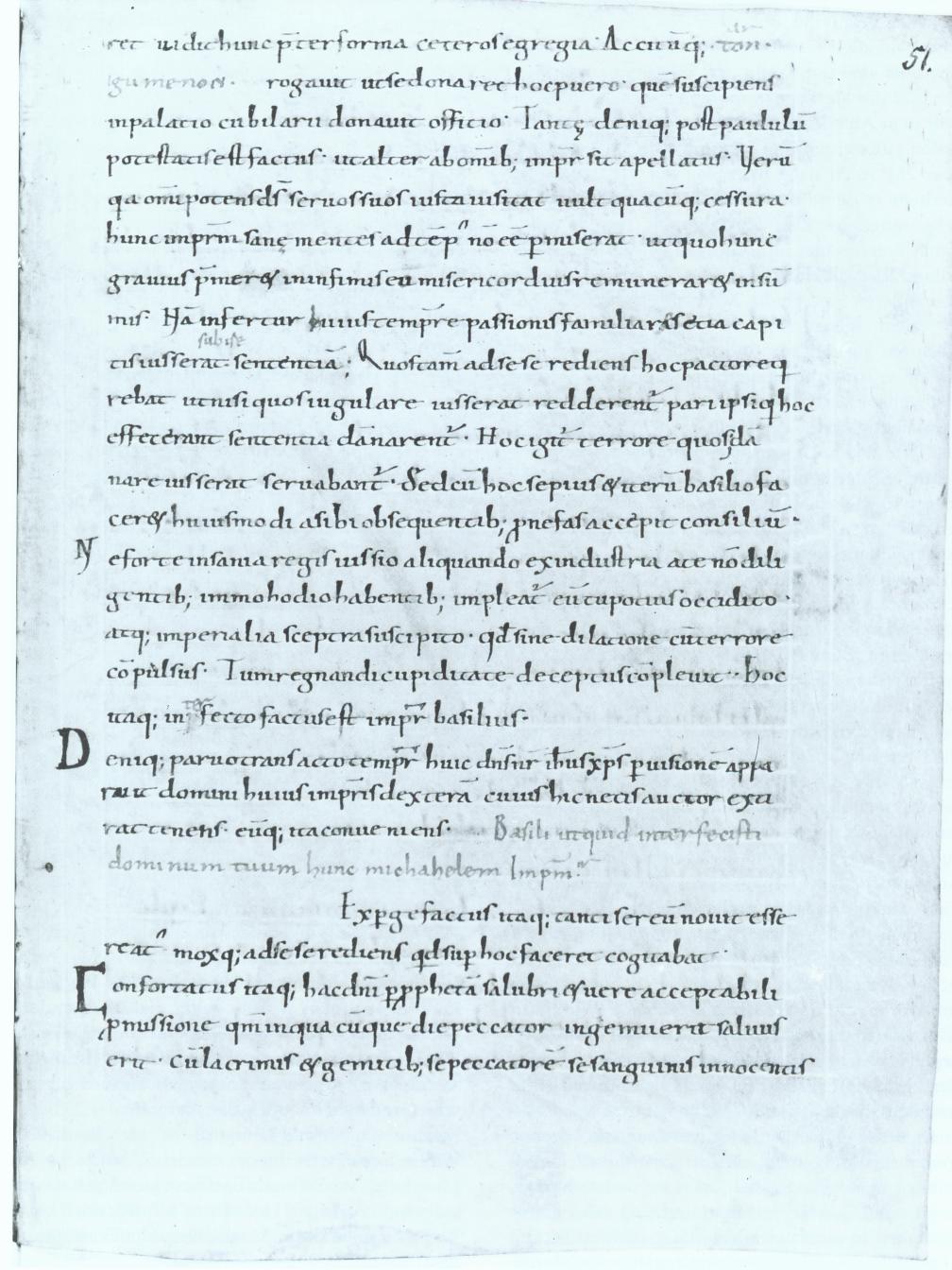 Book
Primary source
Antapodosis
Liutprand of Cremona · c. 960
Ready when you are
Start chatting with Abd al-Rahman III now.
20 messages free · No credit card · Available in 50+ languages.