


Primary sourceDocument1836
Maelzel's Chess Player
Edgar Allan Poe · 1836
An 1836 essay by Edgar Allan Poe arguing that the famous chess-playing automaton 'The Turk' was secretly operated by a hidden person.
Poe wrote this essay, showing the analytical reasoning that later shaped his detective fiction.
About this source
What it is
This essay, written by Edgar Allan Poe and published in 1836, examines the chess-playing automaton known as "The Turk," invented decades earlier and exhibited across Europe and America by Johann Nepomuk Mälzel.
Why it matters
Poe argued that the machine could not be a true automaton because it sometimes made mistakes, reasoning that a human must be hidden inside directing its moves. Although some of his specific guesses were wrong, the essay shows Poe developing the analytical, detective-like reasoning he later used in his famous mystery stories. It also reflects public fascination with mechanical illusions in the early 19th century.
Look closer
- What evidence does Poe use to argue that the chess player cannot be a true machine?
- Why might audiences at the time have wanted to believe the automaton was real?
- How does this essay connect to the reasoning methods used later in Poe's detective stories?
This document is part of the curated material that grounds the AI version of Edgar Allan Poe on Humy.ai — when students ask about related events, the AI can quote it and cite it.
More Edgar Allan Poe sources
Meet the AI Edgar Allan Poe →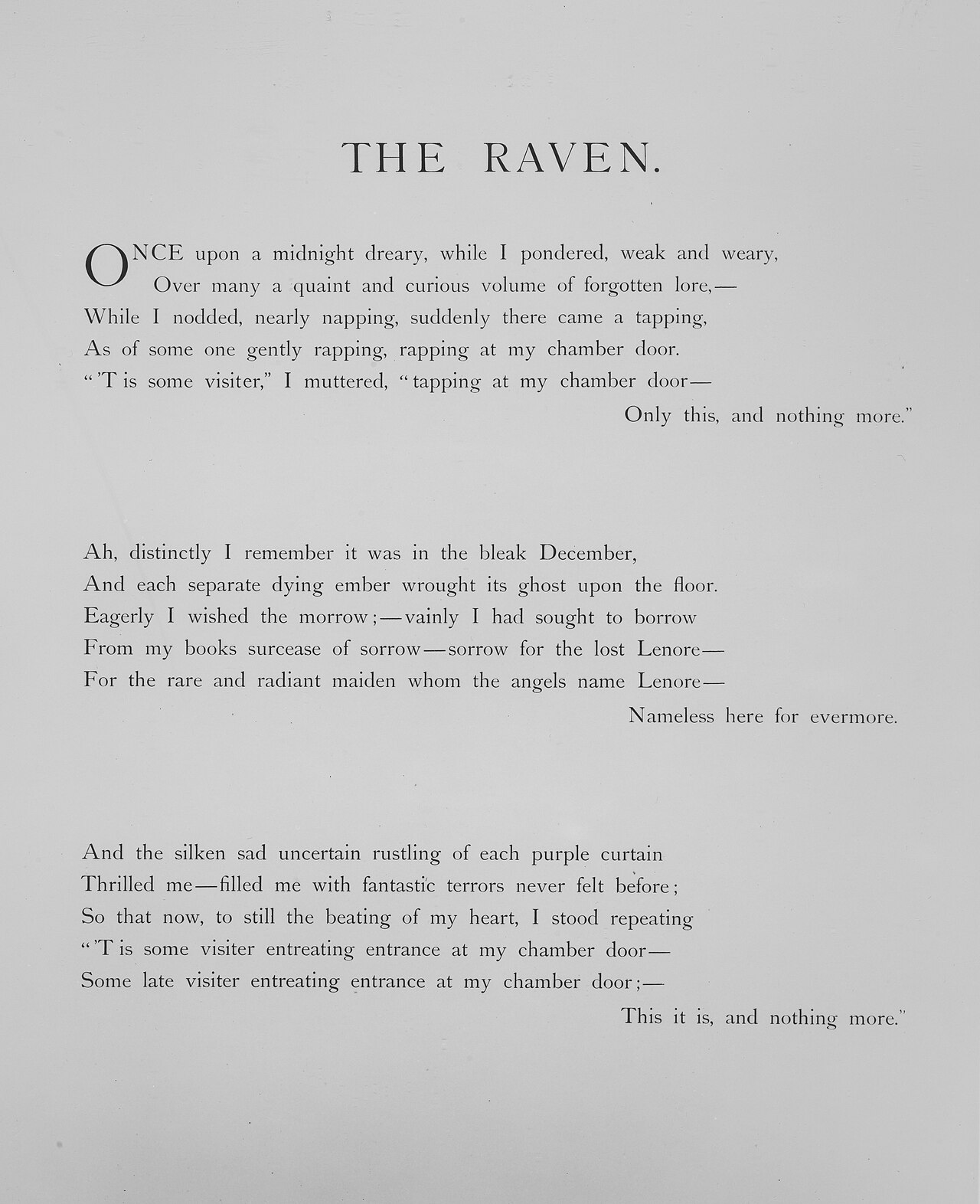 Book
Primary source
The Raven
Edgar Allan Poe · 1845
 Book
Primary source
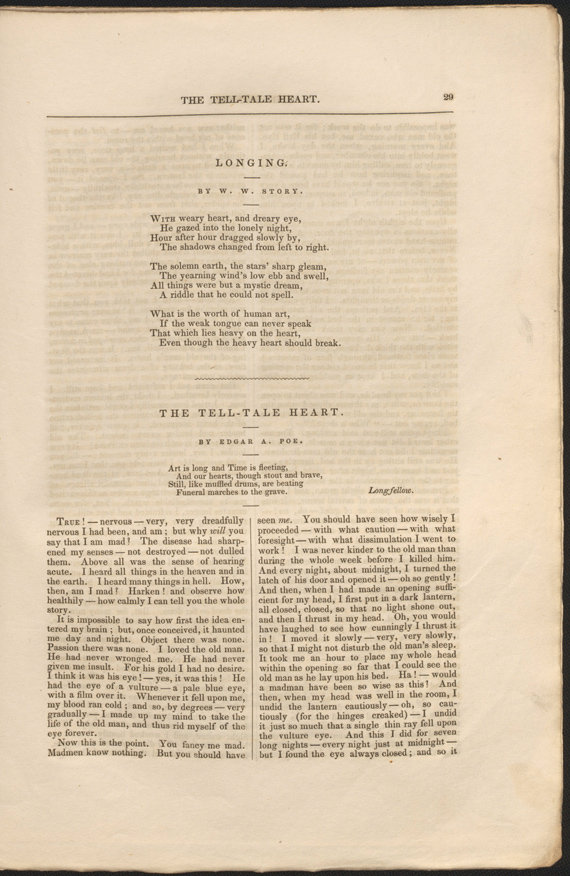
The Tell-Tale Heart
Edgar Allan Poe · 1843
 Book
Primary source
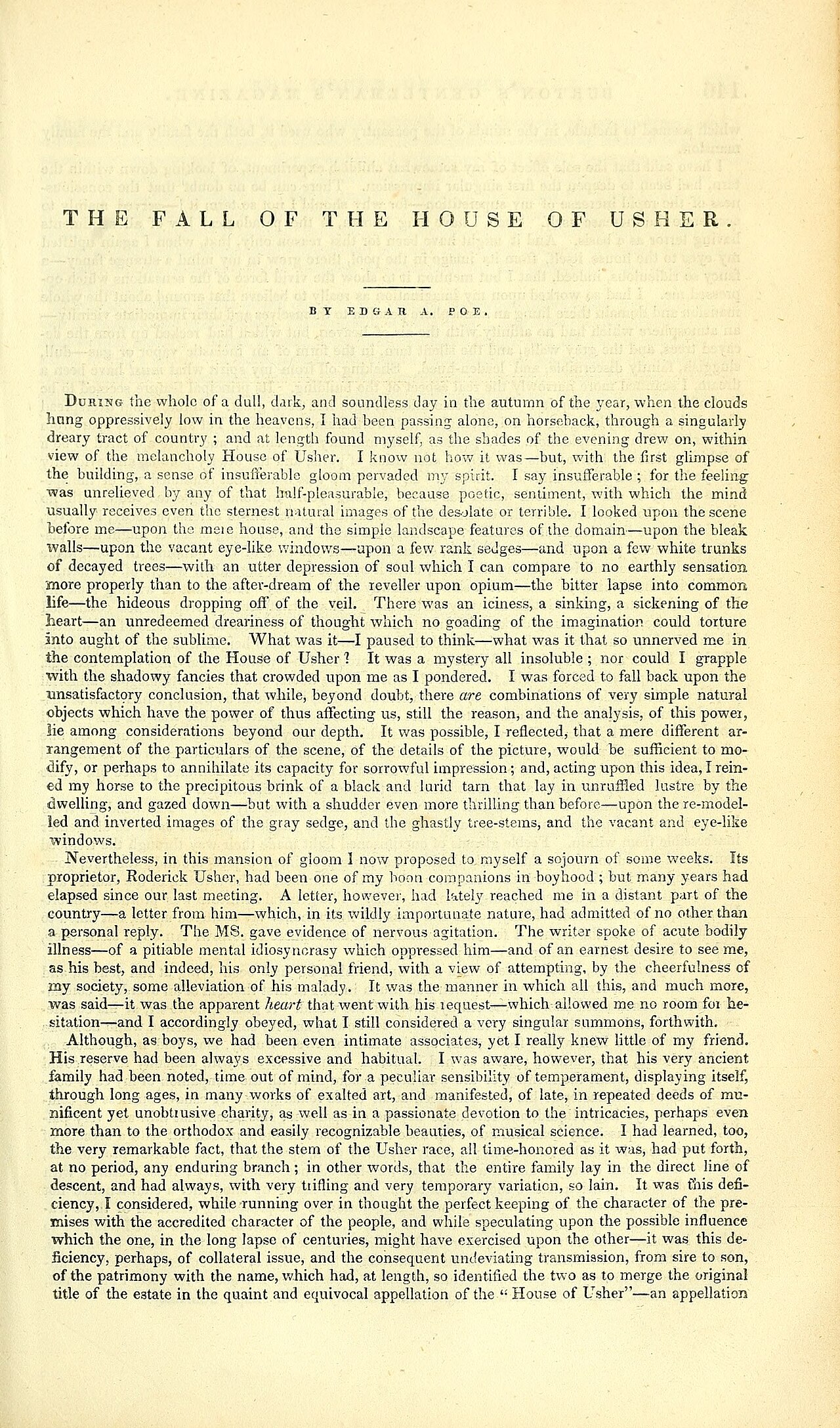
The Fall of the House of Usher
Edgar Allan Poe · 1839
 Book
Primary source
The Cask of Amontillado
Edgar Allan Poe · November 1846
 Book
Primary source
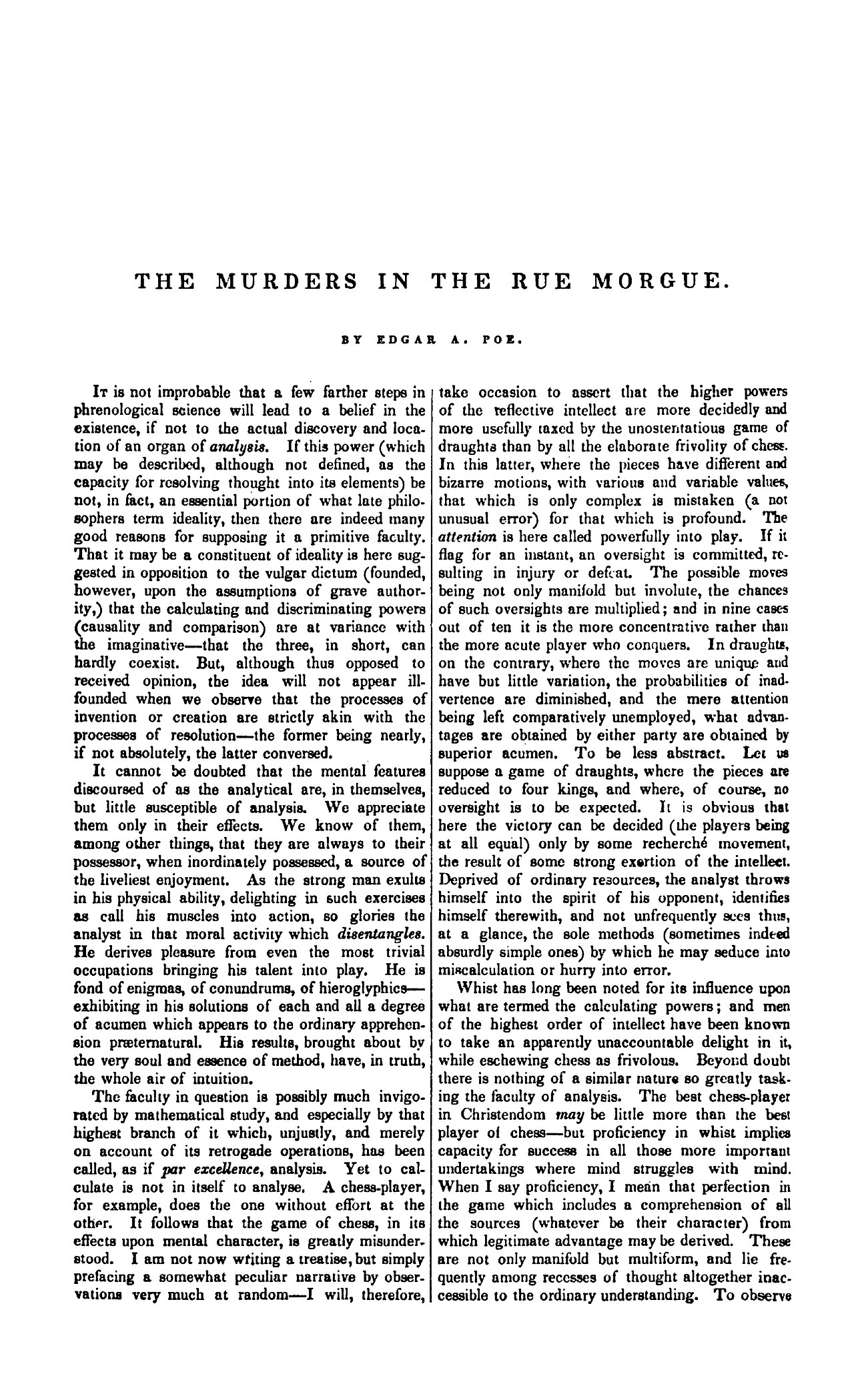
The Murders in the Rue Morgue
Edgar Allan Poe · 1841
Ready when you are
Start chatting with Edgar Allan Poe now.
20 messages free · No credit card · Available in 50+ languages.