


Primary sourceDocument1733
Magnificat in D major, BWV 243
Johann Sebastian Bach · 1733
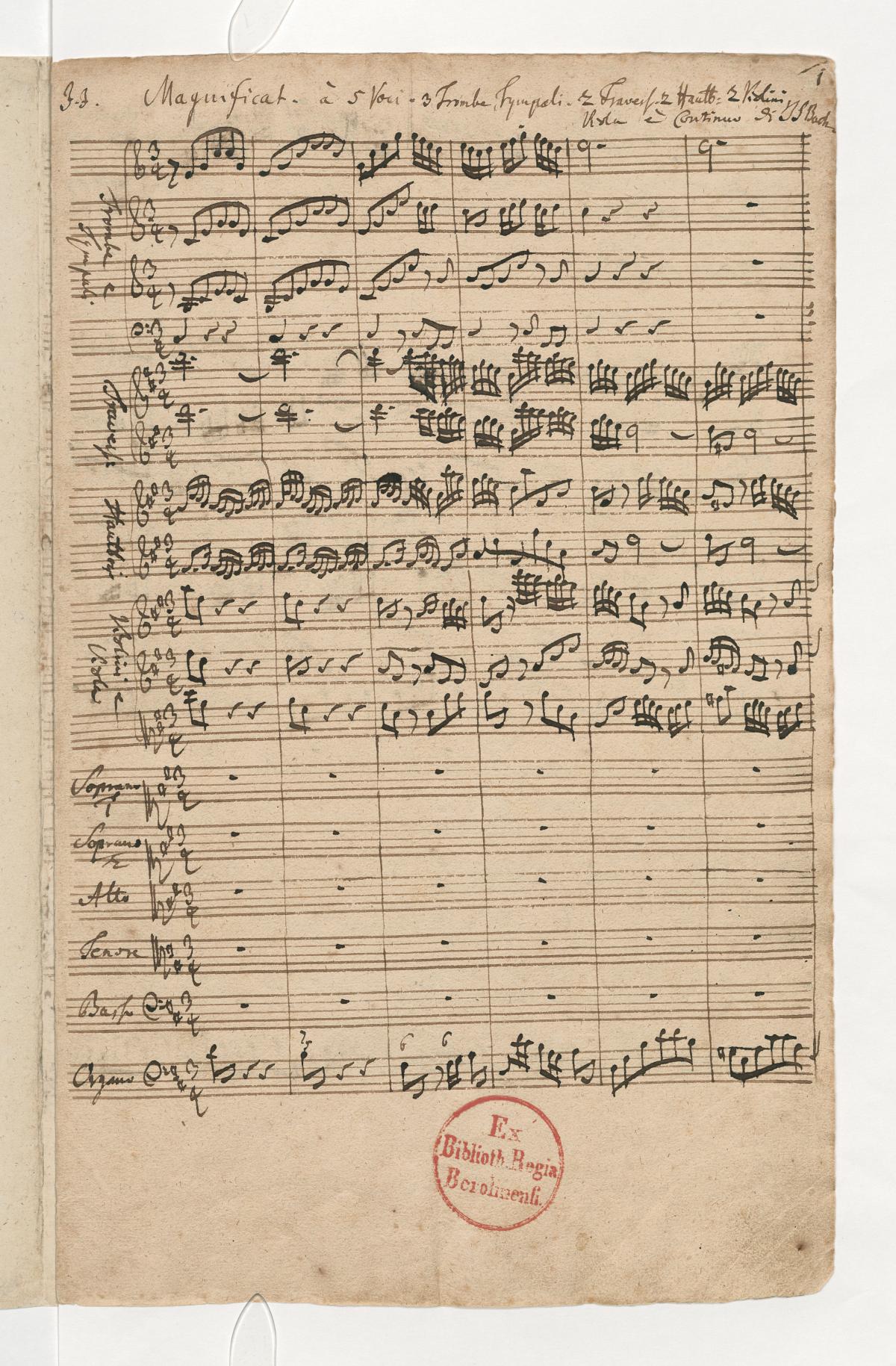
Bach's festive setting of the biblical Magnificat, his first major Latin liturgical work in Leipzig, revised around 1733 into this version.
Bach composed and wrote out this festive setting of the Magnificat himself for performance in Leipzig.
About this source
What it is
This is Johann Sebastian Bach's musical setting of the Magnificat, a biblical canticle, scored for five voices and a Baroque orchestra including trumpets and timpani. Bach first wrote it in 1723 in E-flat major, then revised it around 1733 into the D major version shown here, altering the instrumentation and removing earlier Christmas additions. The autograph manuscript is held at the Staatsbibliothek in Berlin.
Why it matters
It was Bach's first major liturgical composition in Latin after becoming Thomaskantor in Leipzig, a city where Latin was used more than typical for Lutheran services. The piece shows how Bach adapted and reused his own music over time, revising it for new performances and instrumental needs. It remains one of his most frequently performed vocal works today.
Look closer
- What does it tell us that Bach revised and reused his own compositions years later?
- Why might trumpets and timpani have been chosen for a festive biblical text?
- What can a handwritten manuscript, with its stamps and corrections, tell us that a printed score cannot?
This document is part of the curated material that grounds the AI version of Johann Sebastian Bach on Humy.ai — when students ask about related events, the AI can quote it and cite it.
More Johann Sebastian Bach sources
Meet the AI Johann Sebastian Bach →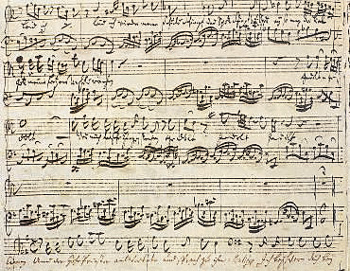 Book
Primary source
St Matthew Passion
Johann Sebastian Bach · 1727
 Book
Primary source
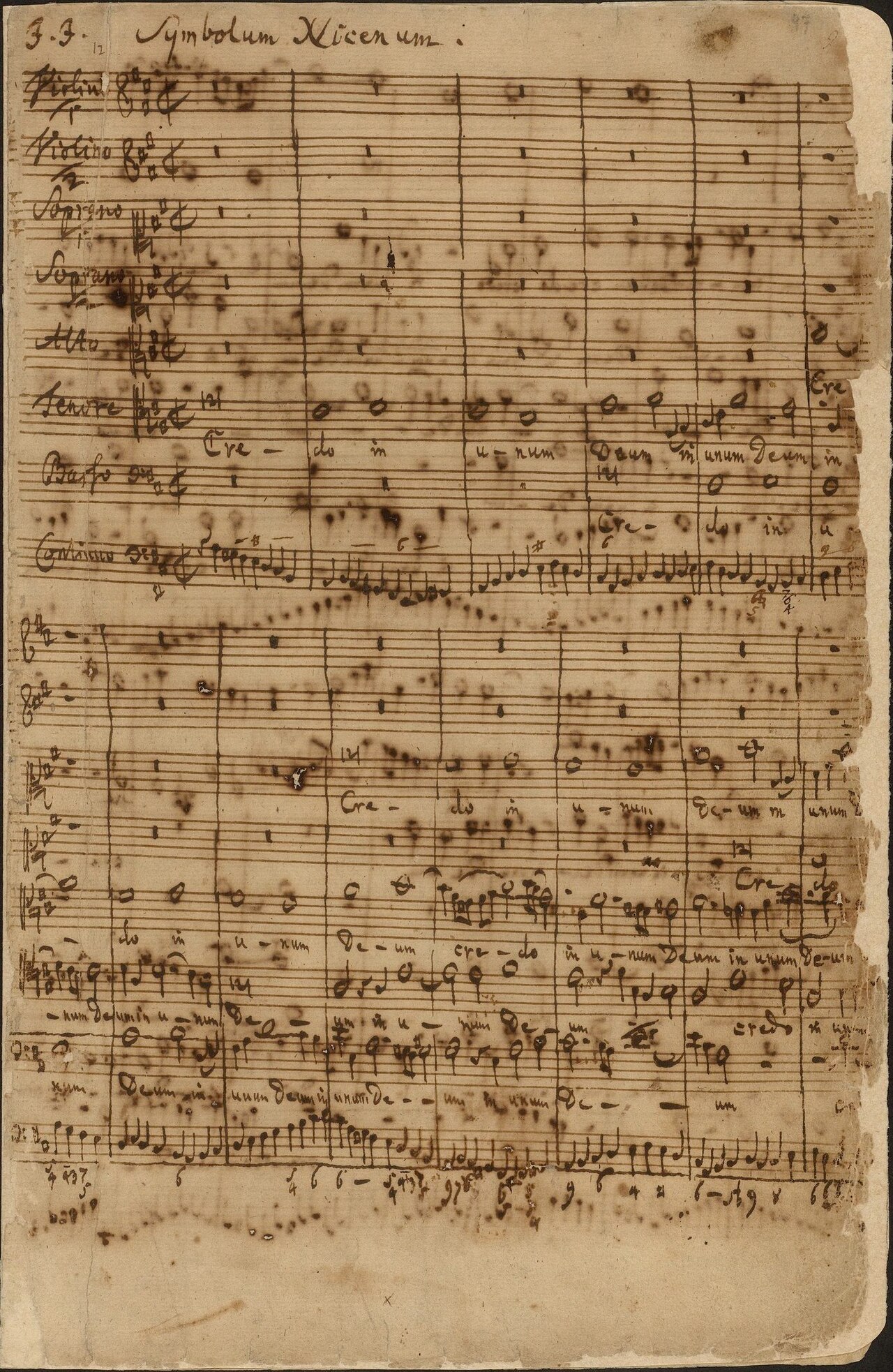
Mass in B minor
Johann Sebastian Bach · completed 1749
 Book
Primary source
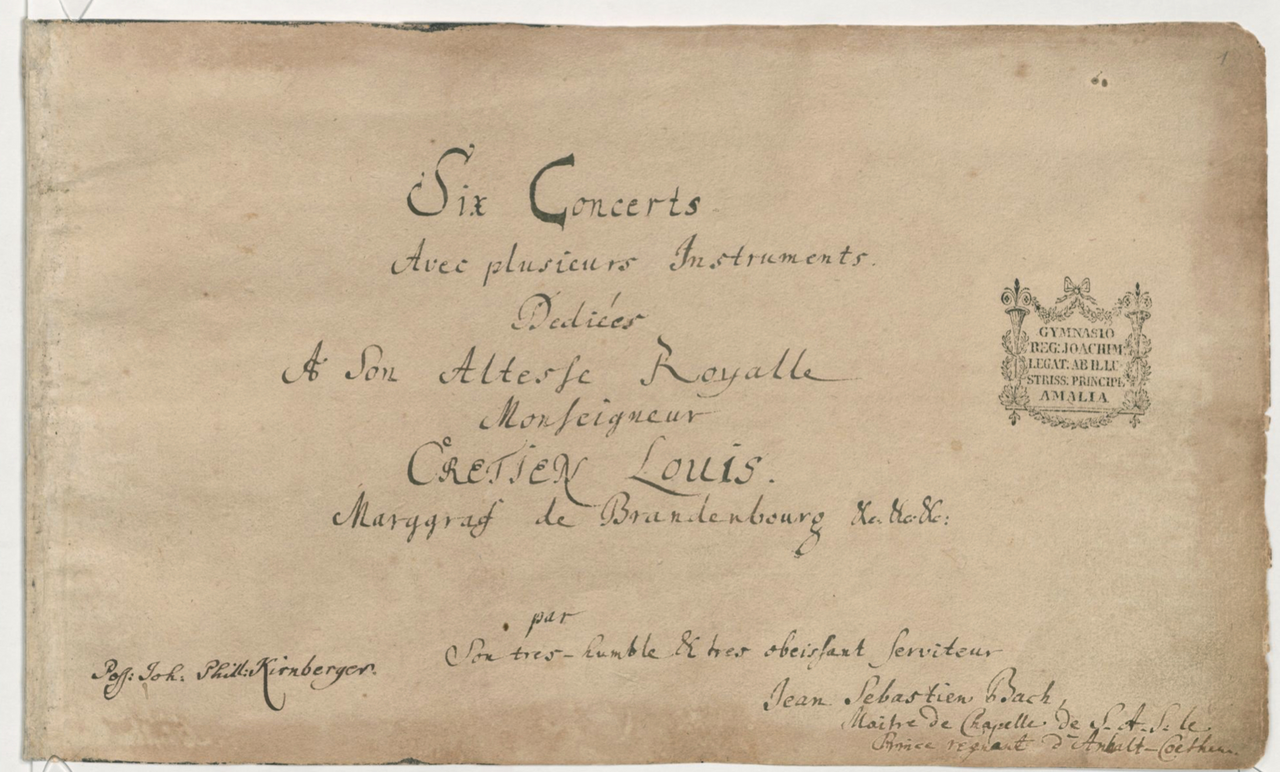
Brandenburg Concertos
Johann Sebastian Bach · 1721
 Book
Primary source
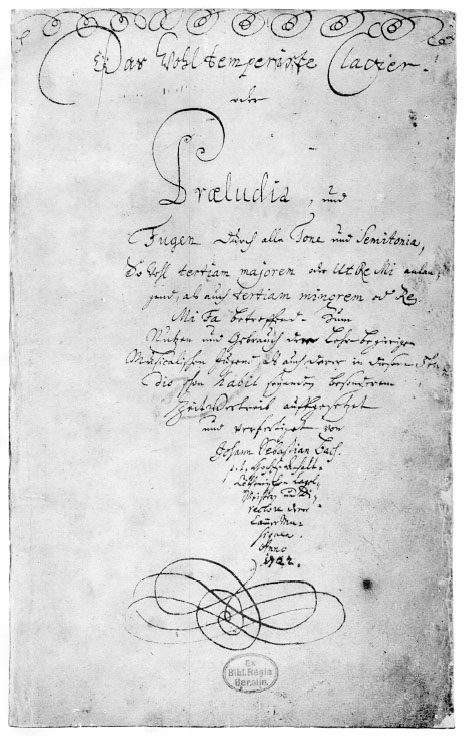
The Well-Tempered Clavier
Johann Sebastian Bach · 1722 (Book 1); 1742 (Book 2)
 Painting
Primary source
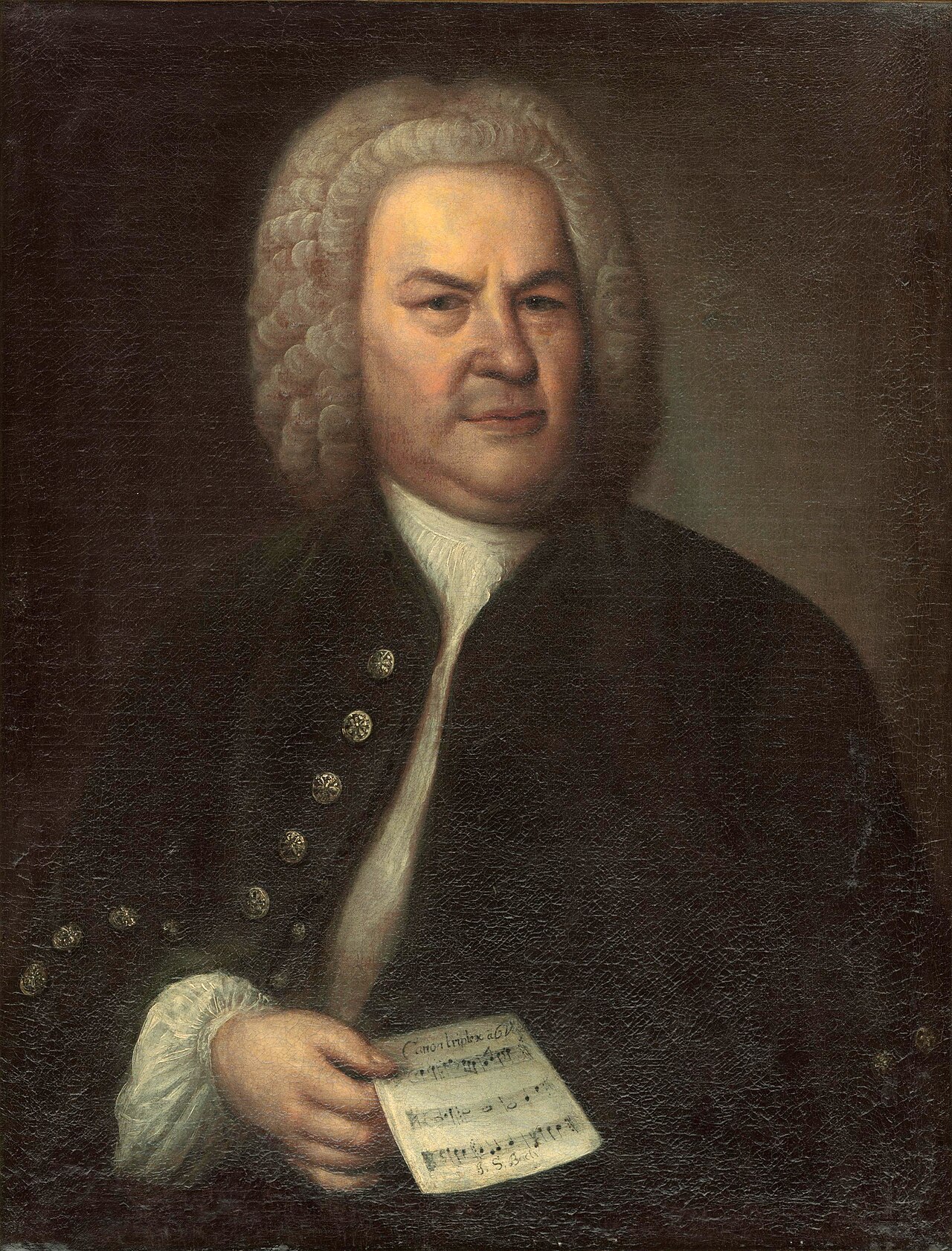
Portrait of Bach
Elias Gottlob Haussmann · 1746
Ready when you are
Start chatting with Johann Sebastian Bach now.
20 messages free · No credit card · Available in 50+ languages.