


Primary sourceDocumentc. 1736
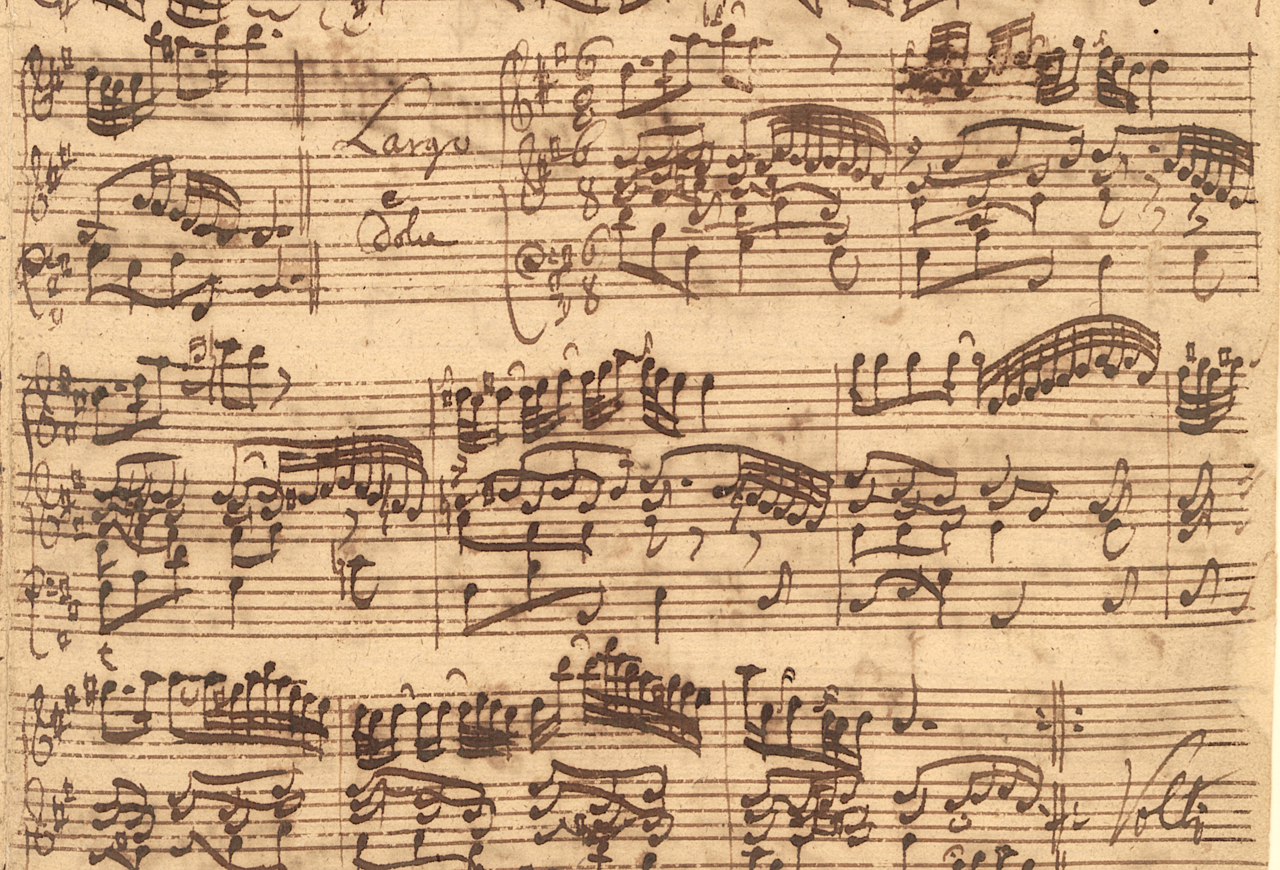
Manuscript of the Adagio from the Flute Sonata BWV 1030
Johann Sebastian Bach · c. 1736
Bach's own manuscript of a slow movement with a rare written-out harpsichord part showing his own performance practice.
A rare manuscript in Bach's own hand showing exactly how he realized a keyboard part, a direct trace of his practice.
About this source
What it is
This manuscript, written by Johann Sebastian Bach around 1736, shows the Adagio movement of his Flute Sonata, BWV 1030. It includes a harpsichord realization, meaning Bach wrote out the keyboard part in full detail rather than leaving it to be improvised, as was common at the time.
Why it matters
This is believed to be one of only two surviving cases where Bach wrote down his own harpsichord realization. It gives rare direct evidence of how Bach himself expected a keyboard accompaniment to be played, information usually left to the performer's judgment.
Look closer
- Why would it be unusual for a composer of this time to write out a harpsichord part in full?
- What does this page suggest about how much was normally left to performers to decide?
- What might this tell us about Bach's own skill or preferences as a keyboard player?
This document is part of the curated material that grounds the AI version of Johann Sebastian Bach on Humy.ai — when students ask about related events, the AI can quote it and cite it.
More Johann Sebastian Bach sources
Meet the AI Johann Sebastian Bach → Book
Primary source
St Matthew Passion
Johann Sebastian Bach · 1727
 Book
Primary source
Mass in B minor
Johann Sebastian Bach · completed 1749
 Book
Primary source
Brandenburg Concertos
Johann Sebastian Bach · 1721
 Book
Primary source
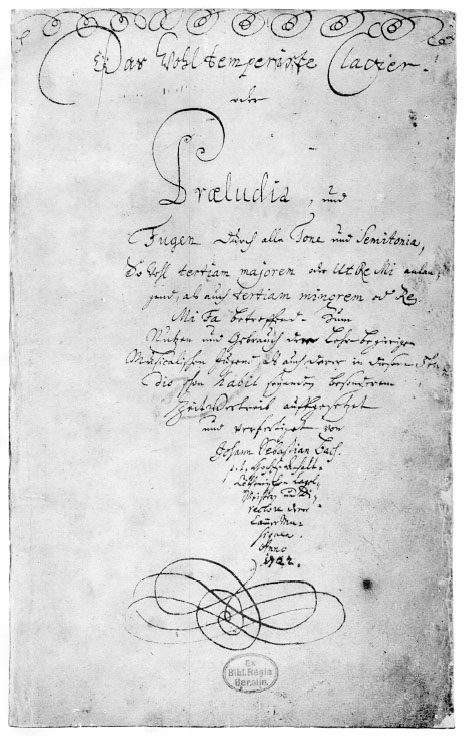
The Well-Tempered Clavier
Johann Sebastian Bach · 1722 (Book 1); 1742 (Book 2)
 Painting
Primary source
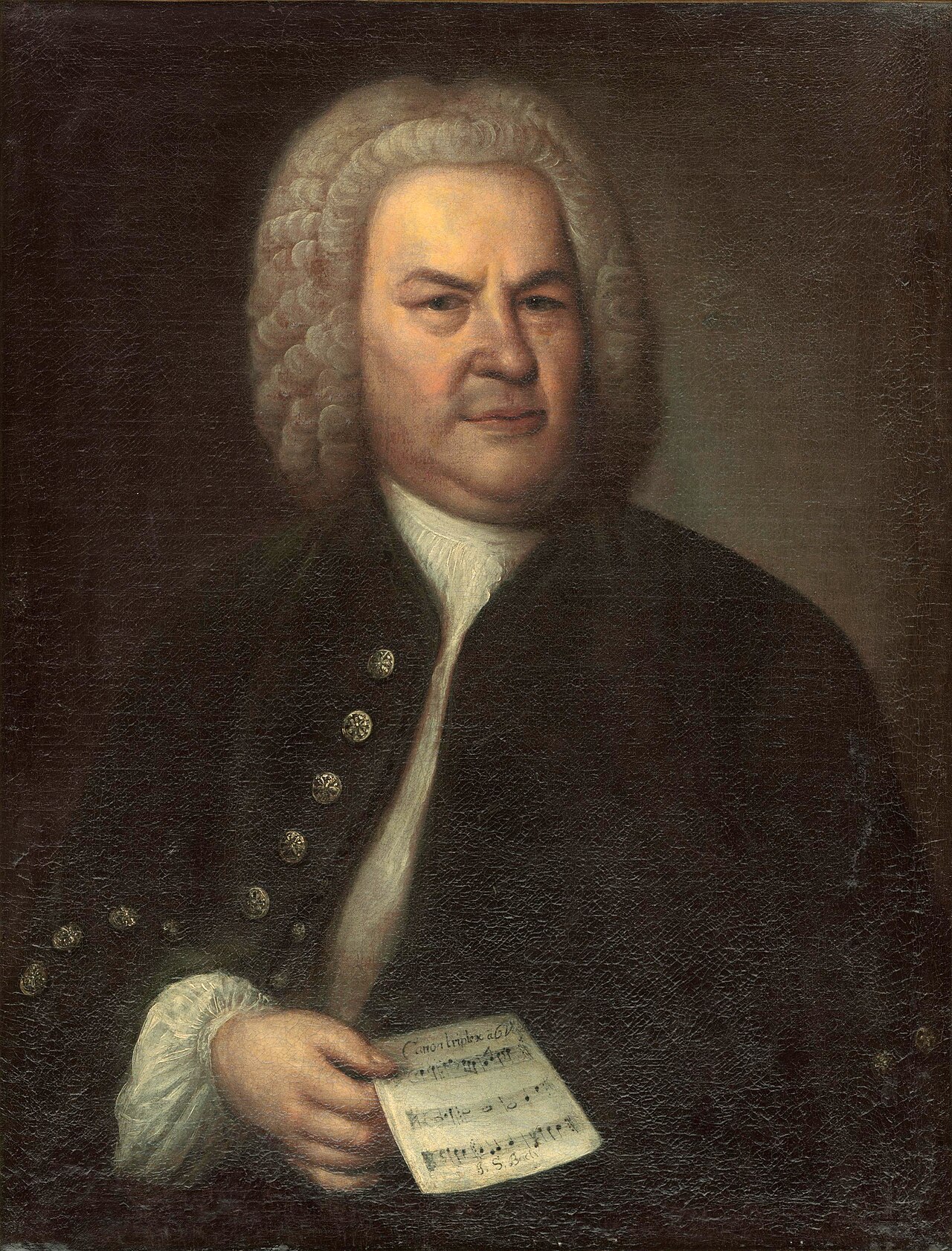
Portrait of Bach
Elias Gottlob Haussmann · 1746
Ready when you are
Start chatting with Johann Sebastian Bach now.
20 messages free · No credit card · Available in 50+ languages.