


Primary sourcePainting1972–1973
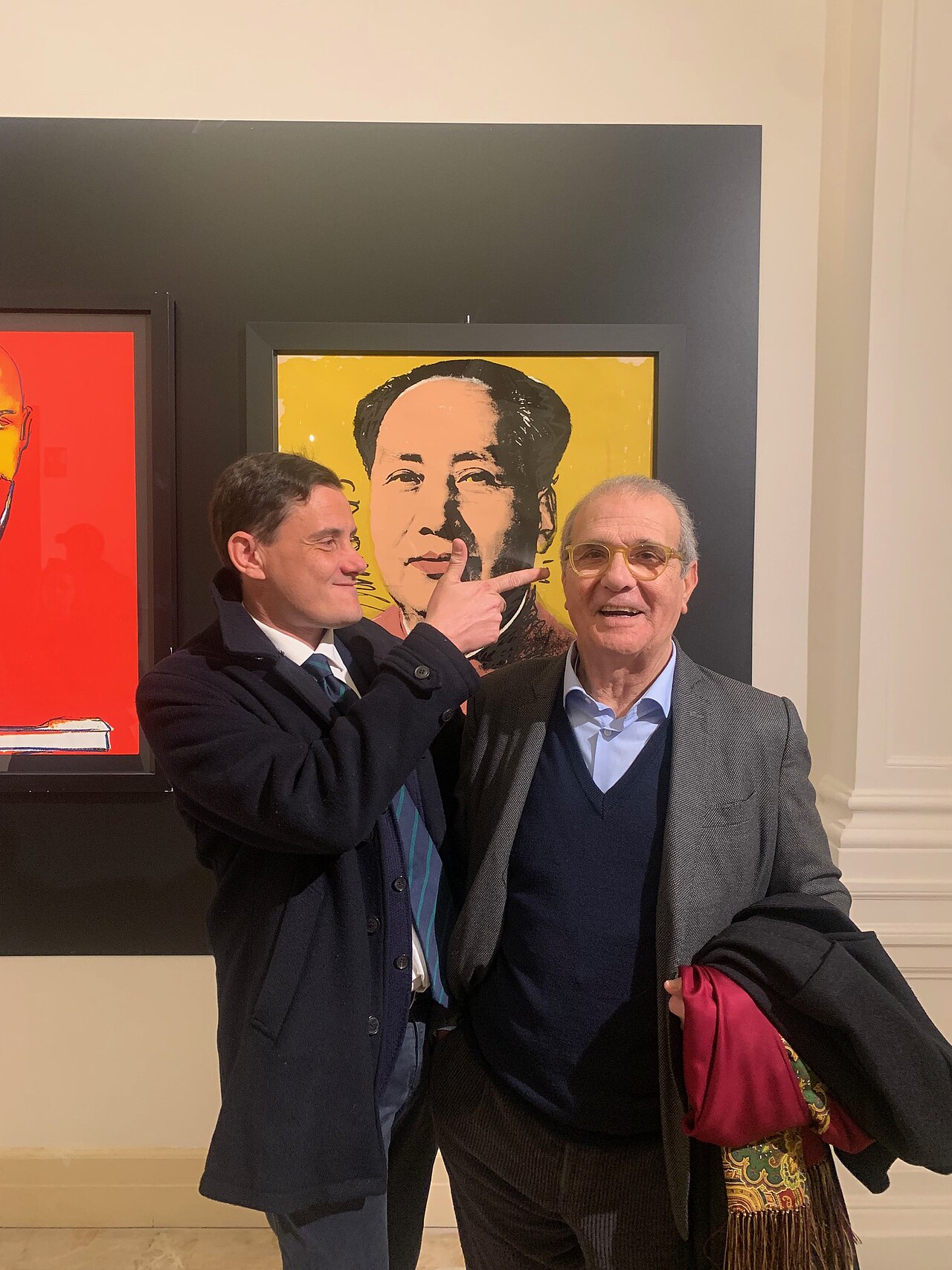
Mao
Andy Warhol · 1972–1973
A series of silkscreen portraits of Mao Tse-tung painted by Andy Warhol in the early 1970s, treating a political leader like a mass-media celebrity.
Warhol created this series, applying his celebrity-style silkscreen technique to a political leader.
About this source
What it is
Mao is a series of silkscreen portraits made by Andy Warhol between 1972 and 1973, depicting Chinese leader Mao Tse-tung. One version is held by the Art Institute of Chicago. Warhol created the works around the time of President Nixon's visit to China.
Why it matters
By applying his signature silkscreen technique, used earlier for celebrities and consumer goods, to a world political leader, Warhol blurred the line between politics and pop celebrity culture. The series shows how Warhol saw mass-reproduced imagery, whether of a soup can or a head of state, as central to modern fame.
Look closer
- Why might Warhol choose to portray a political leader using the same technique he used for soup cans and movie stars?
- What does repeating and brightly coloring an official portrait do to how we see that person?
- What historical moment might have made Mao's image especially present in American media at this time?
This painting is part of the curated material that grounds the AI version of Andy Warhol on Humy.ai — when students ask about related events, the AI can quote it and cite it.
More Andy Warhol sources
Browse all 89 →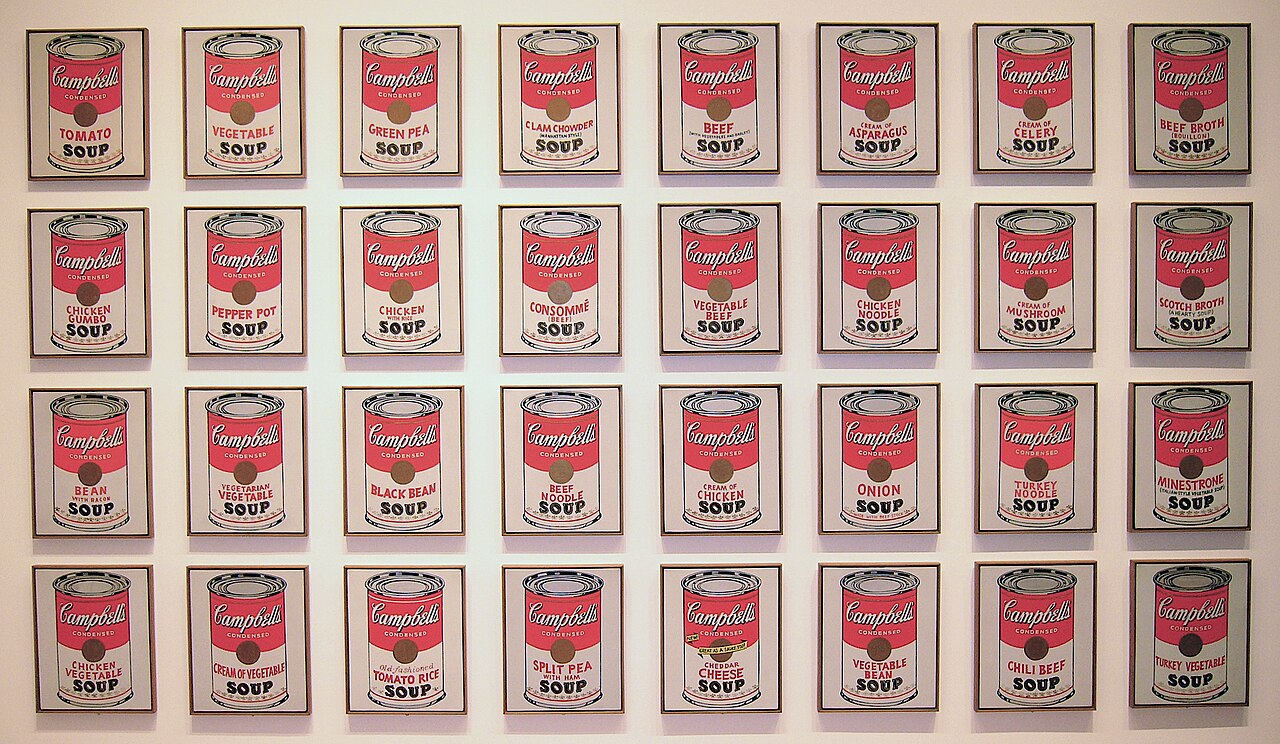 Painting
Primary source
Campbell's Soup Cans
Andy Warhol · 1962
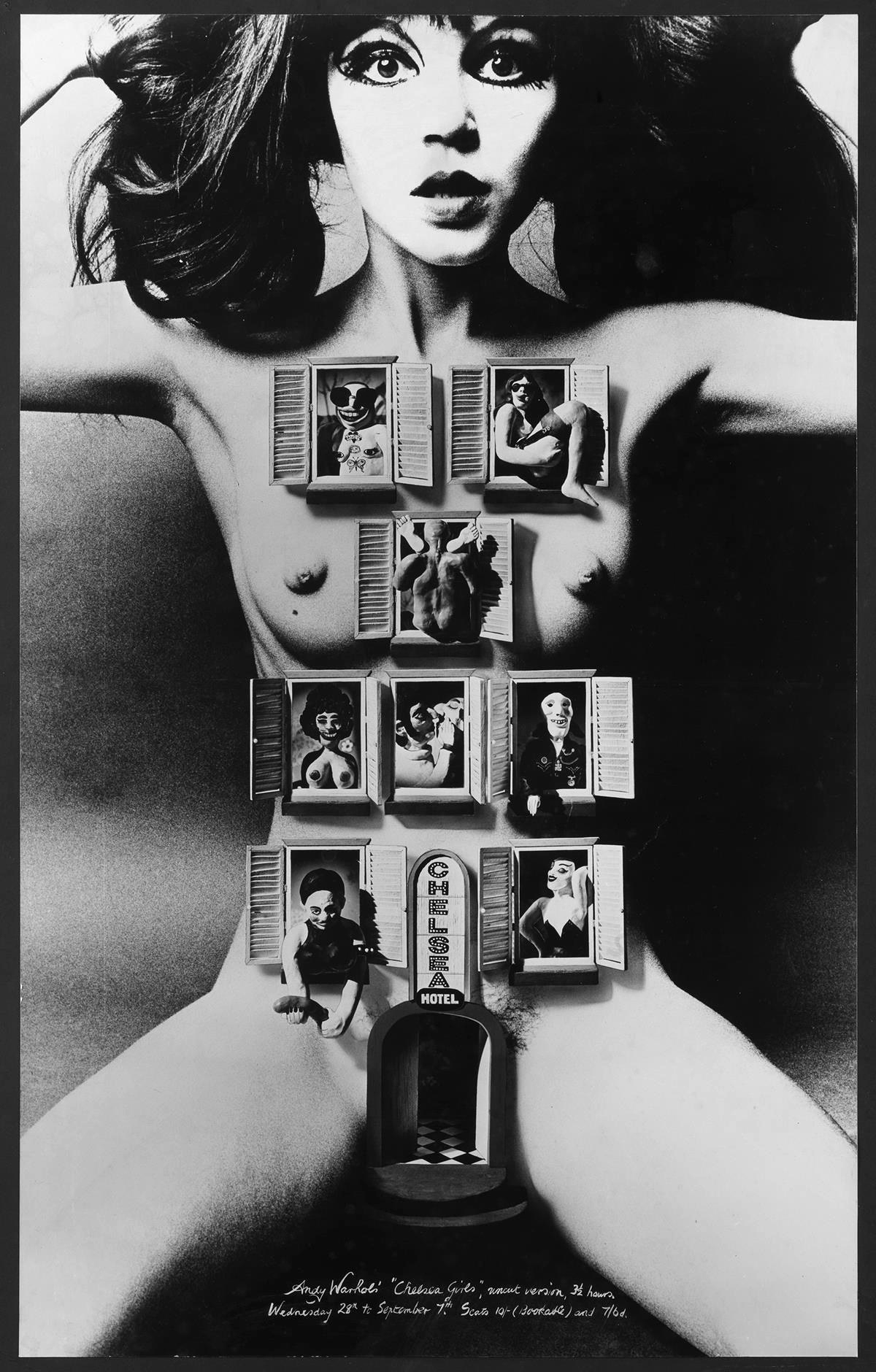 Documentary
Primary source
Chelsea Girls
Andy Warhol and Paul Morrissey · 1966
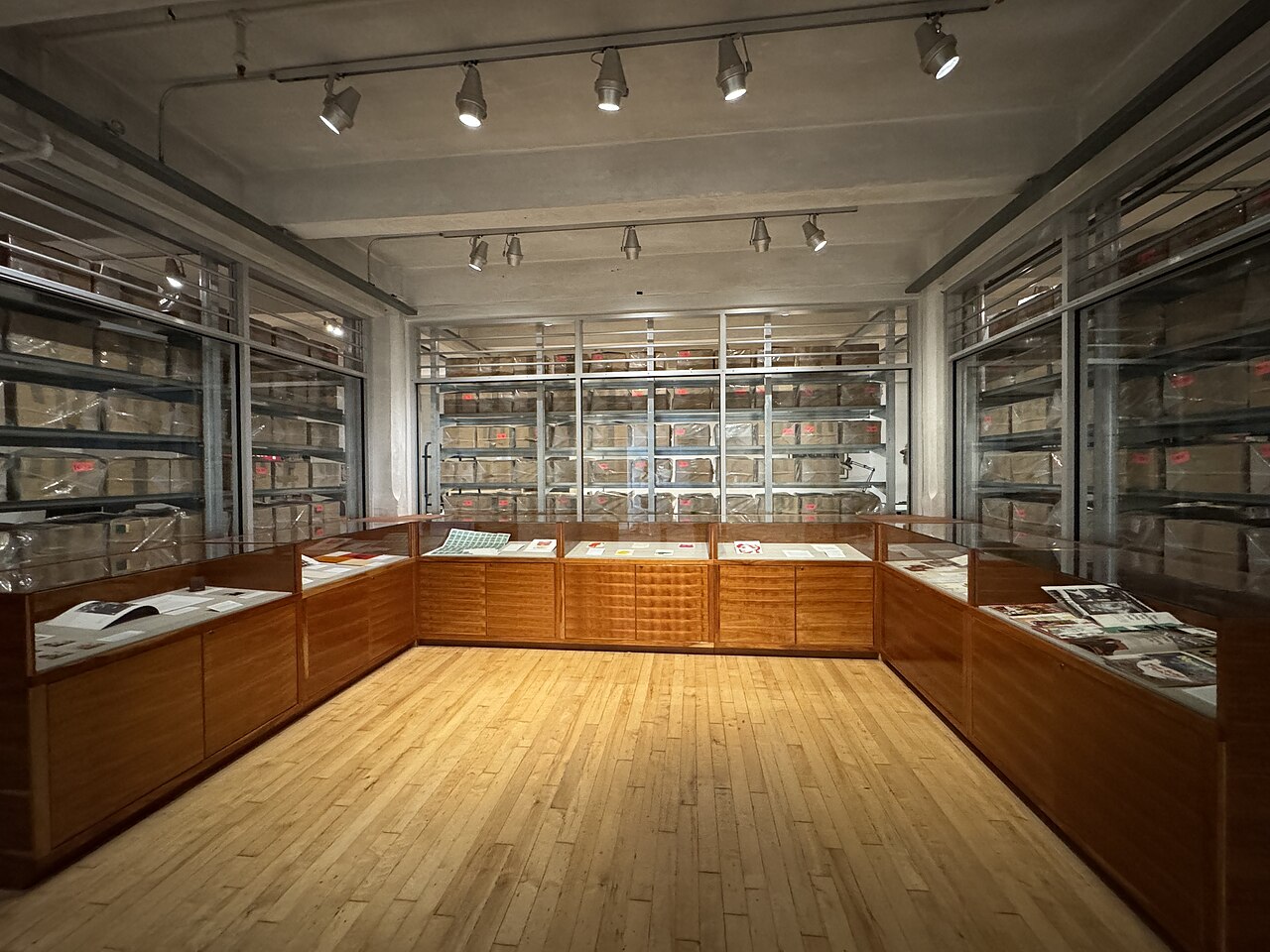 Artifact
Primary source
Time Capsules
Andy Warhol · 1974–1987
 Photograph
Primary source
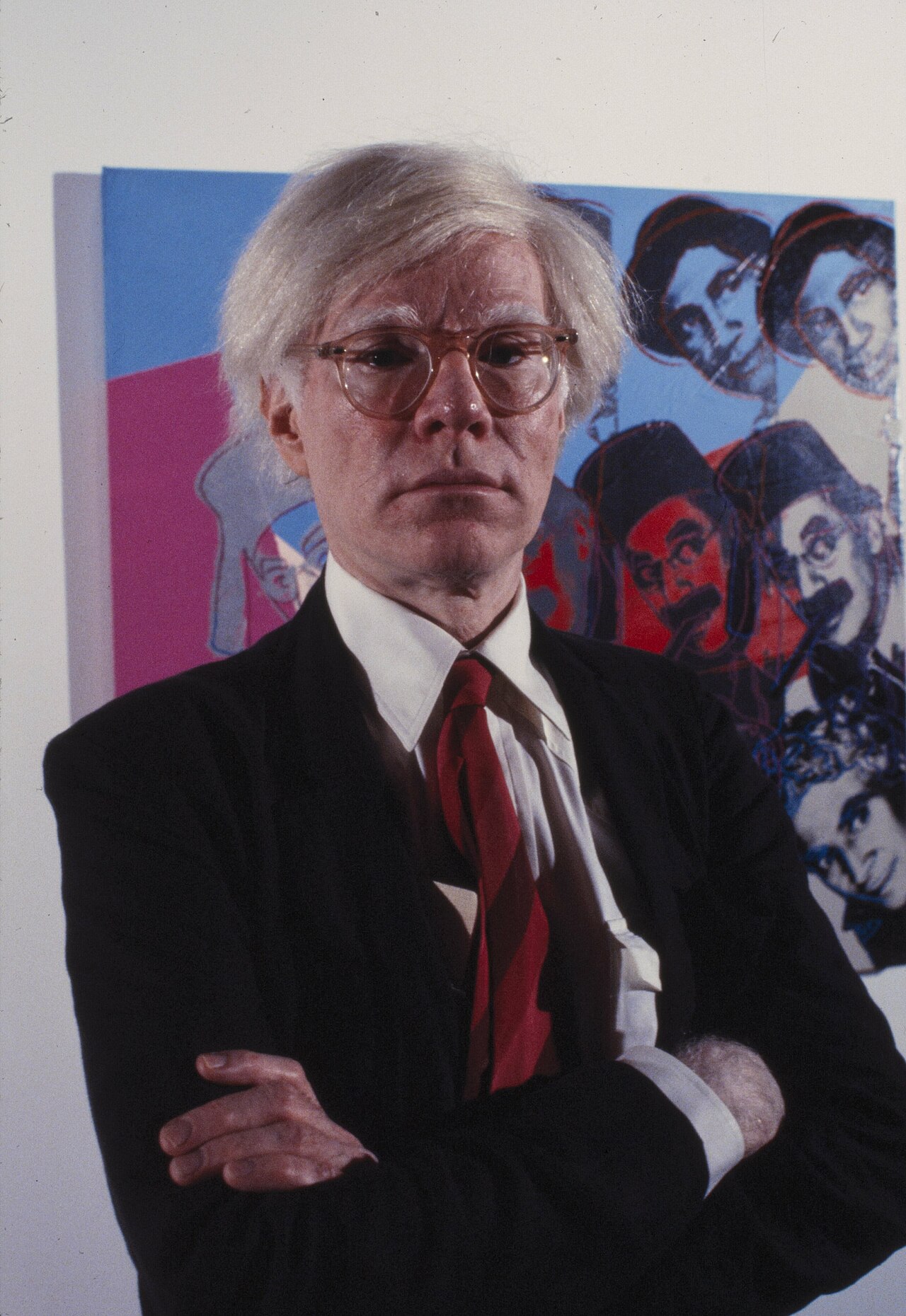
Portrait of Andy Warhol at the Jewish Museum
Bernard Gotfryd
Free account
Read every Andy Warhol source
Sign up free →
Ready when you are
Start chatting with Andy Warhol now.
20 messages free · No credit card · Available in 50+ languages.