


Primary sourceArtifact1974–1987
Time Capsules
Andy Warhol · 1974–1987
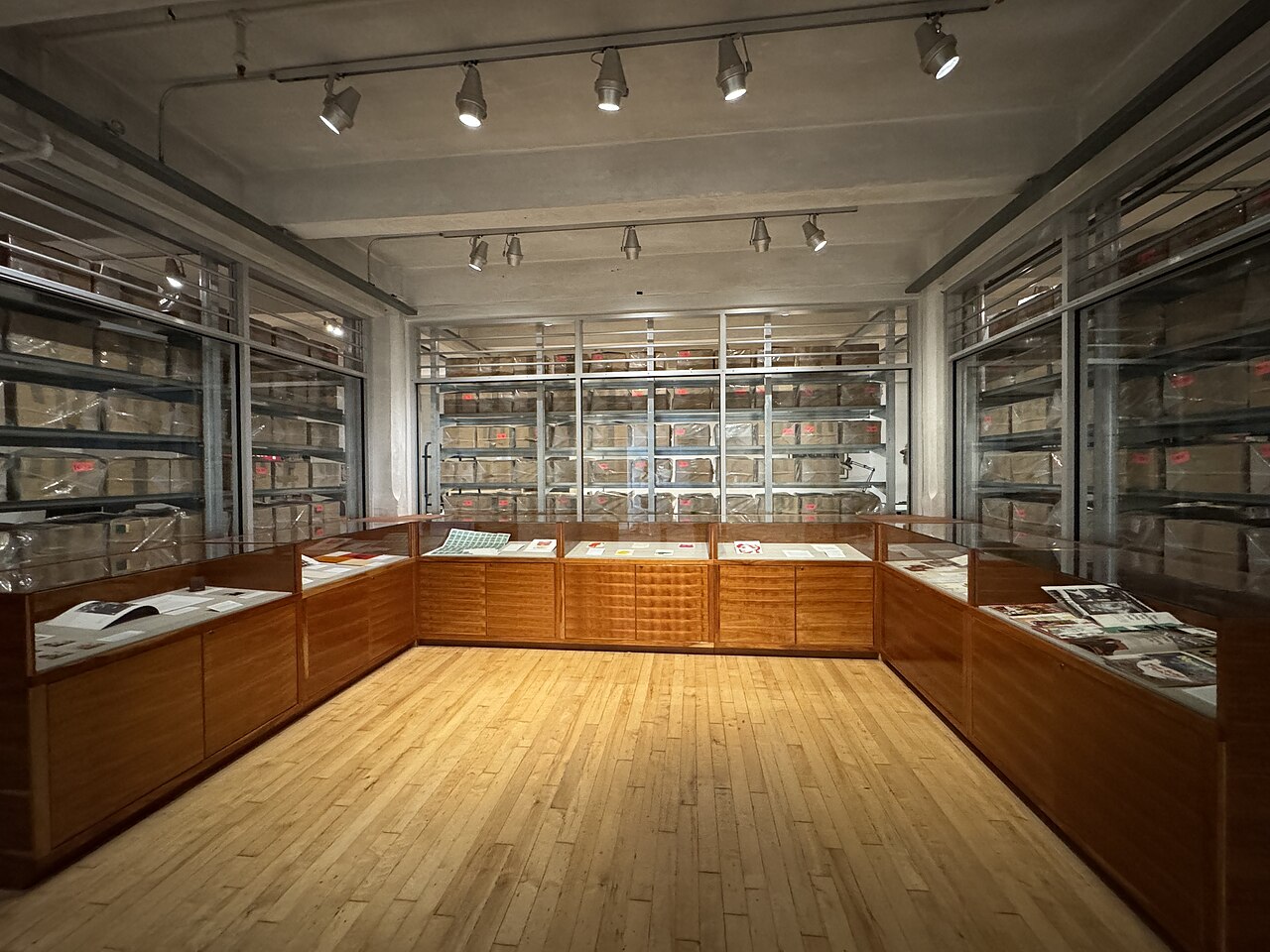
About 600 sealed cardboard boxes in which Andy Warhol stored correspondence, receipts, photos and everyday ephemera from 1974 onward.
Warhol personally assembled these boxes, making them a direct record of his daily life and creative process.
Free Humy account · No credit card · 120,288 sources to read
About this source
What it is
Between 1974 and 1987, Andy Warhol filled around 600 cardboard boxes with letters, receipts, photographs and other everyday objects, sealing them as 'Time Capsules'. After his death they were transferred to the Andy Warhol Museum in Pittsburgh, where many are now on display.
Why it matters
The capsules form a vast, unfiltered archive of Warhol's daily life and working methods, showing how he collected and preserved material from his surroundings rather than discarding it. They let historians see the raw material behind his art and public persona.
Look closer
- What does it mean that Warhol sealed ordinary items like receipts and letters as if they were treasures?
- Why might an artist want to preserve everyday paperwork rather than just finished artworks?
- What could the contents of these boxes tell us that a painting cannot?
This artifact is part of the curated material that grounds the AI version of Andy Warhol on Humy.ai — when students ask about related events, the AI can quote it and cite it.
More Andy Warhol sources
Browse all 89 →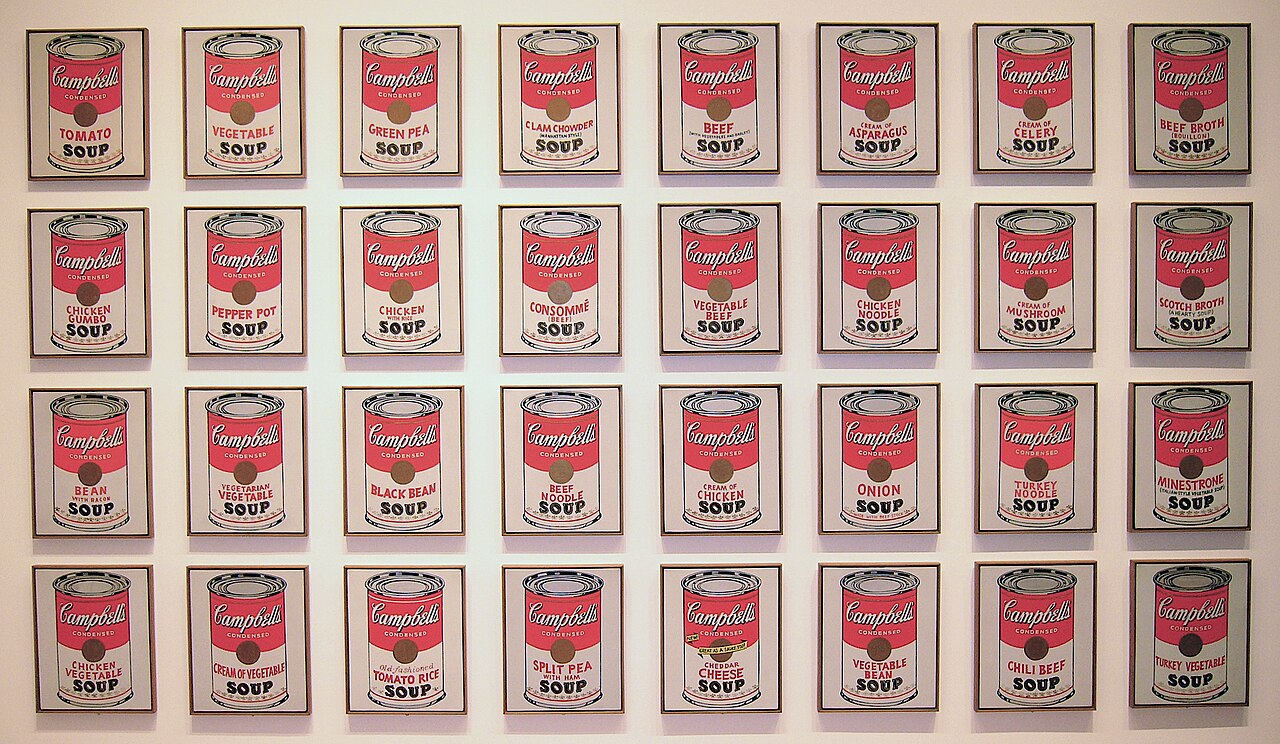 Painting
Primary source
Campbell's Soup Cans
Andy Warhol · 1962
 Documentary
Primary source
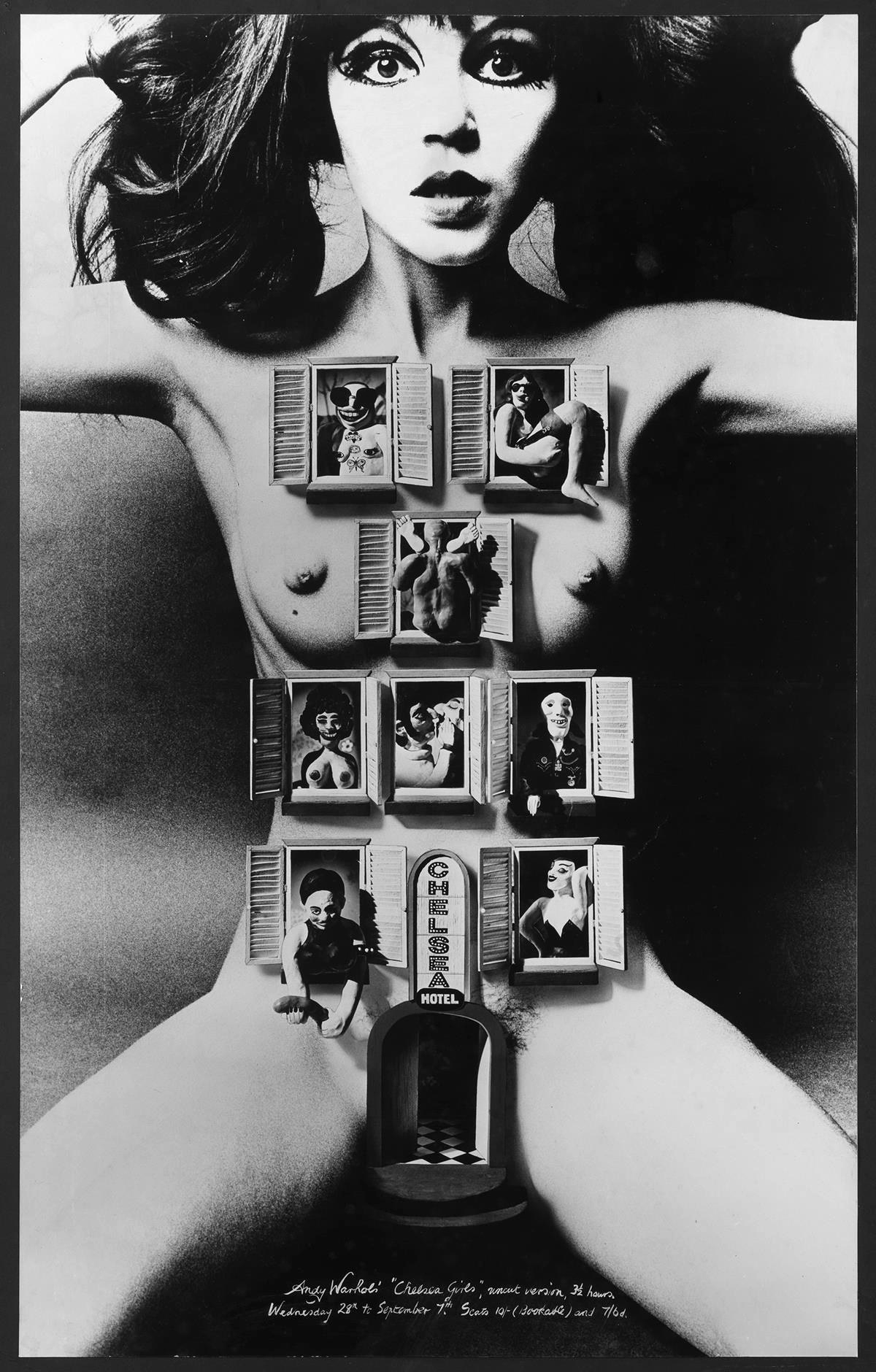
Chelsea Girls
Andy Warhol and Paul Morrissey · 1966
 Painting
Primary source
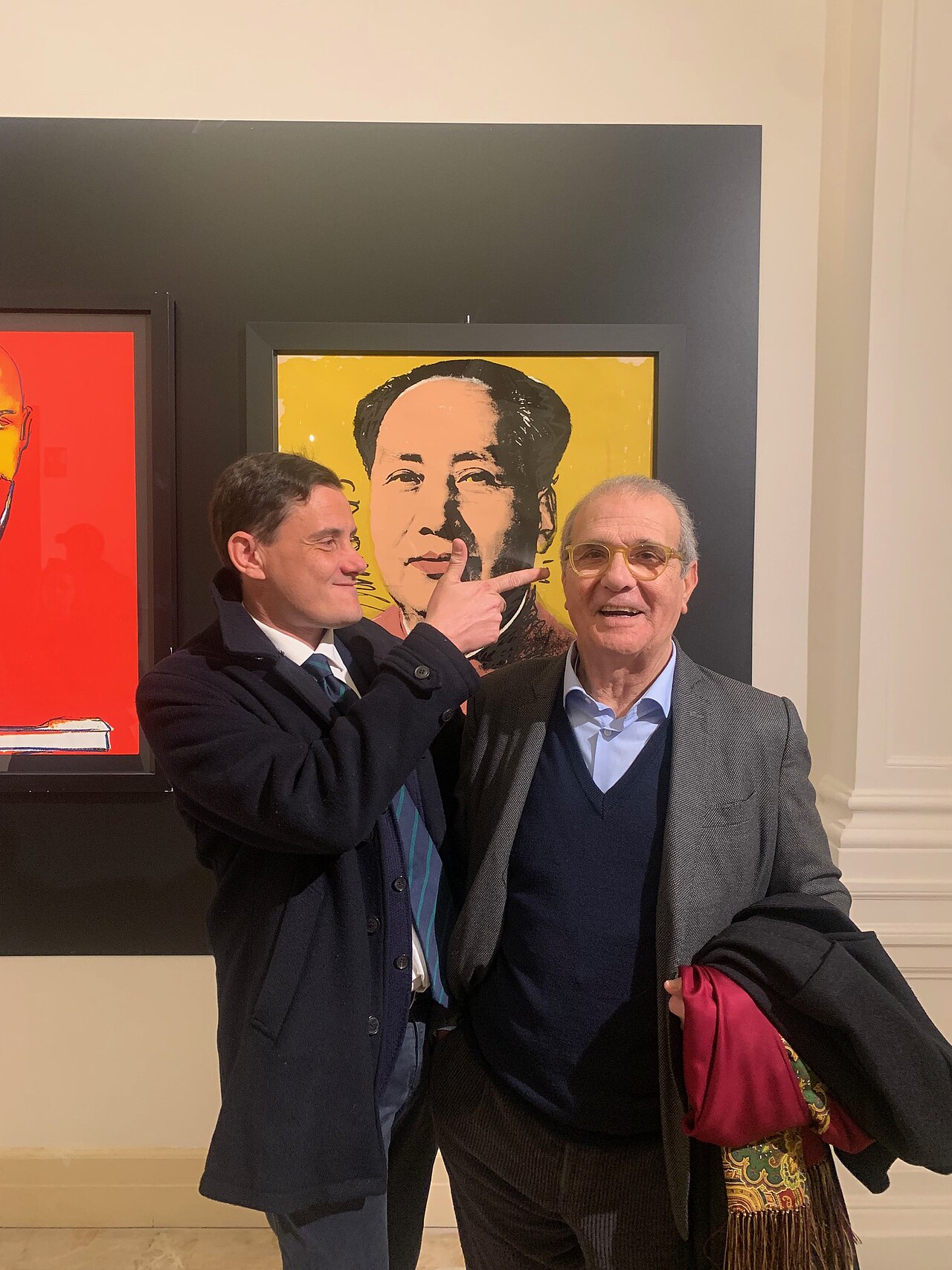
Mao
Andy Warhol · 1972–1973
 Photograph
Primary source
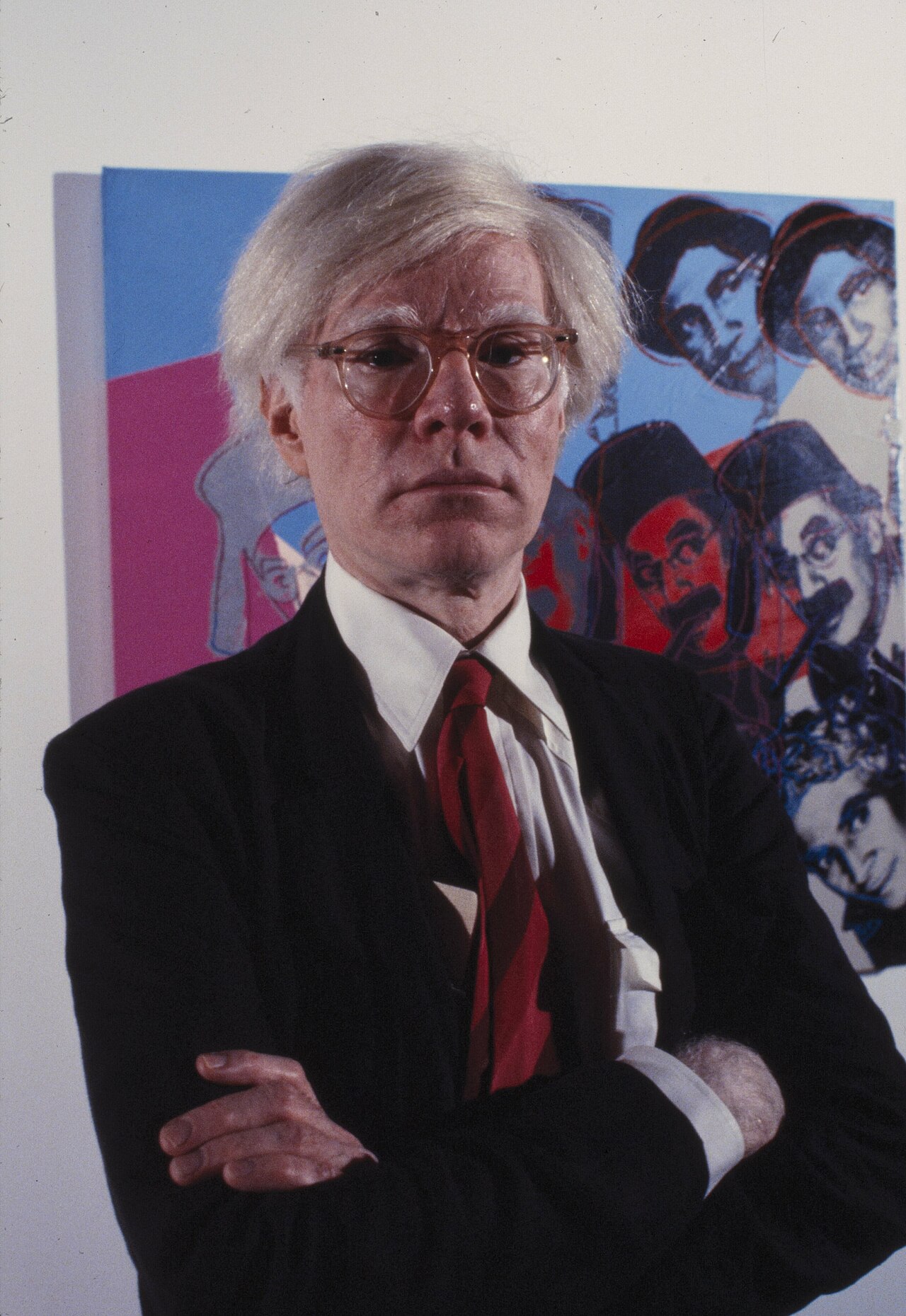
Portrait of Andy Warhol at the Jewish Museum
Bernard Gotfryd
Free account
Read every Andy Warhol source
Sign up free →
Ready when you are
Start chatting with Andy Warhol now.
20 messages free · No credit card · Available in 50+ languages.