


Primary sourceArtifactLondon, 1648
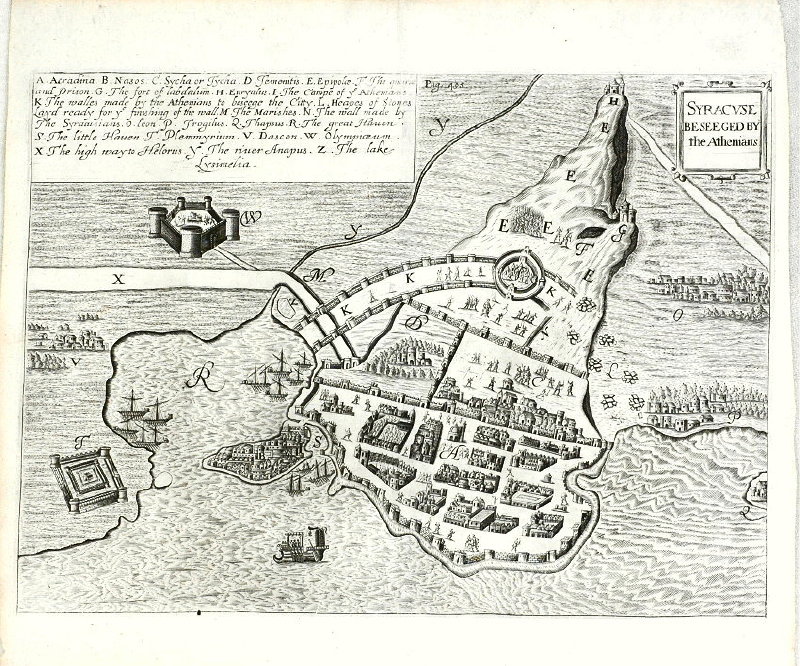
Map of the Siege of Syracuse, from Hobbes's Thucydides
Thomas Hobbes (translator, for the printed volume) · London, 1648
An engraved map of the Siege of Syracuse, printed in Hobbes's 1648 English translation of Thucydides' history.
This map was printed in Hobbes's own translation of Thucydides, showing his scholarly work as a classicist.
About this source
What it is
This engraved map, titled 'Syracuse Beseeged by the Athenians', was printed in 1648 for Thomas Hobbes's translation of Thucydides' Eight Bookes of the Peloponnesian Warre. It shows the ancient city of Syracuse with its harbours, walls, fortifications and ships, along with a key of labels.
Why it matters
Before writing Leviathan, Hobbes worked as a translator of classical texts, including Thucydides' history of the Peloponnesian War. This map illustrates the kind of scholarly, historical work Hobbes produced, showing his engagement with ancient political and military history long before his own political philosophy took shape.
- Why might Hobbes have chosen to translate a history of ancient warfare?
- What can a detailed siege map like this tell us about ancient warfare and city defences?
- How might studying classical history have shaped Hobbes's later ideas about power and conflict?
This artifact is part of the curated material that grounds the AI version of Thomas Hobbes on Humy.ai — when students ask about related events, the AI can quote it and cite it.
More Thomas Hobbes sources
Meet the AI Thomas Hobbes →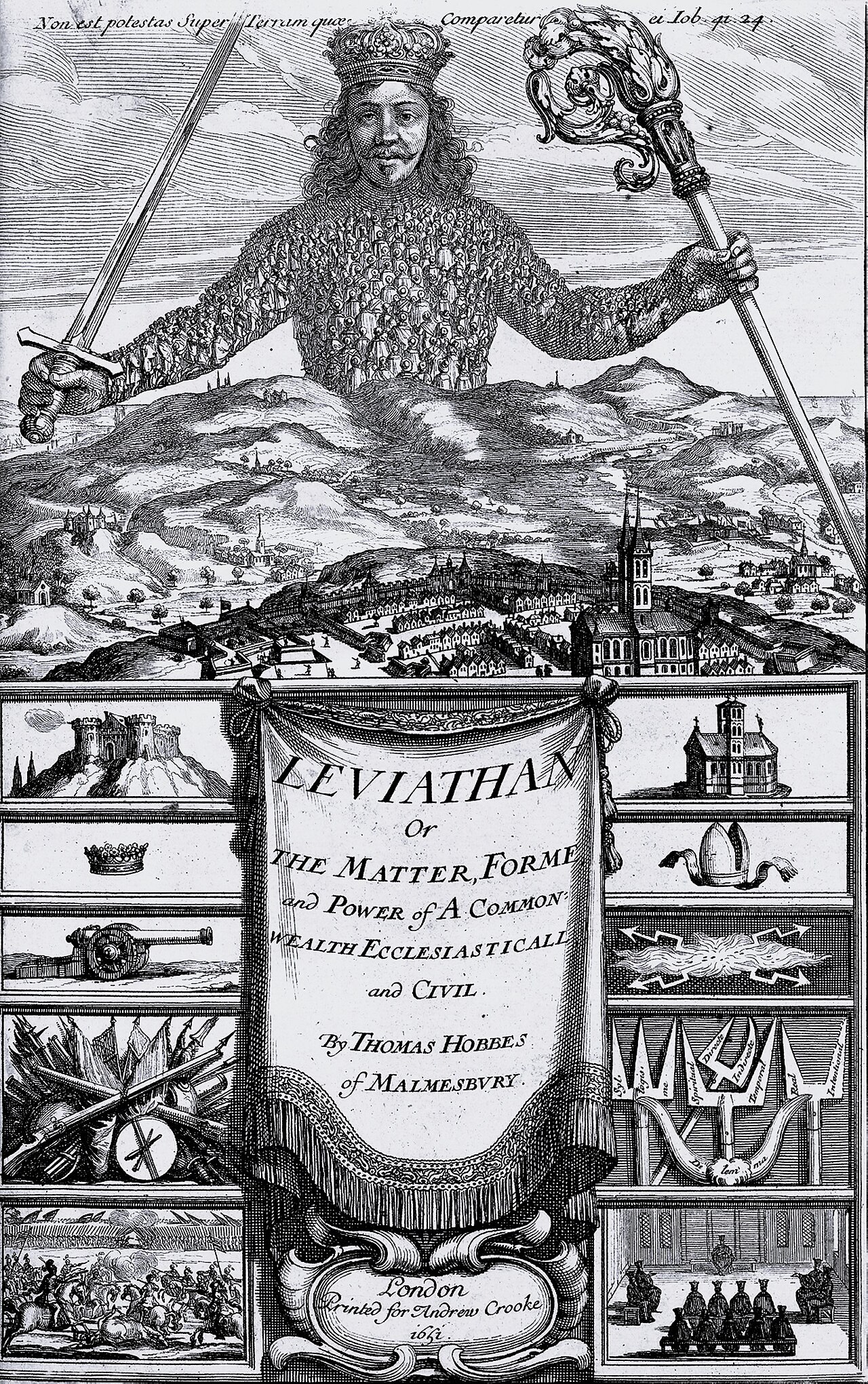 Book
Primary source
Leviathan
Thomas Hobbes · 1651
 Book
Primary source
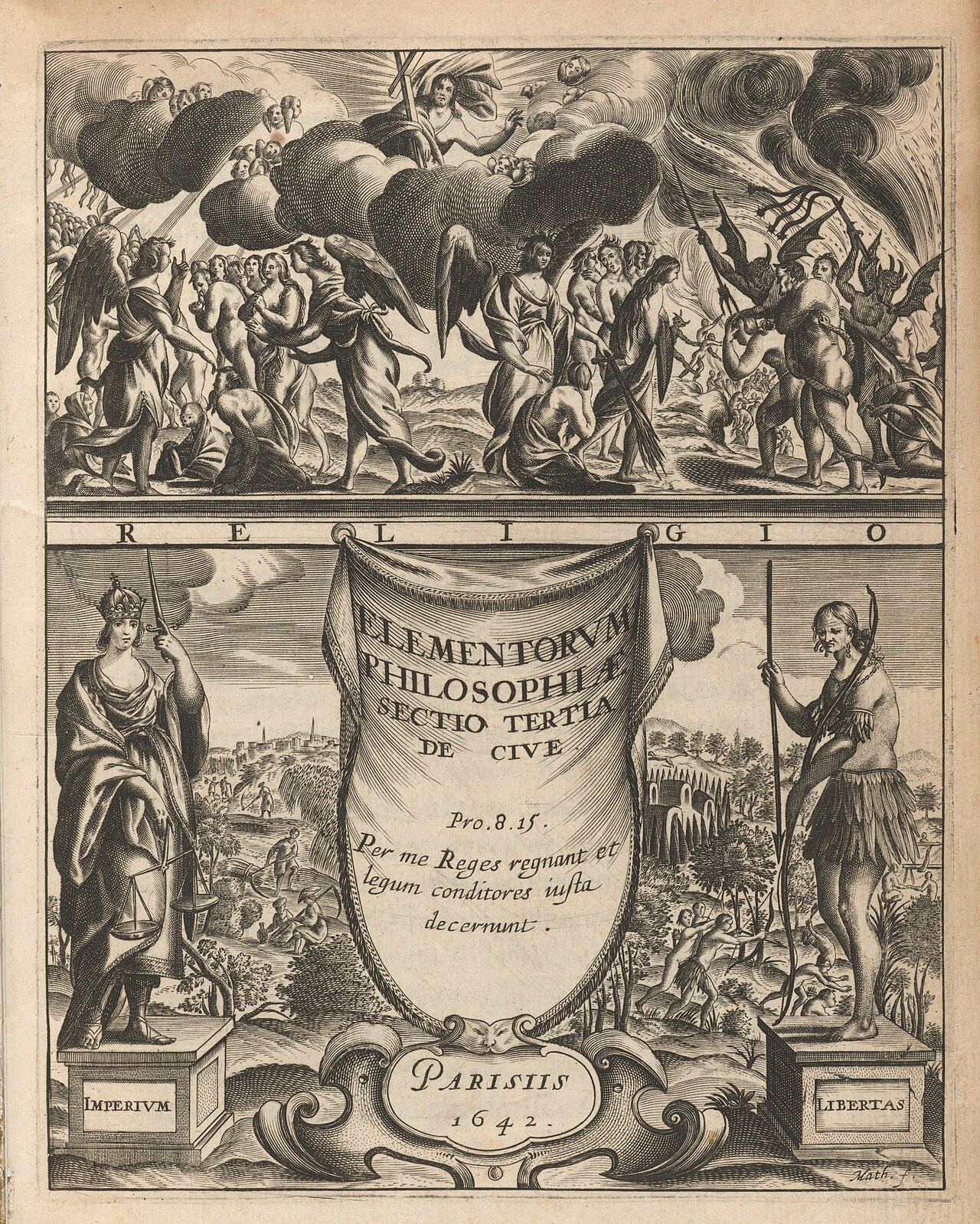
De Cive
Thomas Hobbes · 1642
 Painting
Secondary source
Portrait of Thomas Hobbes, Line Engraving
Primary source
The Elements of Law
Thomas Hobbes · 1640
 Artifact
Secondary source
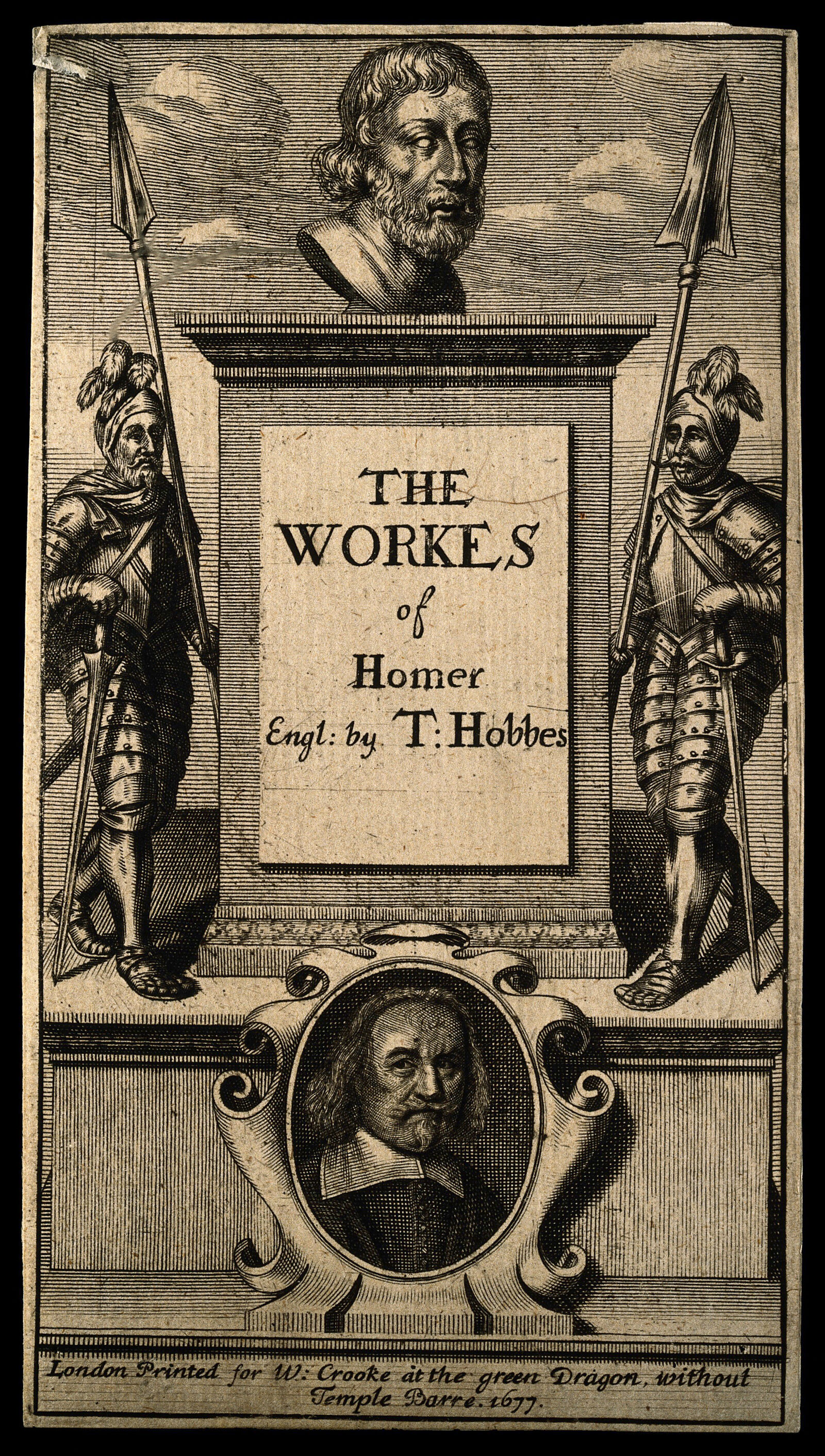
Title Page of The Workes of Homer, Translated by Thomas Hobbes
1677
Ready when you are
Start chatting with Thomas Hobbes now.
20 messages free · No credit card · Available in 50+ languages.