


Primary sourceBook1704
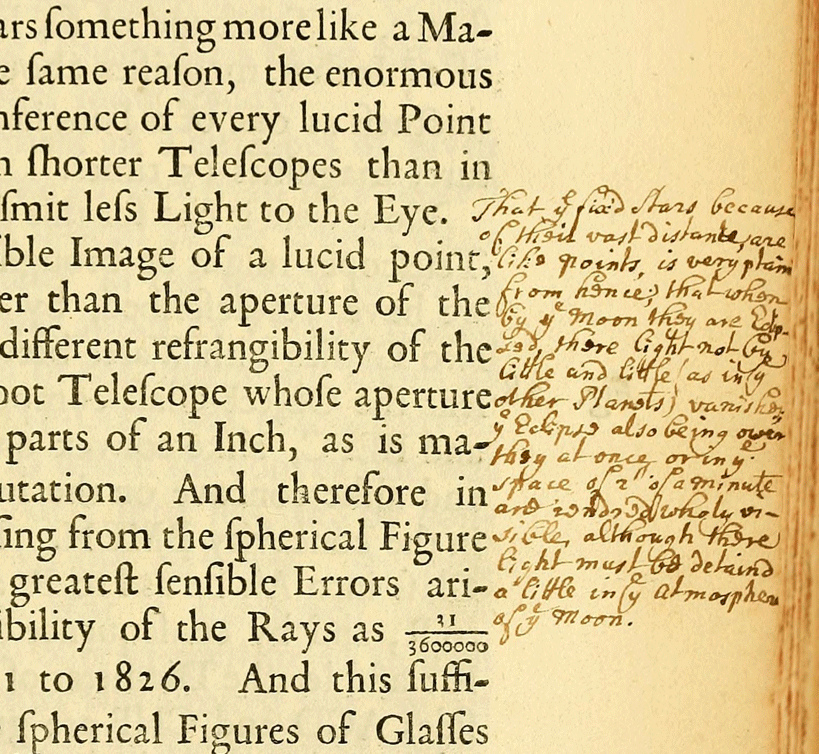
Marginalia in a 1704 Copy of Opticks
Isaac Newton · 1704
Handwritten notes by an early reader in the margin of a 1704 printing of Newton's book Opticks.
This annotated copy of Newton's book Opticks shows how early readers responded to his scientific ideas.
About this source
What it is
This image shows a page from a 1704 printed copy of Isaac Newton's book Opticks, now held at the Boston Public Library, with handwritten notes added in the margin by an early reader. The notes comment on ideas in the text, including remarks about stars appearing as points of light and about the Moon and eclipses.
Why it matters
Opticks was one of Newton's major works, presenting his ideas on light and vision. Marginalia like this show that early readers did not just passively read the book but actively studied, questioned and responded to Newton's arguments, giving a glimpse of how his ideas were received and debated soon after publication.
Look closer
- What can the handwritten notes tell us about how this reader engaged with Newton's ideas?
- Why might marginal notes be useful evidence even though we don't know who wrote them?
- What questions remain unanswered because we don't know the identity of this reader?
This book is part of the curated material that grounds the AI version of Isaac Newton on Humy.ai — when students ask about related events, the AI can quote it and cite it.
More Isaac Newton sources
Meet the AI Isaac Newton →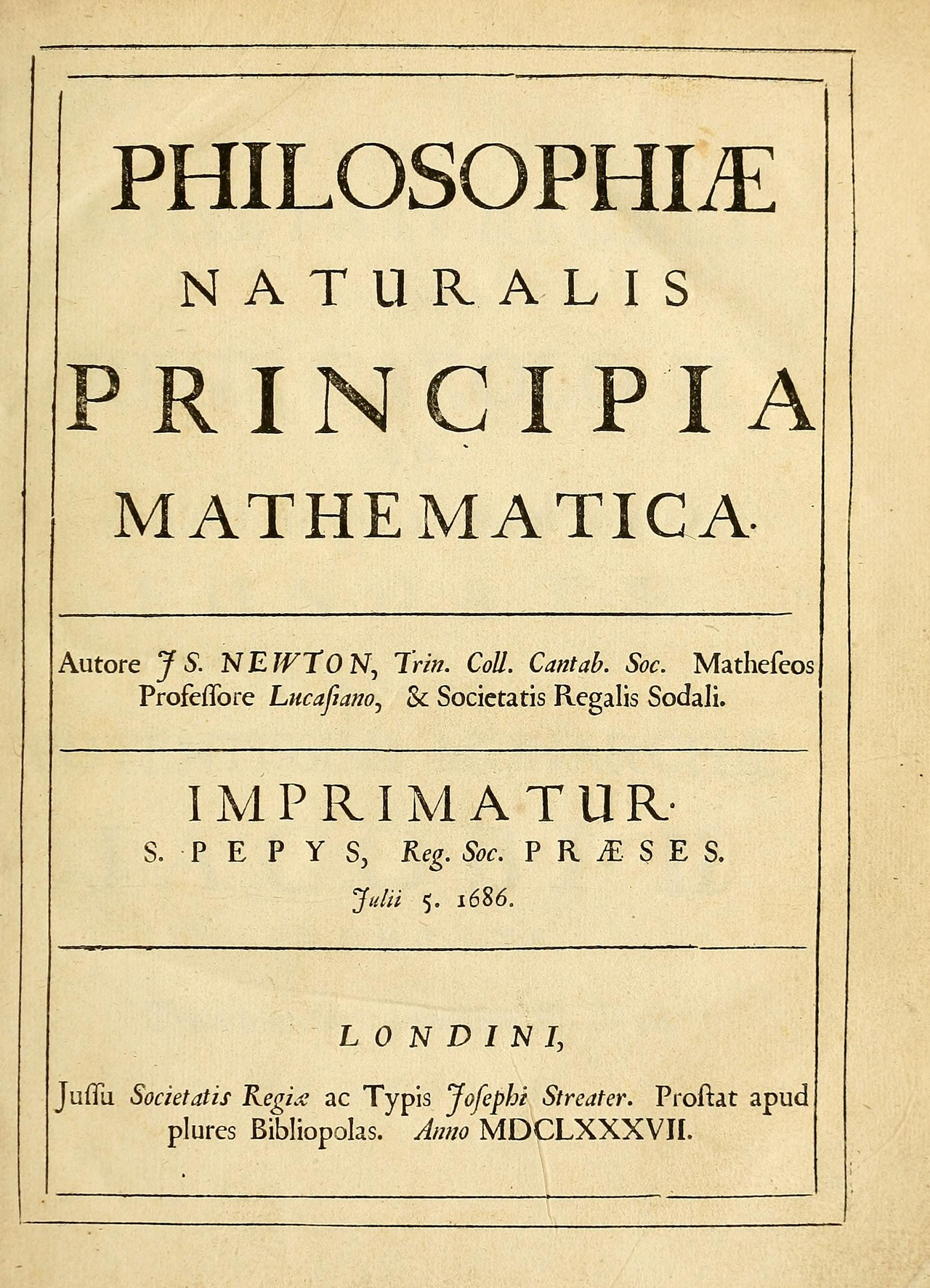 Book
Primary source
Philosophiæ Naturalis Principia Mathematica
Isaac Newton · 1687
 Book
Primary source
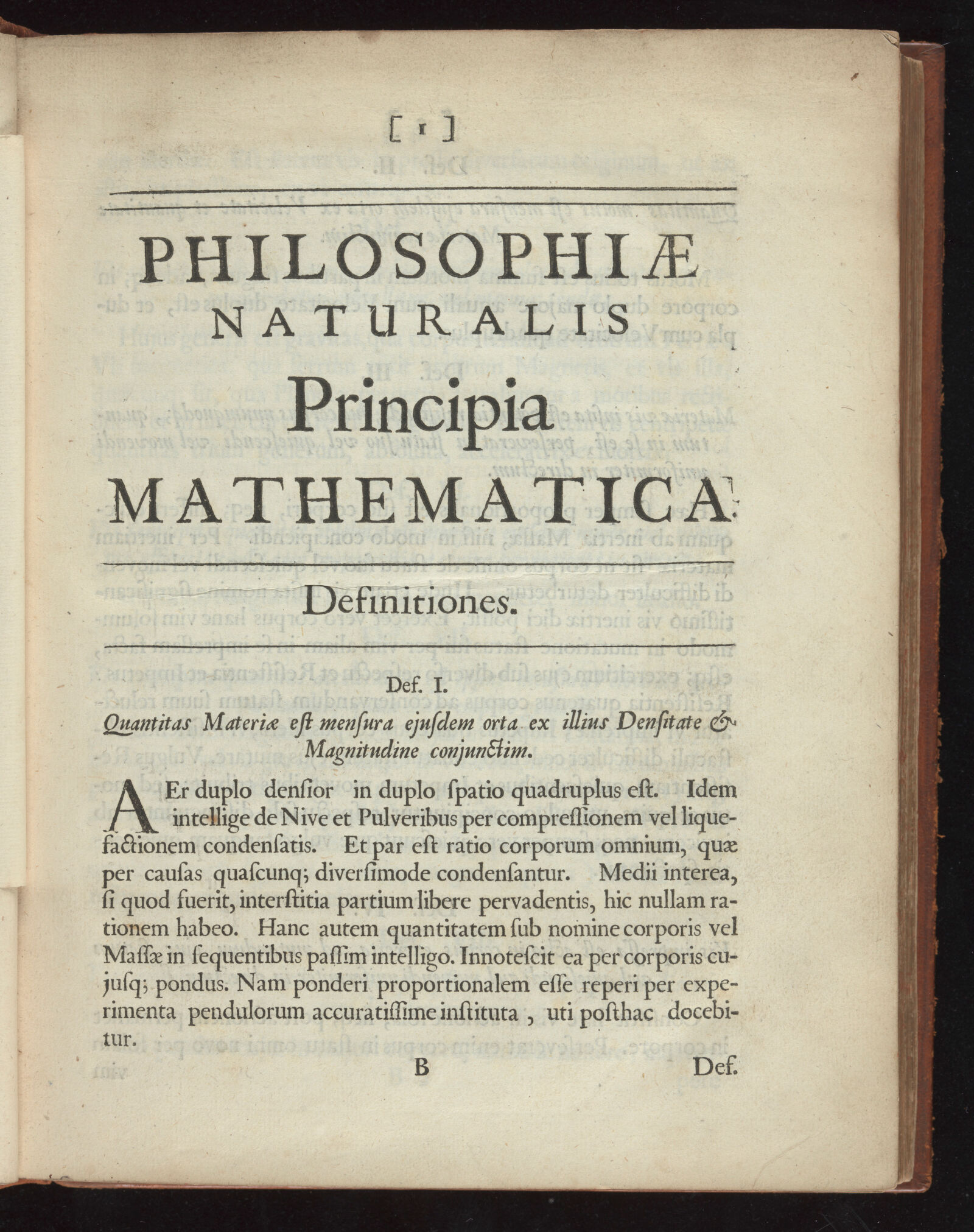
Principia Mathematica, Page 1: Definitions
Isaac Newton · 1687
 Painting
Primary source
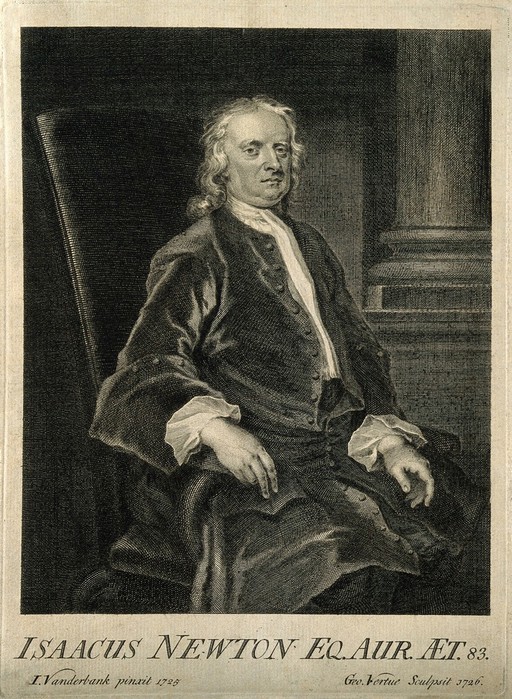
Sir Isaac Newton, line engraving by Vertue, 1726
George Vertue · 1726
 Document
Primary source
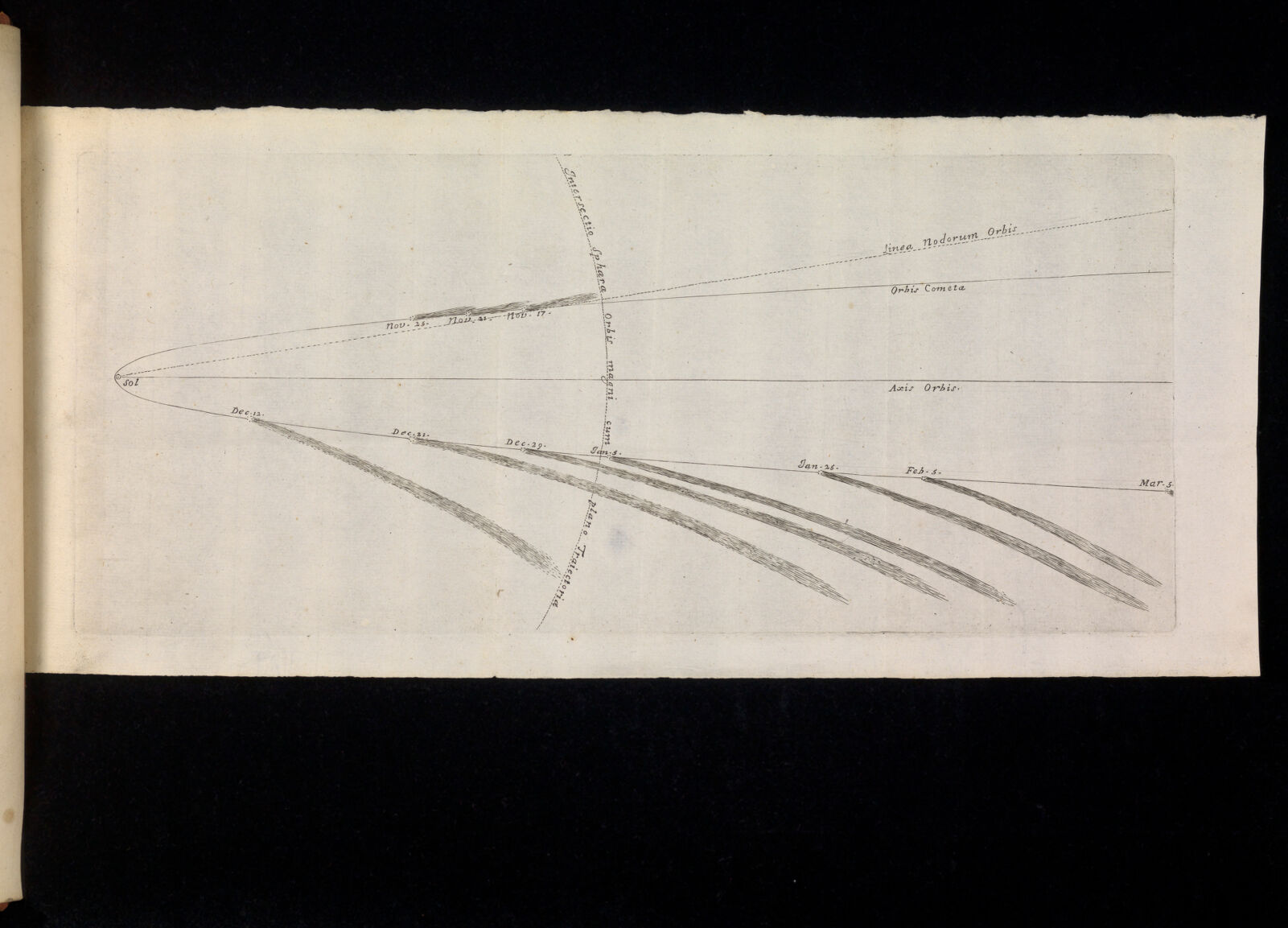
Principia Mathematica, Fold-out Diagram
Isaac Newton · 1687
 Painting
Primary source
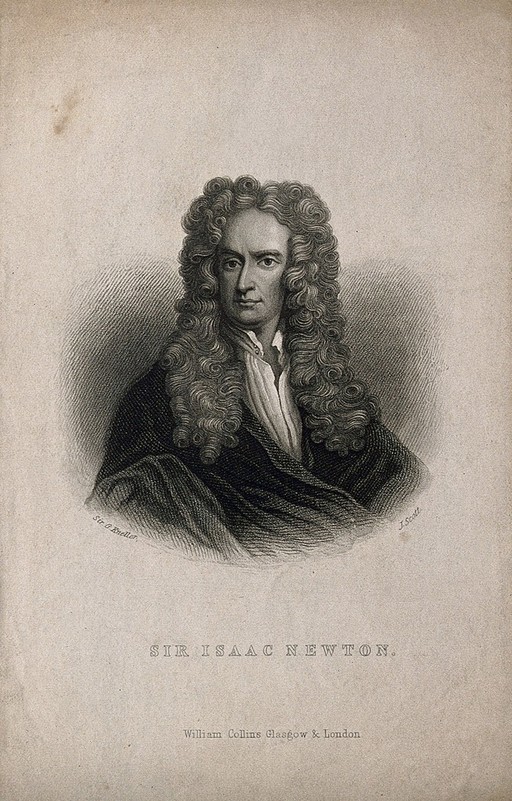
Sir Isaac Newton, stipple engraving by J. Scott after Kneller, 1702
J. Scott, after Sir Godfrey Kneller · 1702 (print made later)
Ready when you are
Start chatting with Isaac Newton now.
20 messages free · No credit card · Available in 50+ languages.