


Secondary sourcePainting1625-1650
Martin Luther in the Circle of Reformers
1625-1650
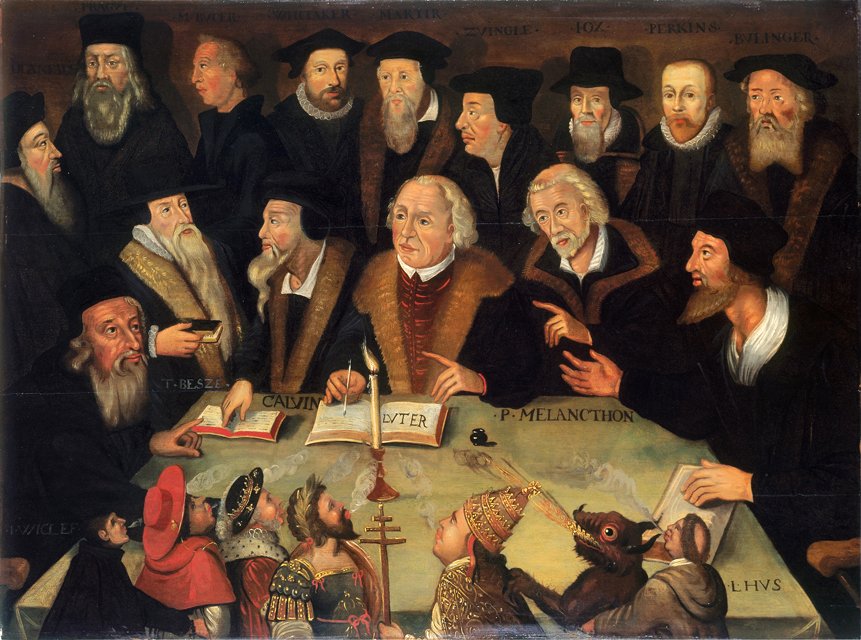
A 17th-century group portrait placing Hus among Luther, Calvin and Melanchthon, with anti-Catholic figures shown beneath the table.
A group portrait of Protestant reformers that includes a labeled book referencing Hus, grouping him with later Protestant leaders.
About this source
What it is
This painting, made between 1625 and 1650 by an unnamed German painter, shows a group of bearded Protestant reformers and theologians seated around a table with open books and a lit candle. Labels identify Calvin, Luther and Melanchthon, and a book labeled 'L HUS' appears near a bearded figure. It is held by the Deutsches Historisches Museum.
Why it matters
By including Hus's name among later reformers like Luther, Calvin and Melanchthon, the painting presents Hus as part of one continuous Protestant tradition, even though he lived and died over a century before them. Figures representing Catholic authority and a devil appear beneath the table, showing the painting's strongly anti-Catholic viewpoint.
Look closer
- Why might the painter want to show Hus alongside Luther, Calvin and Melanchthon as if they belonged together?
- What is the effect of placing Catholic figures and a devil beneath the table rather than at it?
- What does this painting tell us about how one religious group portrayed its rivals?
This painting is part of the curated material that grounds the AI version of Jan Hus on Humy.ai — when students ask about related events, the AI can quote it and cite it.
More Jan Hus sources
Meet the AI Jan Hus →Primary source
Appeal to Jesus Christ
Jan Hus · 1412
Primary source
Safe Conduct to John Huss
Sigismund
 Document
Primary source
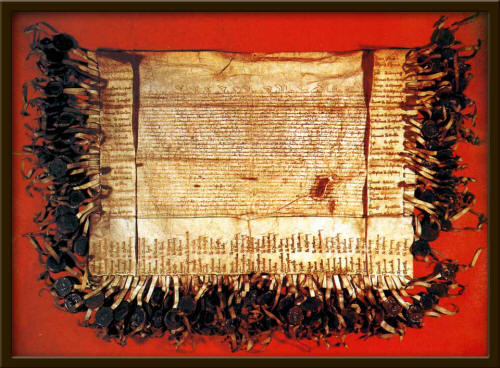
Letter of Complaint Against the Burning of Jan Hus
1415
 Artifact
Primary source
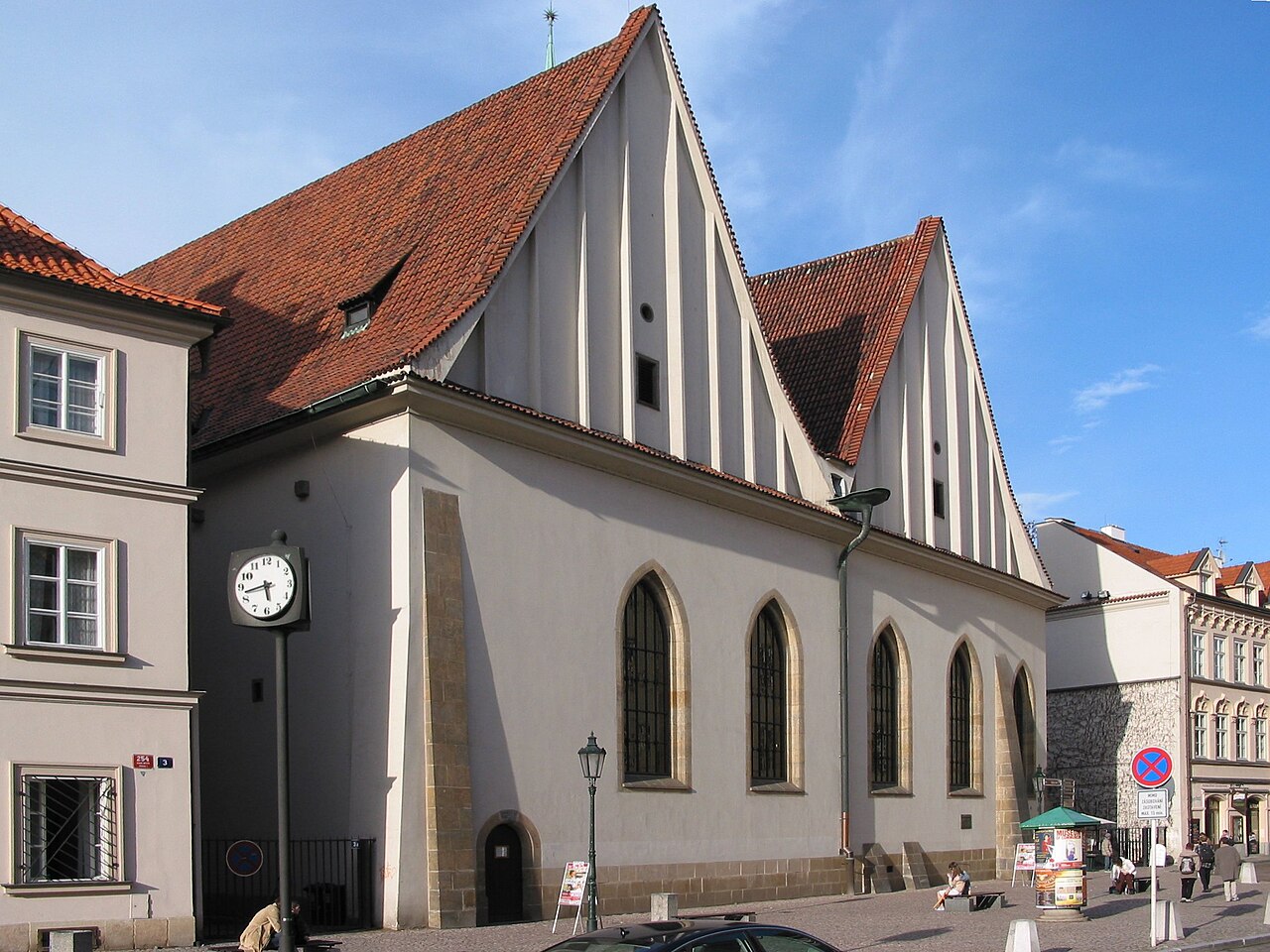
Bethlehem Chapel
founded 1391
 Document
Primary source
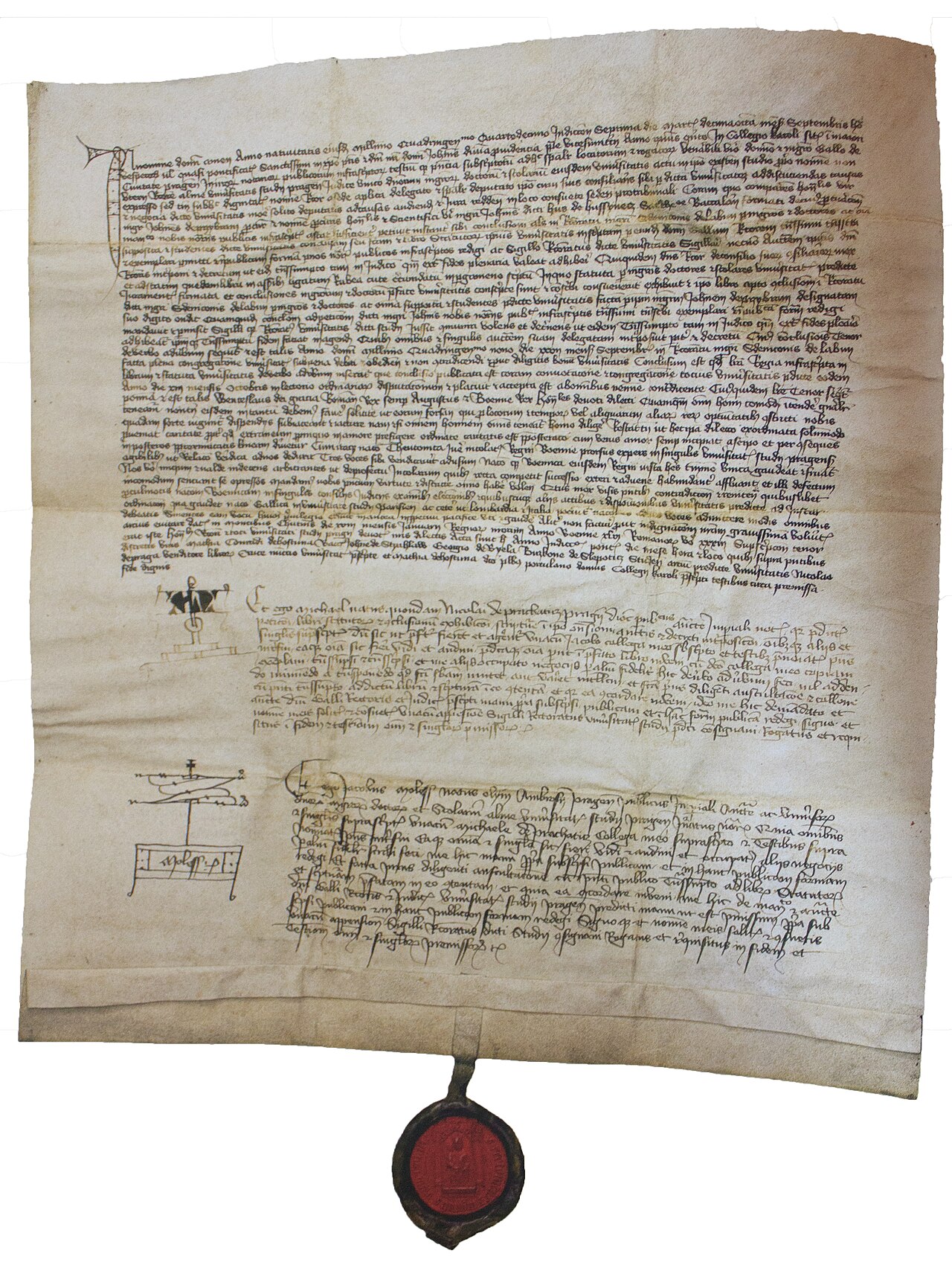
Decree of Kutná Hora
Wenceslaus IV of Bohemia · 18 January 1409
Ready when you are
Start chatting with Jan Hus now.
20 messages free · No credit card · Available in 50+ languages.