


Secondary sourceSculpture
Mausoleo José de San Martín
Marco Antonio Correa Flores
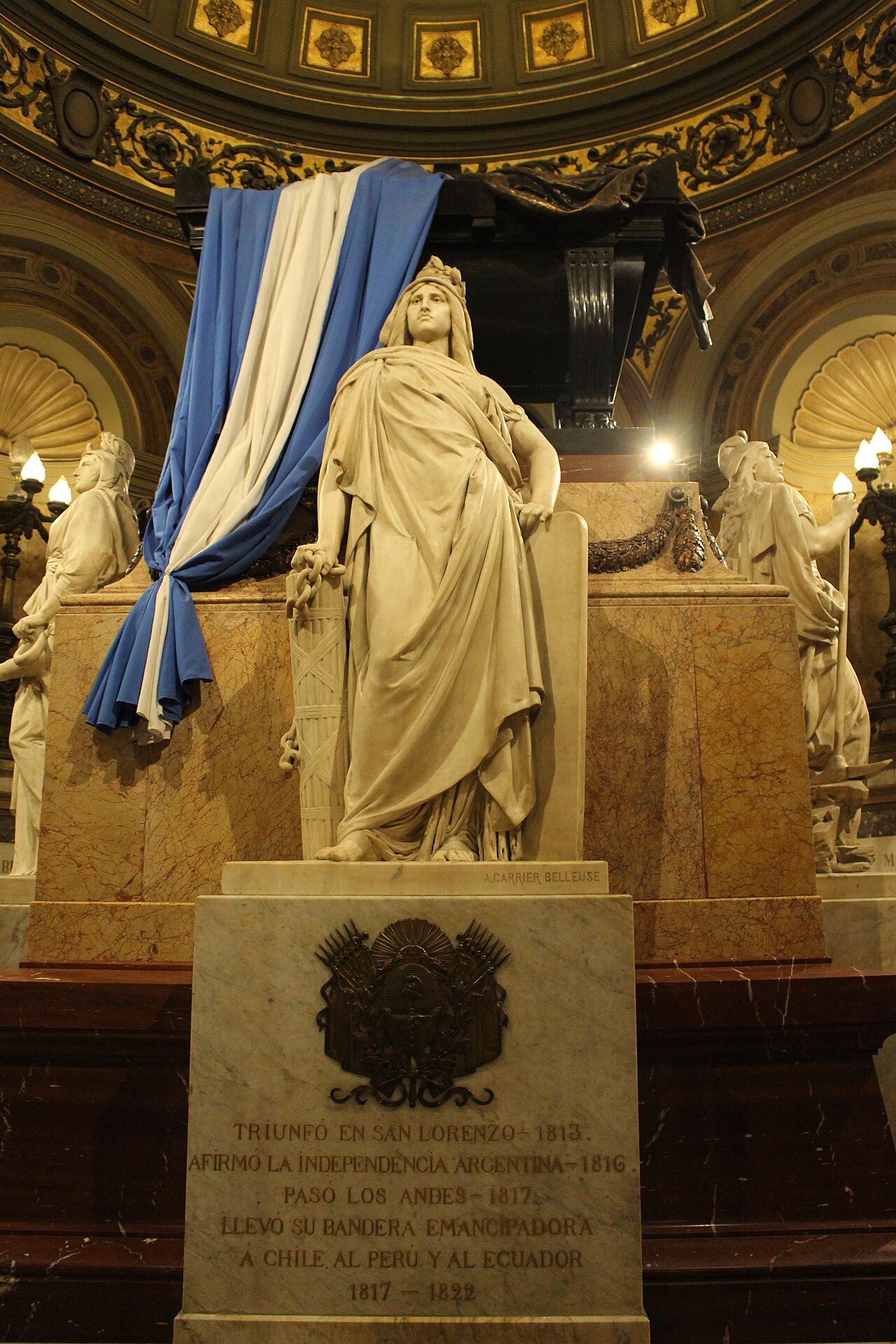
The tomb of José de San Martín inside Buenos Aires Cathedral, completed when his remains were brought back to Argentina.
San Martín's tomb, fulfilling his own wish, completed when his remains were repatriated to Argentina in 1880.
About this source
What it is
This mausoleum holds the remains of José de San Martín inside the Buenos Aires Cathedral. It features a white marble statue of a robed, crowned female figure before the tomb, which is draped with the Argentine flag, and an inscription listing his military campaigns.
Why it matters
The mausoleum was completed with the repatriation of San Martín's remains in 1880, fulfilling a wish he had expressed in his will. It reflects how, decades after his death, Argentina chose to honor him as a founding national hero, bringing his body home from exile to a place of lasting public memory.
Look closer
- Why might it have mattered so much to a nation to bring a hero's remains home decades after his death?
- What does the choice to list his military campaigns on the tomb suggest about how he was meant to be remembered?
- What do the symbols and figures around the tomb add to the message of the monument?
This sculpture is part of the curated material that grounds the AI version of José de San Martín on Humy.ai — when students ask about related events, the AI can quote it and cite it.
More José de San Martín sources
Meet the AI José de San Martín →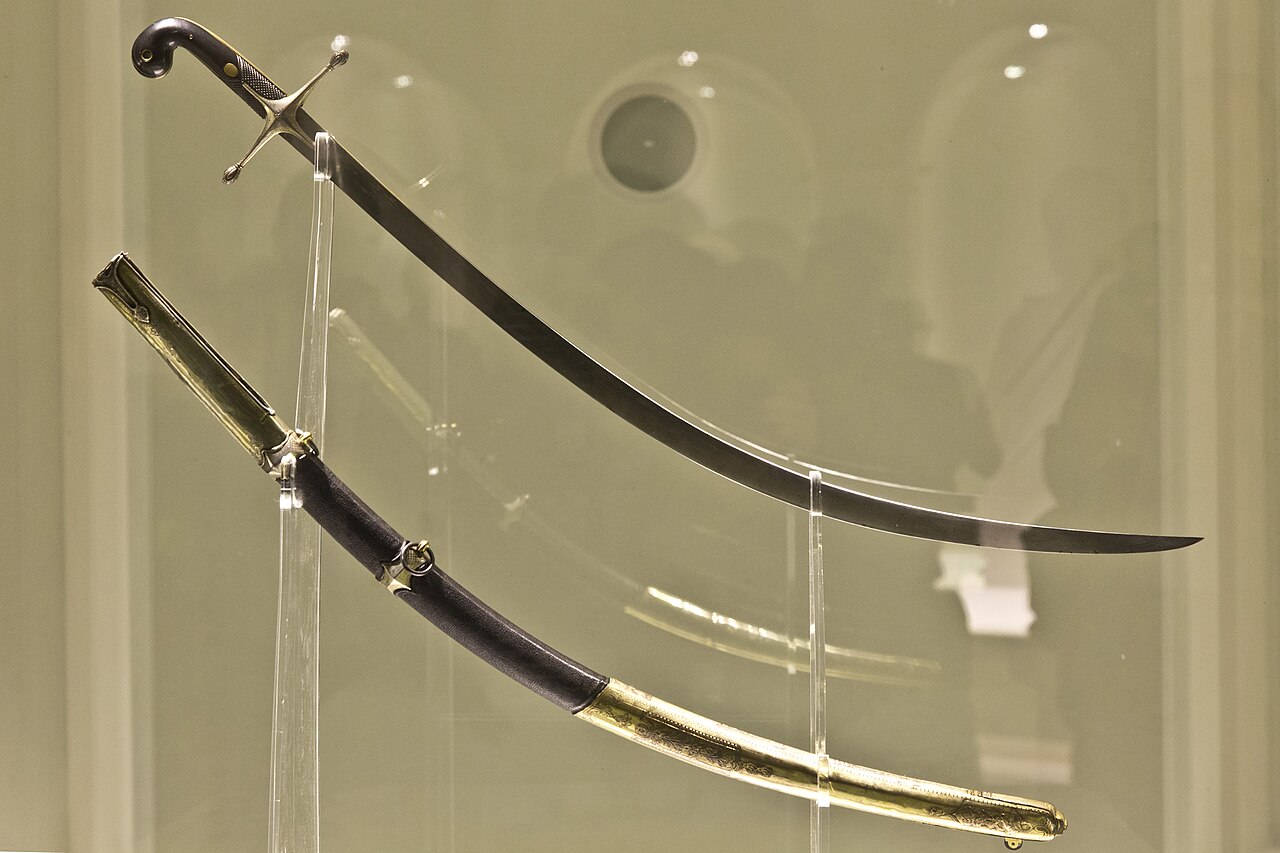 Artifact
Primary source
Curved Saber of San Martín
early 19th century
 Letter
Primary source
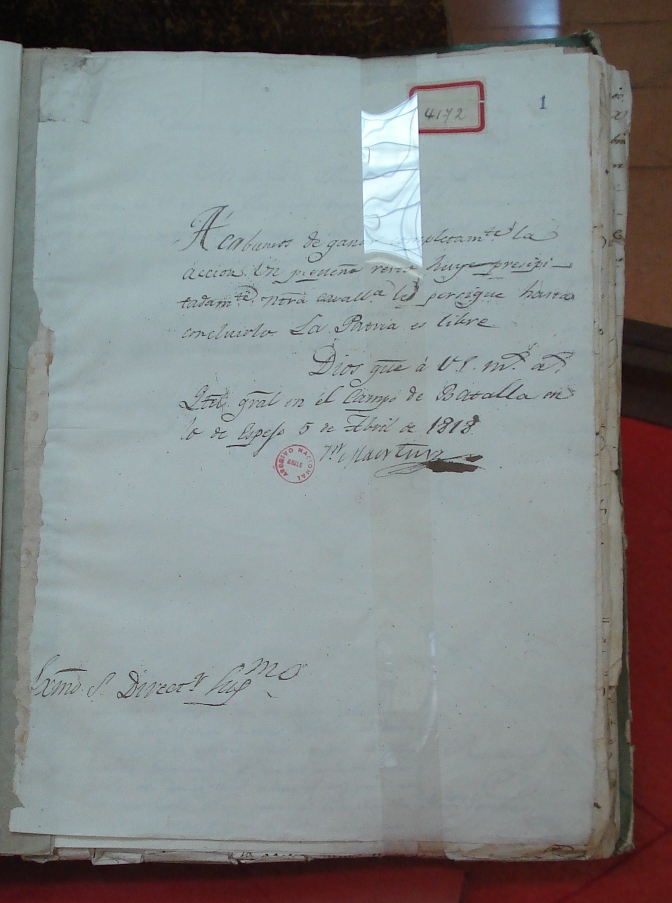
Letter to Bernardo O'Higgins Announcing the Victory at Maipú
José de San Martín · 5 April 1818
 Document
Primary source
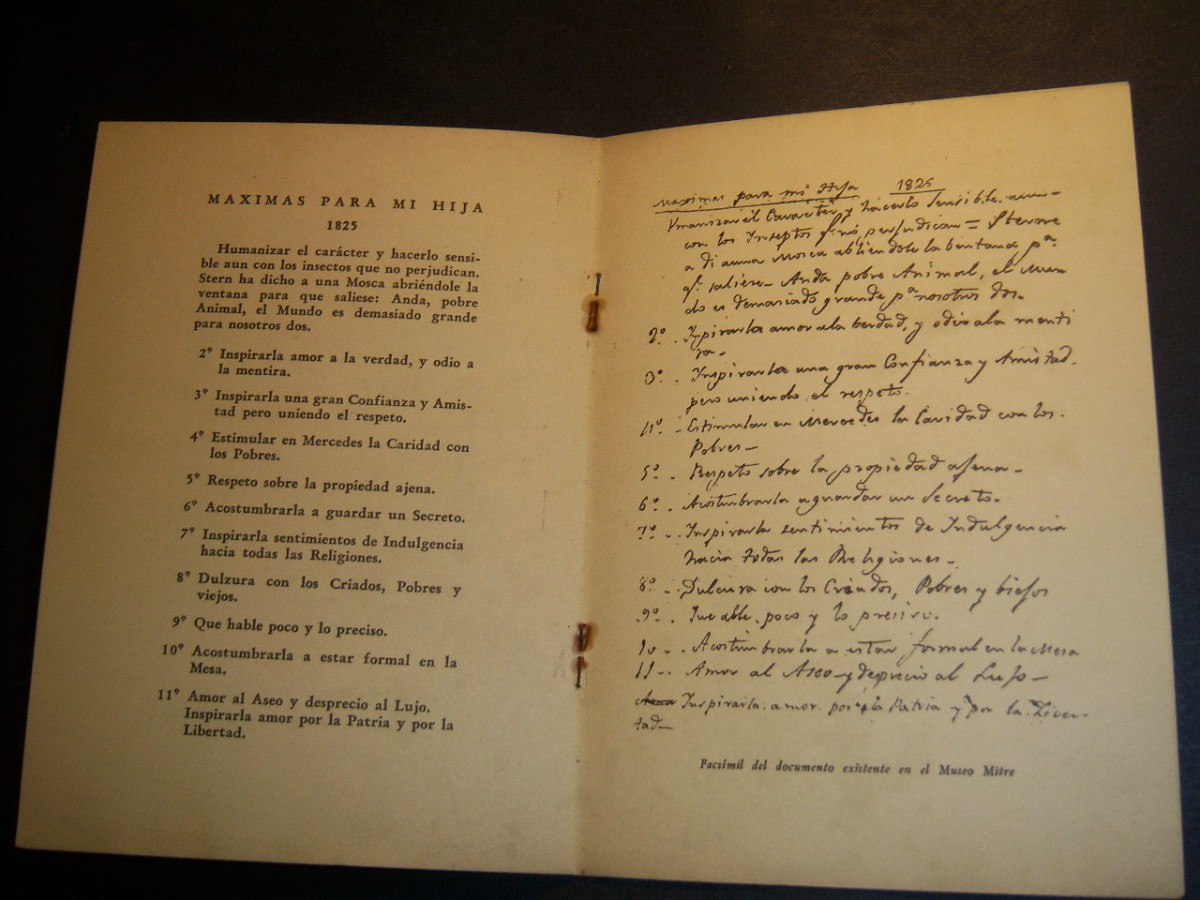
Máximas para mi Hija
José de San Martín · 1825
 Document
Primary source
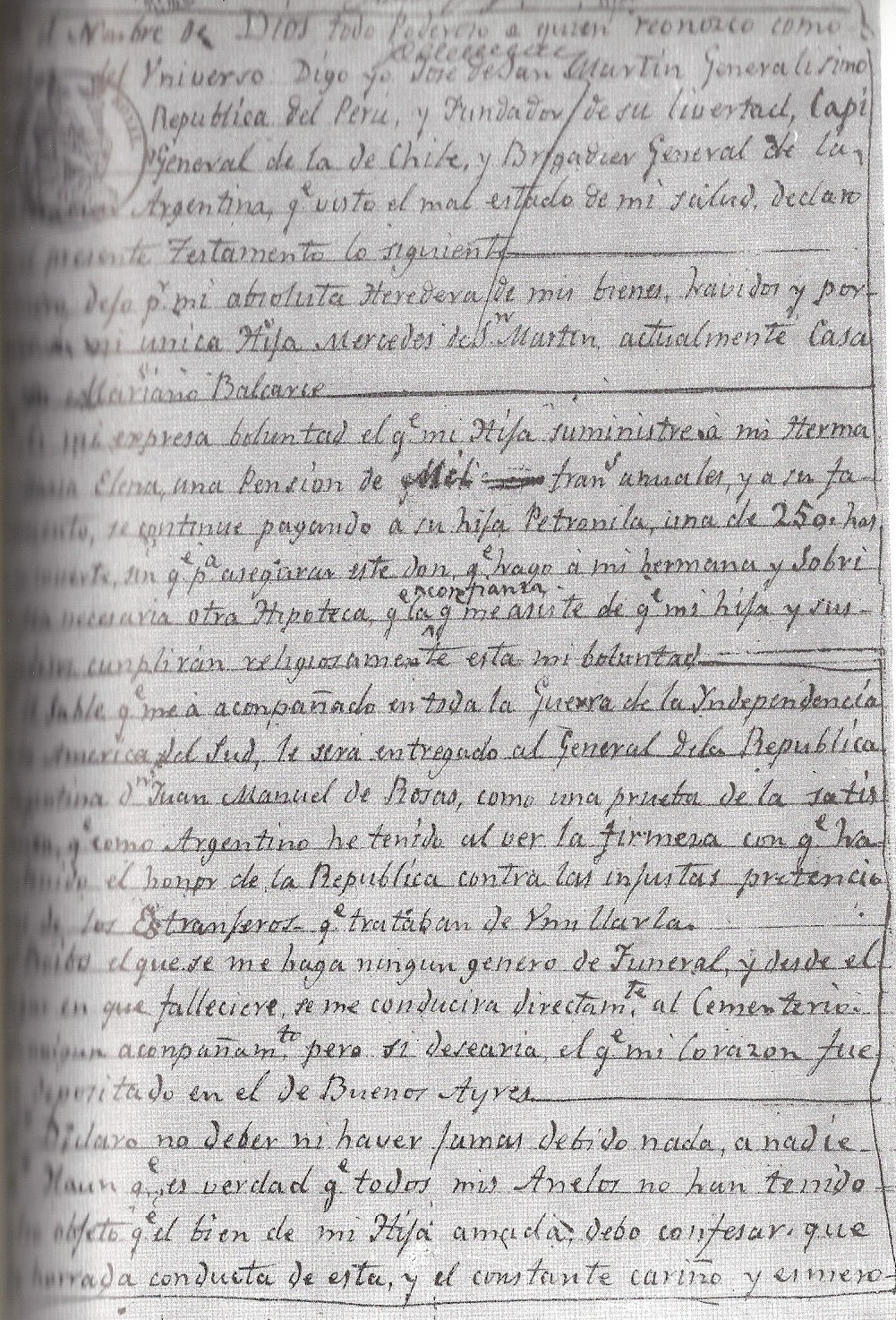
Testamento de San Martín
José de San Martín · 1844
 Painting
Primary source
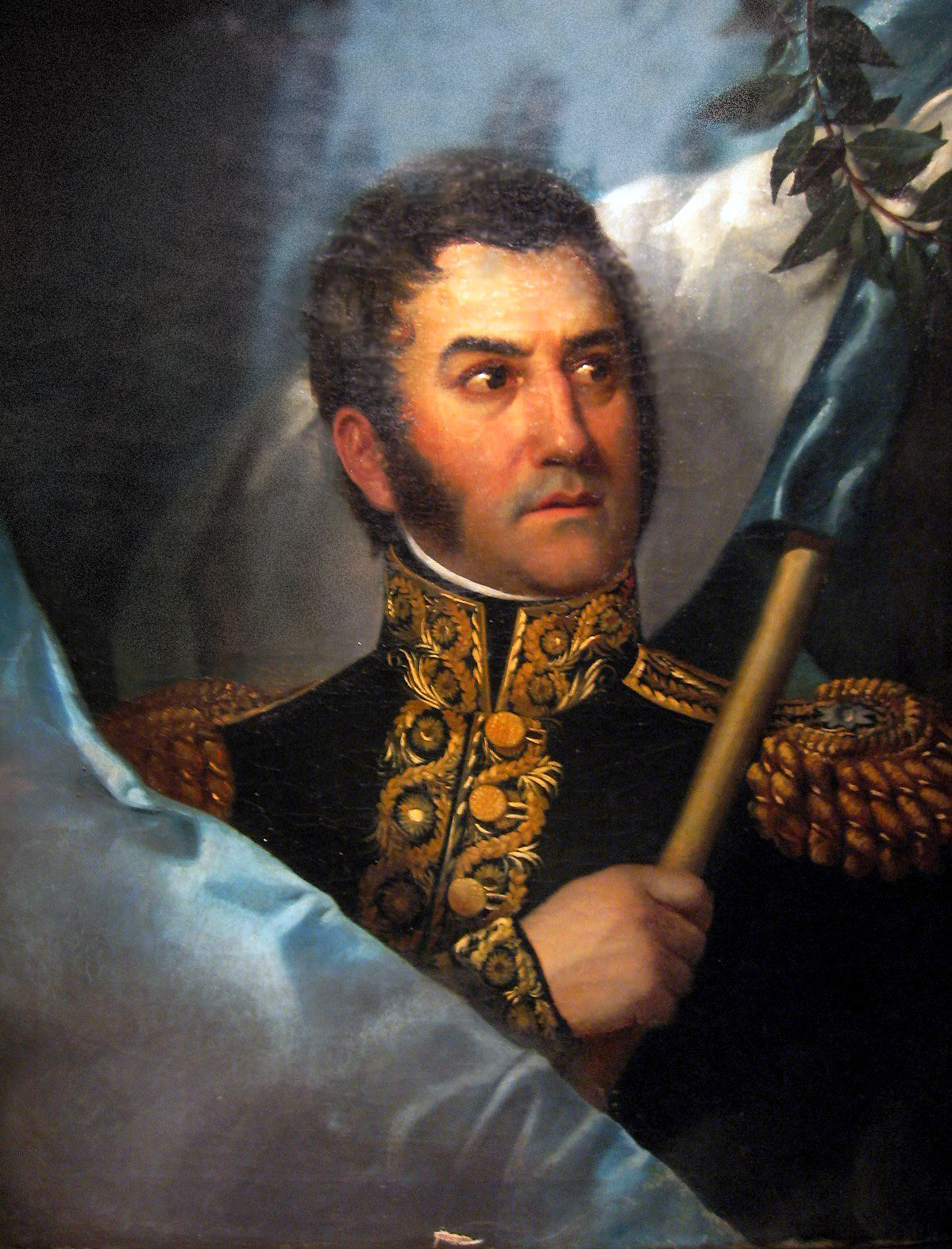
Portrait of José de San Martín
c. 1828
Ready when you are
Start chatting with José de San Martín now.
20 messages free · No credit card · Available in 50+ languages.