


Primary sourceDocumentbefore 168 BCE
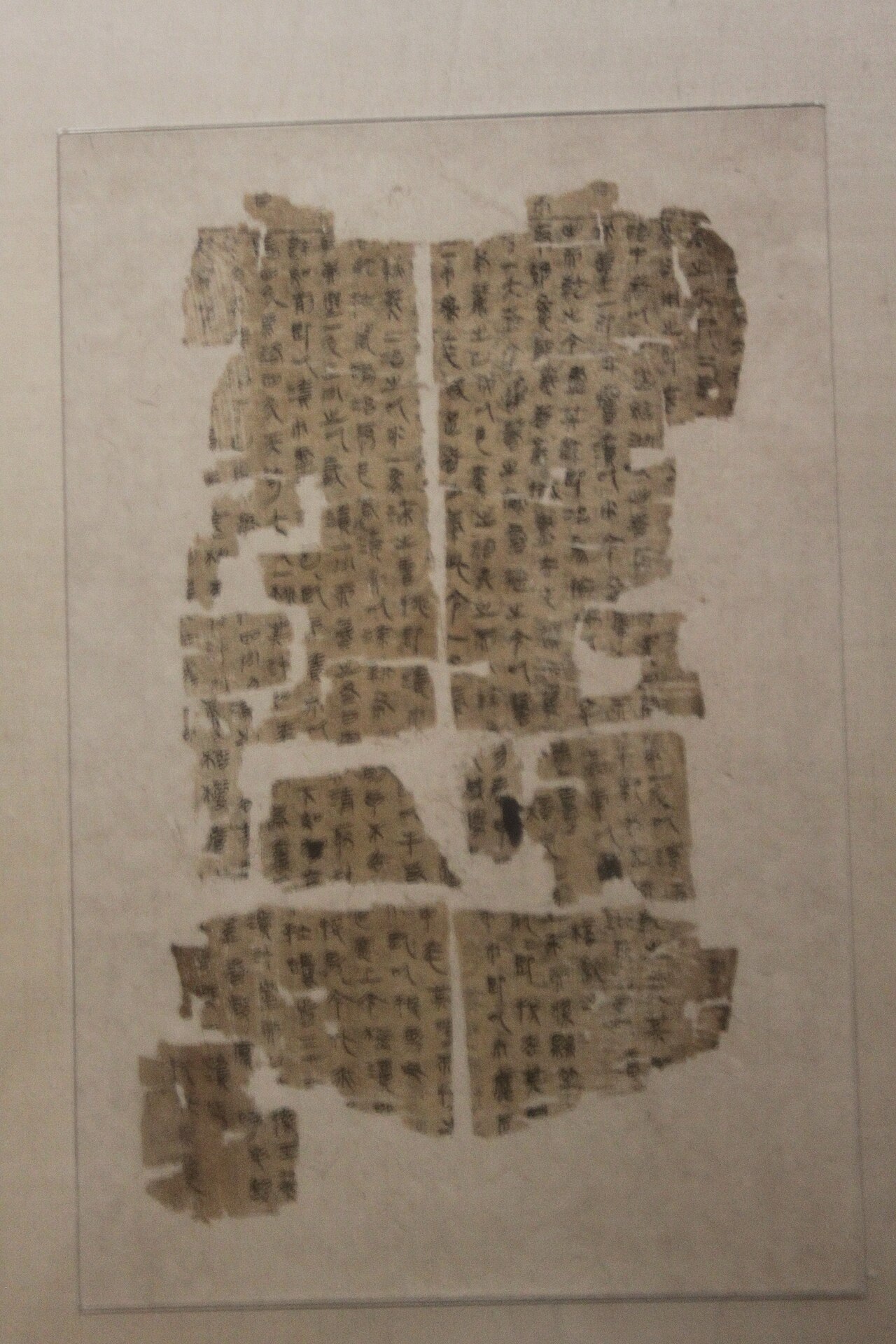
Mawangdui Silk Texts
Western Han scribes · before 168 BCE
Western Han silk manuscripts from the tomb of an early Han official's family, showing the intellectual culture of the dynasty Gaozu founded.
These manuscripts from an early Han official's tomb reflect the intellectual world of the dynasty Gaozu founded.
About this source
What it is
These manuscripts, written on silk by Western Han scribes before 168 BCE, were found in the tomb complex of the family of Li Cang, an official of the early Han dynasty. They are now held at the Hunan Museum.
Why it matters
The texts give direct evidence of the ideas, beliefs and learning circulating in the court and officialdom of the Han dynasty that Gaozu founded. As writings from an official's own family tomb, they offer a rare, firsthand window into early Han intellectual life, rather than a later retelling.
Look closer
- What does the damaged, fragmentary state of the manuscript tell you about how old documents survive?
- Why might a family bury written texts with their dead?
- What might these texts reveal about early Han society that a later history book could not?
This document is part of the curated material that grounds the AI version of Liu Bang (Gaozu of Han) on Humy.ai — when students ask about related events, the AI can quote it and cite it.
More Liu Bang (Gaozu of Han) sources
Meet the AI Liu Bang (Gaozu of Han) →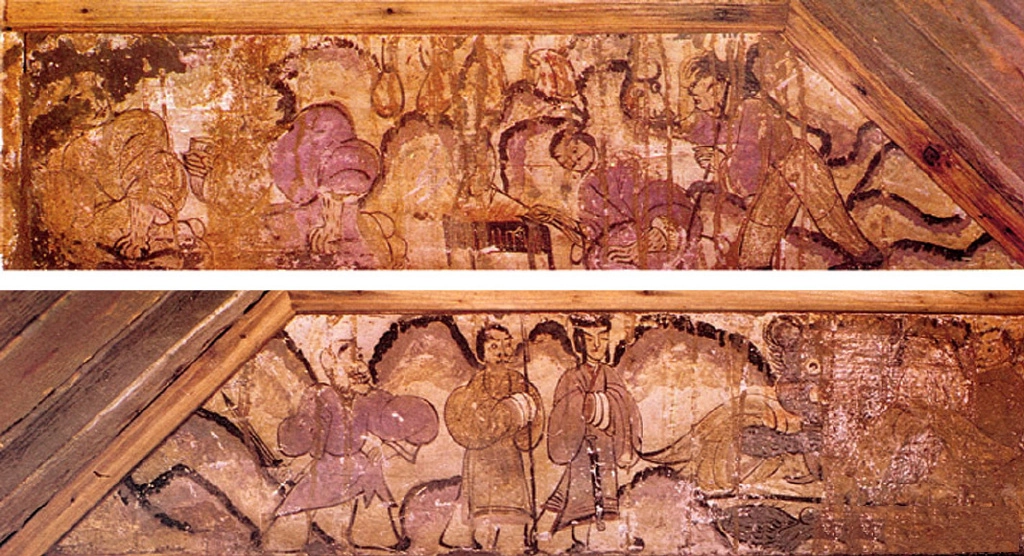 Painting
Secondary source
Feast at Hong Gate
Sima Qian (text); unknown painter (mural) · 206 BCE (event); mural Western Han period
 Book
Secondary source
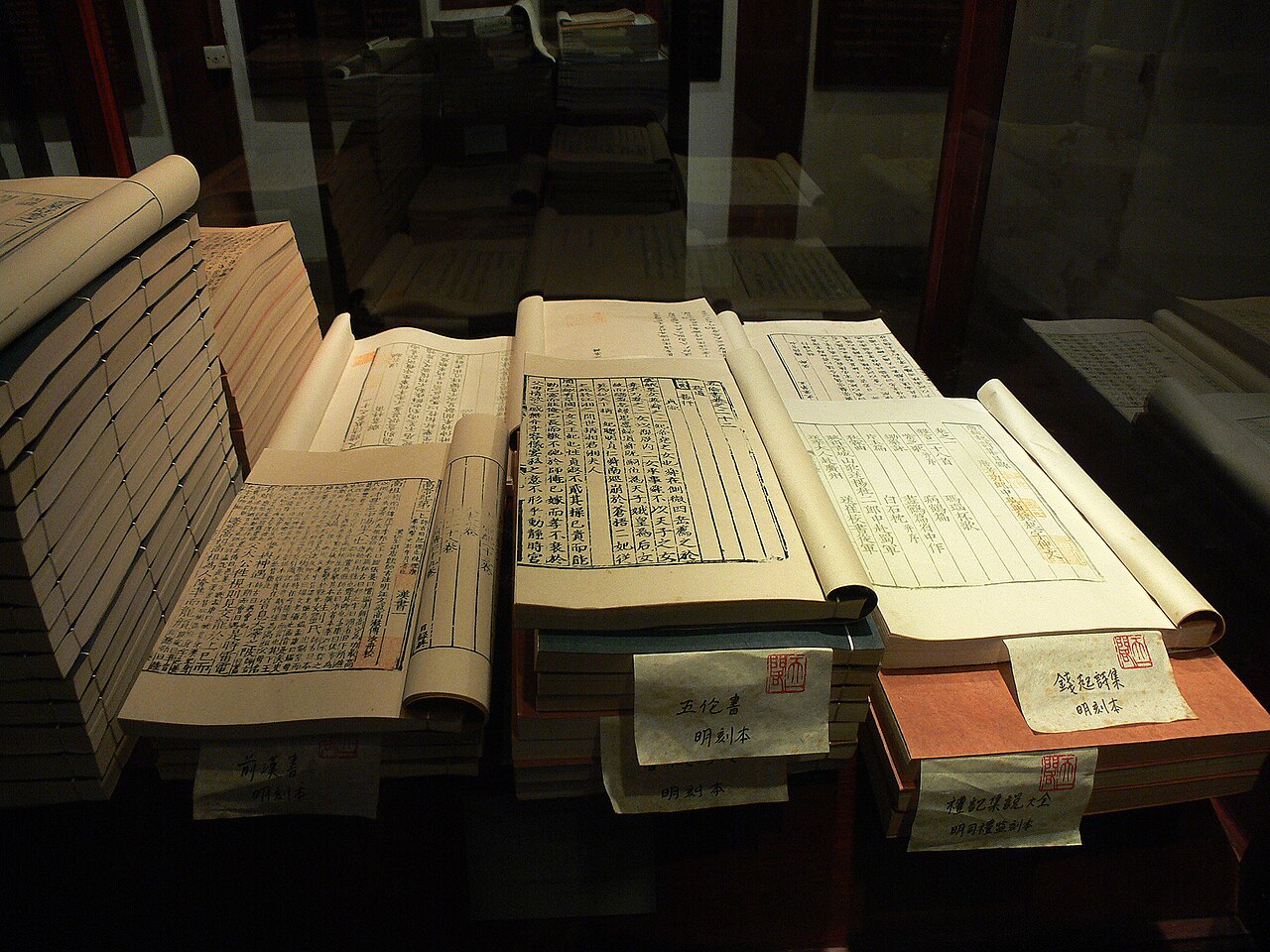
Book of Han
Ban Gu (with Ban Zhao and Ban Biao) · finished 111 CE
 Artifact
Primary source
Changling Mausoleum of Emperor Gaozu
Han imperial court · c. 202–195 BC
 Document
Primary source
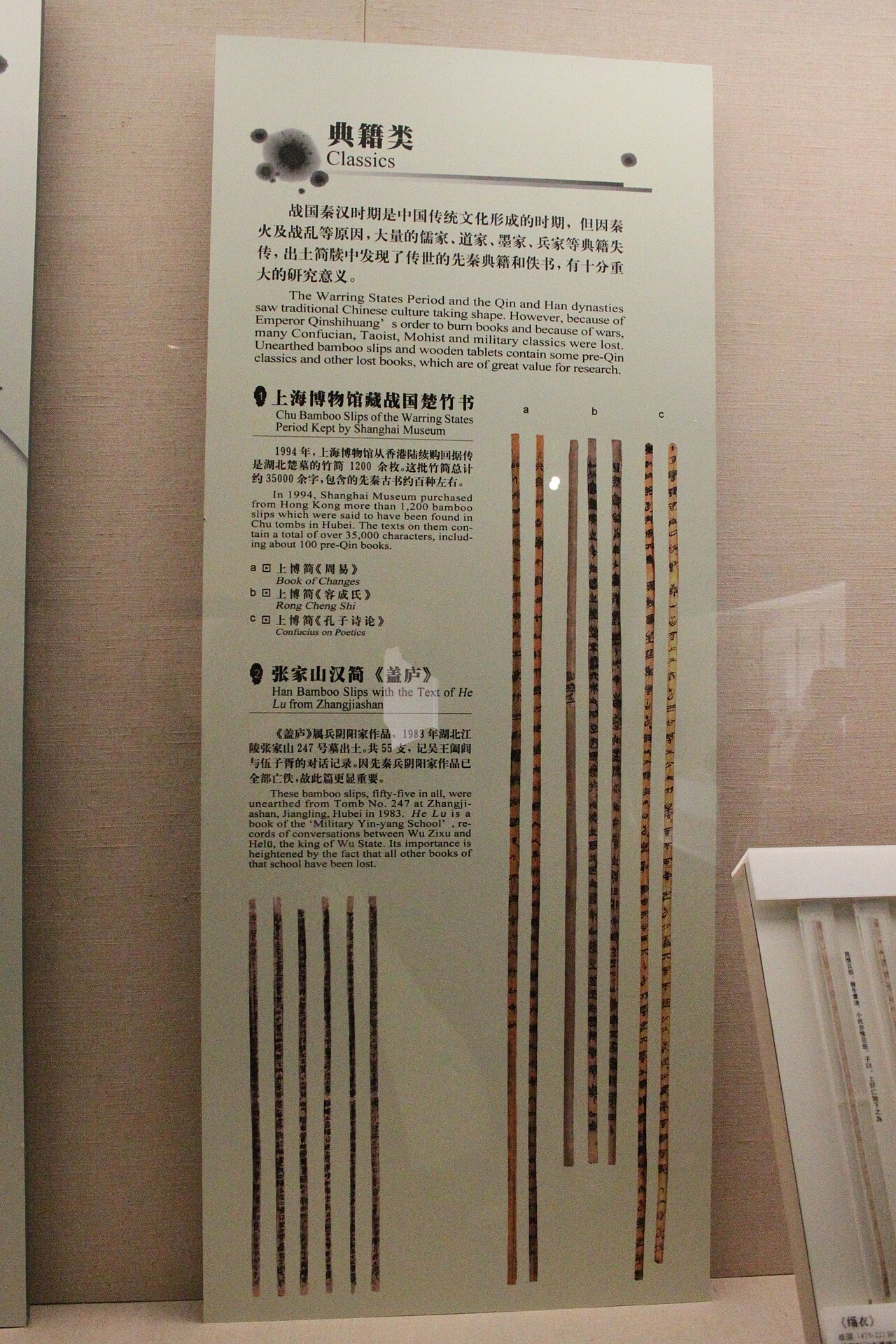
Zhangjiashan Han bamboo texts
Western Han officials · c. 202–186 BCE
 Artifact
Primary source
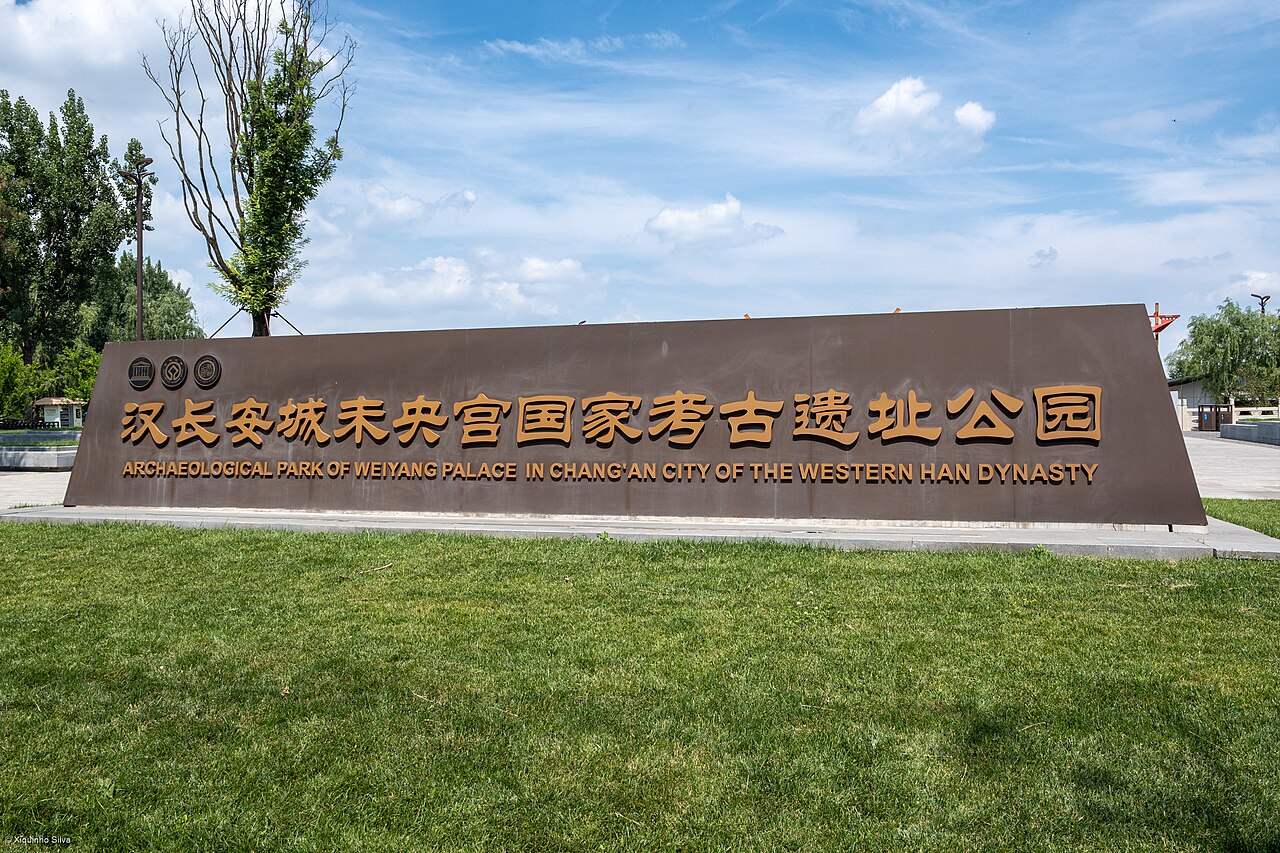
Weiyang Palace
Xiao He for Emperor Gaozu · 200 BC
Ready when you are
Start chatting with Liu Bang (Gaozu of Han) now.
20 messages free · No credit card · Available in 50+ languages.