


Primary sourceDocument27 May 1830
Maysville Road Veto
Andrew Jackson · 27 May 1830
Jackson's 1830 written veto rejecting federal funding for a Kentucky turnpike, showing his limits on federal spending for internal improvements.
Jackson personally wrote and issued this veto message, revealing his constitutional philosophy as president.
About this source
What it is
This is the text of President Andrew Jackson's veto message of May 27, 1830, returned to the House of Representatives, rejecting a bill to fund stock in the Maysville, Washington, Paris, and Lexington Turnpike Road Company. It is held at the U.S. National Archives.
Why it matters
Jackson argued the federal government lacked constitutional power to fund such local internal improvements. The veto reflected his strict view of federal authority and fed into his political rivalry with Henry Clay, a leading advocate of federally funded infrastructure. It remains a key example of presidential use of the veto power to limit government spending.
Look closer
- What reasons does Jackson give for believing the federal government lacks this power?
- Why might this veto have been seen as a political attack on Henry Clay?
- How does this document show tension between federal and state roles?
This document is part of the curated material that grounds the AI version of Andrew Jackson on Humy.ai — when students ask about related events, the AI can quote it and cite it.
More Andrew Jackson sources
Meet the AI Andrew Jackson →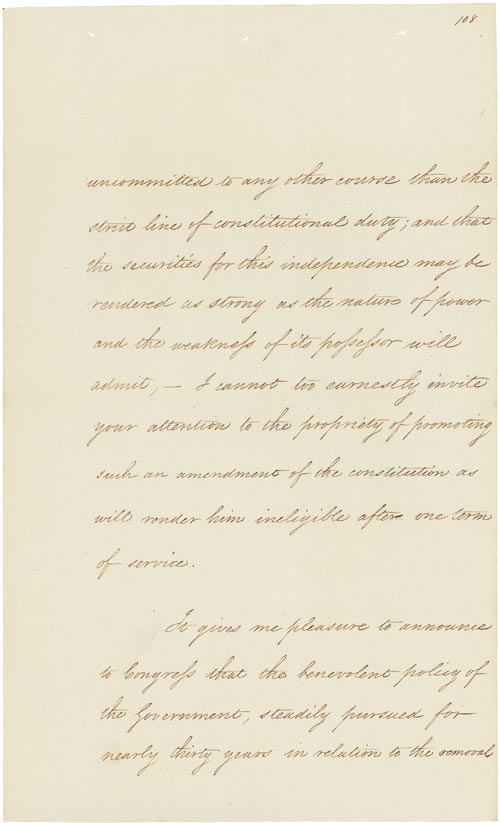 Speech
Primary source
Message to Congress On Indian Removal
Andrew Jackson · 6 December 1830
 Painting
Primary source
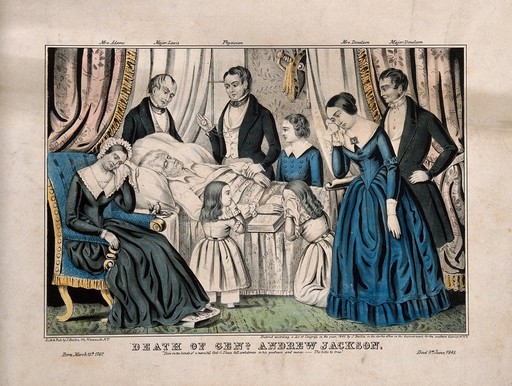
Death of General Andrew Jackson
1845
 Painting
Primary source
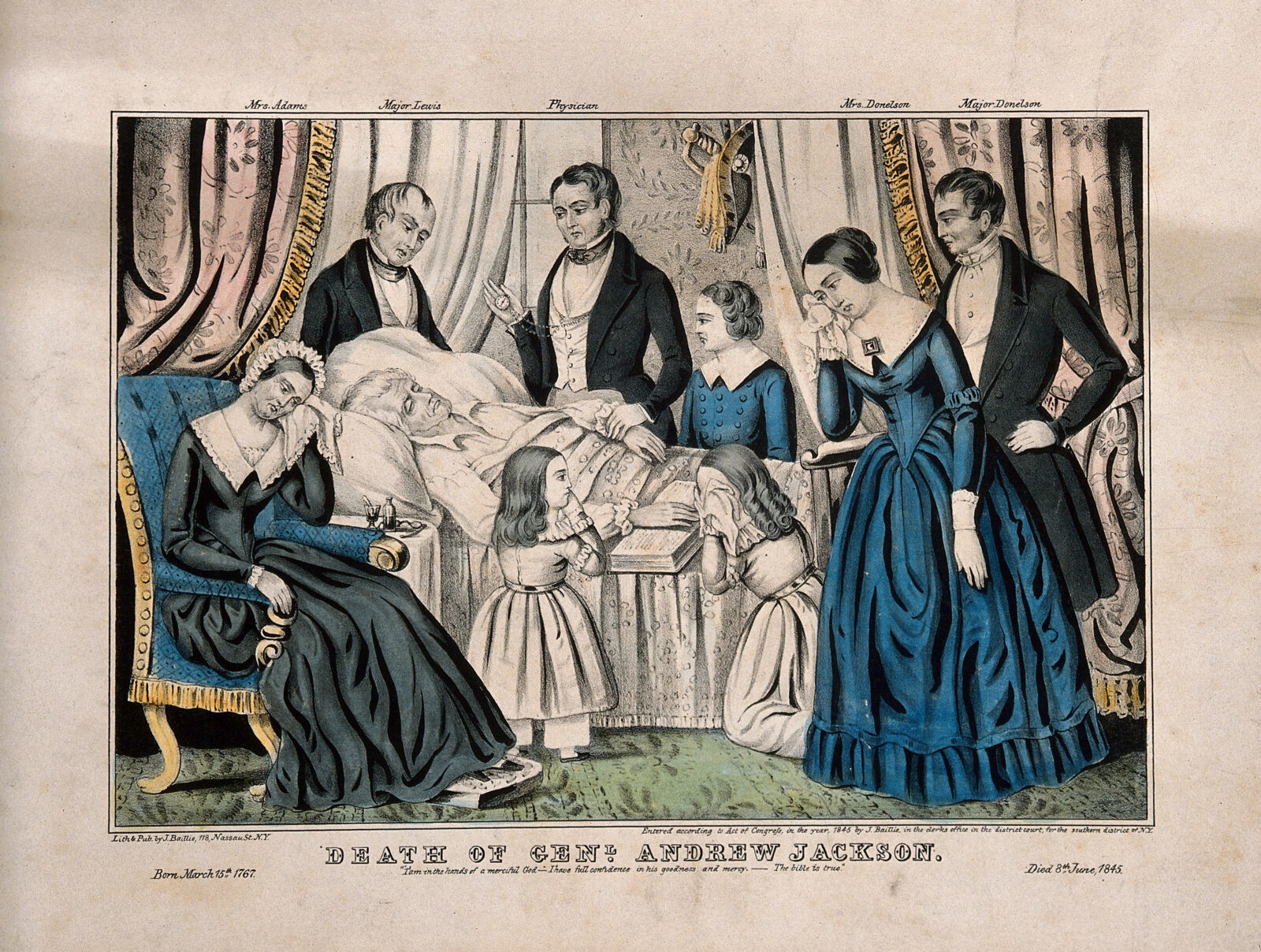
The Death of President Andrew Jackson
1845
Primary source
Indian Removal Act
United States Congress · 28 May 1830
 Photograph
Secondary source
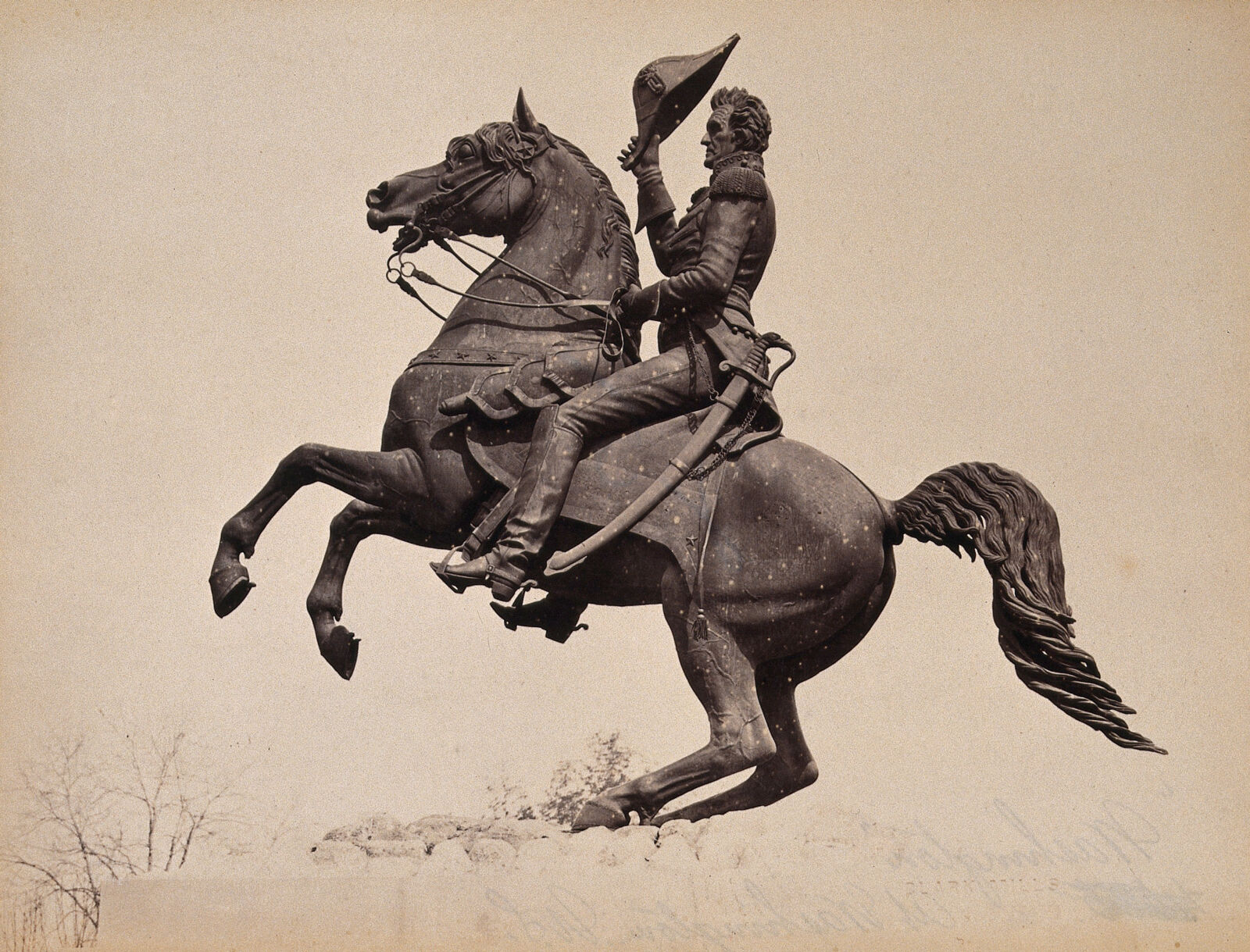
Photograph of the Andrew Jackson Equestrian Statue, Lafayette Park
Clark Mills · c. 1880
Ready when you are
Start chatting with Andrew Jackson now.
20 messages free · No credit card · Available in 50+ languages.