


Primary sourceBook1919
Medicine
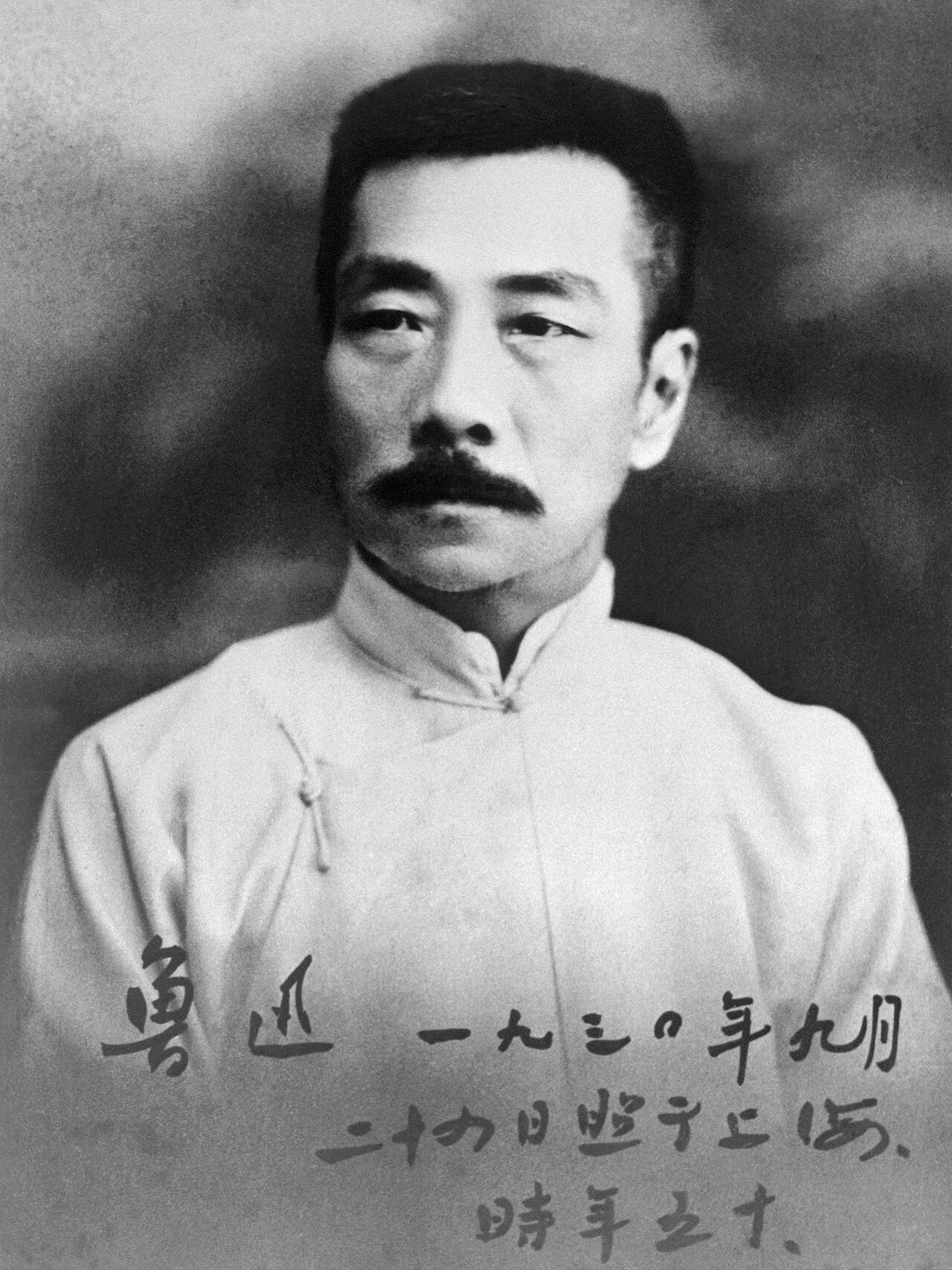
Lu Xun · 1919
A 1919 short story by Lu Xun about a sick boy given a bun soaked in an executed revolutionary's blood as a folk cure.
Lu Xun drew on his father's death from ineffective traditional medicine when writing this critique of superstition.
Free Humy account · No credit card · 120,912 sources to read
About this source
What it is
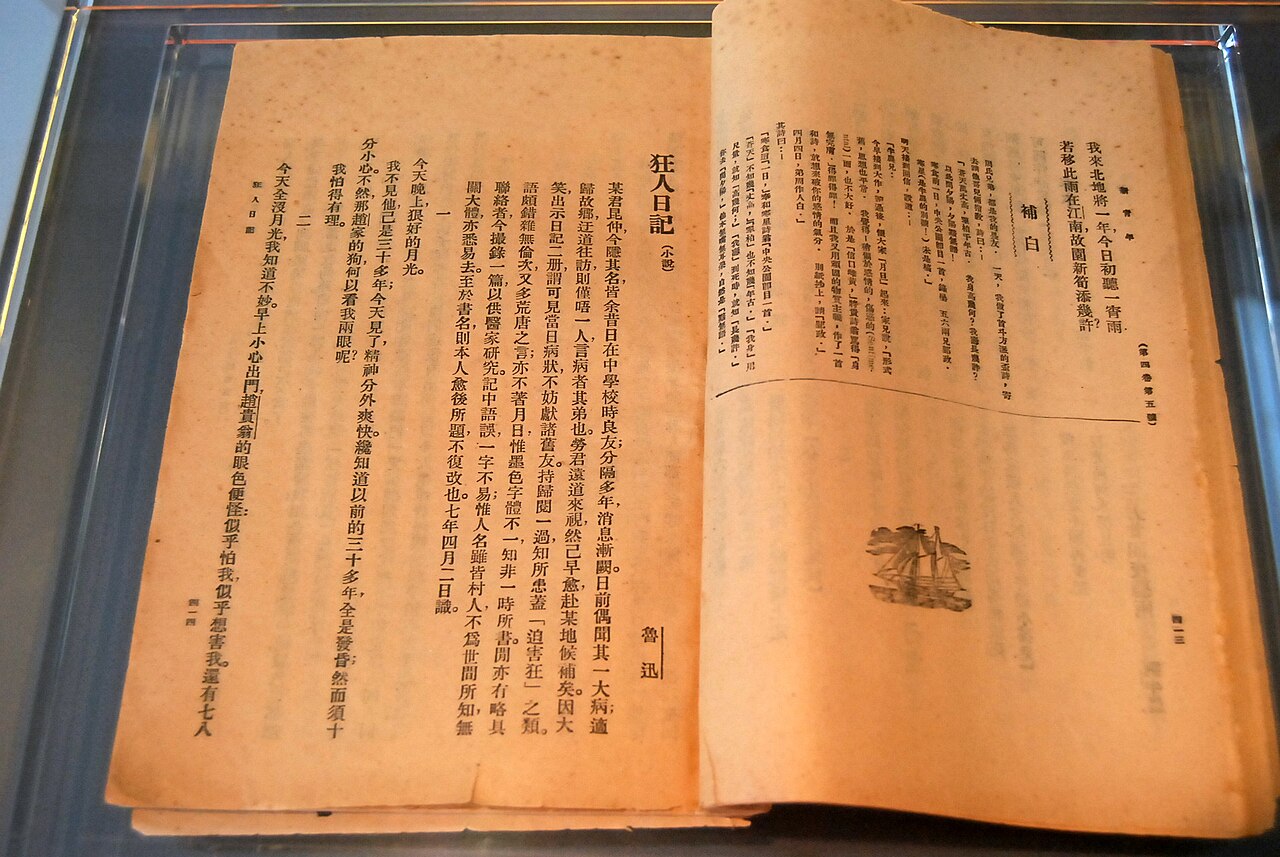
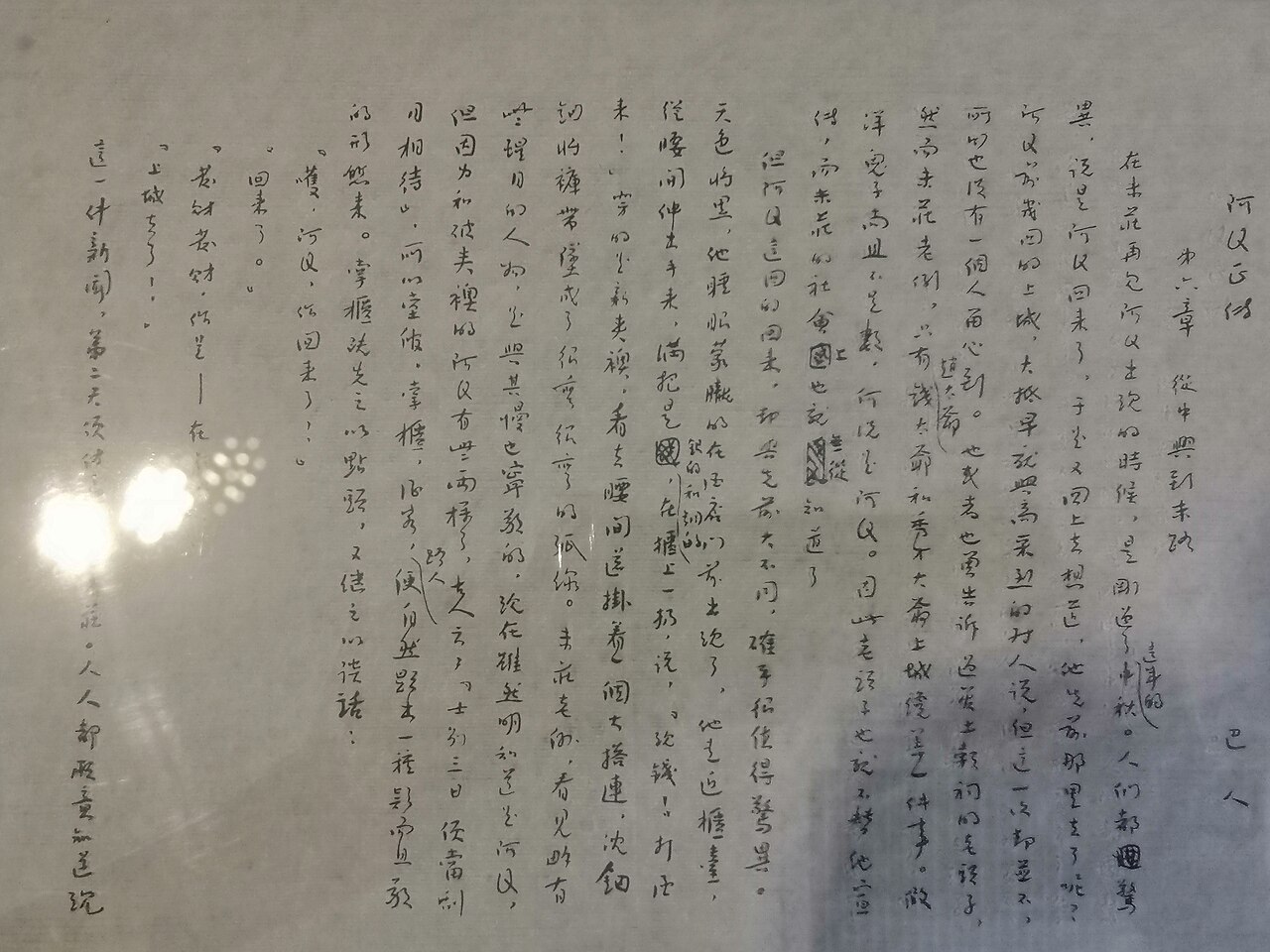
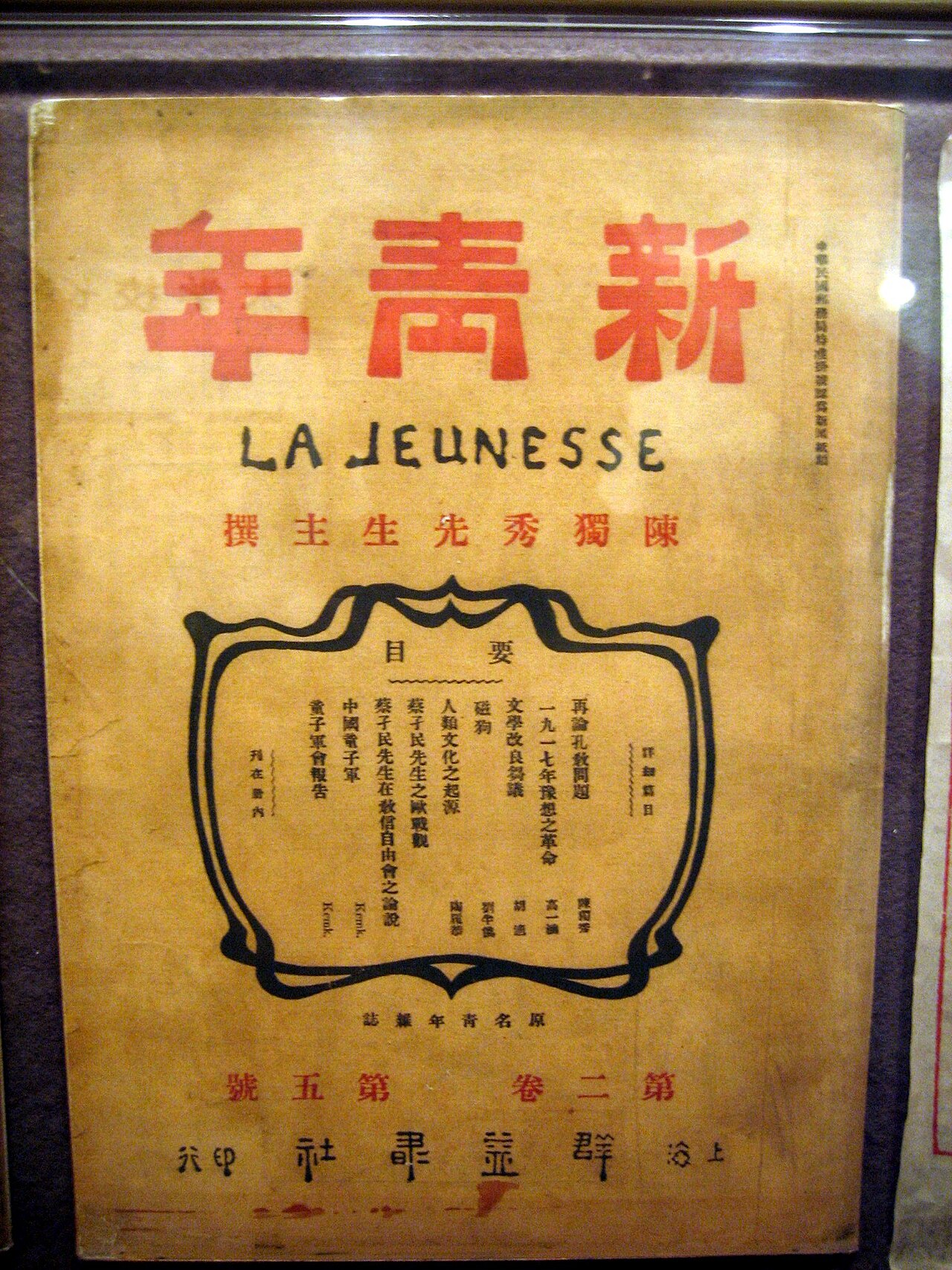
Written by Lu Xun in 1919 and published in 1922 in the collection Call to Arms, this short story tells of a couple who buy a blood-soaked bun, believed to cure illness, for their dying son, using blood from an executed revolutionary.
The revolutionary in the story is widely thought to be modeled on the real revolutionary Qiu Jin.
Why it matters
The story criticizes reliance on superstition over modern medicine, a theme shaped by Lu Xun's memory of his own father being treated with traditional medicine before his death. It also shows the isolation of revolutionaries, whose sacrifice goes unrecognized by the ordinary people around them.
Two grieving mothers end the story side by side at their children's graves, one son a victim of superstition, the other of political violence.
Look closer
- Why do the customers in the tea shop approve of using an executed man's blood as medicine?
- What does the ending, with the two mothers at neighboring graves, suggest about how Lu Xun saw ordinary people and revolutionaries?
- What does the story leave unsaid about the executed revolutionary's cause?
This book is part of the curated material that grounds the AI version of Lu Xun on Humy.ai — when students ask about related events, the AI can quote it and cite it.
Ready when you are
Start chatting with Lu Xun now.
20 messages free · No credit card · Available in 50+ languages.