


Primary sourceBook1921-1922
The True Story of Ah Q
Lu Xun · 1921-1922
Lu Xun's best-known novella, a satirical portrait of a self-deceiving peasant that became a diagnosis of Chinese national character.
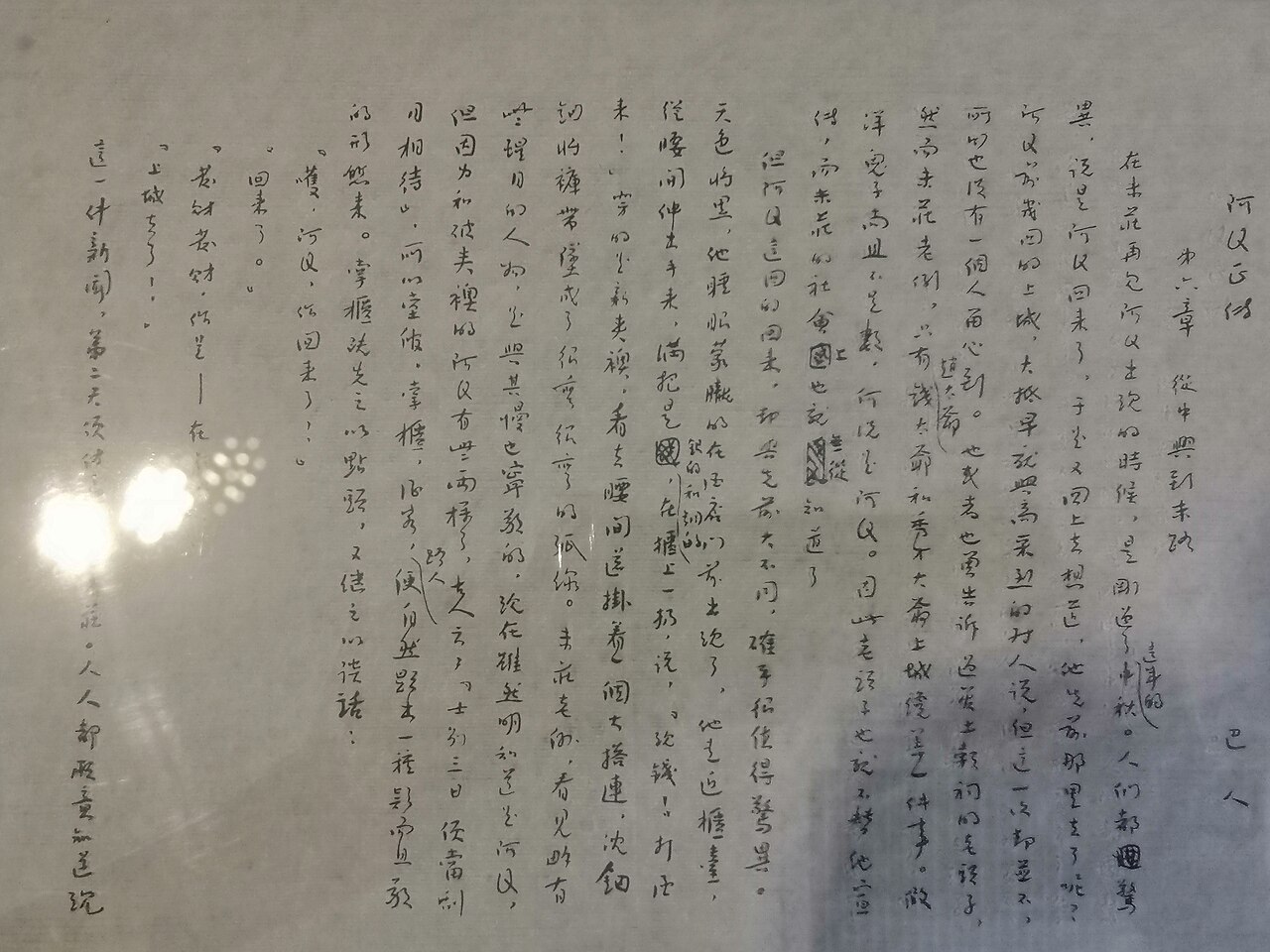
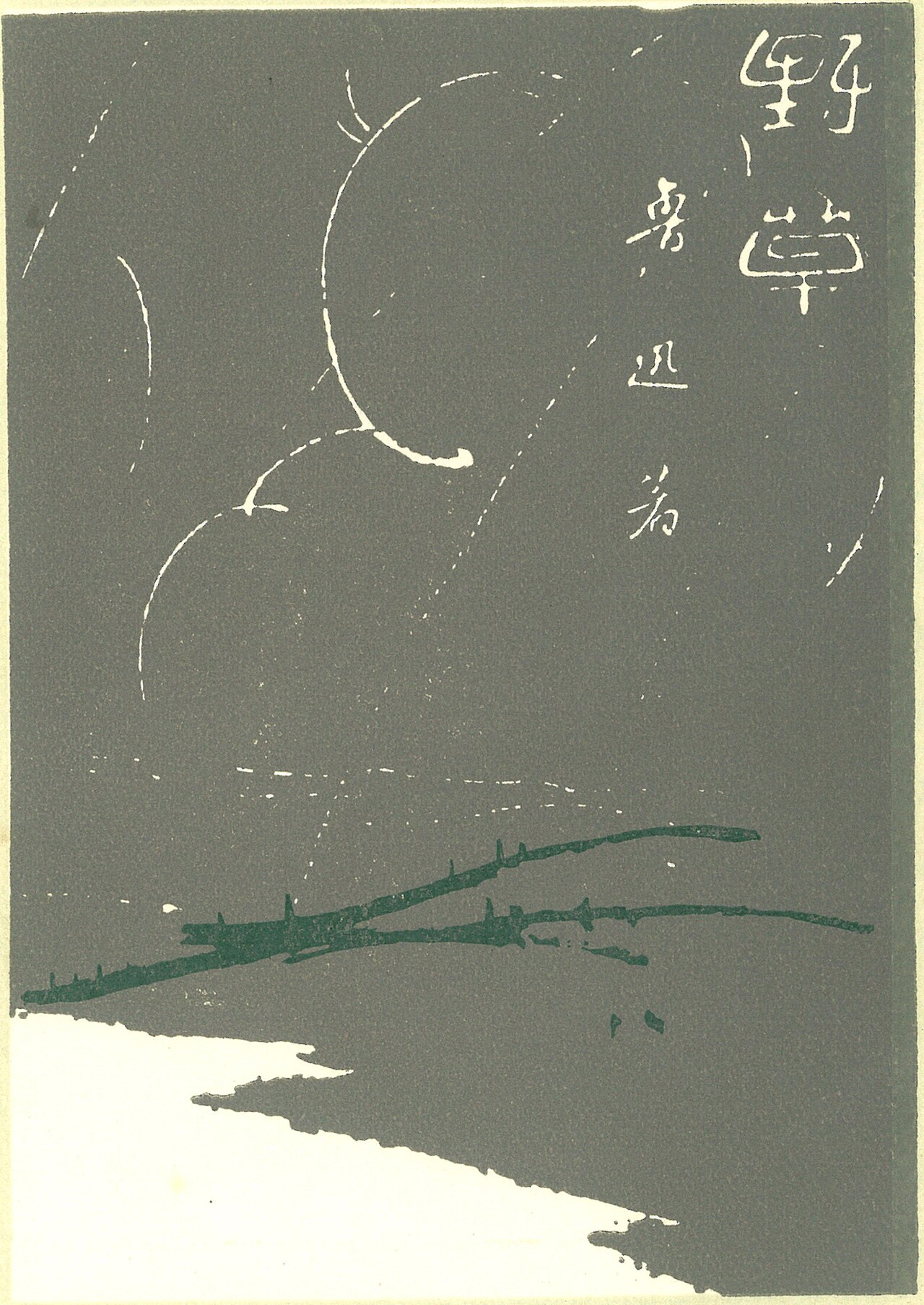
This is Lu Xun's most famous novella, his only one, shown here in manuscript form.
Free Humy account · No credit card · 120,912 sources to read
About this source
What it is
Written by Lu Xun, this novella was first published serially from 1921 to 1922, originally under a different pen name. It later appeared in his collection Call to Arms. Shown here is a handwritten manuscript page, held at the Lu Xun Museum.
It follows Ah Q, a poor, uneducated man who convinces himself he has 'won' even when he is beaten or humiliated, up through the chaos of the 1911 Xinhai Revolution.
Why it matters
The story is widely seen as a sharp critique of what Lu Xun saw as flaws in Chinese society of his time: self-deception, cowardice toward the powerful, and cruelty toward the weak. Commentators, including his brother Zhou Zuoren, debated whether it was pure satire or a more sympathetic portrait.
Its use of a low-class protagonist and new novella form were both unusual for Chinese literature at the time.
Look closer
- Why might Lu Xun have hidden his identity when first publishing this story?
- What does Ah Q's habit of 'spiritual victories' reveal about how people cope with powerlessness?
- What does the story suggest about how ordinary people reacted to the 1911 Revolution?
This book is part of the curated material that grounds the AI version of Lu Xun on Humy.ai — when students ask about related events, the AI can quote it and cite it.
Ready when you are
Start chatting with Lu Xun now.
20 messages free · No credit card · Available in 50+ languages.