


Secondary sourcePainting1883
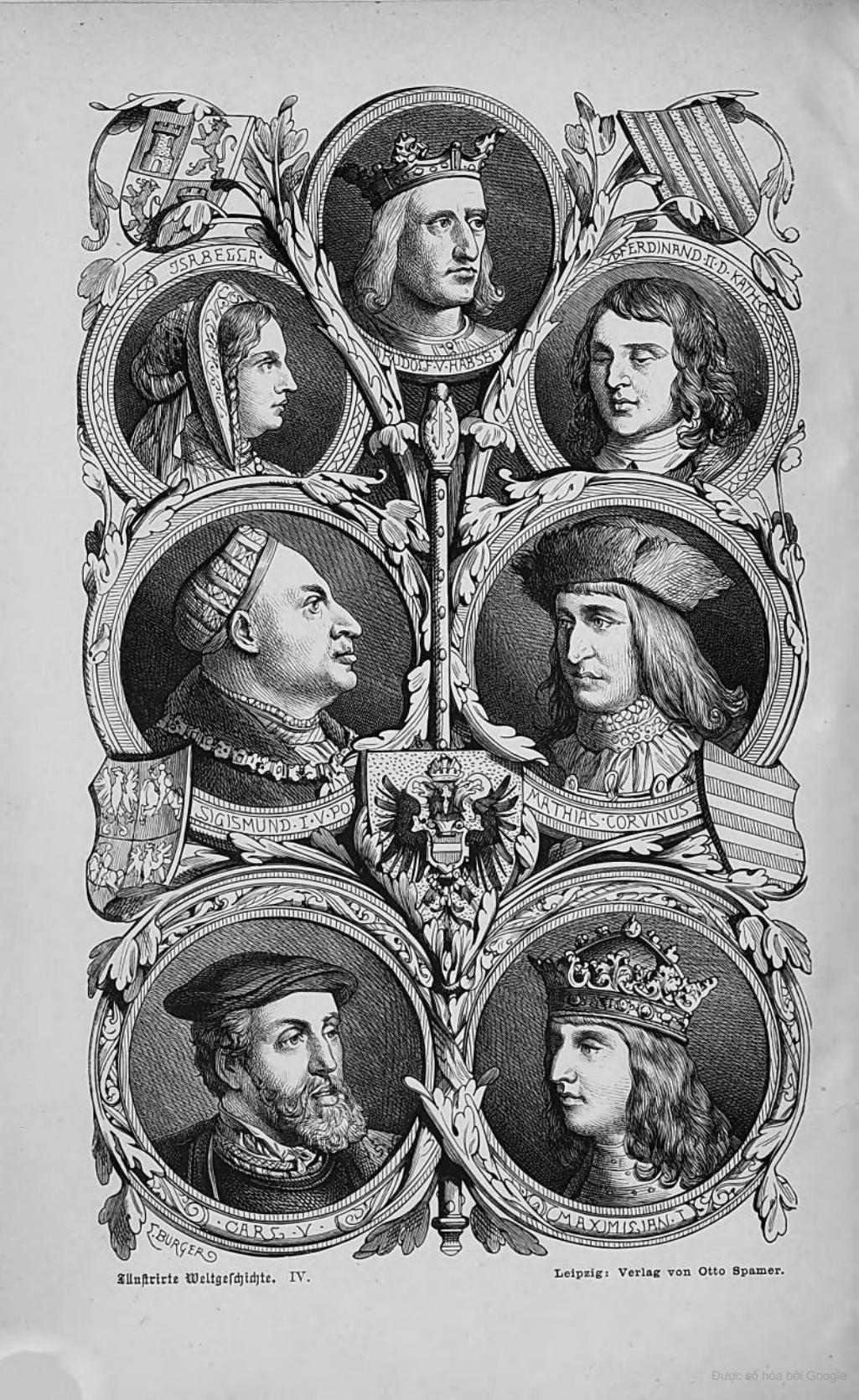
Medieval rulers medallion print, 1883
L. F. Dieffenbach and others · 1883
An 1883 engraved print showing seven medallion portraits of medieval rulers, including Isabella, arranged around a central shield with a double-headed eagle. It is a later imagined depiction of her.
A page from a popular 1883 history showing Ferdinand among several rulers, illustrating how later readers were given his image as part of a wider royal story.
About this source
What it is
This is an engraved print from Illustrirte Weltgeschichte für das Volk: Geschichte des Mittelalters, an illustrated world history published in Leipzig by Otto Spamer in 1883. Its authors are listed as L. F. Dieffenbach and others. The print shows seven medallion portraits of medieval rulers around a central heraldic shield with a double-headed eagle. Isabella appears in the upper left. Because the book was printed in 1883, these portraits are later images, not likenesses made during her lifetime.
Why it matters
The print places Isabella beside Rudolf I of Habsburg, Ferdinand the Catholic, Sigismund I of Poland, Matthias Corvinus, Charles V and Maximilian I. Grouping these rulers together shows how a nineteenth-century German history book arranged the monarchs of the late Middle Ages and early modern period into one story of European power. Ferdinand, who ruled alongside her, is pictured in the same set.
Look closer
- Why might the publisher have chosen these seven rulers, and what do they have in common?
- How does the artist show rank and power in each portrait, without any written explanation?
- What does this print leave out about what these rulers actually did?
This painting is part of the curated material that grounds the AI version of Ferdinand II of Aragon and Queen Isabella I on Humy.ai — when students ask about related events, the AI can quote it and cite it.
More Ferdinand II of Aragon sources
Meet the AI Ferdinand II of Aragon →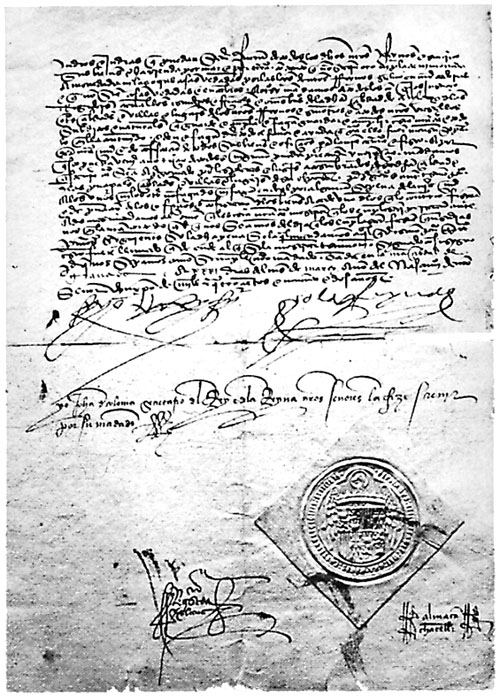 Document
Primary source
Alhambra Decree
Isabella I of Castile and Ferdinand II of Aragon · 31 March 1492
 Document
Primary source
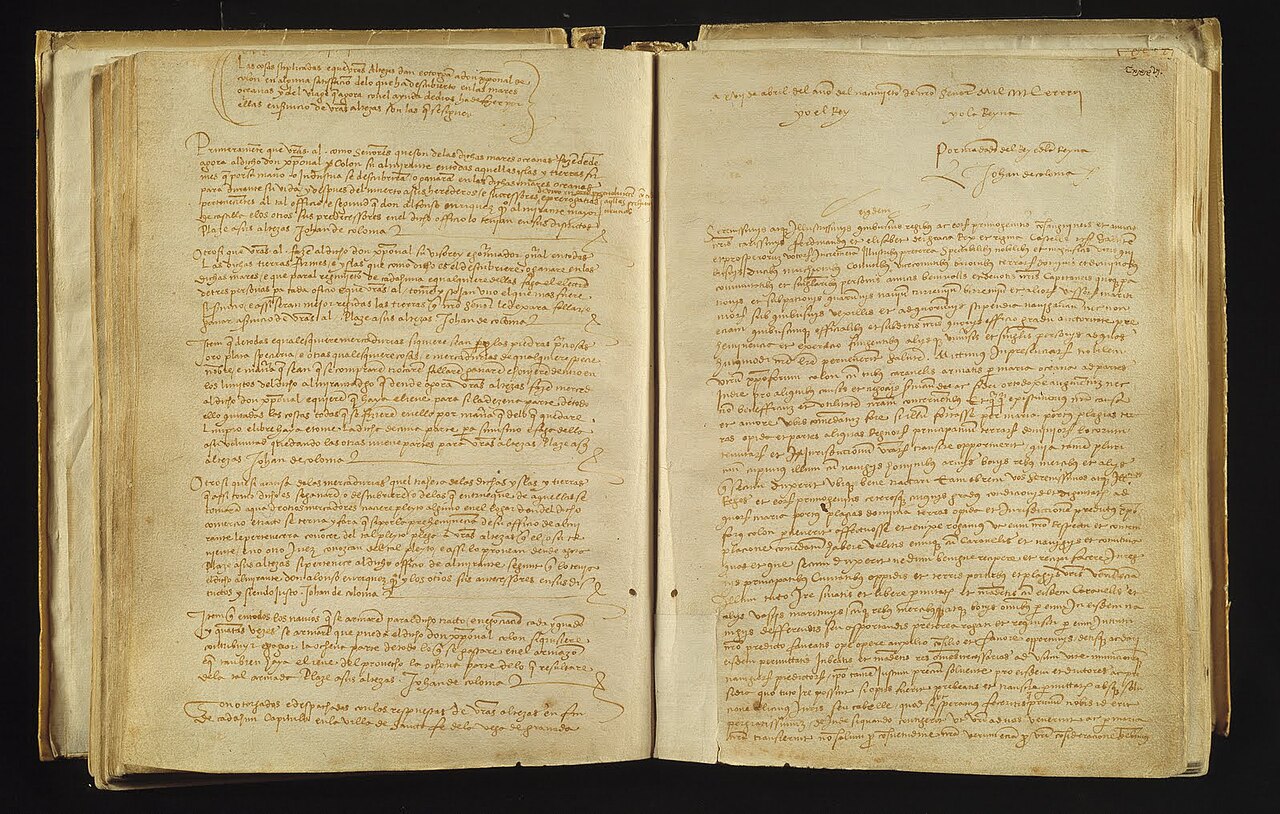
Capitulations of Santa Fe
Catholic Monarchs · 17 April 1492
 Document
Primary source
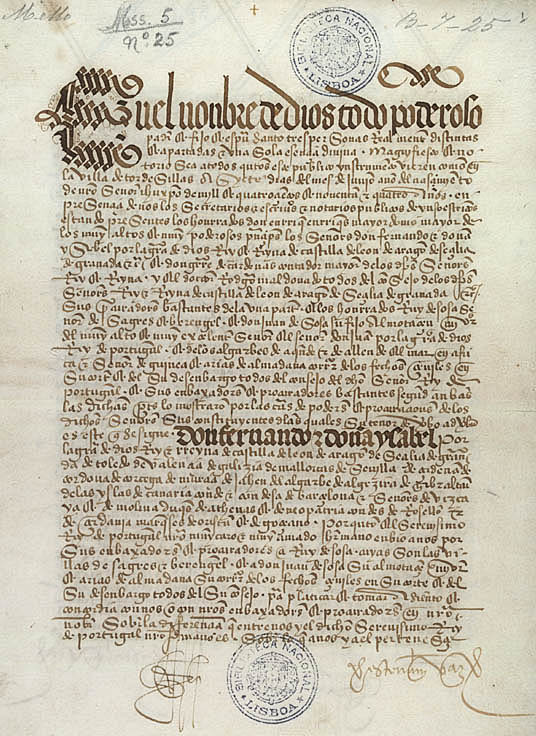
Treaty of Tordesillas
7 June 1494
 Painting
Primary source
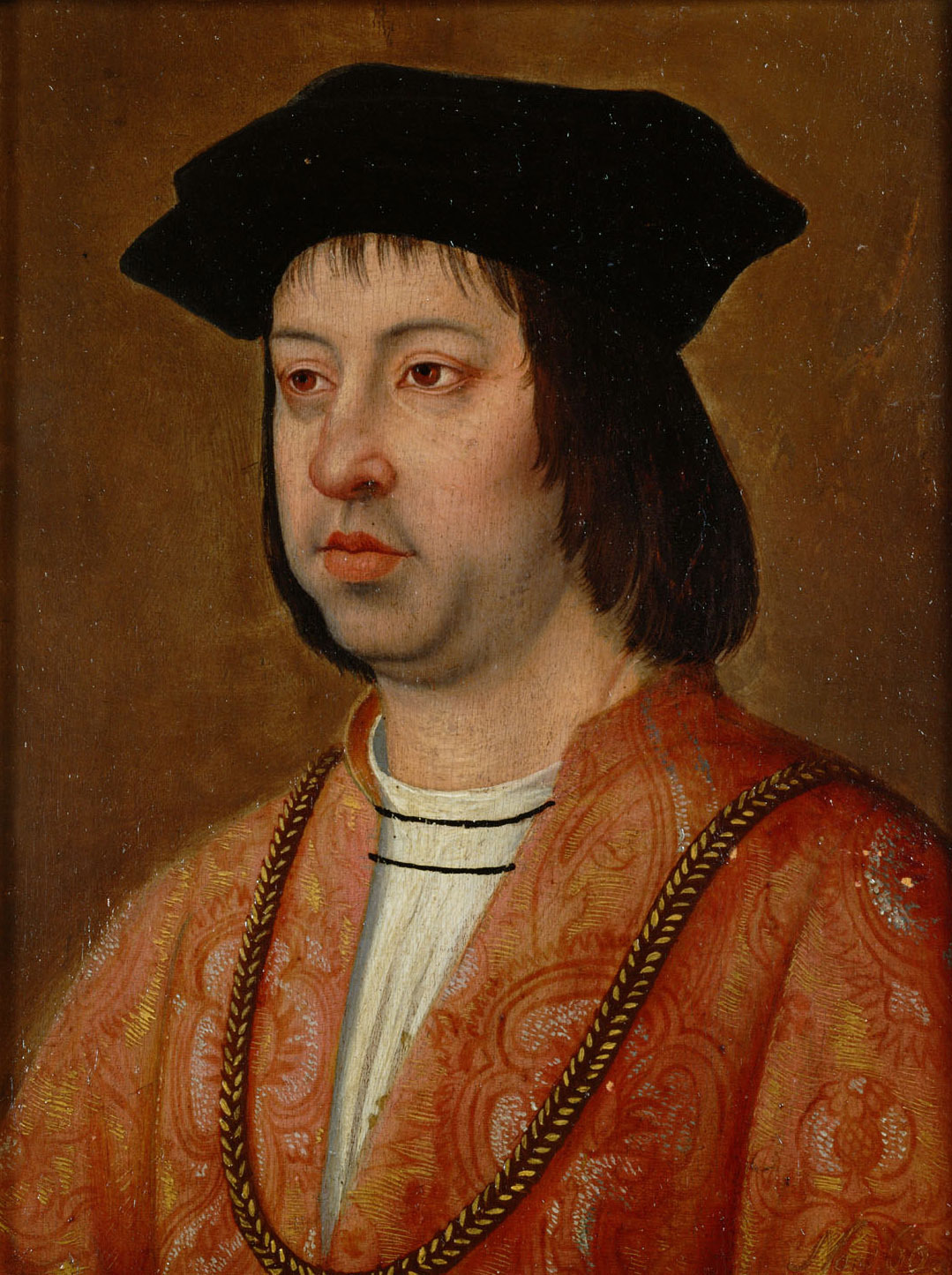
Portrait of Ferdinand II of Aragon
Michel Sittow
Primary source
Treaty of Granada
Ferdinand II of Aragon, Isabella I of Castile, and Boabdil · 25 November 1491
Ready when you are
Start chatting with Ferdinand II of Aragon now.
20 messages free · No credit card · Available in 50+ languages.