


Primary sourcePainting
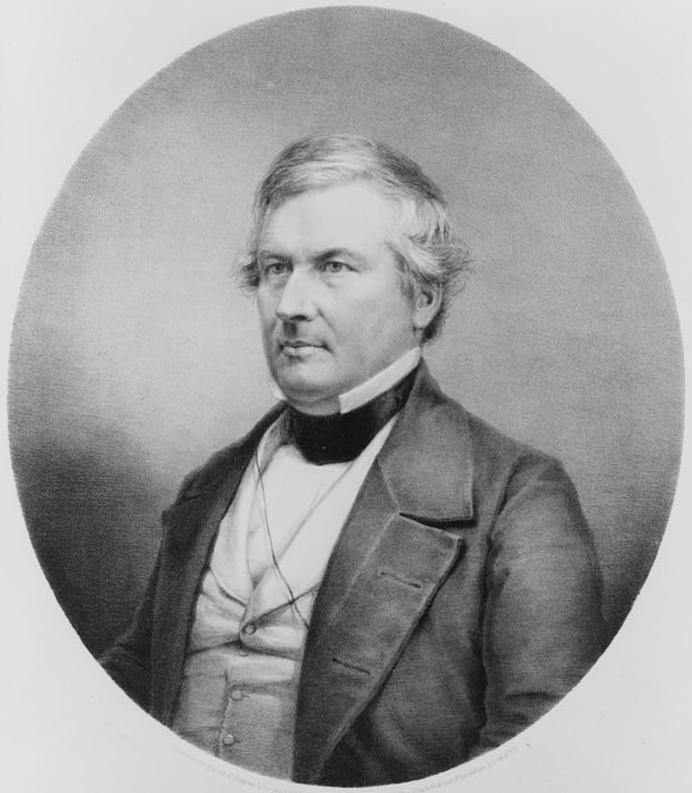
Millard Fillmore, Lithograph after a Brady Daguerreotype
Mathew Brady and Francis D'Avignon
A lithograph portrait of Millard Fillmore as a congressman, based on a daguerreotype photograph taken by Mathew Brady.
A lithograph portrait depicting Fillmore during his early congressional career, based on a Brady daguerreotype.
About this source
What it is
This is a lithograph portrait of Millard Fillmore made after a daguerreotype photograph by Mathew Brady, with the lithograph itself created by Francis D'Avignon. It shows Fillmore during his early career, before he became president.
Why it matters
This portrait reflects the new technology of photography being used to create widely distributed printed images of public figures in the mid-19th century. Mathew Brady was a pioneering photographer of this period, and this lithograph shows how his photographic work was turned into popular printed portraits.
Look closer
- Why might a photograph be turned into a lithograph for wider distribution?
- What does Fillmore's clothing and pose suggest about how he wanted to be seen?
- What is missing from a portrait like this that a modern photograph might capture?
This painting is part of the curated material that grounds the AI version of Millard Fillmore on Humy.ai — when students ask about related events, the AI can quote it and cite it.
More Millard Fillmore sources
Meet the AI Millard Fillmore →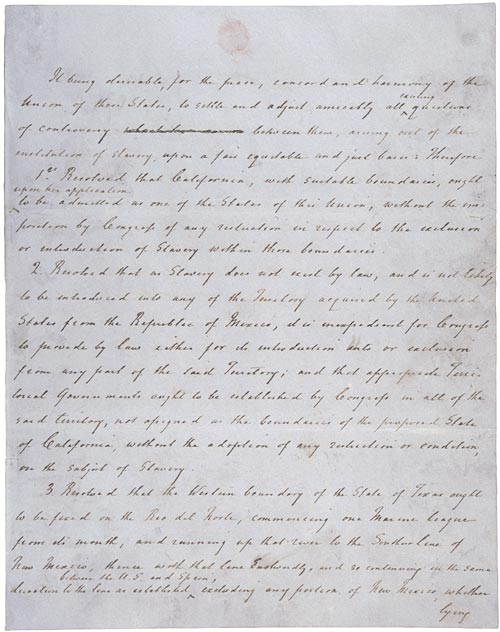 Document
Primary source
Compromise of 1850
Henry Clay · 29 January 1850 (resolutions); statutes enacted September 1850
Primary source
Fugitive Slave Act of 1850
United States Congress · 1850
 Photograph
Primary source
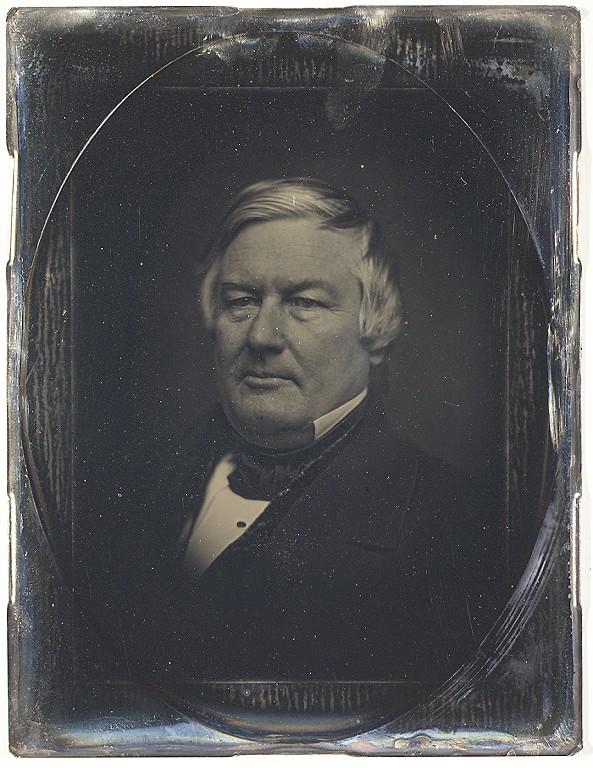
Millard Fillmore
Southworth and Hawes · 1850
Primary source
Millard Fillmore's First Annual Message to Congress
Millard Fillmore · December 2, 1850
Primary source
Millard Fillmore's Second State of the Union Address
Millard Fillmore · December 2, 1851
Ready when you are
Start chatting with Millard Fillmore now.
20 messages free · No credit card · Available in 50+ languages.