


Primary sourceArtifact1381–1405
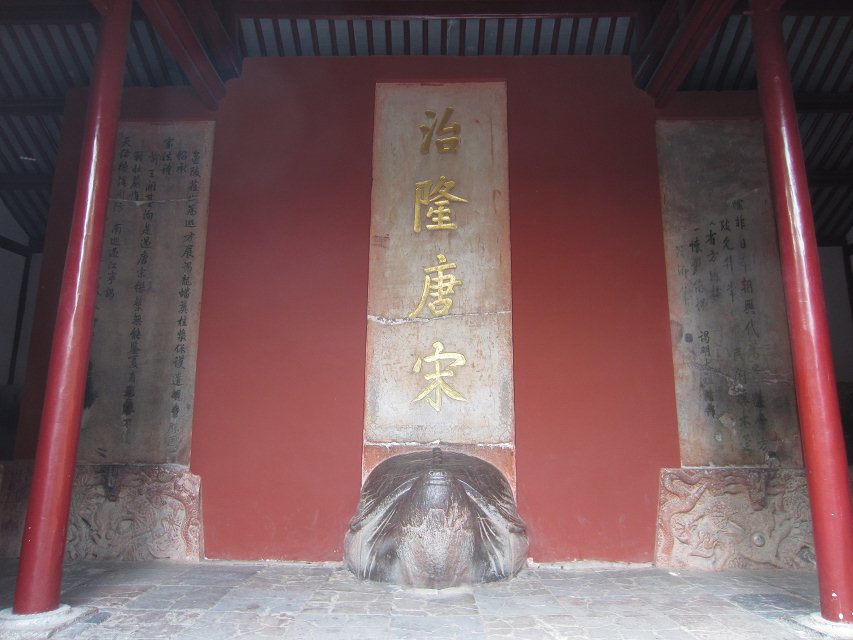
Ming Xiaoling Mausoleum
Hongwu Emperor (commissioned) · 1381–1405
The tomb complex Hongwu built for himself and Empress Ma near Nanjing, which became the model for later Ming and Qing imperial tombs.
Hongwu commissioned this mausoleum as his own burial site, shaping how future dynasties honored their founders.
About this source
What it is
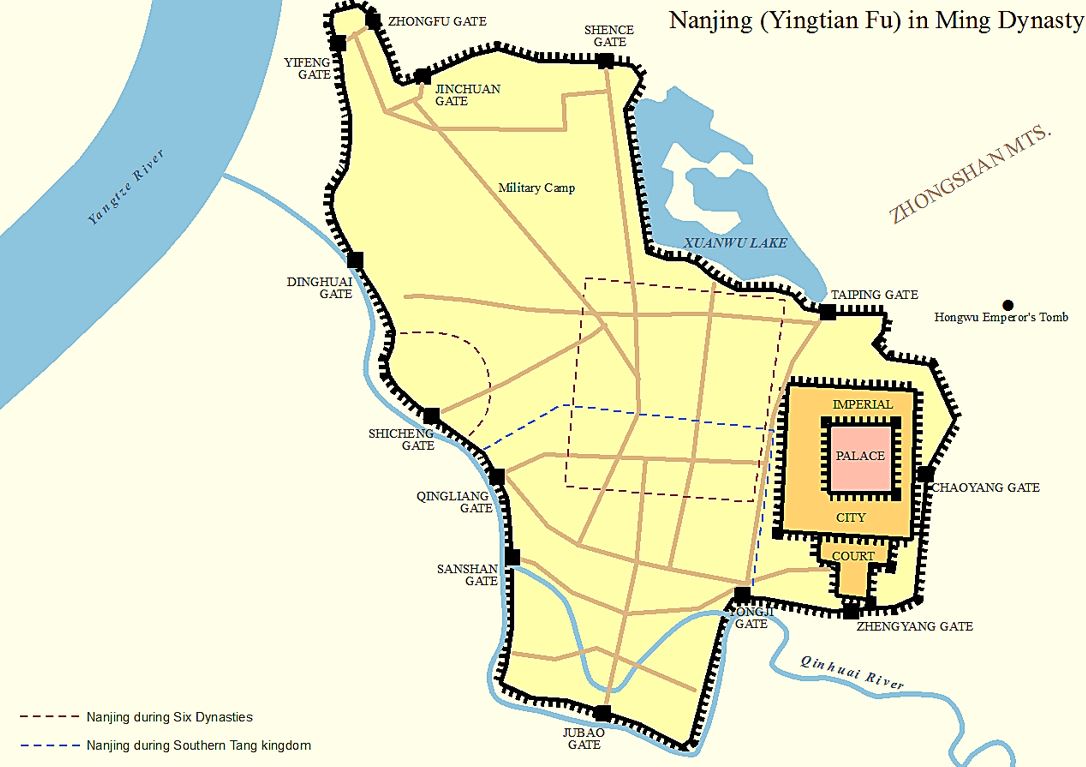
A large mausoleum on Purple Mountain in Nanjing, commissioned by the Hongwu Emperor and built between 1381 and 1405, as the burial place for himself and Empress Ma. It is now a UNESCO World Heritage Site.
Why it matters
As the first Ming imperial tomb, its layout—including its famous Sacred Way lined with stone figures—set the pattern followed by nearly all later Ming and Qing emperors' tombs. It reflects how Hongwu planned his own legacy and the dynasty's future image even before his death.
Look closer
- Why might an emperor plan his own tomb so carefully during his lifetime?
- What does the scale of the mausoleum suggest about Ming ideas of imperial power?
- How did this tomb influence later rulers' choices?
This artifact is part of the curated material that grounds the AI version of Zhu Yuanzhang on Humy.ai — when students ask about related events, the AI can quote it and cite it.
More Zhu Yuanzhang sources
Browse all 85 →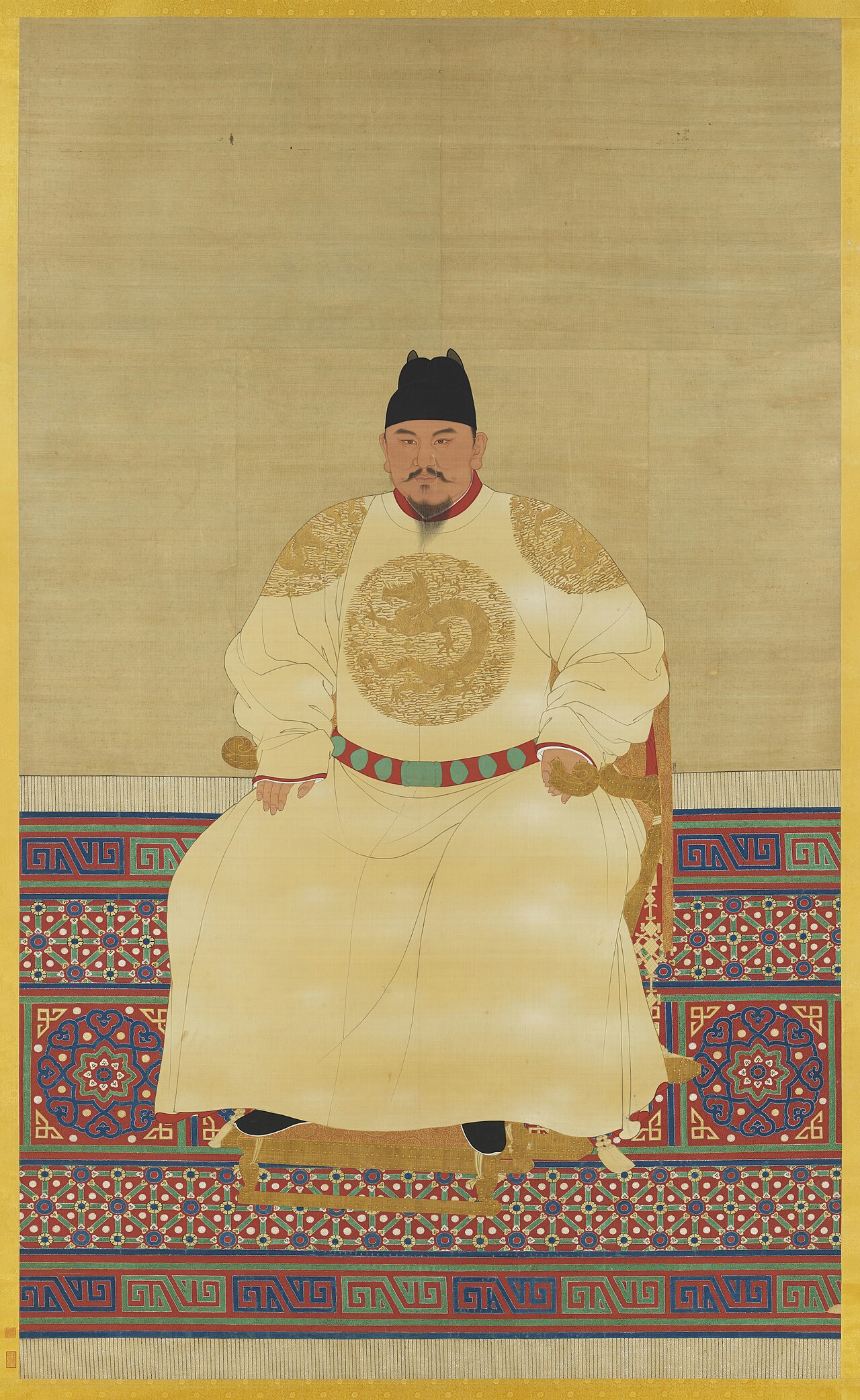 Painting
Secondary source
Emperor Tai-tsu of the Ming Dynasty
 Document
Secondary source
Ming Shilu
compiled after his reign
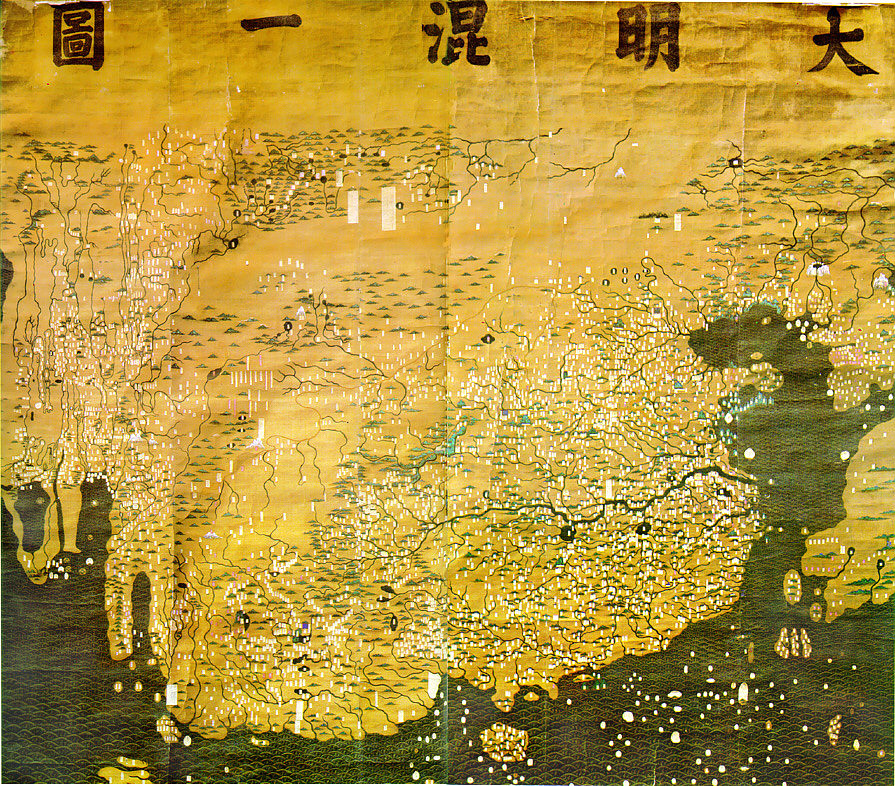 Artifact
Primary source
Da Ming Hun Yi Tu
1389 (surviving copy later)
 Document
Primary source
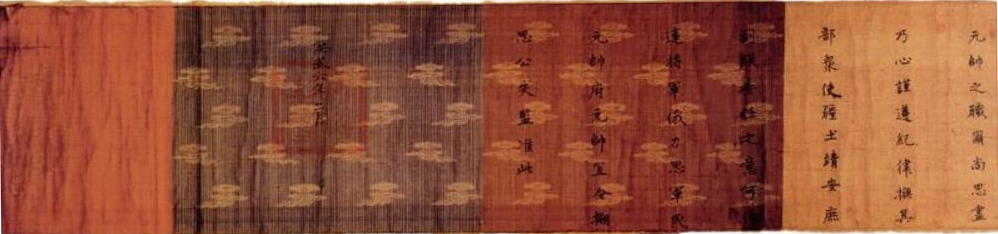
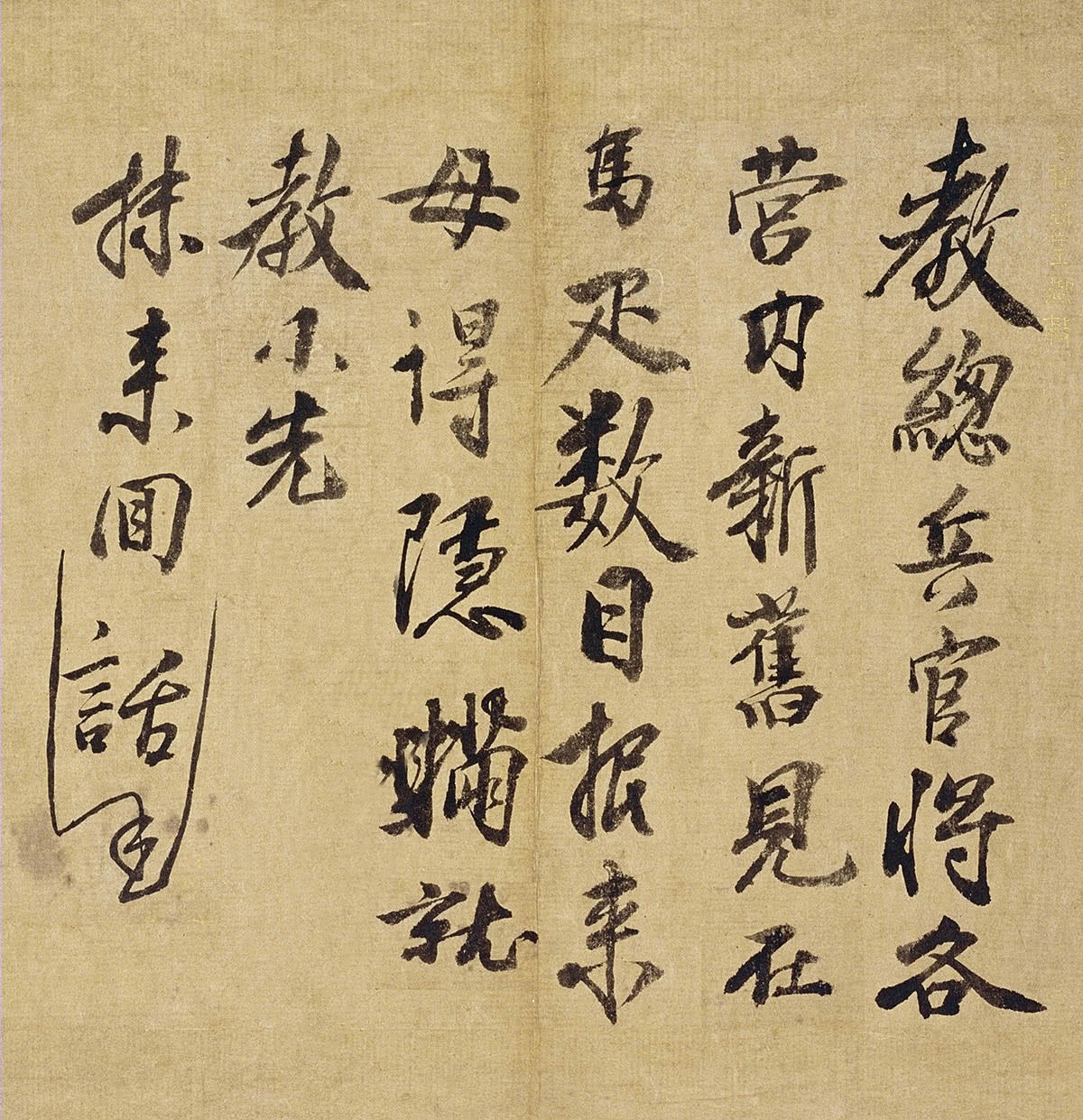
Edict Appointing Chos-Kun-Skyabs as General
Hongwu Emperor · 1373
Free account
Read every Zhu Yuanzhang source
Sign up free →
Ready when you are
Start chatting with Zhu Yuanzhang now.
20 messages free · No credit card · Available in 50+ languages.