


Secondary sourceArtifactc. 1180–1220
Miracle Windows of the Trinity Chapel
c. 1180–1220
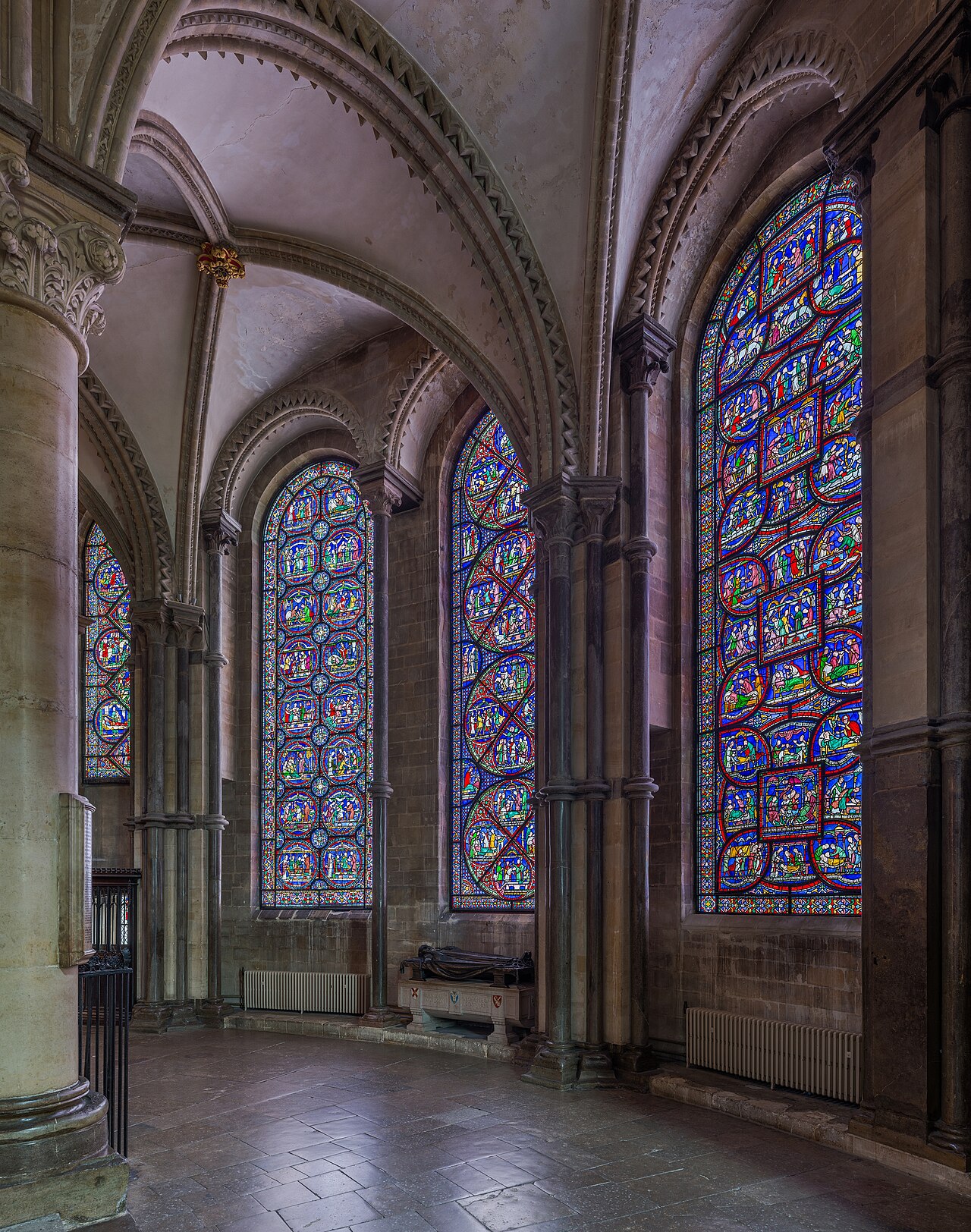
Stained-glass windows at Canterbury Cathedral showing healing miracles believed to have happened at Thomas Becket's tomb.
These windows commemorate miracles attributed to Becket after his death, part of his sainthood cult.
About this source
What it is
These stained-glass panels are located in the Trinity Chapel of Canterbury Cathedral, made roughly between 1180 and 1220. They depict the healing miracles said to have occurred at the tomb of Thomas Becket after his death.
Why it matters
The windows show how quickly a popular cult grew around Becket after his murder, with ordinary pilgrims believing they had been healed through his intercession. They are evidence of how a murdered archbishop became one of medieval Europe's most important saints, and how cathedrals used art to record and promote belief in miracles.
Look closer
- Who do you think the windows were made for, and what might they have wanted viewers to feel?
- What does the presence of 'ordinary pilgrims' in the scenes suggest about who worshipped at the shrine?
- Why might a cathedral want to display miracle stories in a place visitors would walk past?
This artifact is part of the curated material that grounds the AI version of Thomas Becket on Humy.ai — when students ask about related events, the AI can quote it and cite it.
More Thomas Becket sources
Meet the AI Thomas Becket →Primary source
Constitutions of Clarendon
Henry II of England · 1164
 Artifact
Primary source
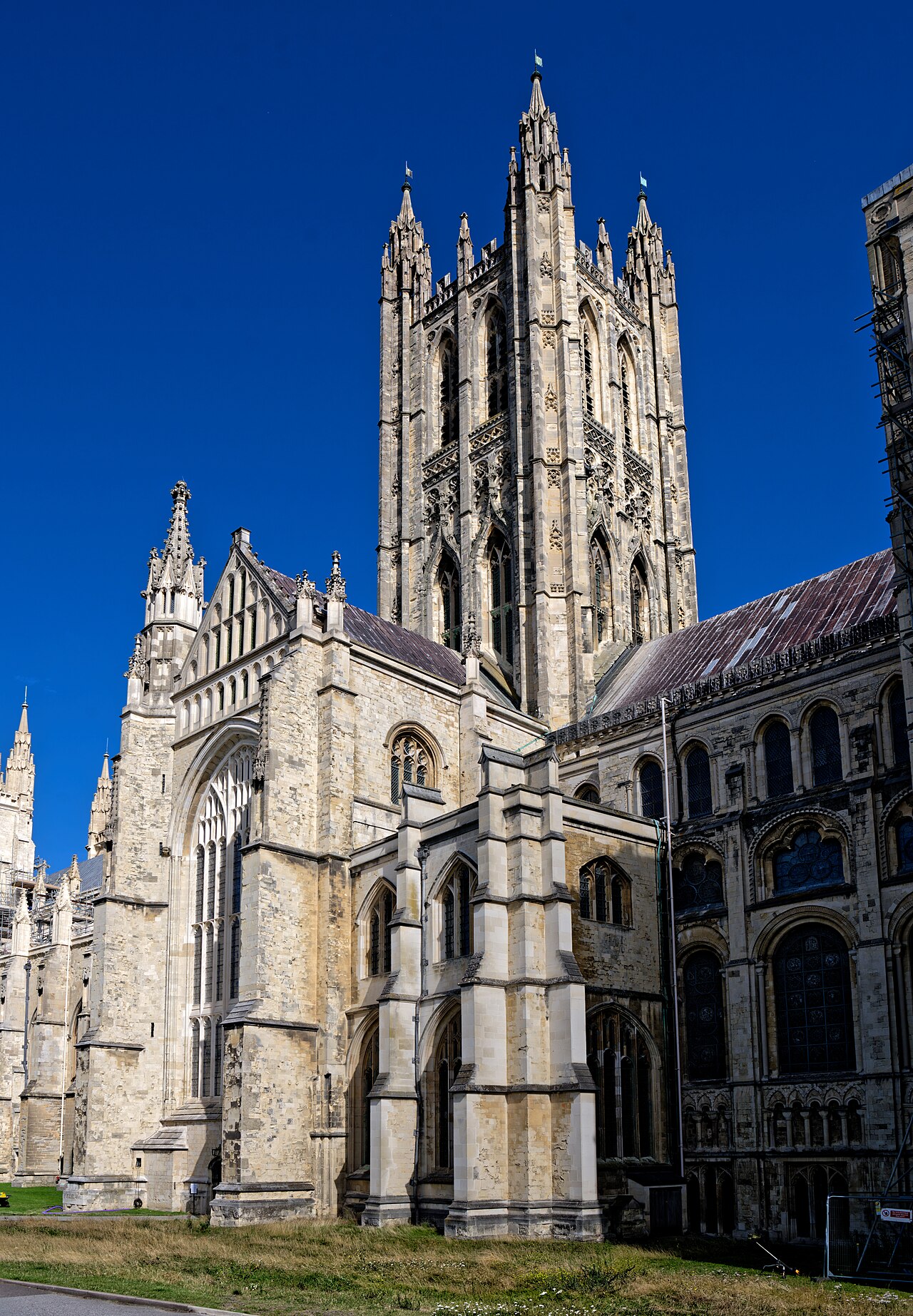
Canterbury Cathedral
founded 597
 Artifact
Secondary source
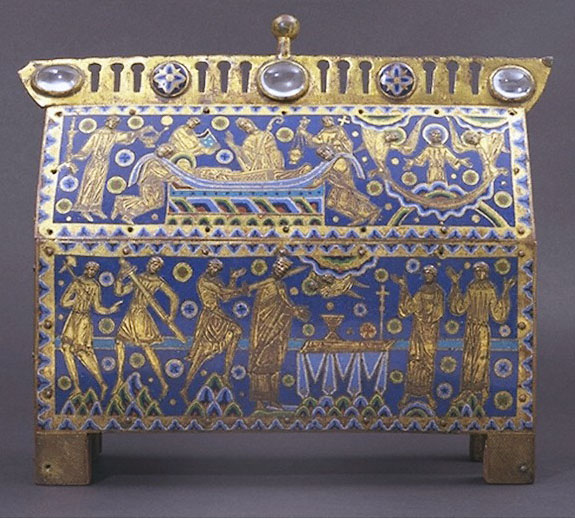
Becket Casket
c. 1180-1190
 Artifact
Secondary source
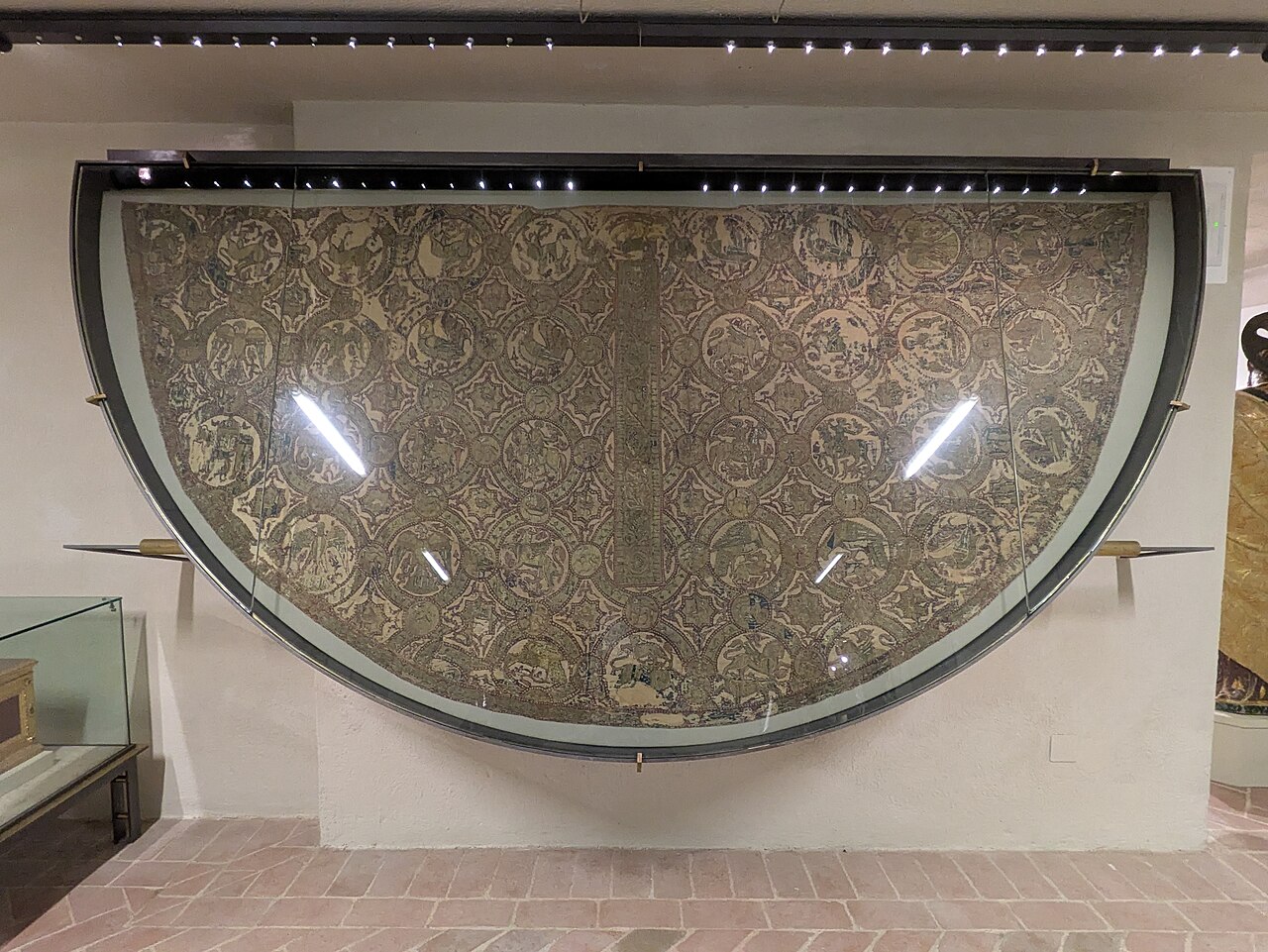
Fermo Chasuble of St. Thomas Becket
12th century
 Artifact
Secondary source
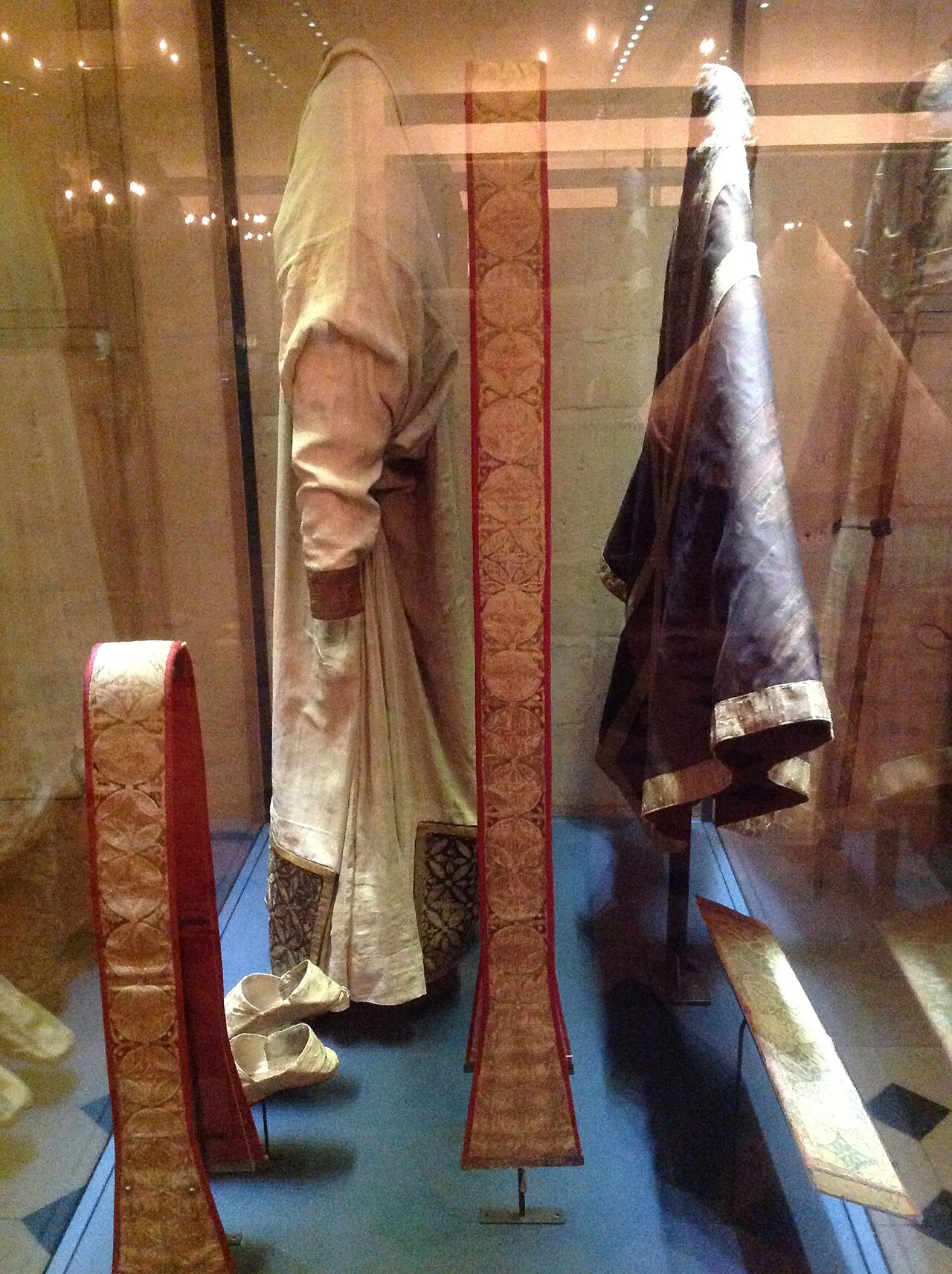
Becket Liturgical Garments, Sens Cathedral
12th century
Ready when you are
Start chatting with Thomas Becket now.
20 messages free · No credit card · Available in 50+ languages.