


Primary sourceDocument
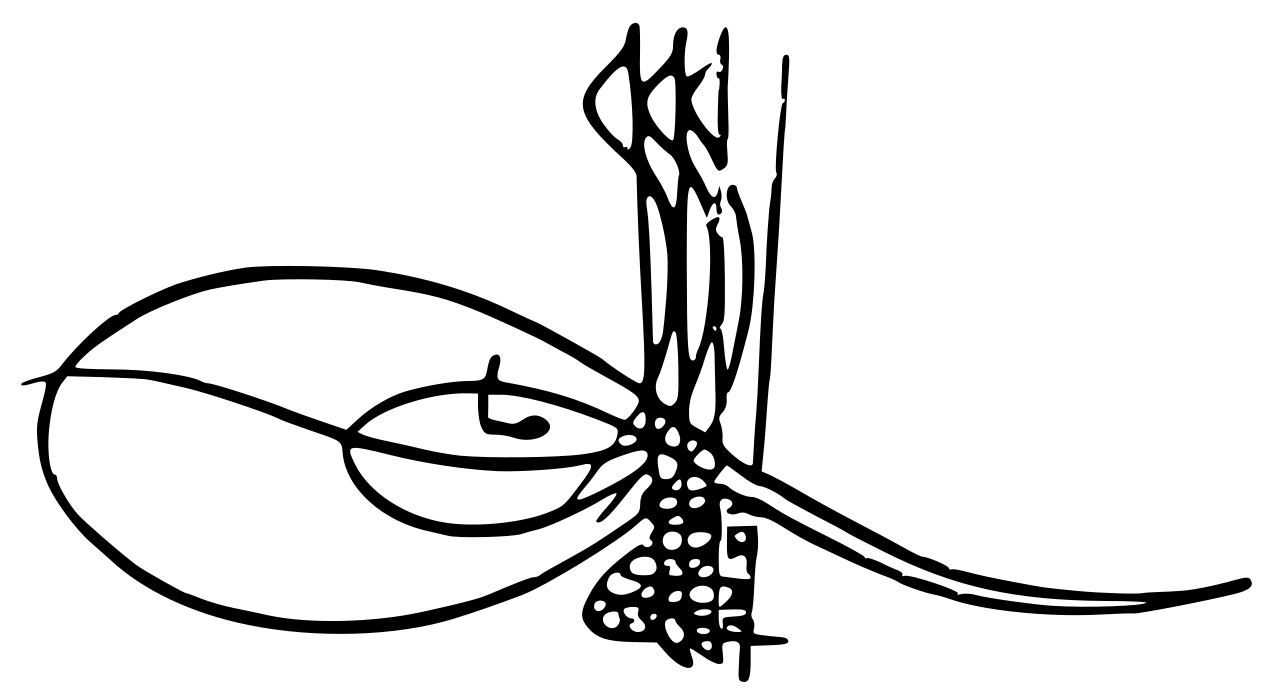
Monogram of Ahmed I
The tughra, or calligraphic imperial monogram, that Ahmed I used to authorize his official decrees.
This is Ahmed I's own imperial monogram, used to authorize his decrees as sultan.
About this source
What it is
This is the tughra of Ahmed I, an ornate calligraphic monogram that served as his personal seal and signature of sovereign authority, placed at the head of official Ottoman documents.
Why it matters
Every Ottoman sultan had his own unique tughra, and its presence on a document showed that the decree carried the sultan's full legal authority. Studying it shows how Ottoman rulers used art and calligraphy, not just words, to express power.
Look closer
- What makes this symbol different from a simple written signature?
- Why might rulers want a highly decorative, hard-to-forge mark like this?
- What does the design tell you about Ottoman artistic traditions?
This document is part of the curated material that grounds the AI version of Ahmed I on Humy.ai — when students ask about related events, the AI can quote it and cite it.
More Ahmed I sources
Browse all 51 →
Ready when you are
Start chatting with Ahmed I now.
20 messages free · No credit card · Available in 50+ languages.