


Primary sourceArtifact1609-1617
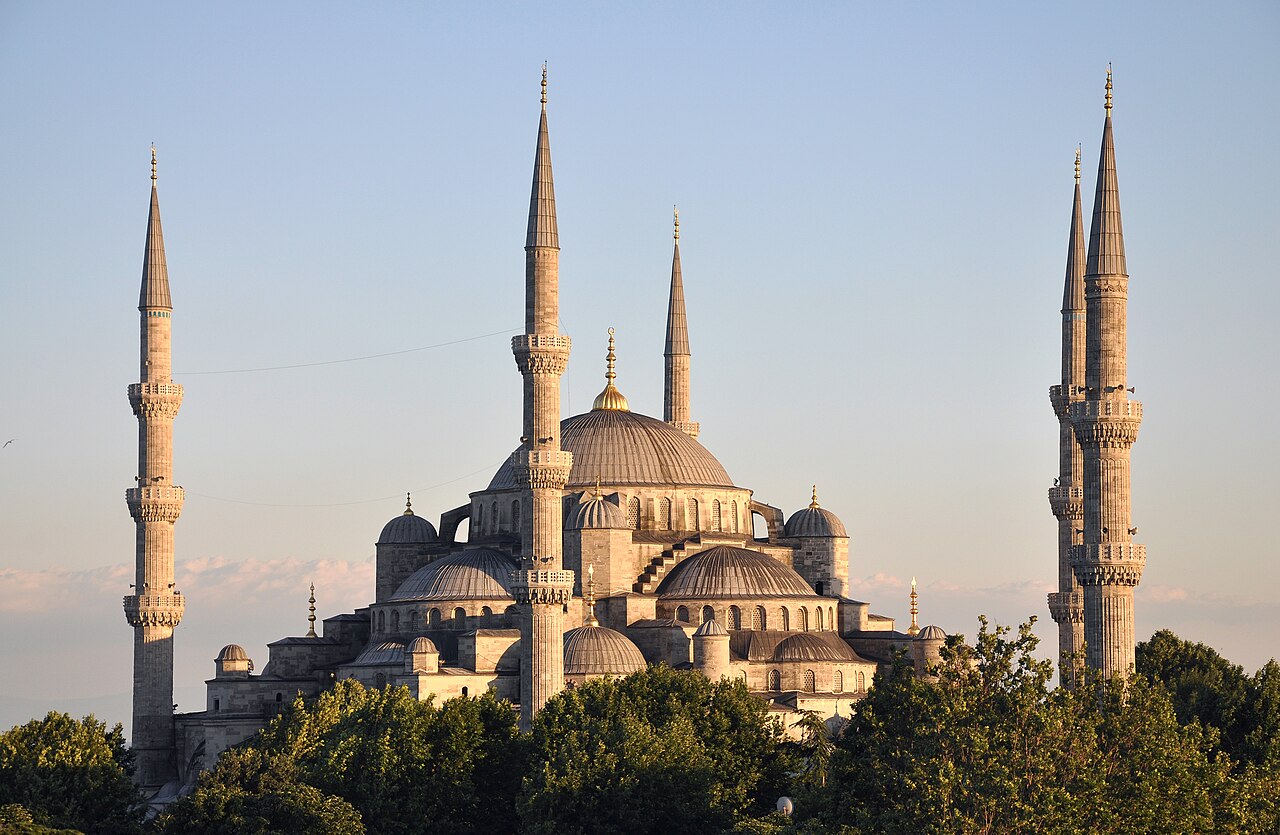
Sultan Ahmed Mosque
Sedefkâr Mehmed Agha · 1609-1617
The great imperial mosque, known as the Blue Mosque, built in Istanbul on Ahmed I's orders between 1609 and 1617.
Ahmed I commissioned this mosque as his defining monument, asserting his piety and dynastic prestige.
About this source
What it is
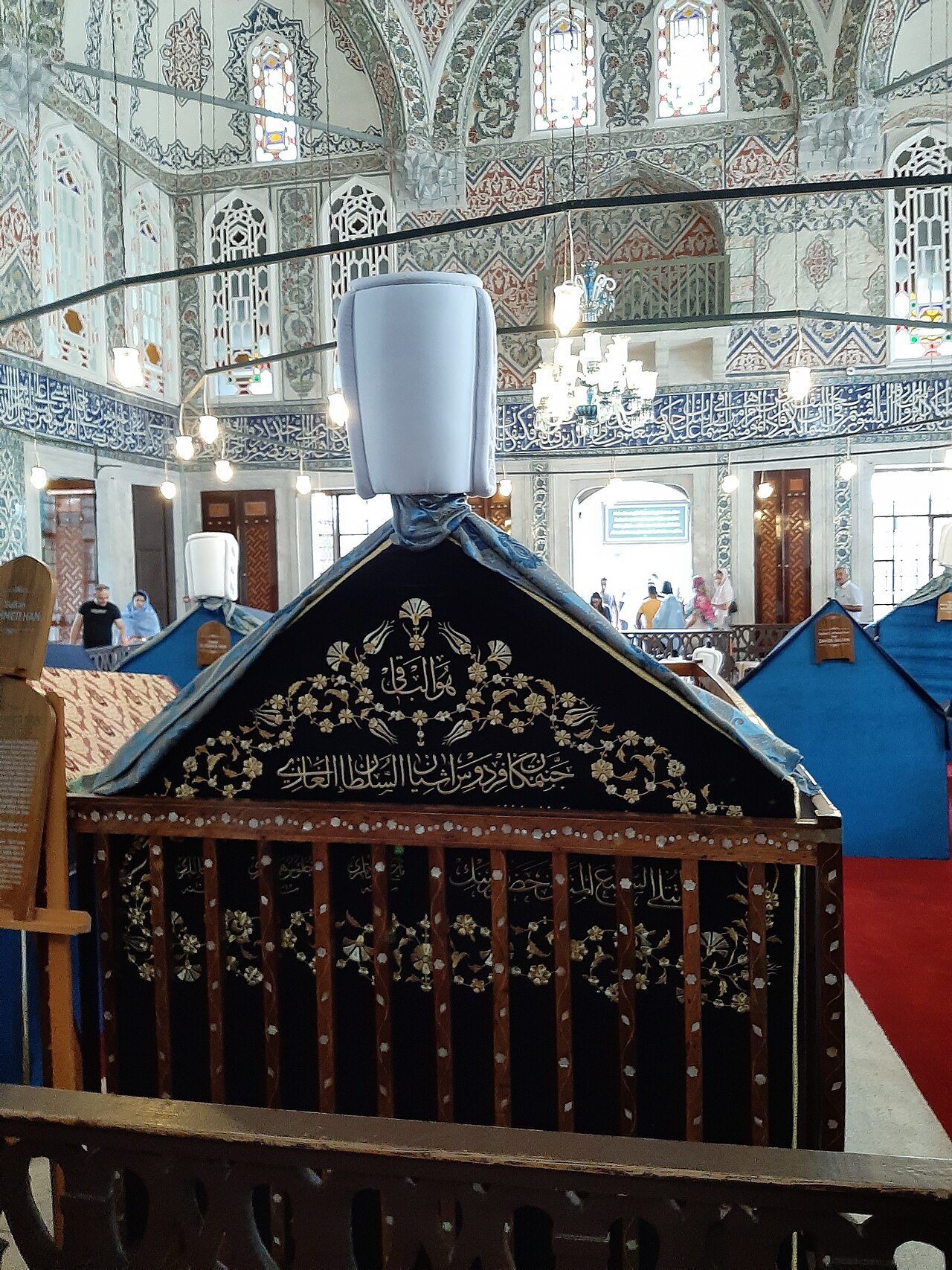
The Sultan Ahmed Mosque, popularly called the Blue Mosque, is an imperial mosque in Istanbul built between 1609 and 1617 under Sultan Ahmed I, designed by the architect Sedefkâr Mehmed Agha. It stands across from Hagia Sophia and is decorated inside with thousands of blue Iznik tiles. The complex includes Ahmed's own tomb and other buildings.
Why it matters
Ahmed I ordered the mosque after the Peace of Zsitvatorok, a treaty seen as damaging to Ottoman prestige, hoping the project would win divine favour and restore his standing. Because he had won no major military victory, religious scholars objected to using treasury funds this way, and some even forbade prayer there at first. The mosque shows how rulers used architecture to assert authority and piety even in difficult political times.
Look closer
- Why might a sultan build a huge mosque right across from an older, famous building like Hagia Sophia?
- What does the controversy over its funding tell you about the limits on a sultan's power?
- What has changed about the building since the 1600s, and what has stayed the same?
This artifact is part of the curated material that grounds the AI version of Ahmed I and Kosem Sultan on Humy.ai — when students ask about related events, the AI can quote it and cite it.


Ready when you are
Start chatting with Ahmed I now.
20 messages free · No credit card · Available in 50+ languages.