


Primary sourceDocument1987
Montreal Protocol
1987
The 1987 international treaty that phased out ozone-depleting chemicals, the direct policy result of the ozone science Molina helped establish.
This treaty is the policy outcome of the ozone science Molina co-discovered and the advocacy that followed his research.
Free Humy account · No credit card · 53,307 sources to read
About this source
What it is
The Montreal Protocol is an international treaty agreed in 1987, entering into force in 1989, that required countries to phase out the production of chemicals that destroy the ozone layer, such as chlorofluorocarbons (CFCs). It has been amended several times since and was eventually ratified by nearly every country in the world.
Why it matters
The treaty is widely seen as one of the most successful examples of international cooperation on an environmental problem. It exists because scientists, including Mario Molina, showed that CFCs released into the atmosphere break down ozone molecules, raising risks to human health and the environment. Thanks to the measures in the Protocol, the ozone layer is slowly recovering.
Look closer
- Why might nearly every country in the world have agreed to sign this treaty?
- What does the treaty's focus on scientific review suggest about the relationship between science and policy?
- What problems might happen when policy has to balance developed and developing countries' needs?
This document is part of the curated material that grounds the AI version of Mario Molina on Humy.ai — when students ask about related events, the AI can quote it and cite it.
More Mario Molina sources
Browse all 17 →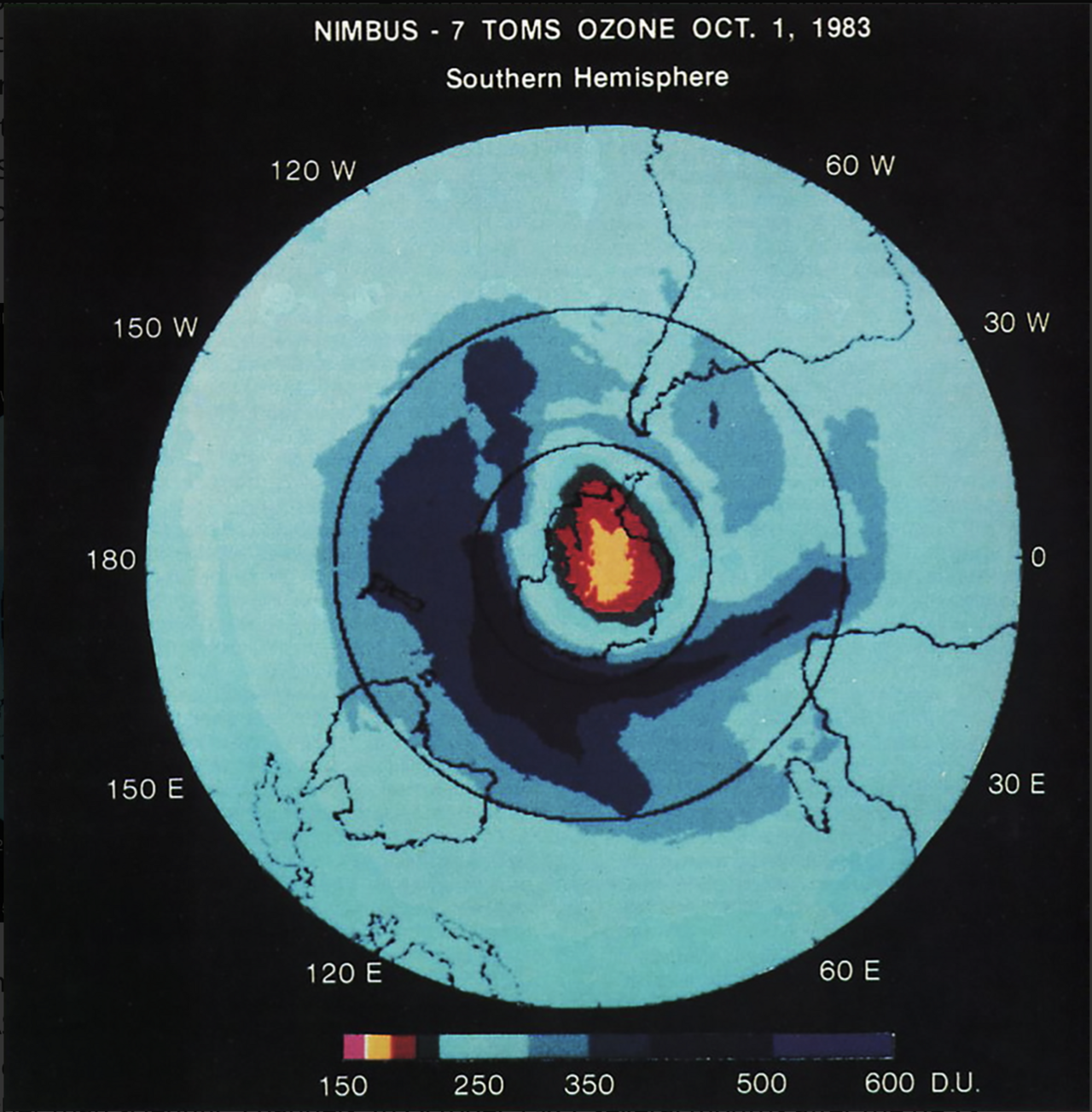 Artifact
Primary source
Satellite Map of Ozone over Antarctica, 1983
NASA · 1 October 1983
Secondary source
Presidential Medal of Freedom Recipient: Mario Molina
The White House · 2013
 Photograph
Primary source
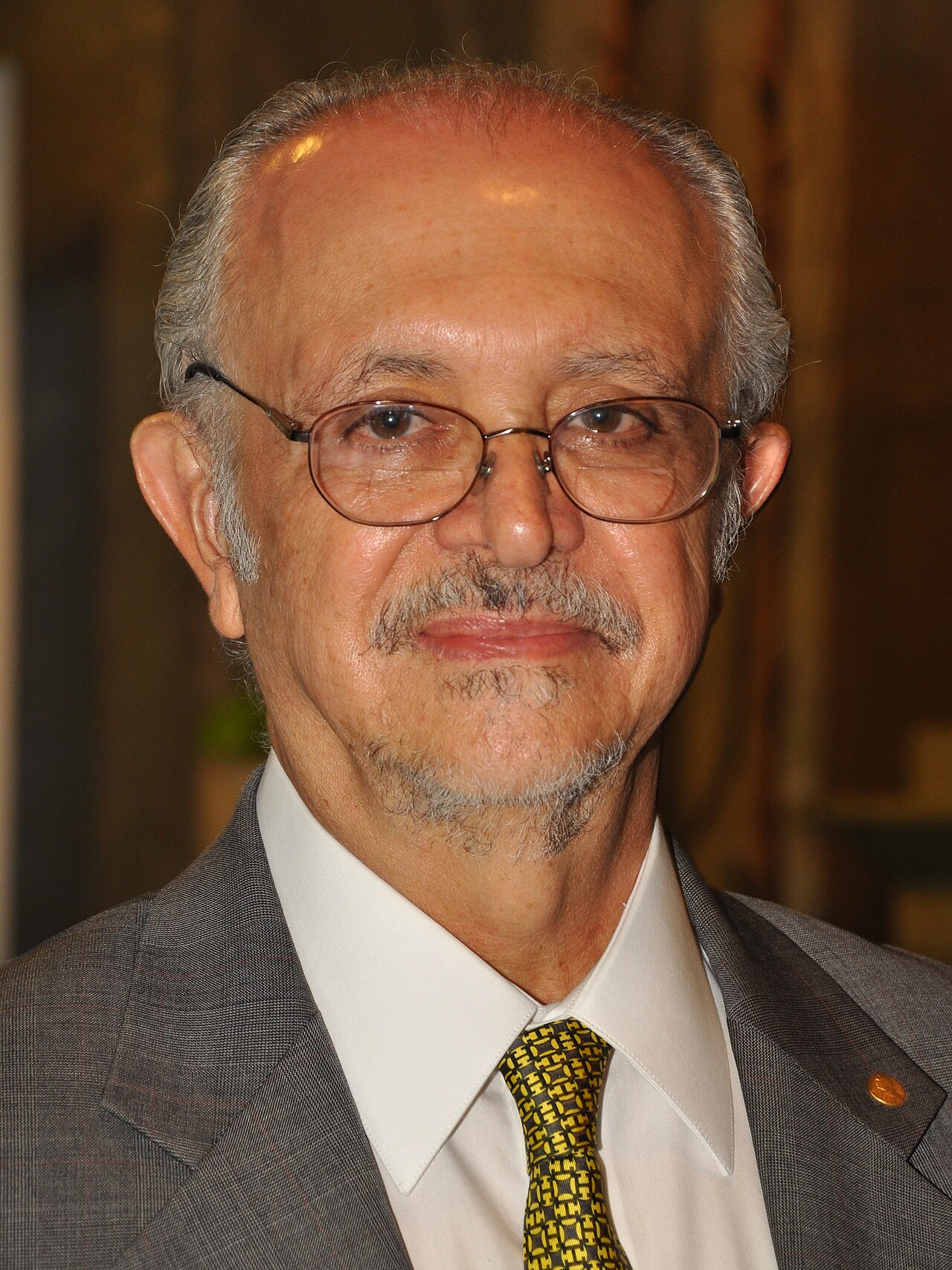
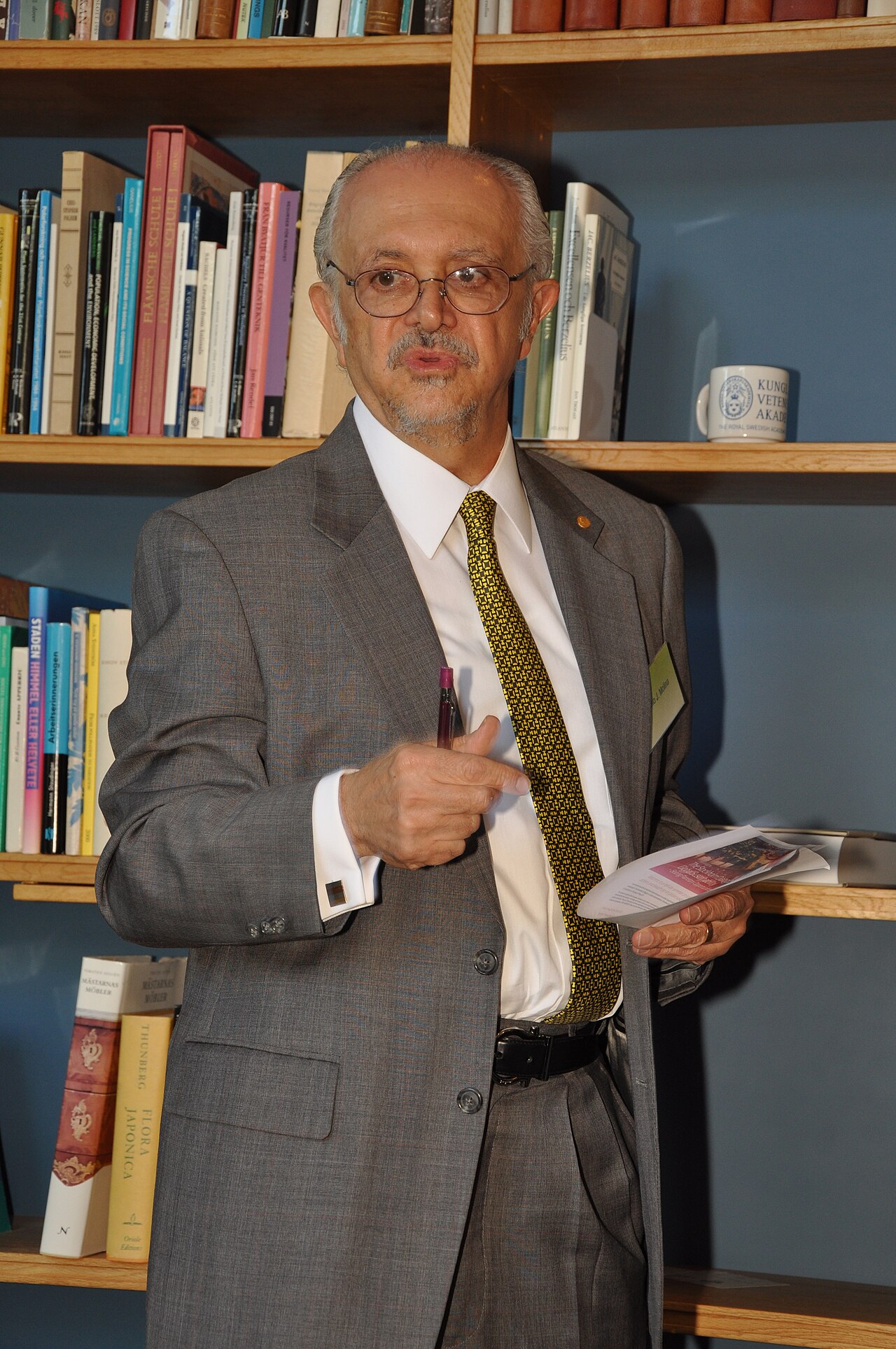
Portrait of Mario Molina
2011
Secondary source
Proclamation 7220
Free account
Browse every Mario Molina source
Sign up free →
Ready when you are
Start chatting with Mario Molina now.
20 messages free · No credit card · Available in 50+ languages.