


Secondary sourcePhotographc. 1865 (depicting 1862)
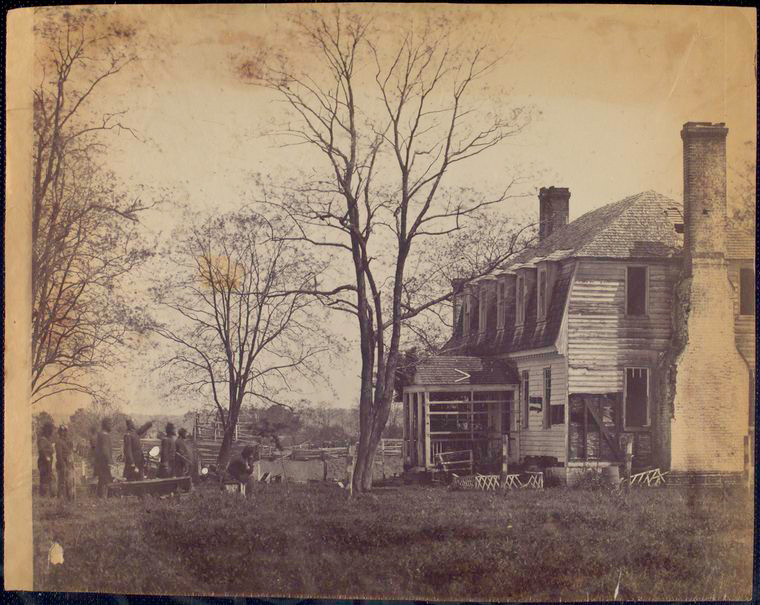
Moore House near Yorktown
Alexander Gardner · c. 1865 (depicting 1862)
A photograph of the Moore House, where surrender terms ending the Siege of Yorktown were negotiated after Cornwallis's defeat in 1781.
The Moore House is linked to the surrender negotiations following Cornwallis's defeat at Yorktown in 1781.
About this source
What it is
This is a sepia photograph of the Moore House, a two-story wooden clapboard building near Yorktown, Virginia. The photograph was taken around 1865 by Alexander Gardner for the United States Sanitary Commission, decades after the events it recalls.
Why it matters
The Moore House is remembered as the site where terms were negotiated for the surrender following the siege of Yorktown in 1781, an event tied directly to Cornwallis, whose army was besieged there. The building's survival let later photographers document a site connected to the end of major fighting in the American Revolutionary War.
Look closer
- Why might someone photograph this house decades after the events connected to it?
- What does the photograph tell us, and what does it leave out, about what actually happened there?
- How do old houses like this become historical markers?
This photograph is part of the curated material that grounds the AI version of Charles Cornwallis on Humy.ai — when students ask about related events, the AI can quote it and cite it.
More Charles Cornwallis sources
Meet the AI Charles Cornwallis →Primary source
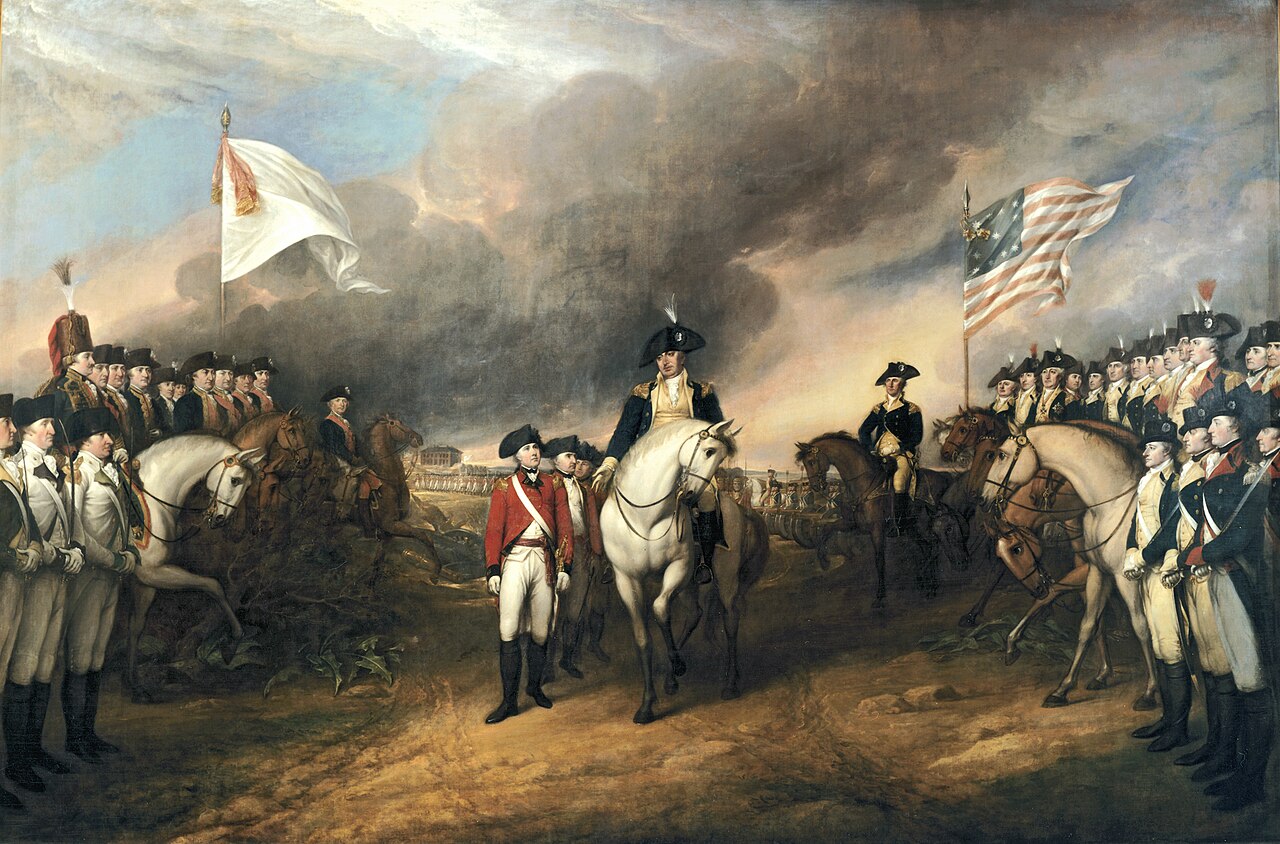
Articles of Capitulation, Yorktown
Charles Cornwallis; George Washington; Comte de Rochambeau; Comte de Barras · 19 October 1781
 Painting
Secondary source
Surrender of Lord Cornwallis
John Trumbull · 1819
 Painting
Primary source
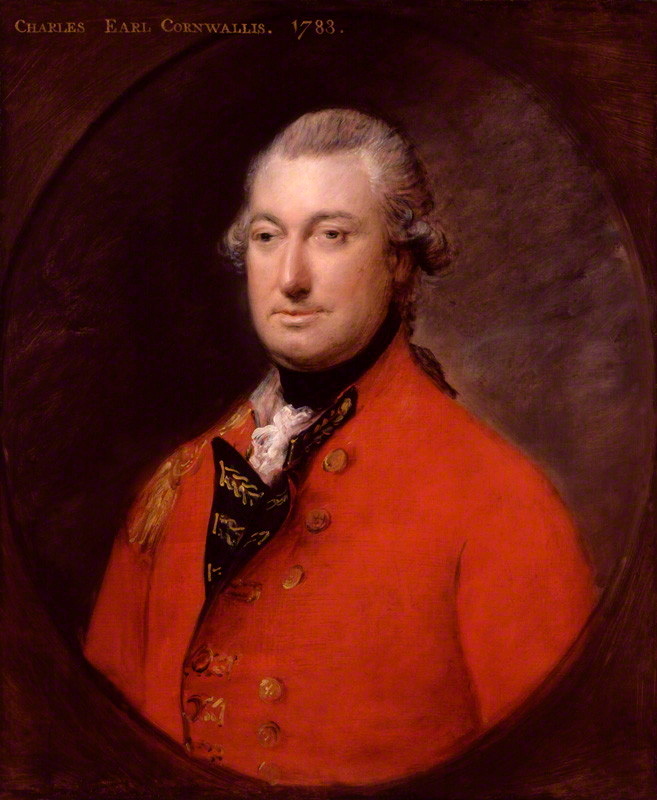
Charles Cornwallis, 1st Marquess Cornwallis
Thomas Gainsborough · 1783
 Painting
Secondary source
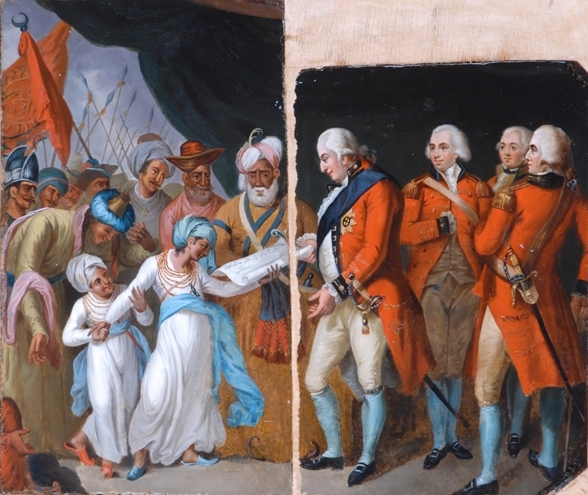
Lord Cornwallis receiving the Hostage Princes
Mather Brown · 1793
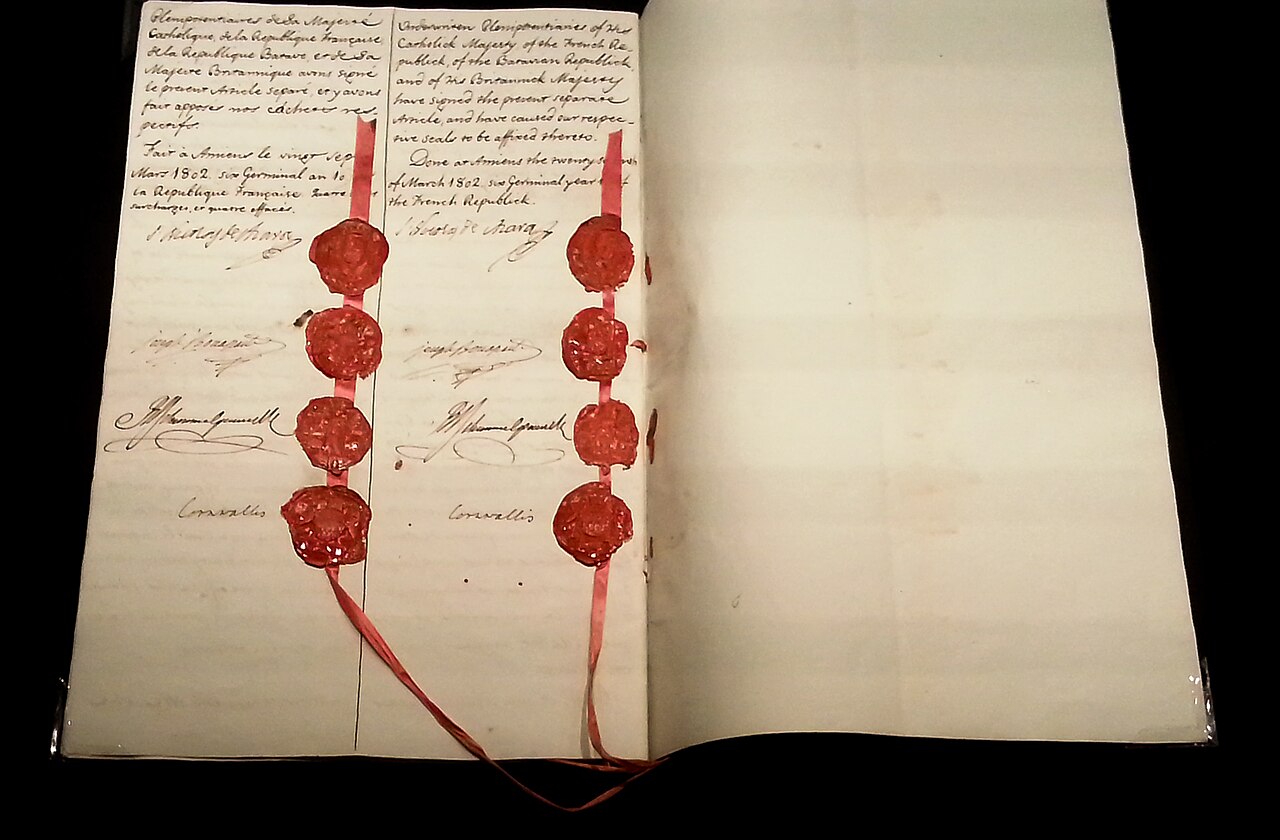 Document
Primary source
Treaty of Amiens
25 March 1802
Ready when you are
Start chatting with Charles Cornwallis now.
20 messages free · No credit card · Available in 50+ languages.