


Primary sourceDocument23–26 August 1968
Moscow Protocol
23–26 August 1968
The secret agreement Dubček and other Czechoslovak leaders were forced to sign in Moscow after the 1968 invasion, beginning the end of the Prague Spring reforms.
Dubček signed this document under duress in Moscow, marking the start of the dismantling of his reforms.
Free Humy account · No credit card · 120,912 sources to read
About this source
What it is
The Moscow Protocol was a document signed by Czechoslovak political leaders in Moscow between 23 and 26 August 1968, days after Soviet-led forces invaded Czechoslovakia. Signatories included President Ludvík Svoboda, First Secretary Alexander Dubček, Prime Minister Oldřich Černík, and other party leaders including Gustáv Husák. Only František Kriegel refused to sign.
Why it matters
The protocol forced Czechoslovak leaders to accept promises that undercut the reforms of the Prague Spring, including restraining the media and rejecting outside interference. It marks the moment Dubček, under pressure, agreed to terms that led directly to the 'normalization' period, when his reforms were dismantled and he was eventually removed from power.
Look closer
- Why might Dubček have signed a document that undid his own reforms?
- What does the refusal of one signer, Kriegel, tell you about the pressure the others were under?
- What does this document leave out about how the agreement was reached?
This document is part of the curated material that grounds the AI version of Alexander Dubček on Humy.ai — when students ask about related events, the AI can quote it and cite it.
More Alexander Dubček sources
Browse all 62 →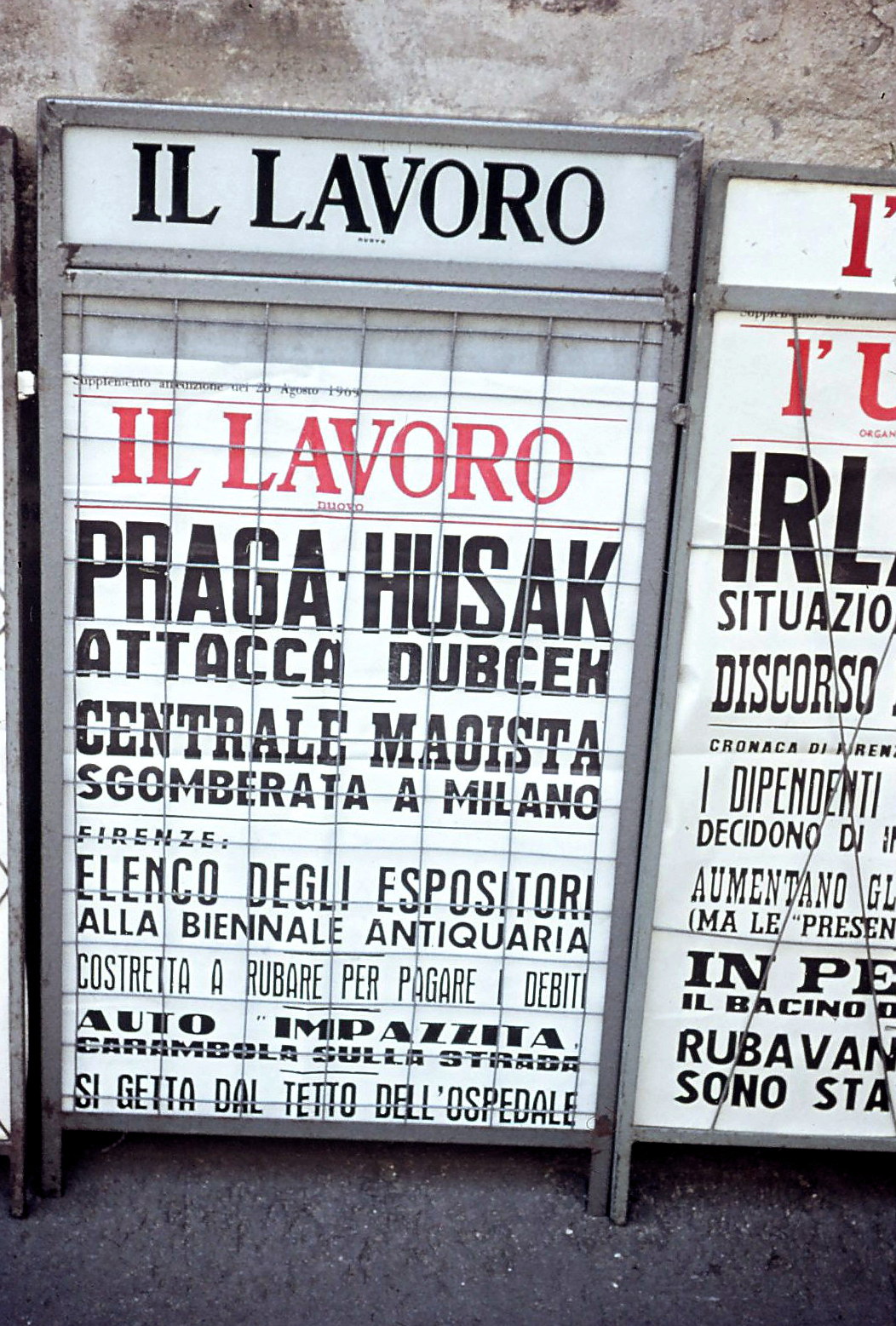 Photograph
Primary source
Italian Newspaper Stands with Headlines on Dubček
Bubeníček family · 1969
Primary source
The Two Thousand Words
Ludvík Vaculík · 27 June 1968
 Photograph
Primary source
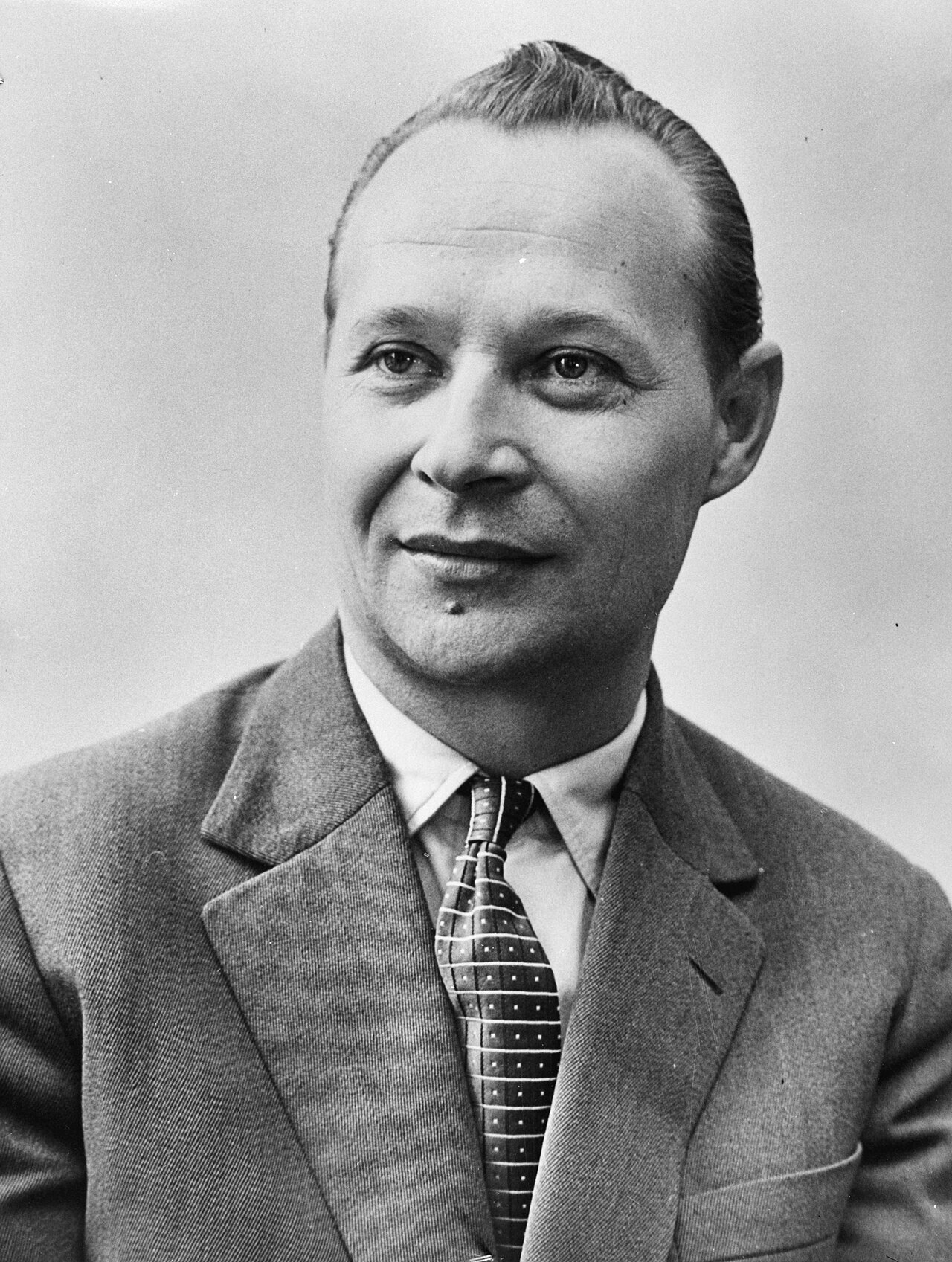
Portrait of Alexander Dubček, August 1968
ČTK · 1968
 Photograph
Primary source
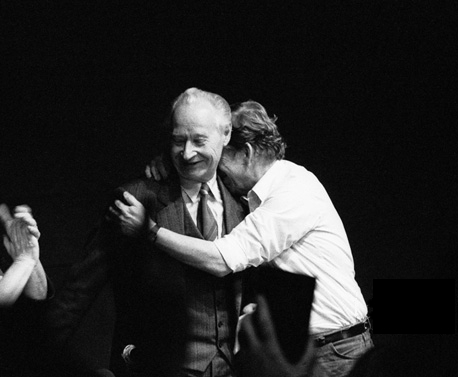
Havel and Dubček at Laterna Magika
Jaroslav Kučera · 24 November 1989
Free account
Read every Alexander Dubček source
Sign up free →
Ready when you are
Start chatting with Alexander Dubček now.
20 messages free · No credit card · Available in 50+ languages.