


Primary sourceDocument27 June 1968
The Two Thousand Words
Ludvík Vaculík · 27 June 1968
A 1968 manifesto by writer Ludvík Vaculík urging faster grassroots reform, which Moscow used as evidence Dubček had lost control of the Prague Spring.
This manifesto pressured Dubček's reforms to move faster than he intended, feeding Soviet suspicion of him.
Free Humy account · No credit card · 120,912 sources to read
About this source
What it is
"The Two Thousand Words" is a manifesto written by Czech writer Ludvík Vaculík, signed by intellectuals and artists on 17 June 1968 and published later that month during the Prague Spring. It called on citizens to hold the Communist Party accountable through openness, peaceful protest, and support for its reformist wing, rather than revolution.
Why it matters
The manifesto energized reform-minded citizens but alarmed conservatives and the Soviet Union, who cited it as proof that change in Czechoslovakia was spiraling out of party control. Alexander Dubček, as head of the party, publicly called for unity in response, and the document became one of the pretexts the Soviets used to justify the invasion that August.
Look closer
- Why might a call for peaceful reform be seen as dangerous by the Soviet Union?
- How did this document put Dubček in a difficult position between reformers and Moscow?
- What tone does Vaculík use to persuade ordinary workers and officials?
This document is part of the curated material that grounds the AI version of Alexander Dubček on Humy.ai — when students ask about related events, the AI can quote it and cite it.
More Alexander Dubček sources
Browse all 62 →Primary source
Moscow Protocol
23–26 August 1968
 Photograph
Primary source
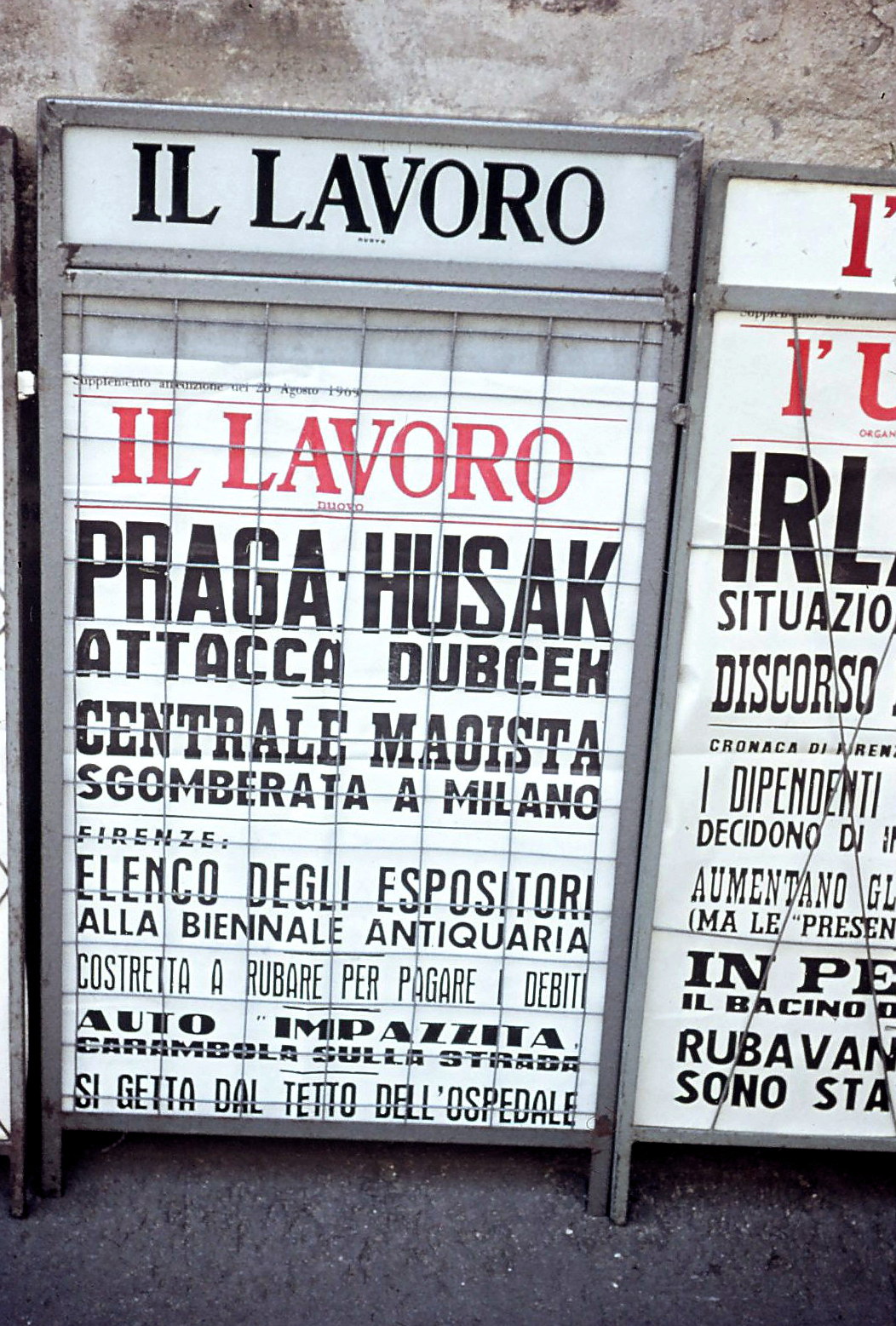
Italian Newspaper Stands with Headlines on Dubček
Bubeníček family · 1969
 Photograph
Primary source
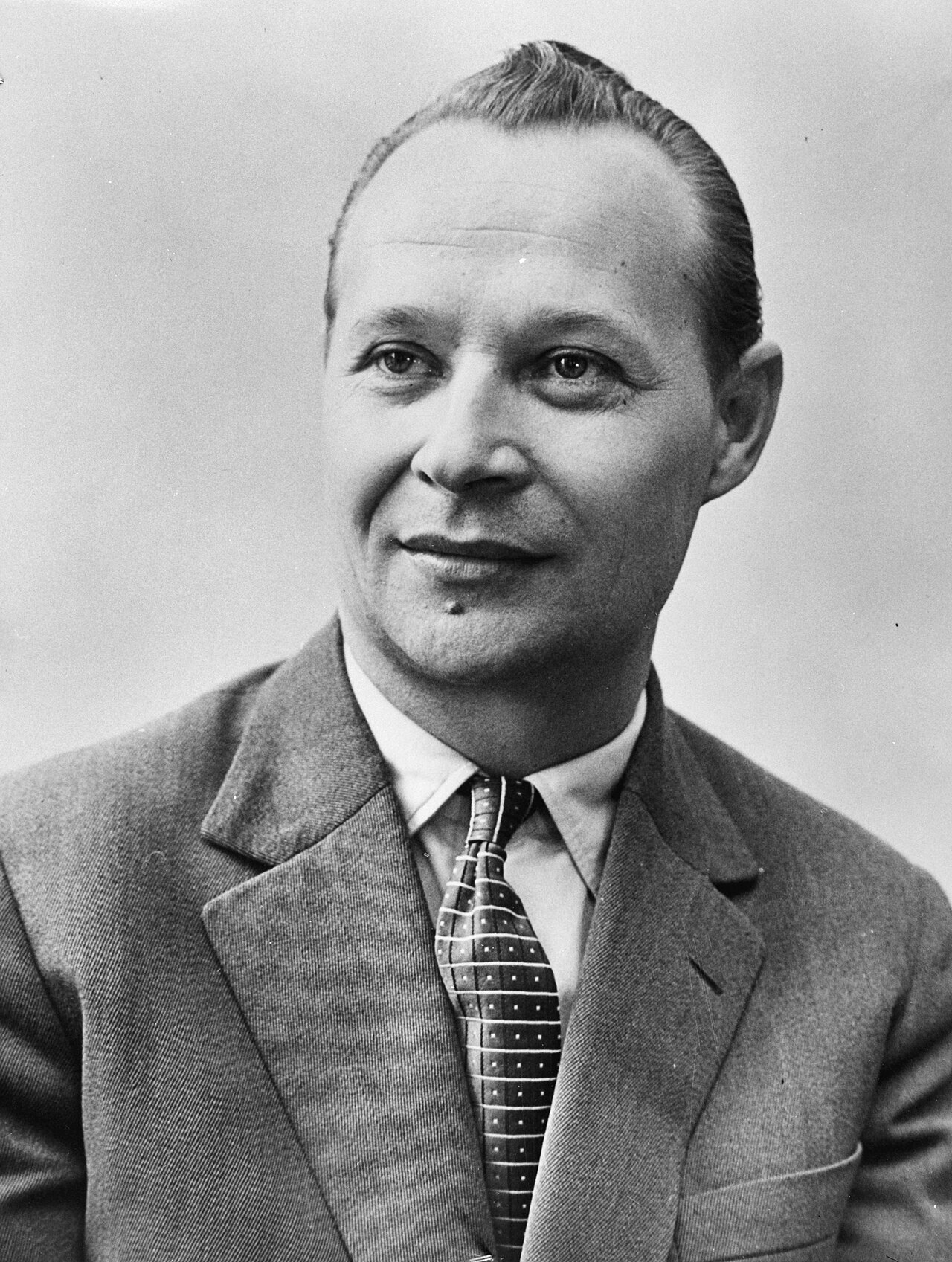
Portrait of Alexander Dubček, August 1968
ČTK · 1968
 Photograph
Primary source
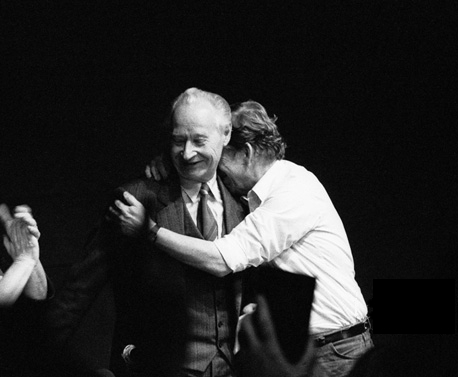
Havel and Dubček at Laterna Magika
Jaroslav Kučera · 24 November 1989
Free account
Read every Alexander Dubček source
Sign up free →
Ready when you are
Start chatting with Alexander Dubček now.
20 messages free · No credit card · Available in 50+ languages.