


Primary sourceBook1939
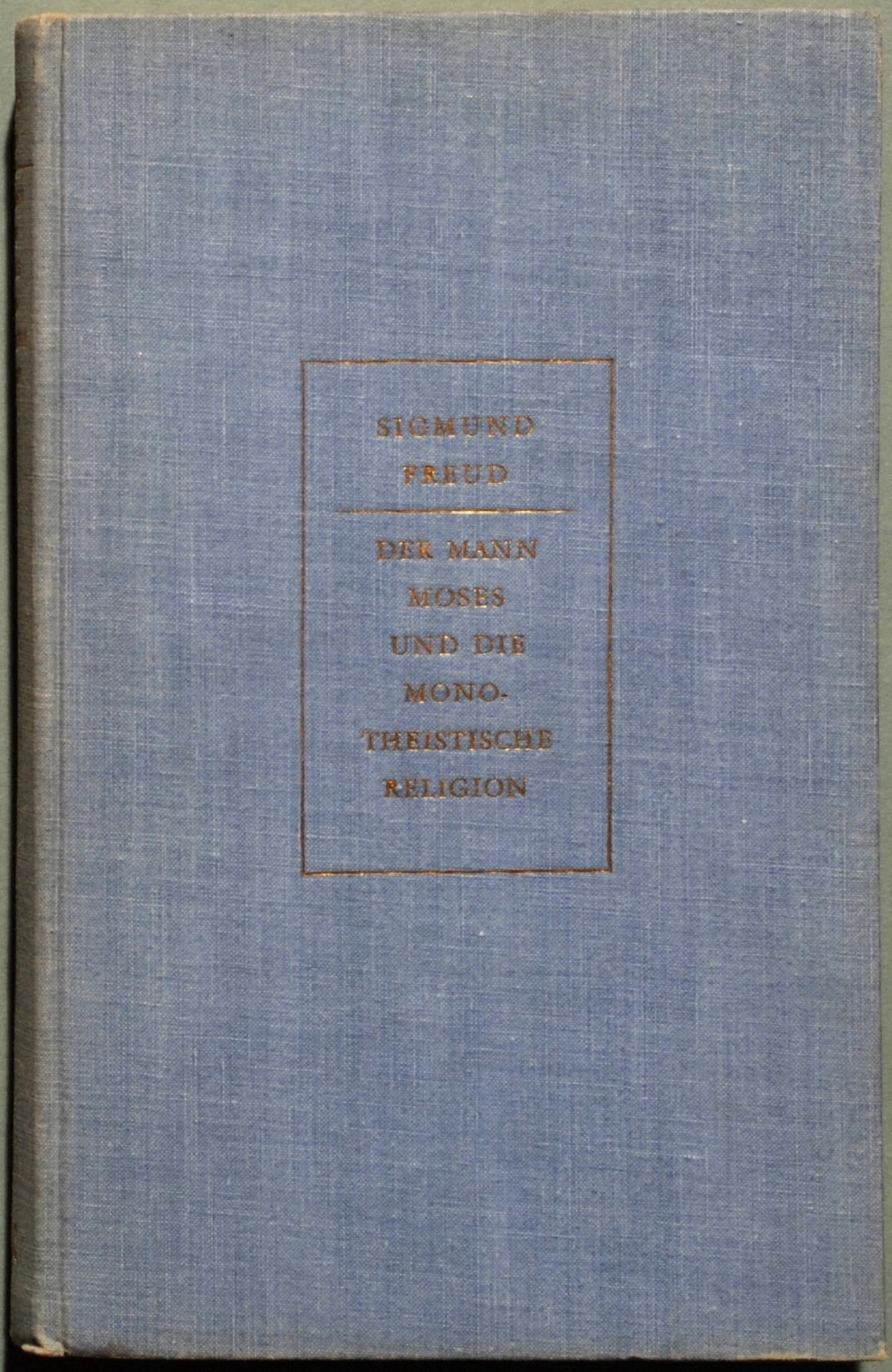
Moses and Monotheism
Sigmund Freud · 1939
Freud's final book, written in exile in 1939, proposing a controversial psychoanalytic theory of Moses and the origins of monotheism.
Freud's last book, written as he faced exile from Nazism, reflecting on Jewish identity and the psychology of religion.
About this source
What it is
A 1939 book by Sigmund Freud, titled Der Mann Moses und die monotheistische Religion in German, completed shortly before his death.
Why it matters
Freud proposed that Moses was originally Egyptian, a follower of the monotheist pharaoh Akhenaten, and that he was later murdered by his own followers who then idealized him out of guilt. Freud connects this theory to ideas he first developed in Totem and Taboo about repressed guilt shaping religion. Written as Freud faced exile from Nazi persecution of Jews, the book reflects his lifelong engagement with Jewish identity and history. It provoked strong criticism from historians, archaeologists, and theologians, including William Albright and Rowan Williams, for lacking historical evidence.
Look closer
- Why might Freud have written about Jewish identity and Moses at this particular point in his life?
- What evidence does Freud use to support his theory, and what do critics say is missing?
- How does this book connect psychoanalysis to history and religion?
This book is part of the curated material that grounds the AI version of Sigmund Freud on Humy.ai — when students ask about related events, the AI can quote it and cite it.
More Sigmund Freud sources
Meet the AI Sigmund Freud →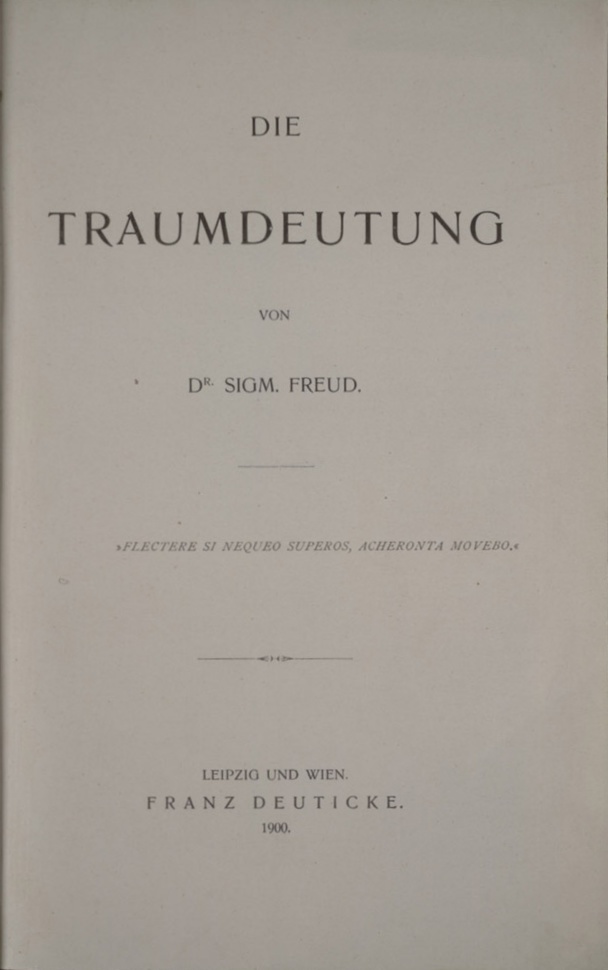 Book
Secondary source
The Interpretation of Dreams
Sigmund Freud · 1900
 Book
Primary source
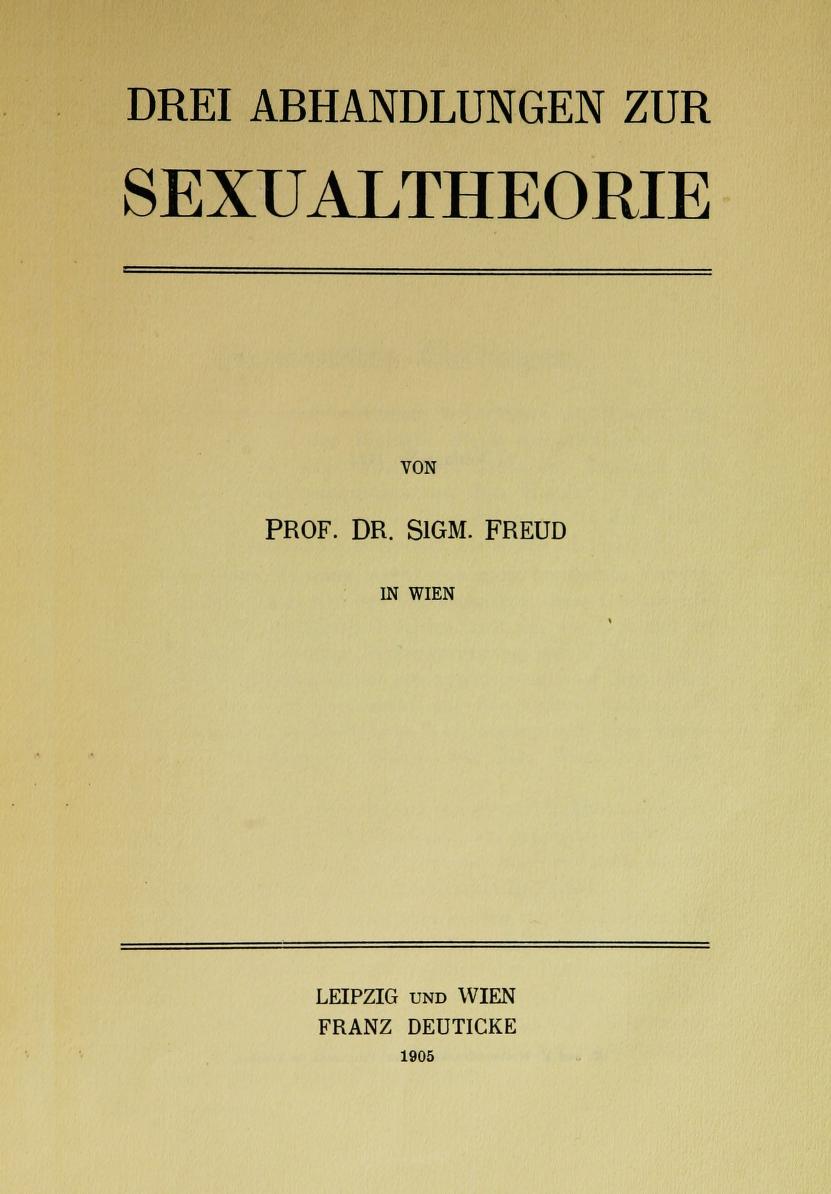
Three Essays on the Theory of Sexuality
Sigmund Freud · 1905
 Book
Primary source
The Ego and the Id
Sigmund Freud · 1923
 Book
Primary source
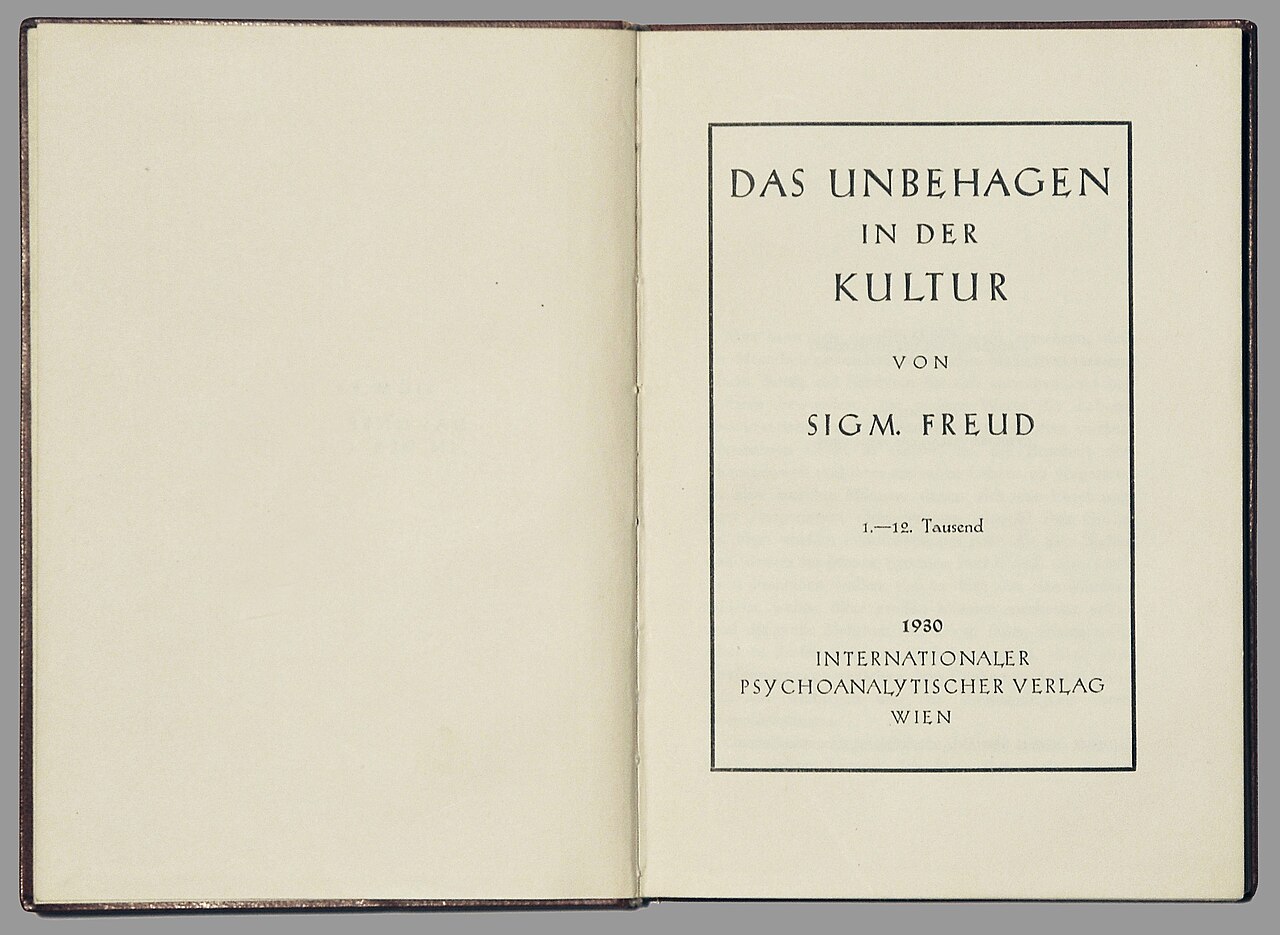
Civilization and Its Discontents
Sigmund Freud · 1930
Primary source
Sigmund Freud's Voice (BBC Broadcast Recording, 1938)
Sigmund Freud · 27 December 1938
Ready when you are
Start chatting with Sigmund Freud now.
20 messages free · No credit card · Available in 50+ languages.