


Primary sourceBook19 October 1833
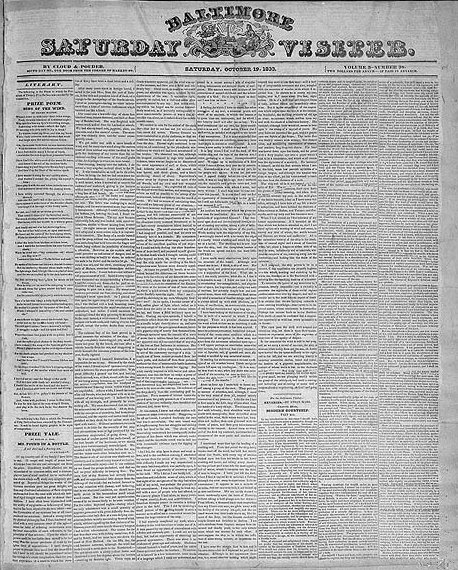
MS. Found in a Bottle
Edgar Allan Poe · 19 October 1833
Poe's prize-winning 1833 short story about a sailor's mysterious voyage toward the South Pole, which launched his career as a prose writer.
This prize-winning tale by Poe marked the start of his career as a published prose writer.
About this source
What it is
This is a short story written by Edgar Allan Poe, published in the Baltimore Saturday Visiter on 19 October 1833 after winning the newspaper's writing contest. It tells of an unnamed narrator whose ship is wrecked and who ends up aboard a strange, ancient ghost-like vessel being driven toward the South Pole, writing a manuscript of his adventures to cast into the sea.
Why it matters
Winning this contest and its fifty-dollar prize helped launch Poe's career as a prose writer. The tale blends horror, science, and unexplored geography, drawing on popular theories of the time about the Earth's poles. It shows Poe experimenting early with ideas of dread, isolation, and the unknown that would define much of his later fiction.
Look closer
- Why might Poe have chosen to tell the story through a manuscript found at sea rather than directly?
- What does the story's ending leave unexplained, and why might that add to its effect?
- How does Poe use scientific ideas of his time to make a fantastical story feel believable?
This book is part of the curated material that grounds the AI version of Edgar Allan Poe on Humy.ai — when students ask about related events, the AI can quote it and cite it.
More Edgar Allan Poe sources
Meet the AI Edgar Allan Poe →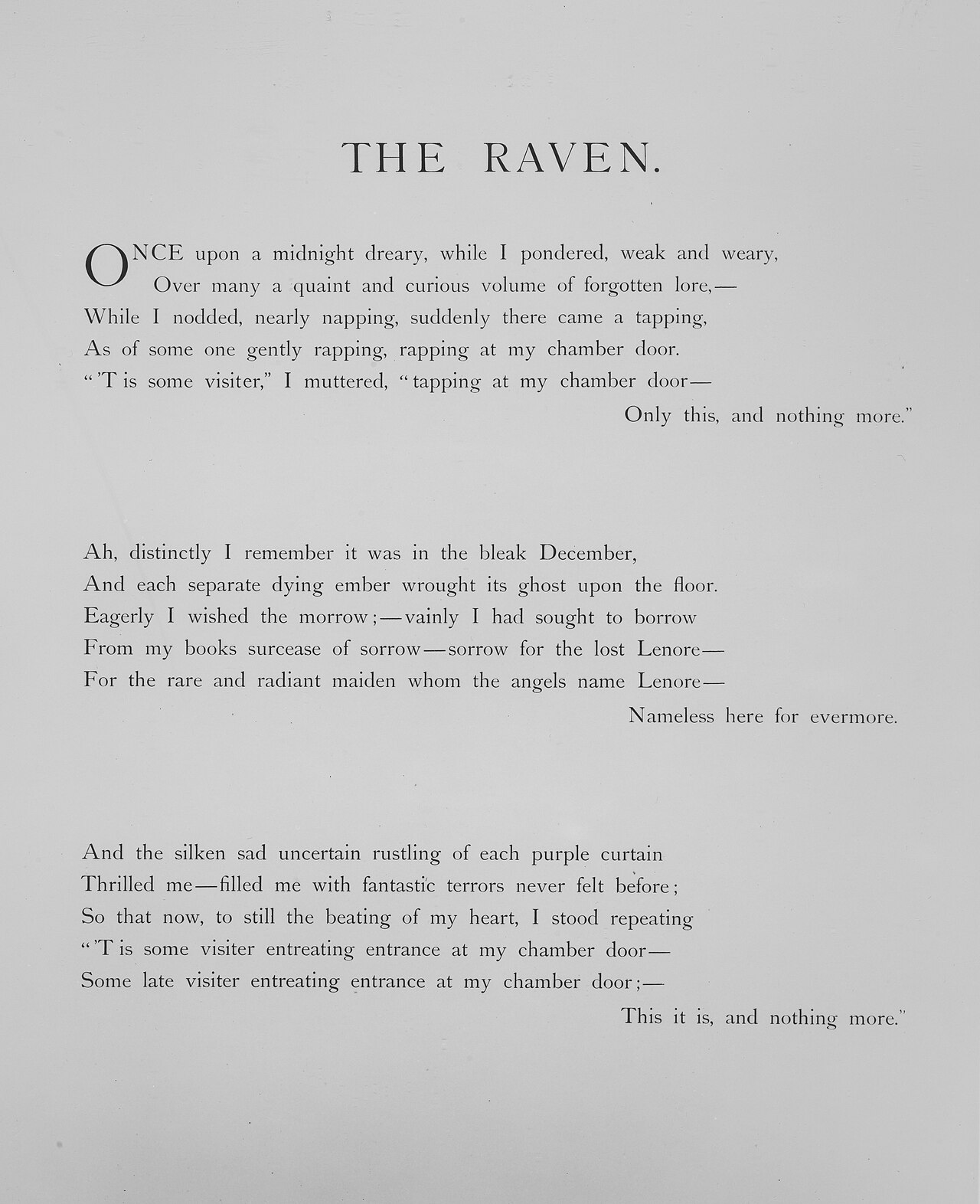 Book
Primary source
The Raven
Edgar Allan Poe · 1845
 Book
Primary source
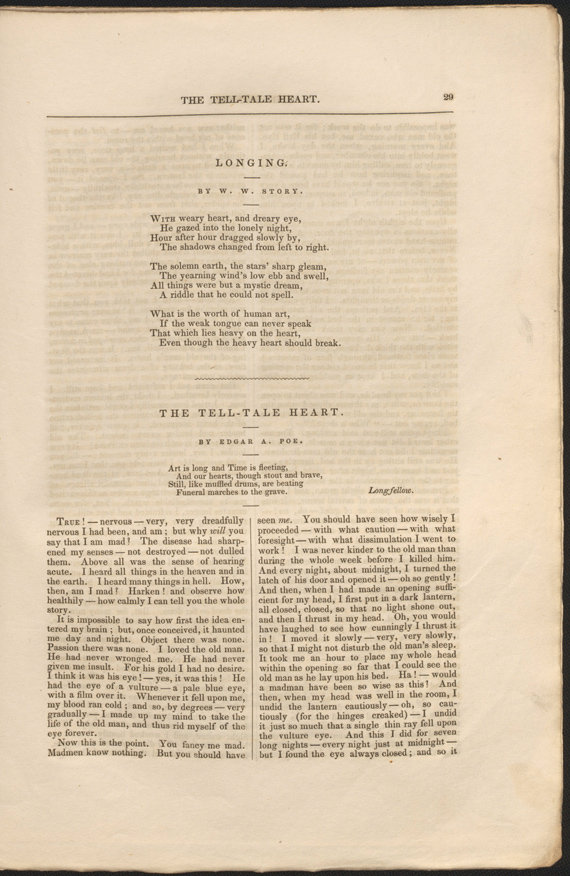
The Tell-Tale Heart
Edgar Allan Poe · 1843
 Book
Primary source
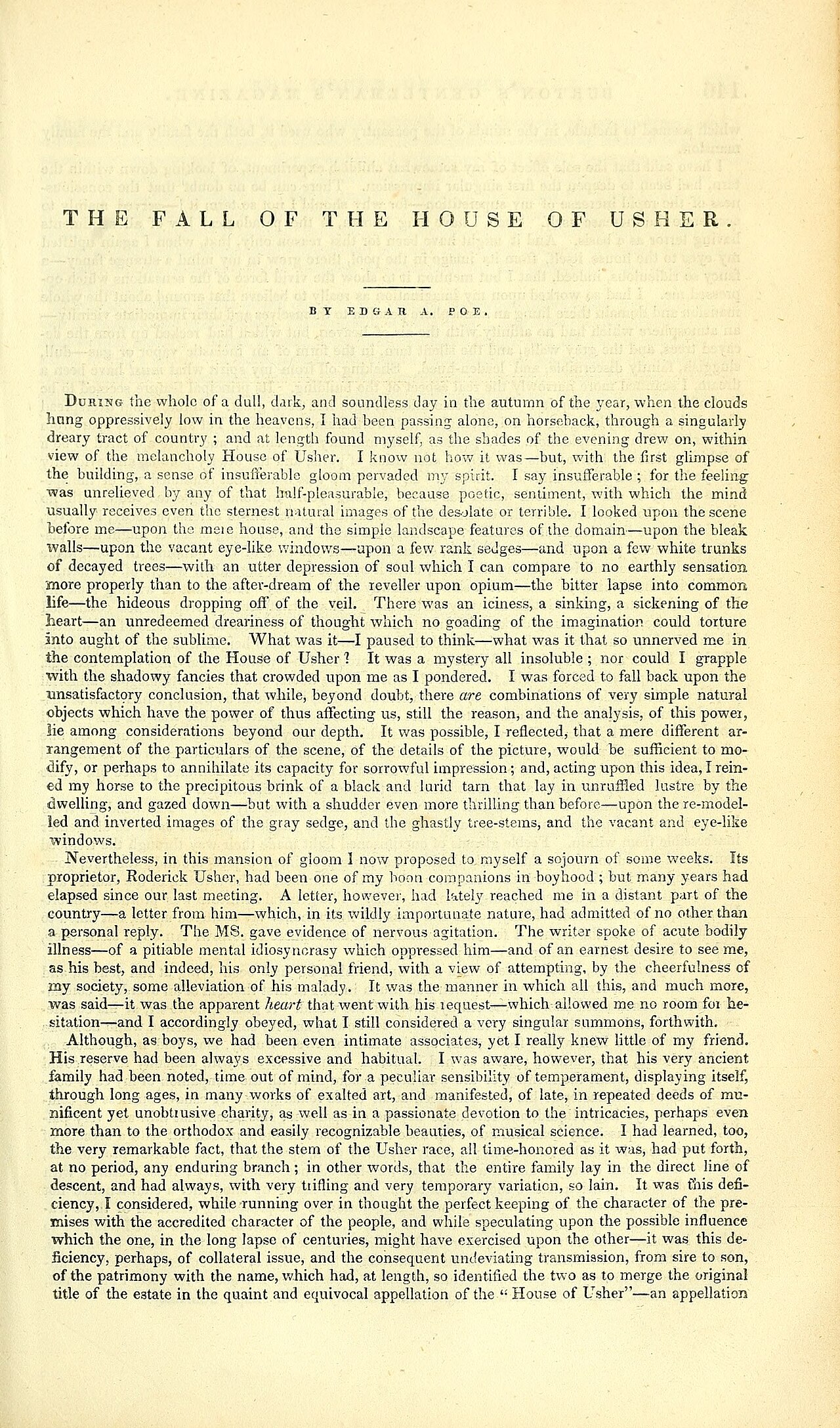
The Fall of the House of Usher
Edgar Allan Poe · 1839
 Book
Primary source
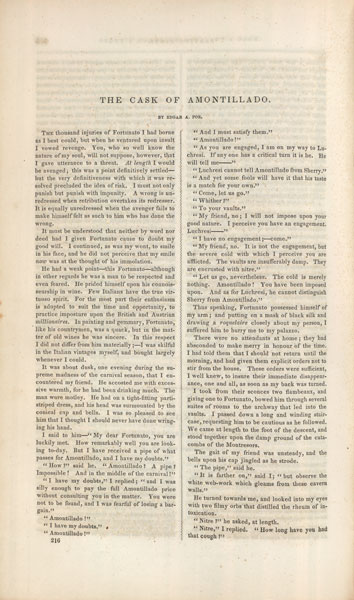
The Cask of Amontillado
Edgar Allan Poe · November 1846
 Book
Primary source
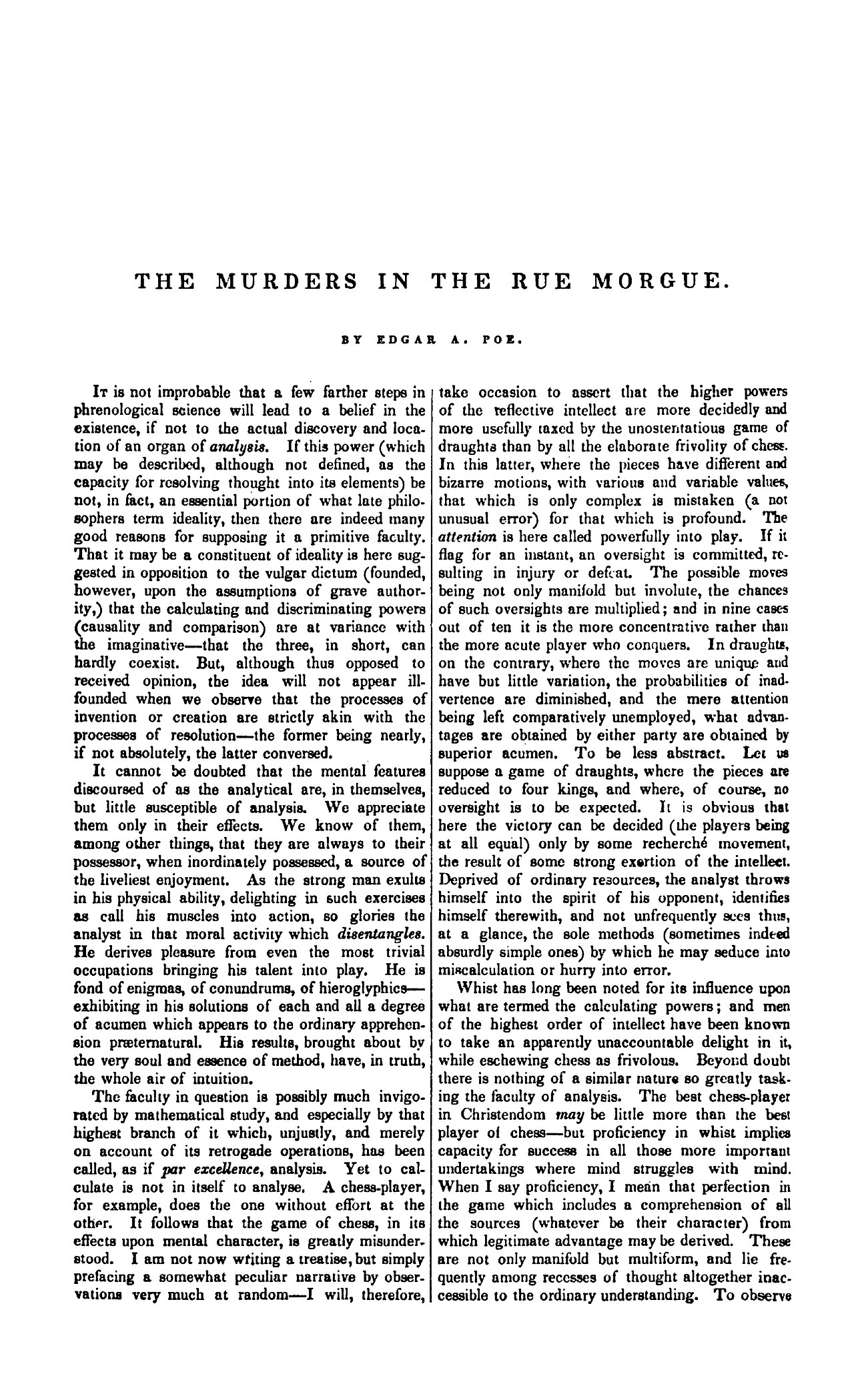
The Murders in the Rue Morgue
Edgar Allan Poe · 1841
Ready when you are
Start chatting with Edgar Allan Poe now.
20 messages free · No credit card · Available in 50+ languages.