


Primary sourceArtifact1848
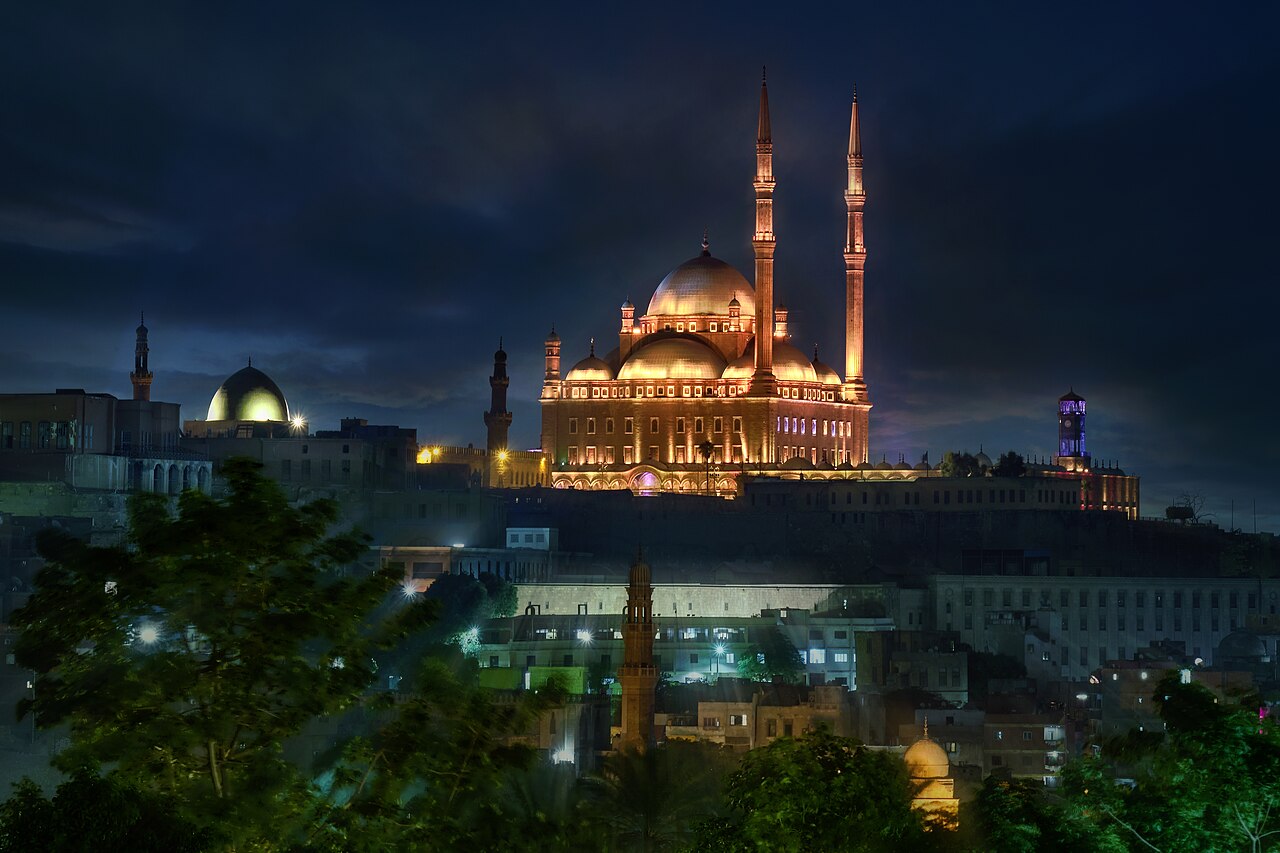
Muhammad Ali Mosque
1848
An Ottoman-style mosque built on the Cairo Citadel by Muhammad Ali, holding his tomb.
Muhammad Ali commissioned this mosque as a monument to his power, and it holds his tomb.
About this source
What it is
This mosque stands within the Cairo Citadel and was ordered by Muhammad Ali, the Ottoman governor who ruled Egypt and built an autonomous dynasty there. Construction began around 1830 and continued for decades, finishing under his successor. Its design broke from older Cairene traditions, using an Ottoman and European-influenced style with large domes and tall minarets, and alabaster covering the walls. Muhammad Ali's body was later placed in a marble tomb inside the building.
Why it matters
The mosque was a statement of power, meant to be seen across the whole city from the Citadel. By choosing an Ottoman style rather than local Mamluk forms, and by using alabaster to support a struggling local industry, Muhammad Ali linked his new dynasty's image to both imperial grandeur and economic policy. The building shows how he wanted his rule to be remembered.
Look closer
- Why might a ruler choose a very visible building style instead of the local tradition?
- What does placing his tomb here suggest about how he wanted to be remembered?
- What is left out of this image — who built it, and under what conditions?
This artifact is part of the curated material that grounds the AI version of Muhammad Ali of Egypt on Humy.ai — when students ask about related events, the AI can quote it and cite it.
More Muhammad Ali of Egypt sources
Browse all 84 →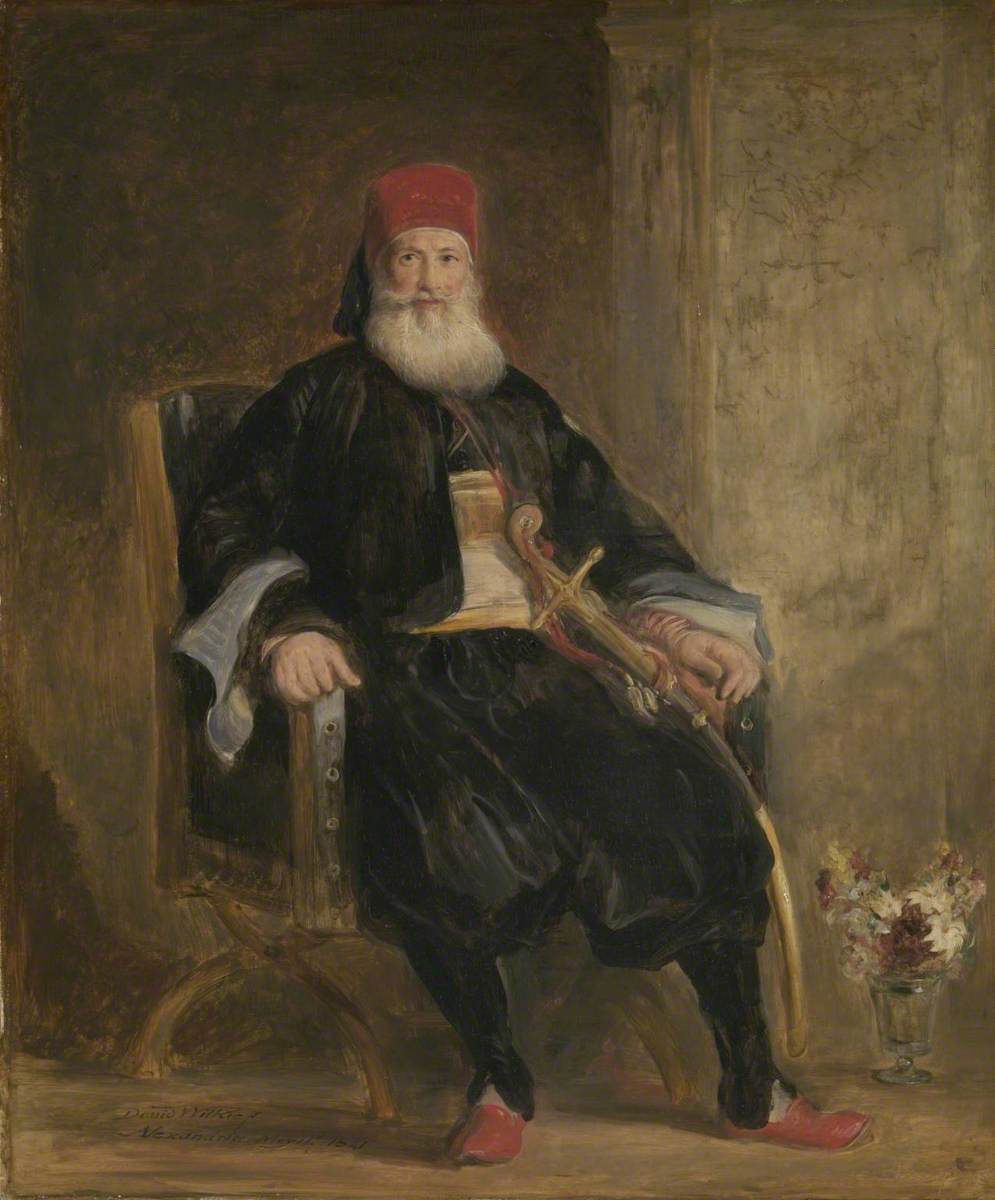 Painting
Primary source
His Highness Muhemed Ali, Pacha of Egypt
David Wilkie · 1841
 Painting
Primary source
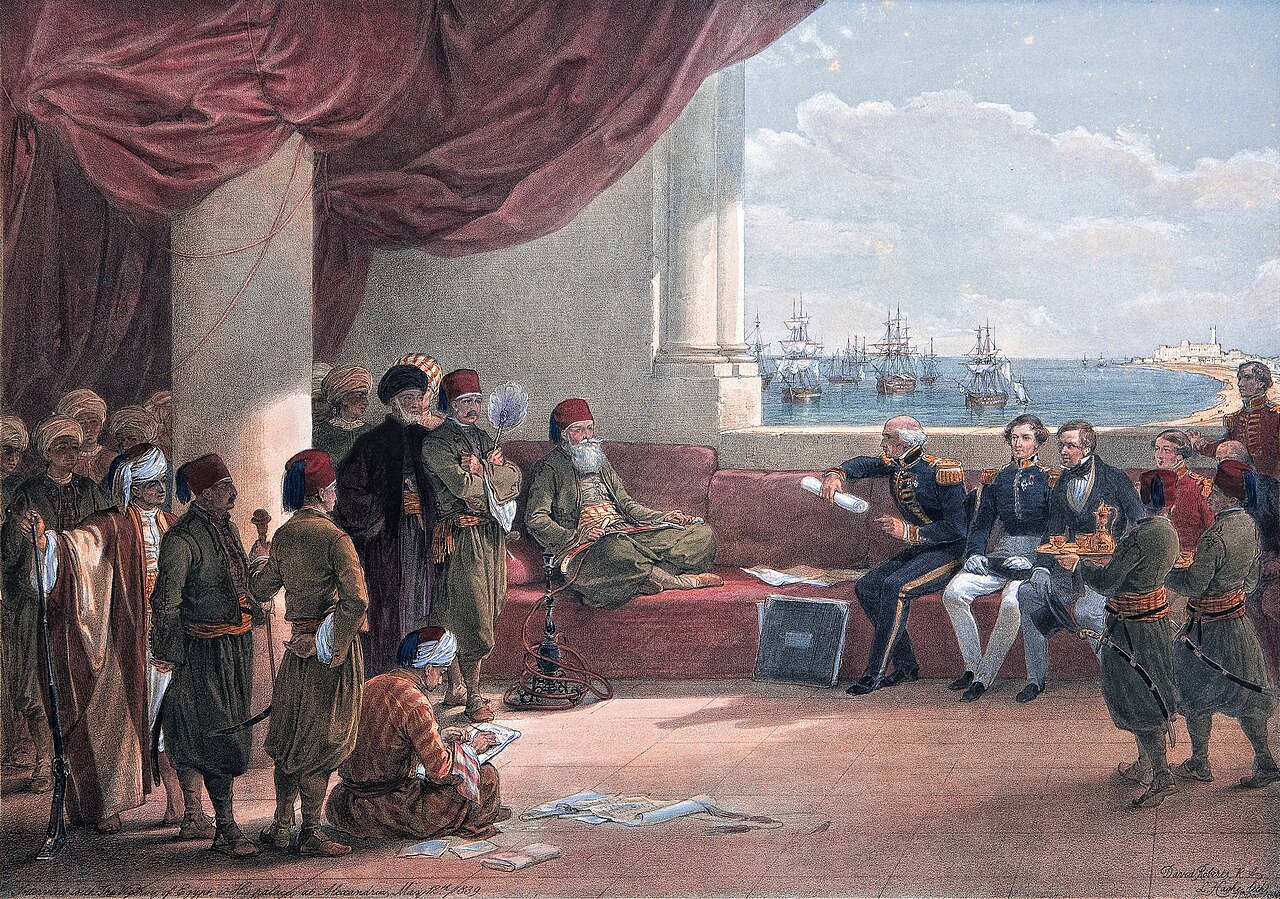
Interview with Mehemet Ali in his Palace at Alexandria
David Roberts and Louis Haghe · 12 May 1839
 Photograph
Primary source
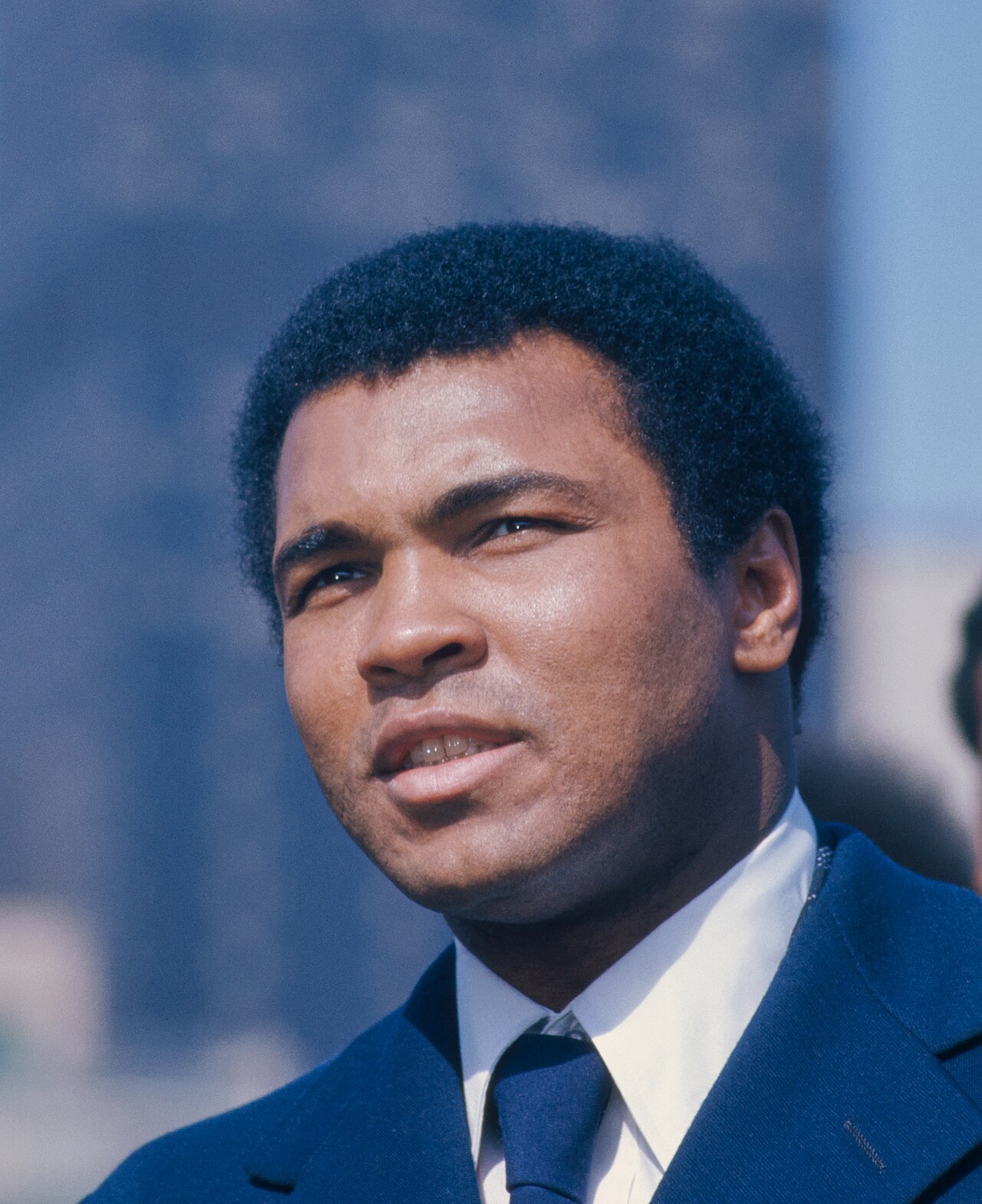
Portrait of Muhammad Ali
Bernard Gotfryd · c. 1975
 Artifact
Secondary source
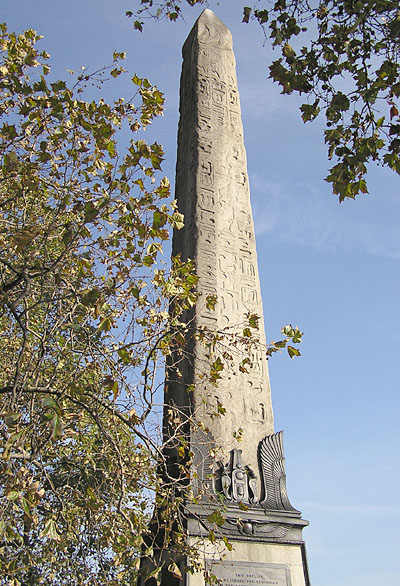
Cleopatra's Needle
c. 1450 BC (moved to Alexandria 12 BC)
Free account
Read every Muhammad Ali of Egypt source
Sign up free →
Ready when you are
Start chatting with Muhammad Ali of Egypt now.
20 messages free · No credit card · Available in 50+ languages.