


Primary sourceBook1902
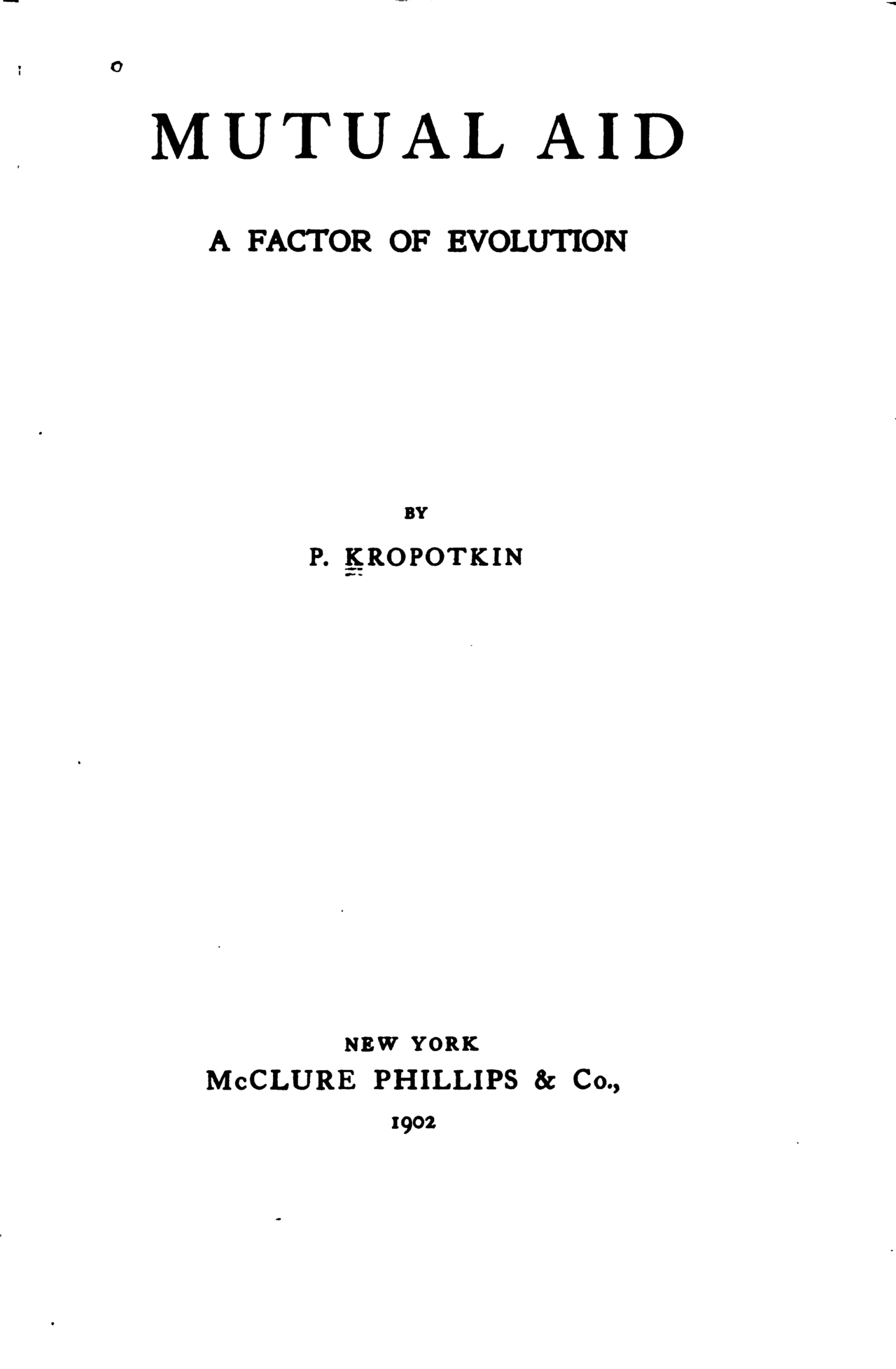
Mutual Aid: A Factor of Evolution
Peter Kropotkin · 1902
Kropotkin's 1902 collection of essays arguing that cooperation, not just competition, drives evolution and human society.
His scientific counter to Social Darwinism, grounded in his own Siberian fieldwork as a geographer.
Free Humy account · No credit card · 124,282 sources to read
About this source
What it is
Mutual Aid: A Factor of Evolution is a collection of essays by Peter Kropotkin, published as a book in 1902 after first appearing in the journal The Nineteenth Century between 1890 and 1896.
Why it matters
Kropotkin used his own observations from travels in Siberia and Northeast Asia to argue against social Darwinist ideas that stressed competition as the main force in evolution. He claimed cooperation gave animal and human communities practical survival advantages, and traced mutual aid through animal life, early societies, medieval guilds, and his own time. The book offered a scientific alternative to Marxist theory and influenced later biologists, including Stephen Jay Gould.
Look closer
- What real-life observations did Kropotkin use as evidence for his argument?
- Why might a scientific argument like this have mattered to the political cause he supported?
- What might Kropotkin be leaving out by focusing on cooperation rather than competition?
This book is part of the curated material that grounds the AI version of Peter Kropotkin on Humy.ai — when students ask about related events, the AI can quote it and cite it.
More Peter Kropotkin sources
Browse all 93 →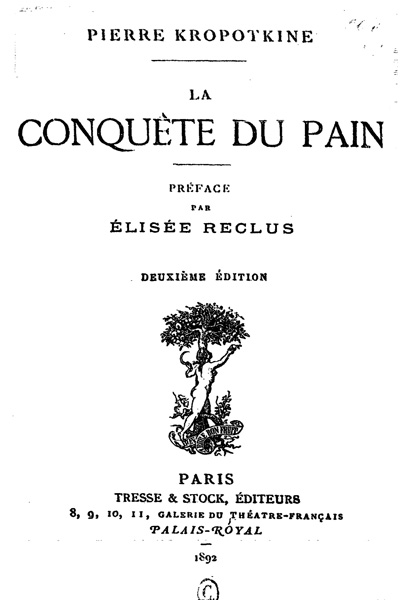 Book
Primary source
The Conquest of Bread
Peter Kropotkin · 1892
 Book
Secondary source
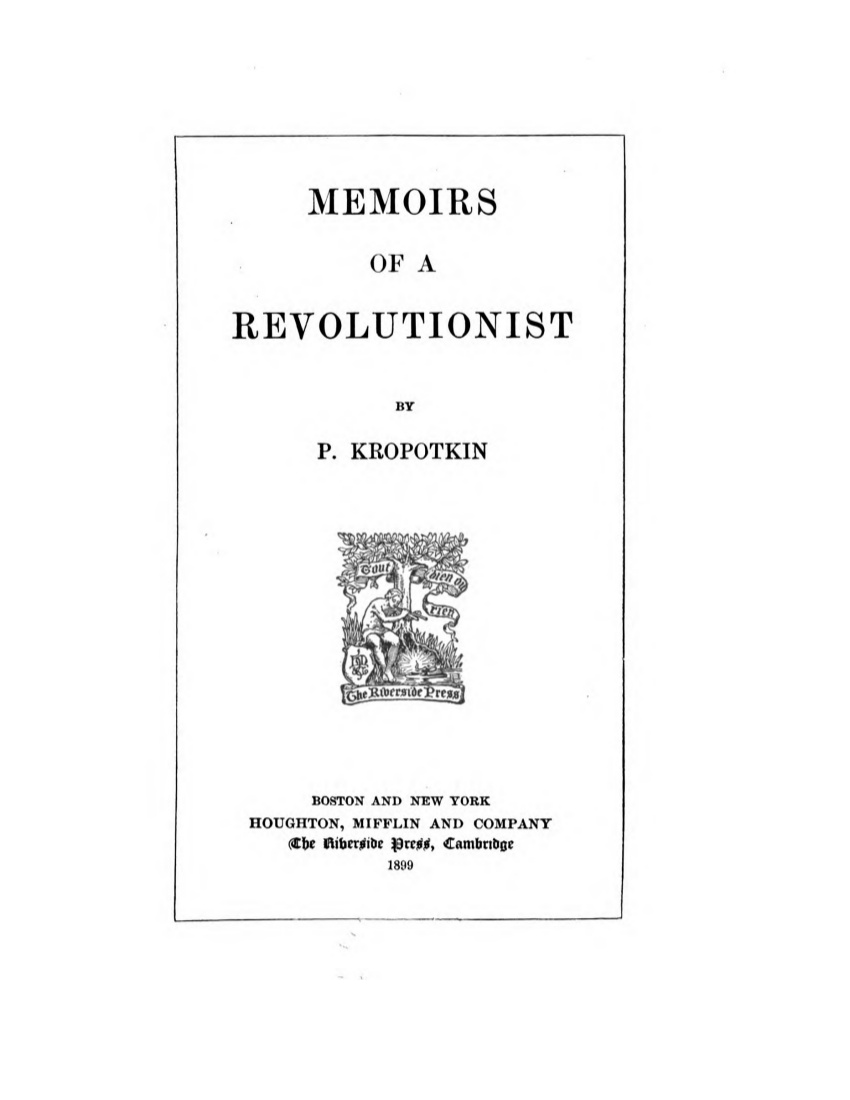
Memoirs of a Revolutionist
Peter Kropotkin · 1899 (first edition); revised through 1933
Primary source
Fields, Factories, and Workshops
Peter Kropotkin · 1899
Primary source
An Appeal to the Young
Peter Kropotkin · 1881

Free account
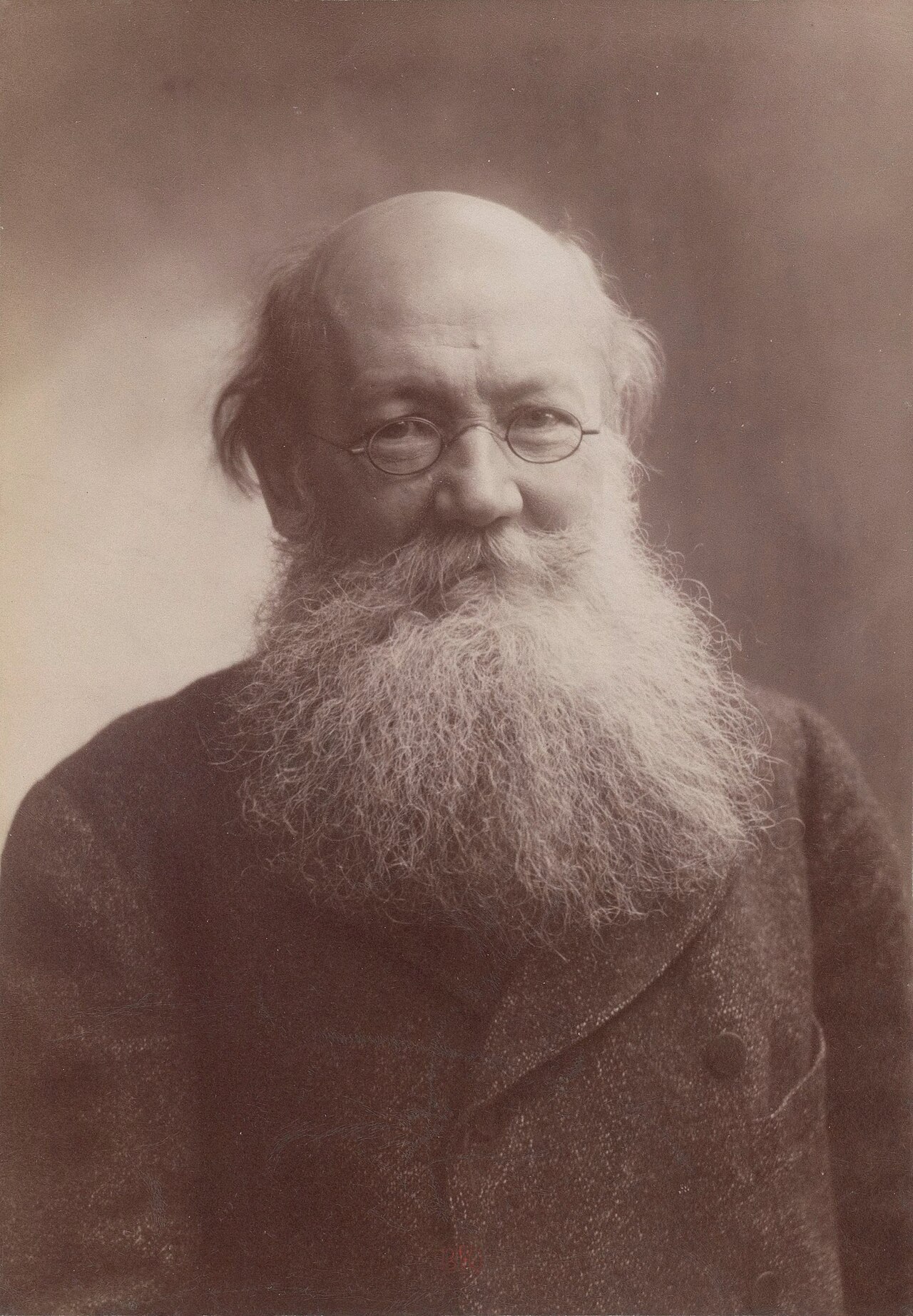
Read every Peter Kropotkin source
Sign up free →
Ready when you are
Start chatting with Peter Kropotkin now.
20 messages free · No credit card · Available in 50+ languages.