


Primary sourceBook1892
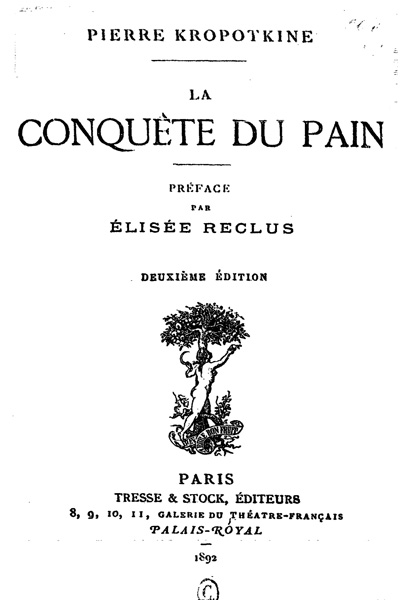
The Conquest of Bread
Peter Kropotkin · 1892
Kropotkin's 1892 book laying out his vision of anarchist communism, arguing goods should be shared according to need.
Kropotkin's fullest written statement of anarchist communism, the economic system he spent his life advocating.
Free Humy account · No credit card · 124,282 sources to read
About this source
What it is
The Conquest of Bread is a book by the Russian anarchist Peter Kropotkin, first published in Paris in 1892 with a preface by Élisée Reclus, who suggested the title. It began as articles in the anarchist journal Le Révolté and was later serialised in English in Freedom, which Kropotkin co-founded.
Why it matters
The book argues that feudalism and capitalism create and rely on poverty, and proposes a decentralised system based on mutual aid and voluntary cooperation instead. It became a foundational text of anarchist communism and later influenced modern protest movements. It shows Kropotkin's ambition to give anarchism a complete, systematic theory.
Look closer
- Why might Kropotkin have chosen the title 'Conquest of Bread' for an economic argument?
- What does it tell you that this book began as newspaper articles before becoming a book?
- What assumptions does Kropotkin make about human cooperation that a critic might question?
This book is part of the curated material that grounds the AI version of Peter Kropotkin on Humy.ai — when students ask about related events, the AI can quote it and cite it.
More Peter Kropotkin sources
Browse all 93 →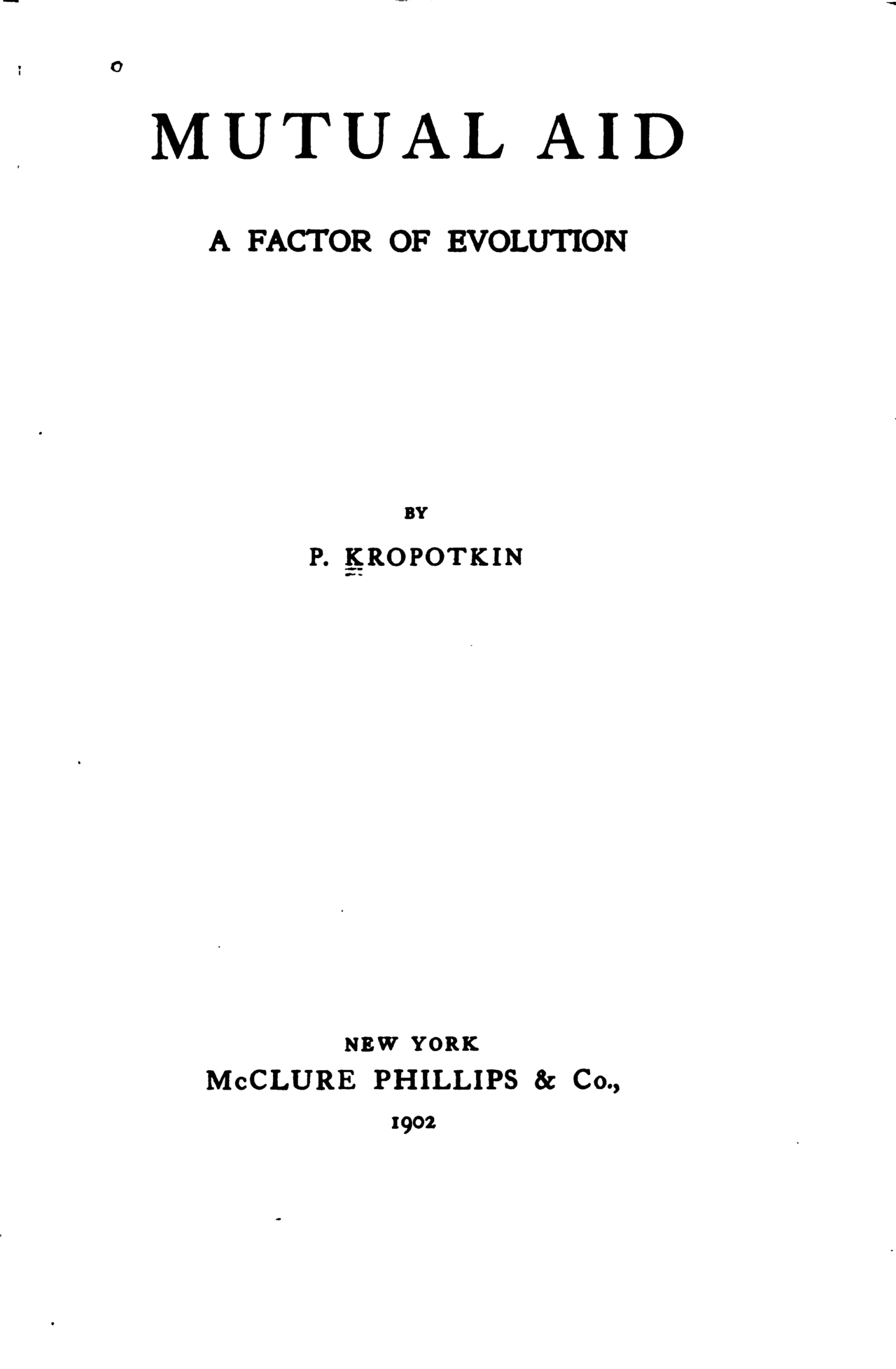 Book
Primary source
Mutual Aid: A Factor of Evolution
Peter Kropotkin · 1902
 Book
Secondary source
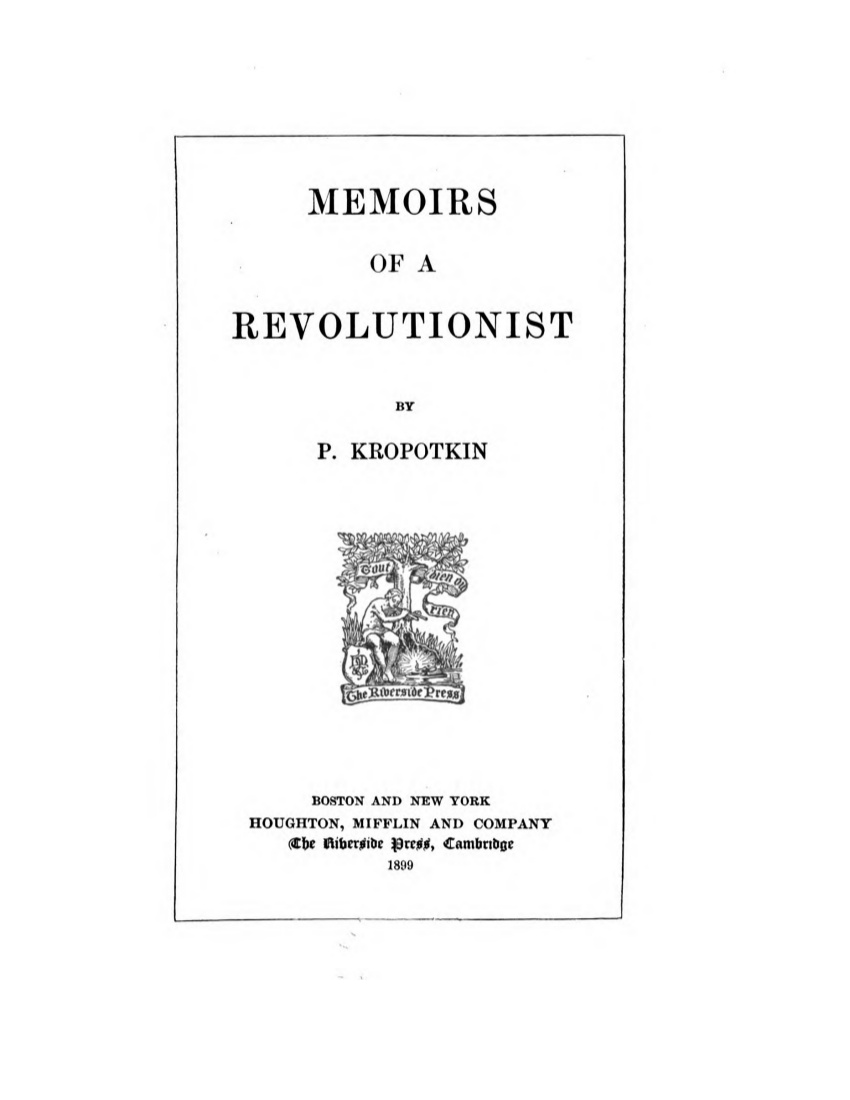
Memoirs of a Revolutionist
Peter Kropotkin · 1899 (first edition); revised through 1933
Primary source
Fields, Factories, and Workshops
Peter Kropotkin · 1899
Primary source
An Appeal to the Young
Peter Kropotkin · 1881
Free account
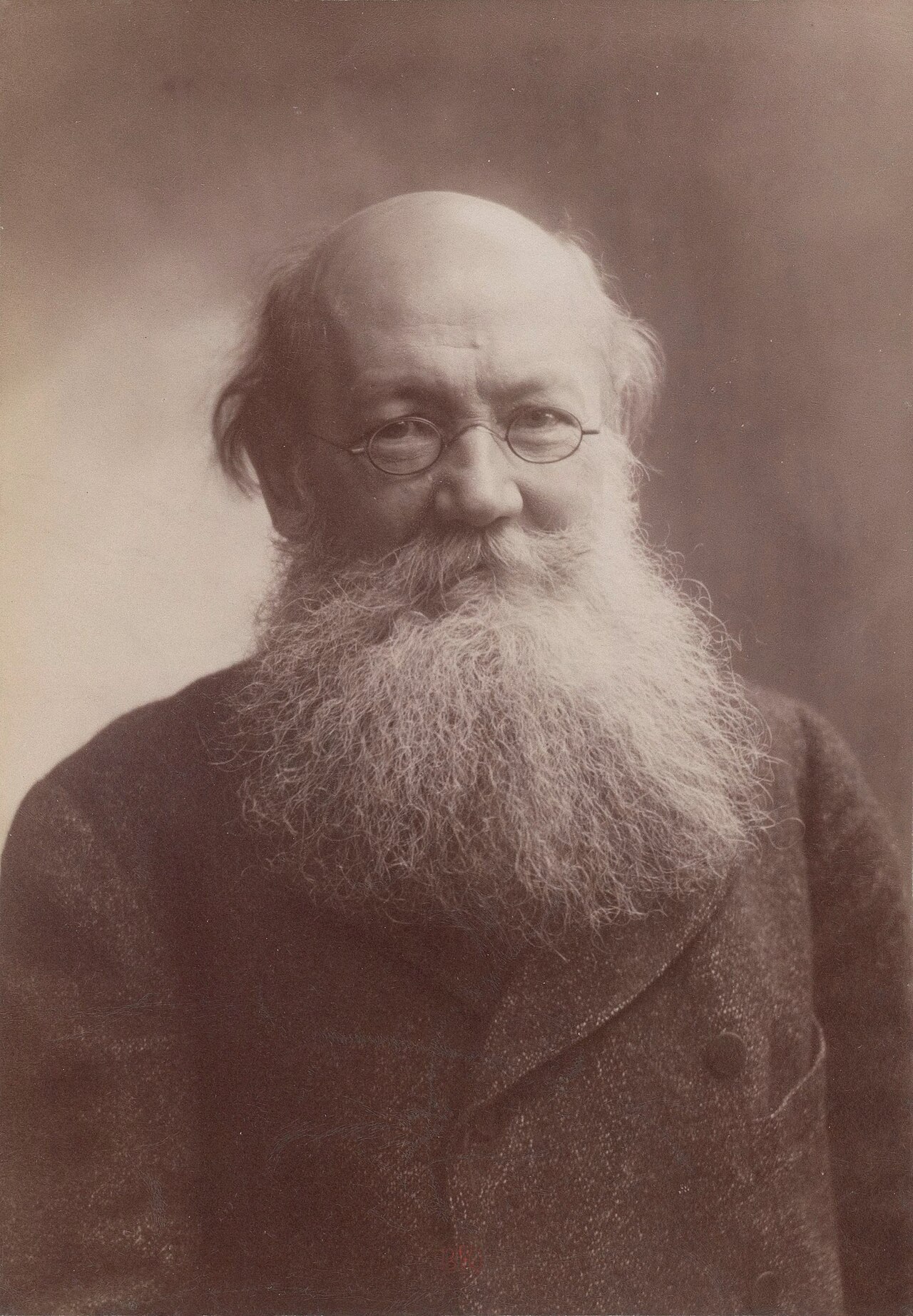
Read every Peter Kropotkin source
Sign up free →
Ready when you are
Start chatting with Peter Kropotkin now.
20 messages free · No credit card · Available in 50+ languages.