


Primary sourceDocument1 October 1953
Mutual Defense Treaty between the United States and the Republic of Korea
1 October 1953
The 1953 alliance treaty binding the US to defend South Korea, which Rhee secured as the price for accepting the armistice.
Rhee demanded this treaty as the price for accepting the armistice he opposed, securing a lasting US security guarantee.
Free Humy account · No credit card · 124,284 sources to read
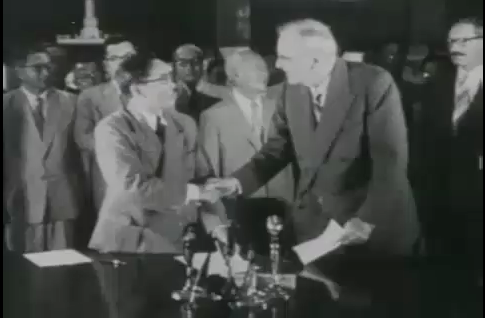
About this source
What it is
This is a defense treaty between South Korea and the United States, signed on 1 October 1953 in Washington, D.C., two months after the Korean Armistice Agreement. It commits both countries to mutual aid if either is attacked and allows US forces to be stationed in South Korea. It is held in South Korea.
Why it matters
Syngman Rhee pushed hard for this treaty as the condition for accepting the armistice he opposed, since it guaranteed continued American military protection for South Korea. The treaty has shaped the US-South Korea relationship ever since, affecting security, economy and technology policy for decades.
Look closer
- Why would Rhee want a defense guarantee before agreeing to stop fighting?
- What does the photograph of the signing ceremony suggest about who held power in this agreement?
- How might ordinary South Koreans have felt about depending on another country for their defense?
This document is part of the curated material that grounds the AI version of Syngman Rhee on Humy.ai — when students ask about related events, the AI can quote it and cite it.
More Syngman Rhee sources
Browse all 68 →Primary source
Constitution of the Republic of Korea
Constitutional National Assembly of Korea · 17 July 1948
 Document
Primary source
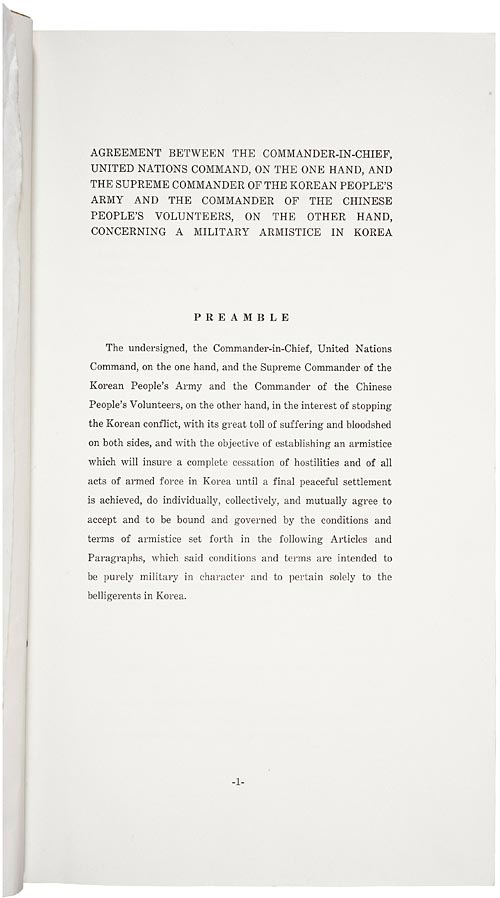
Korean War Armistice Agreement
27 July 1953
 Photograph
Primary source
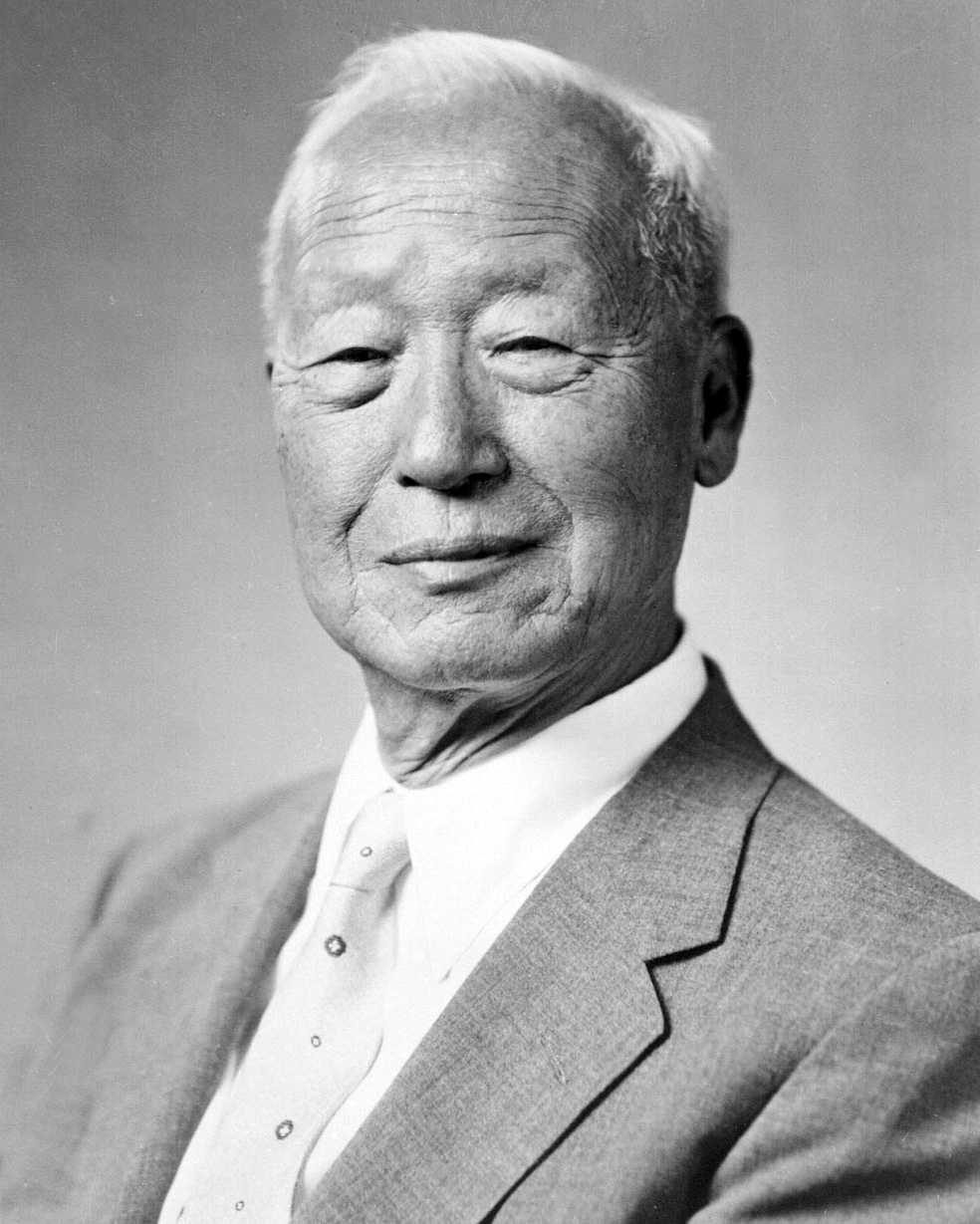
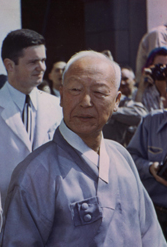
Portrait of Syngman Rhee
1948
 Photograph
Primary source
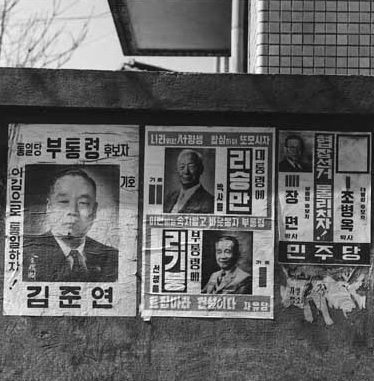
1960 March Election Campaign Posters
March 1960

Free account
Read every Syngman Rhee source
Sign up free →
Ready when you are
Start chatting with Syngman Rhee now.
20 messages free · No credit card · Available in 50+ languages.