


Primary sourceDocument26 March 1790
Naturalization Act of 1790
United States Congress · 26 March 1790
The first U.S. law setting rules for citizenship, signed by Washington, which limited naturalization to 'free white persons'.
As president, Washington signed this first citizenship law, which restricted naturalization by race.
About this source
What it is
This law, passed by Congress in March 1790, set the first uniform rules for how immigrants could become U.S. citizens. It required two years' residence and limited naturalization to "free white person(s)... of good character."
Why it matters
Signed into law under President Washington, the Act shows how the new nation defined who could belong to it from the very start, explicitly excluding people on the basis of race. It set a legal pattern that shaped citizenship law for decades, later amended and eventually overturned as the country's laws on race and citizenship changed.
Look closer
- Why do you think the law specified "free white persons" rather than leaving citizenship open to everyone?
- What groups of people living in America at the time would this law have excluded?
- What does this law tell you about who the Founders considered part of the political community?
This document is part of the curated material that grounds the AI version of George Washington on Humy.ai — when students ask about related events, the AI can quote it and cite it.
More George Washington sources
Meet the AI George Washington →Primary source
To John Augustine Washington, 18 July 1755
George Washington · 18 July 1755
Primary source
General Orders, 9 July 1776
George Washington · 9 July 1776
Primary source
Circular to the States
George Washington · 8 June 1783
 Painting
Primary source
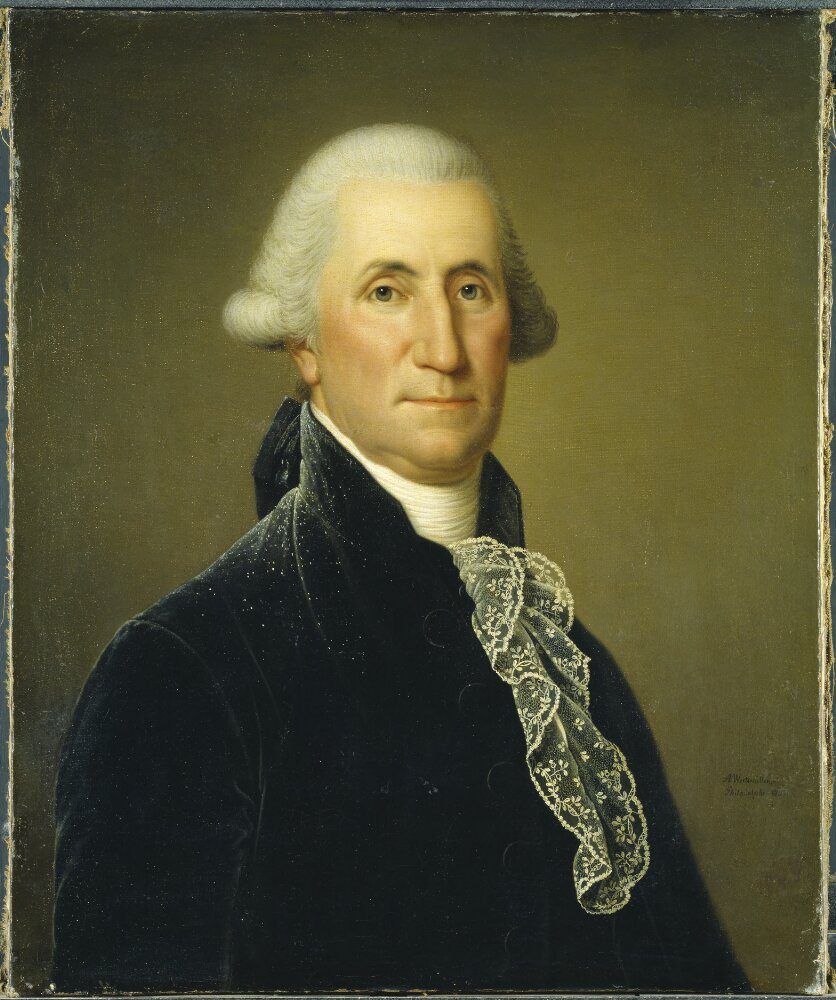
Portrait of George Washington by Wertmüller
Adolf Ulrik Wertmüller · 1795
 Speech
Primary source
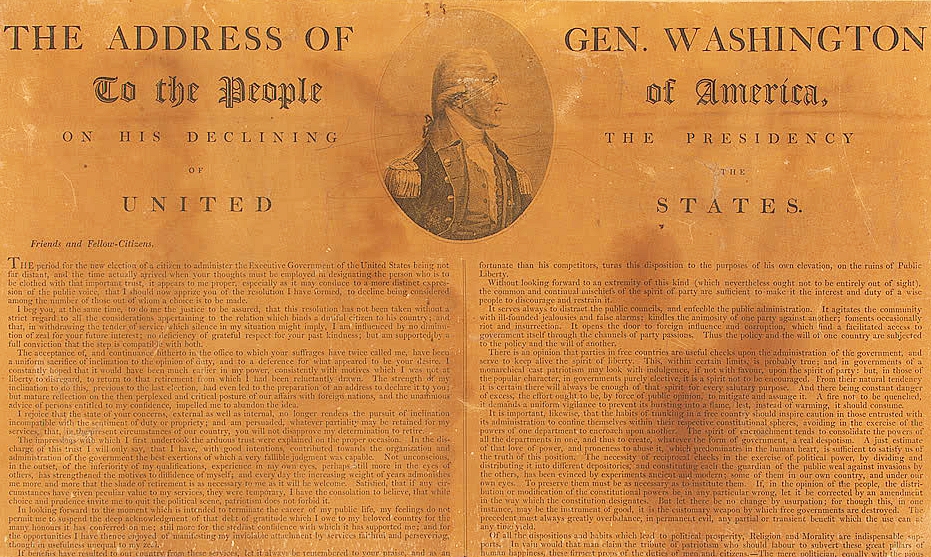
George Washington's Farewell Address
George Washington · 19 September 1796
Ready when you are
Start chatting with George Washington now.
20 messages free · No credit card · Available in 50+ languages.