


Primary sourceBook1627
New Atlantis
Francis Bacon · 1627
An unfinished utopian novel by Bacon describing an imagined island with a state-funded scientific institution called Salomon's House.
Bacon's imaginative vision of a research institution, showing his influence on the future of organised science.
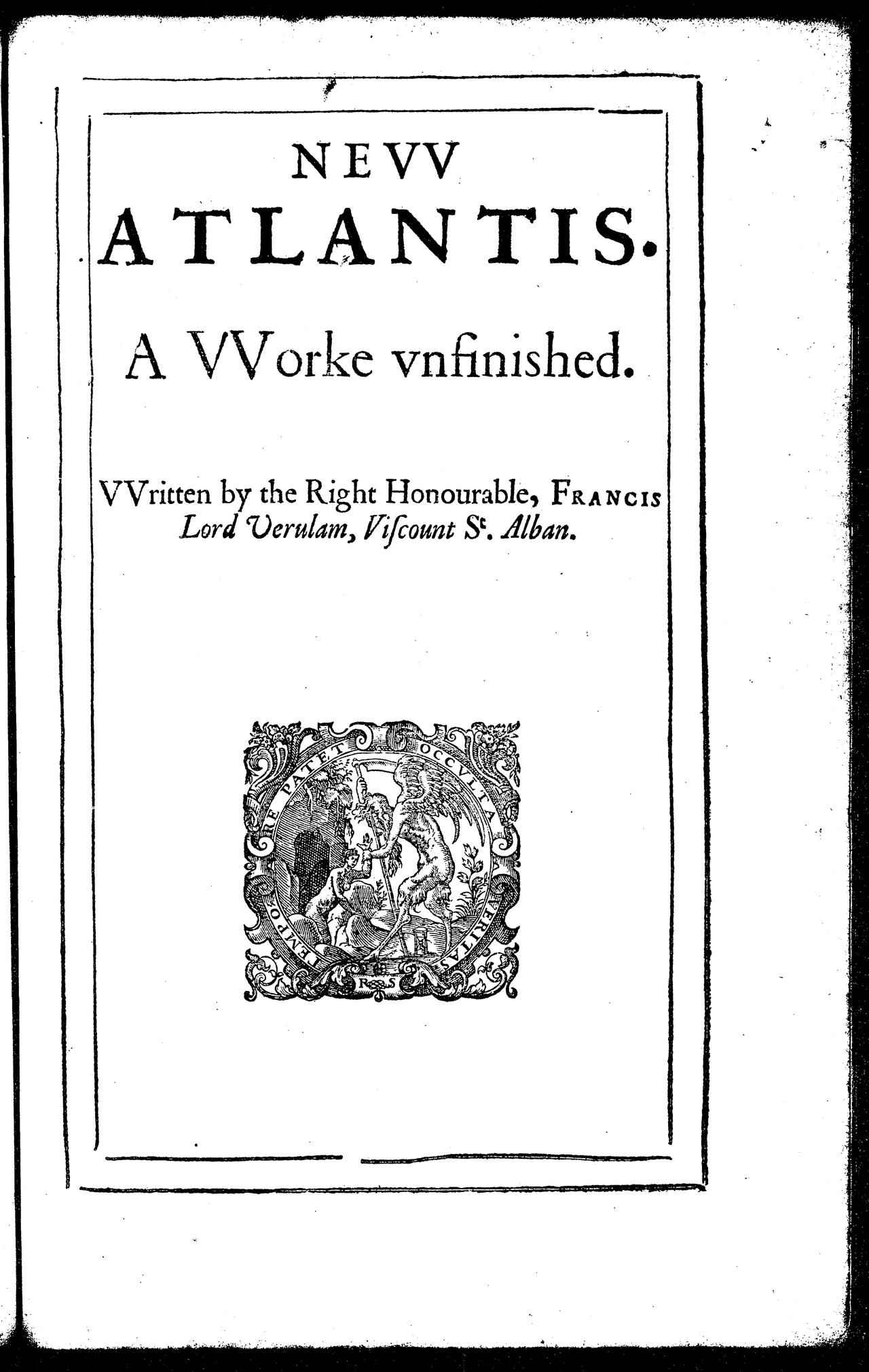
About this source
What it is
New Atlantis is a utopian novel by Francis Bacon, published after his death in 1626, tucked into the back of his longer work Sylva Sylvarum. It describes a fictional island, Bensalem, and its scientific college, Salomon's House.
Why it matters
The novel reveals Bacon's vision for how organised, state-supported research could improve society. Salomon's House, with its structured scientific experiments, is thought to have influenced the later founding of the Royal Society, making this unfinished story an important link between Bacon's philosophy of science and real scientific institutions that followed.
Look closer
- Why might Bacon have chosen to present his ideas about science through an imaginary story rather than a straightforward essay?
- What does the description of Salomon's House suggest Bacon thought a good research institution should look like?
- The book was left unfinished — what questions does that raise about Bacon's final years?
This book is part of the curated material that grounds the AI version of Francis Bacon on Humy.ai — when students ask about related events, the AI can quote it and cite it.
More Francis Bacon sources
Meet the AI Francis Bacon →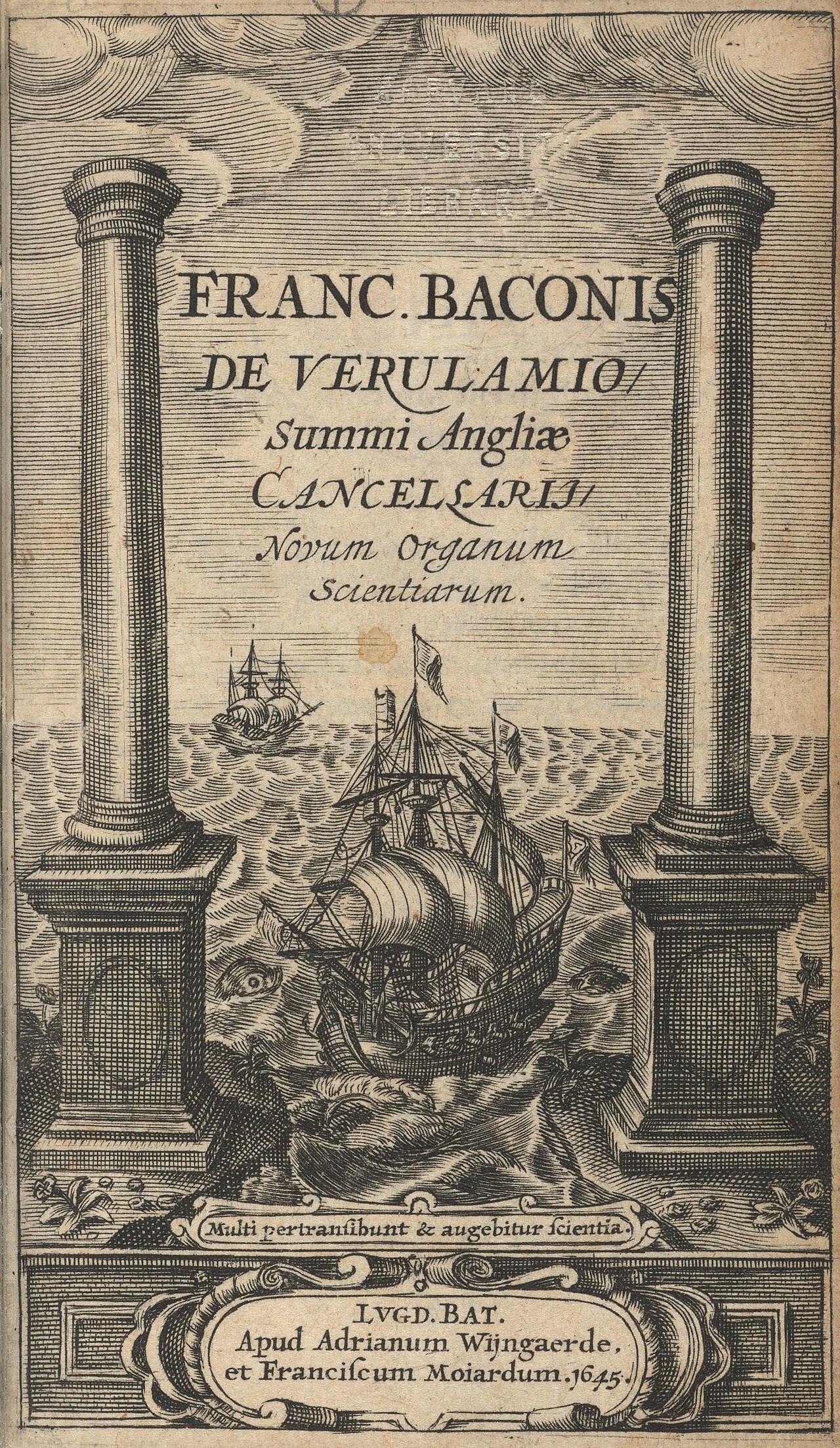 Book
Primary source
Novum Organum
Francis Bacon · 1620
 Painting
Secondary source
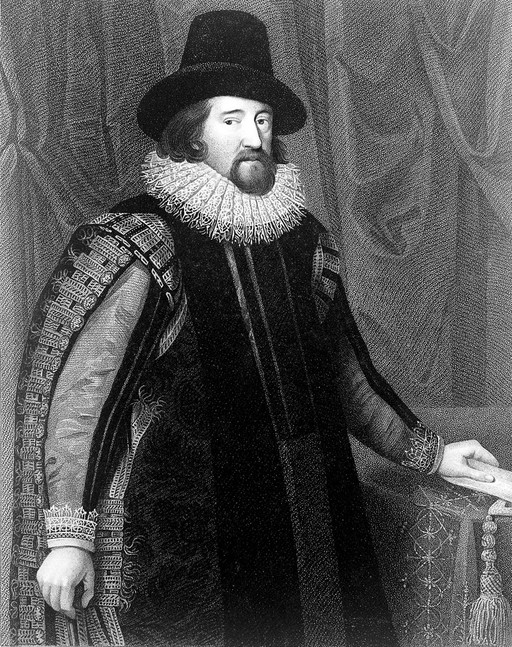
Portrait Engraving of Francis Bacon, Proof Impression
 Book
Primary source
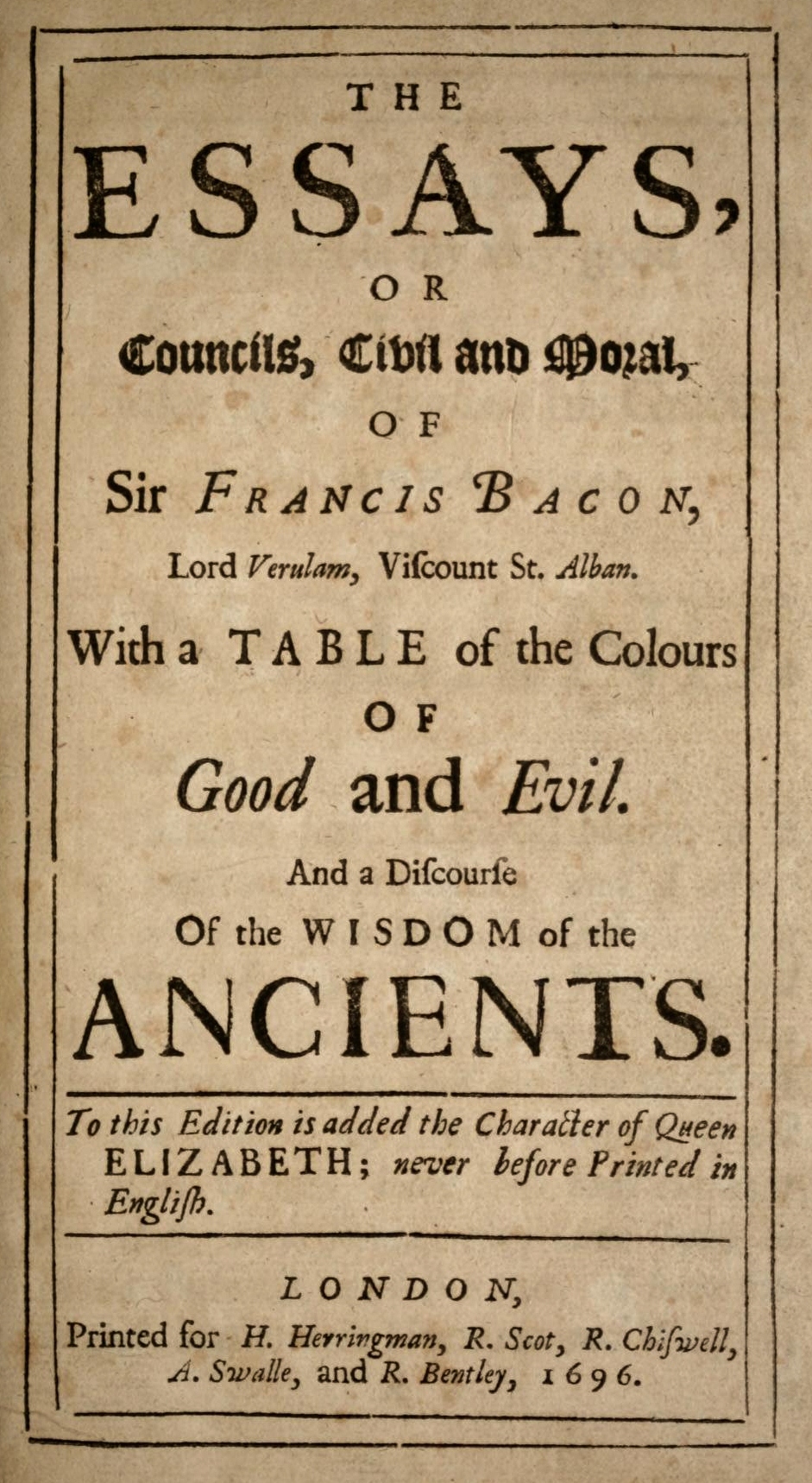
Essays
Francis Bacon · 1597
 Painting
Secondary source
Francis Bacon, Engraving by C. Cook after Houbraken
C. Cook after Jacobus Houbraken · 1738
 Book
Primary source
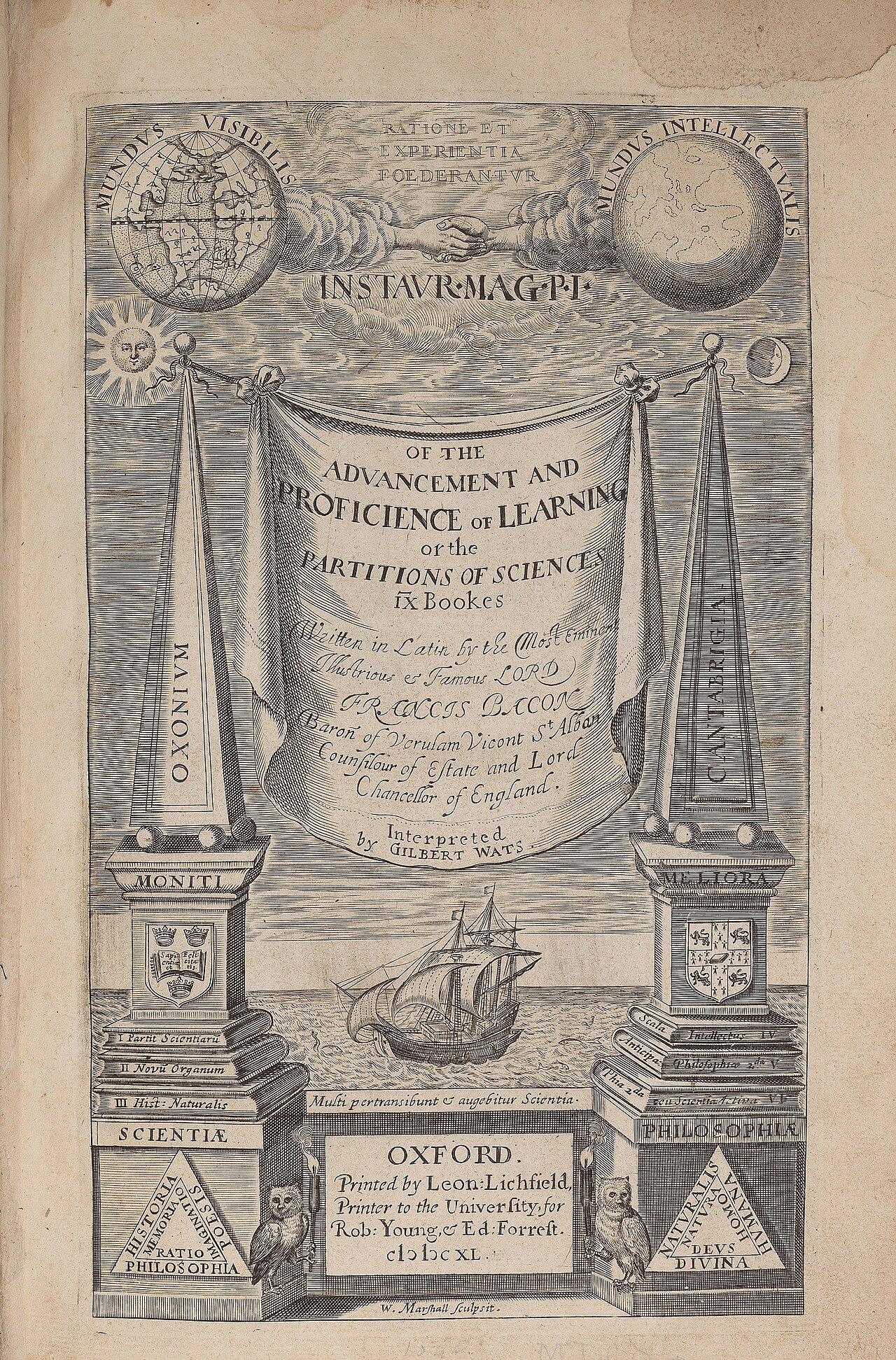
The Advancement of Learning
Francis Bacon · 1605
Ready when you are
Start chatting with Francis Bacon now.
20 messages free · No credit card · Available in 50+ languages.