


Secondary sourcePainting1795
Newton
William Blake · 1795
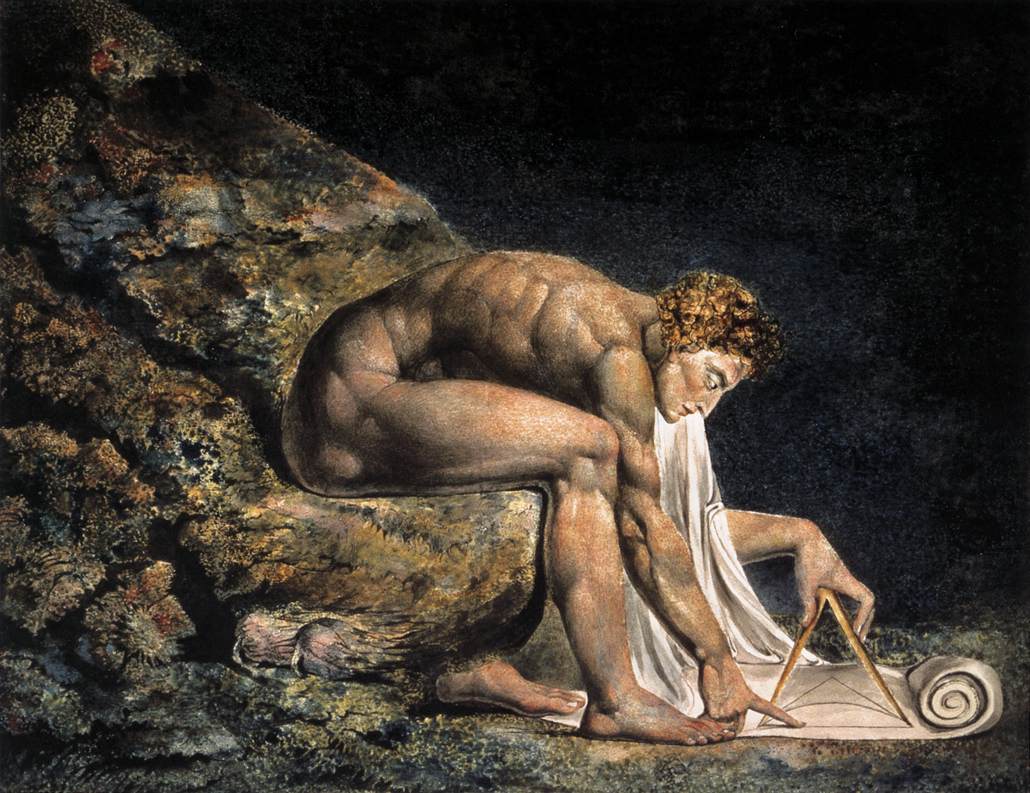
A 1795 painting by William Blake showing Isaac Newton as a nude, divine geometer crouched drawing with a compass.
Blake's imagined image of Newton as a symbol of mathematical reasoning, made decades after Newton's death.
About this source
What it is
This is a painting made in 1795 by the artist and poet William Blake. It shows a muscular nude man crouched on a rock, bending forward to draw with a compass on a scroll of paper.
Why it matters
Blake was not trying to show what Newton actually looked like. He used Newton as a symbol of cold, purely mathematical reasoning. Blake worried that science without imagination could narrow how people saw the world, so he painted Newton almost like a god obsessively measuring reality with a compass, ignoring everything around him.
Look closer
- Why might Blake have chosen to show Newton nude and alone in a dark landscape?
- What does the compass suggest about how Blake saw Newton's way of thinking?
- Is this image more about Newton the person, or about an idea Blake wanted to express?
This painting is part of the curated material that grounds the AI version of Isaac Newton on Humy.ai — when students ask about related events, the AI can quote it and cite it.
More Isaac Newton sources
Meet the AI Isaac Newton →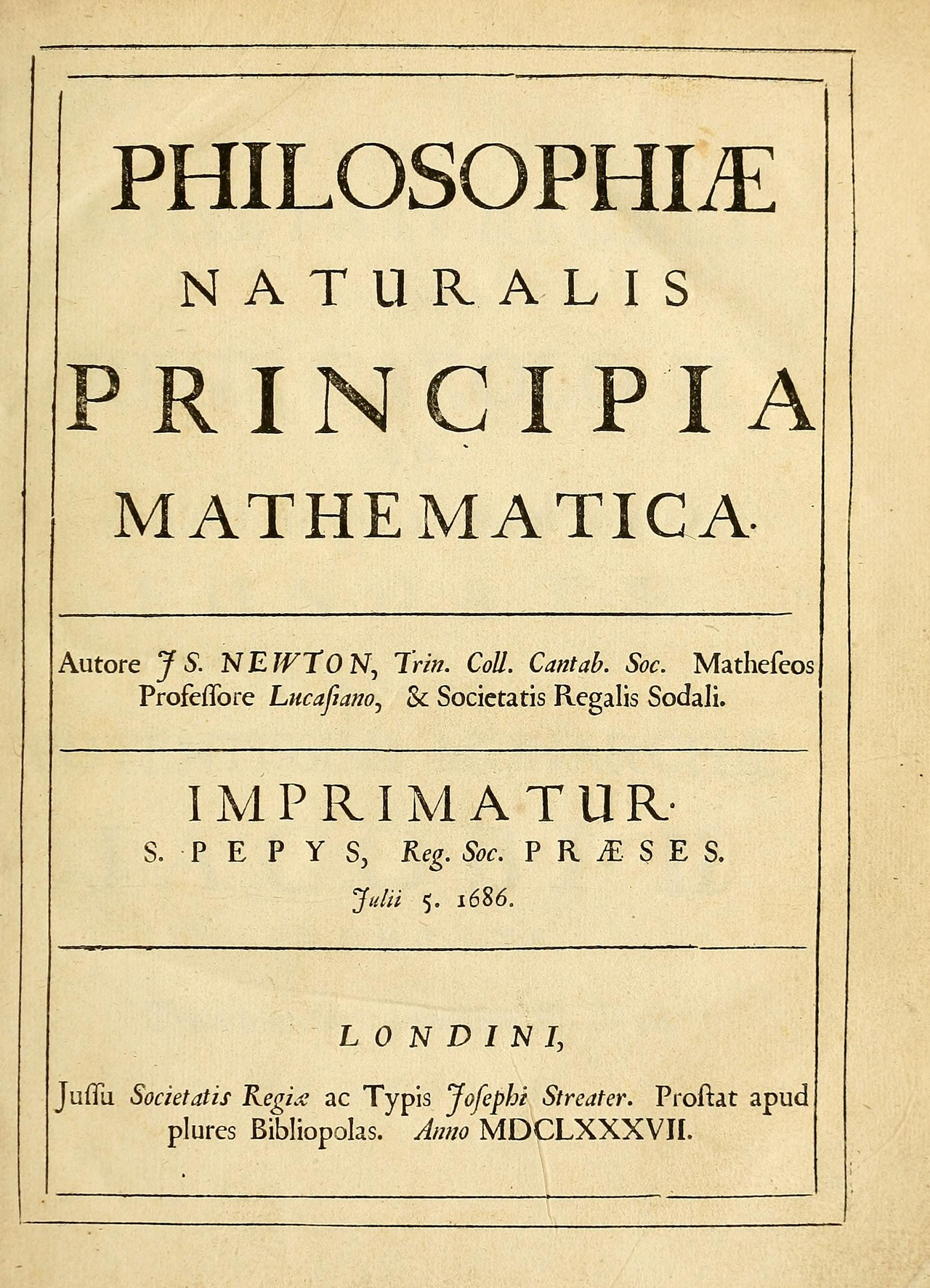 Book
Primary source
Philosophiæ Naturalis Principia Mathematica
Isaac Newton · 1687
 Book
Primary source
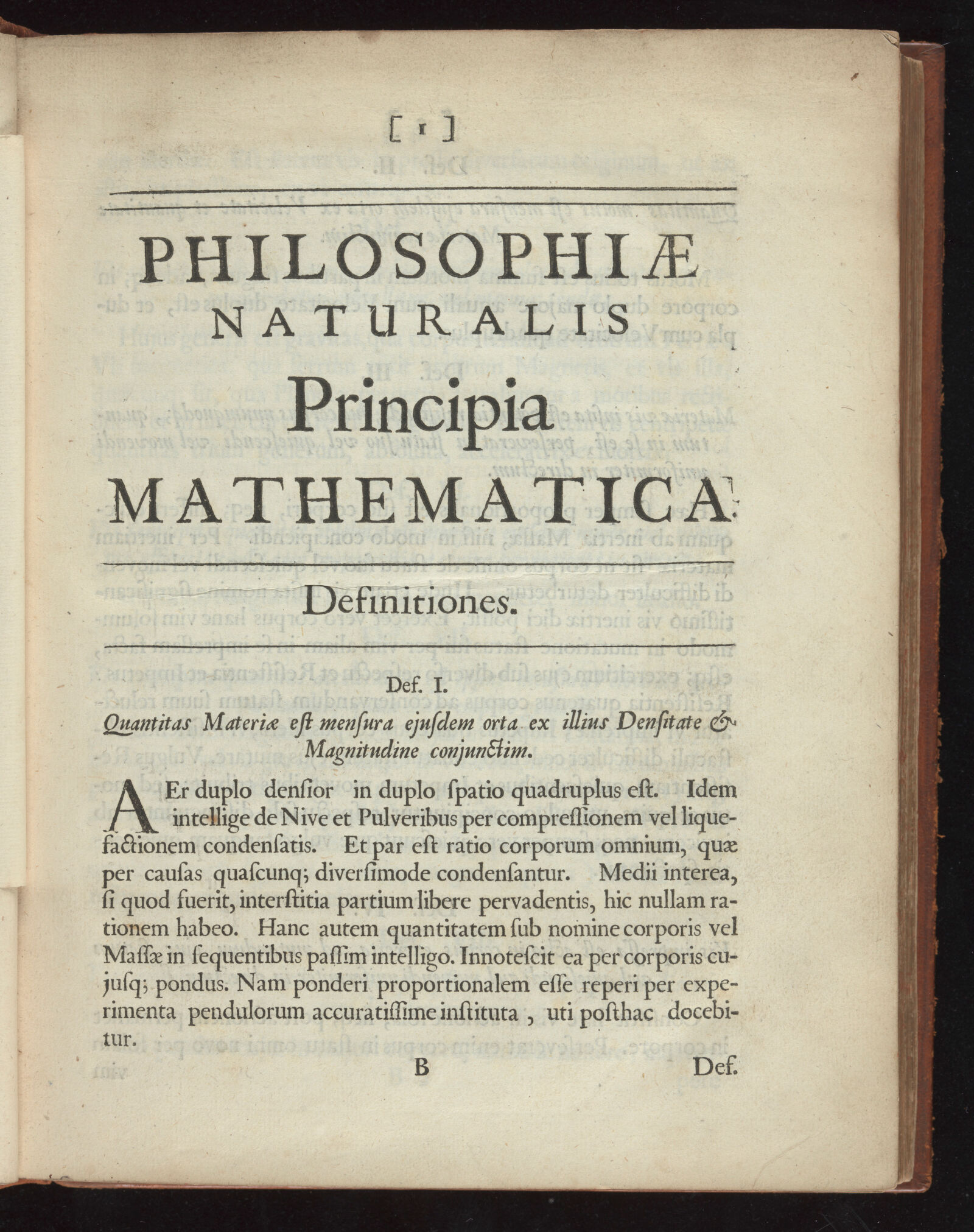
Principia Mathematica, Page 1: Definitions
Isaac Newton · 1687
 Painting
Primary source
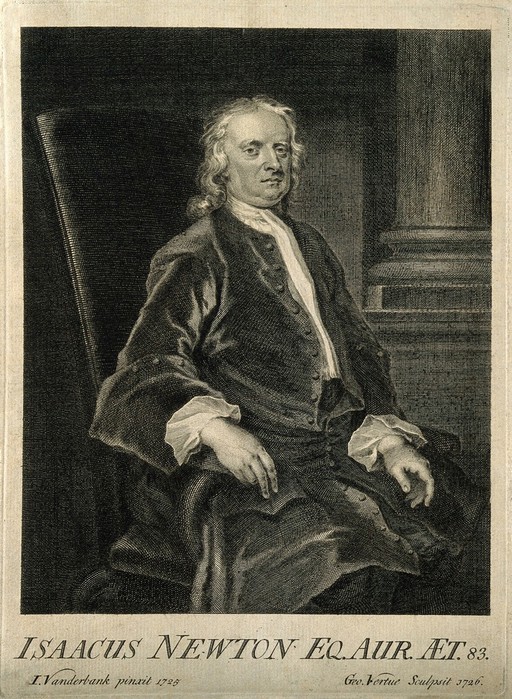
Sir Isaac Newton, line engraving by Vertue, 1726
George Vertue · 1726
 Document
Primary source
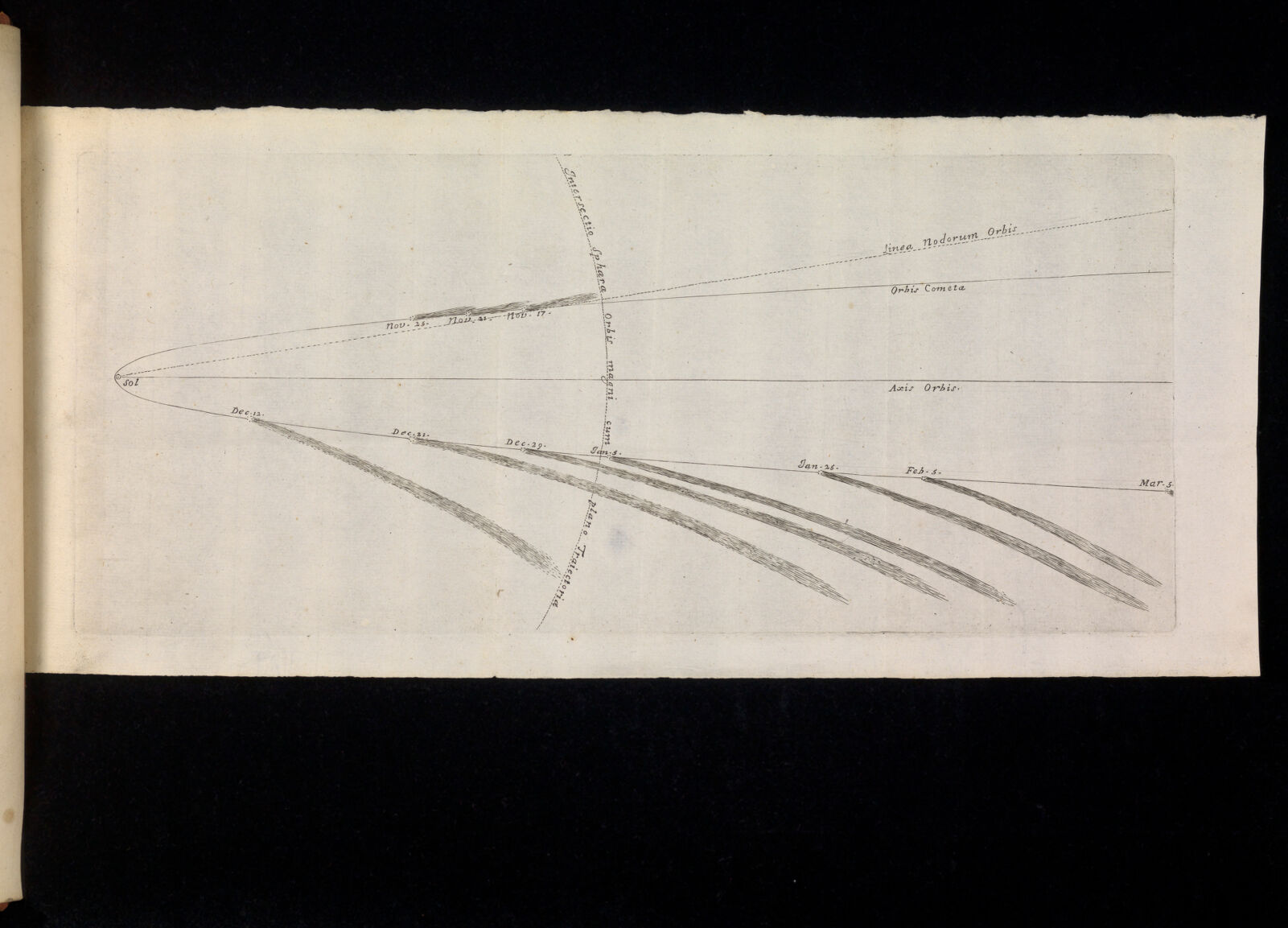
Principia Mathematica, Fold-out Diagram
Isaac Newton · 1687
 Painting
Primary source
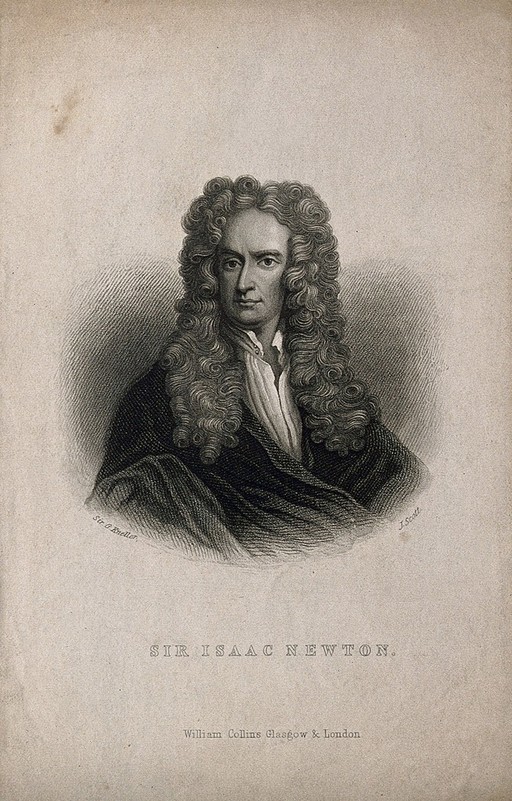
Sir Isaac Newton, stipple engraving by J. Scott after Kneller, 1702
J. Scott, after Sir Godfrey Kneller · 1702 (print made later)
Ready when you are
Start chatting with Isaac Newton now.
20 messages free · No credit card · Available in 50+ languages.