


Tertiary sourceDocument1914
Newton, Sir Isaac — The New Student's Reference Work
1914
A 1914 student reference entry outlining Newton's chronology and scientific achievements.
This student reference entry introduces Newton's life and achievements to young readers of the early 20th century.
About this source
What it is
This is an entry on Isaac Newton from The New Student's Reference Work, published in Chicago in 1914, intended to introduce students to his life and discoveries.
Why it matters
The entry traces Newton's early life and mechanical interests, his education at Trinity College, his election as Lucasian professor and Fellow of the Royal Society, the publication of the Principia in 1687, his time in Parliament, and his later presidency of the Royal Society. It reflects how Newton was presented to young readers in the early 20th century as the foremost expounder of applied mathematics.
Look closer
- What image of Newton as a scientist does this student reference work want young readers to take away?
- Why does the entry compare Newton to Helmholtz, and what does that comparison suggest?
- What kinds of details does a reference work for students leave out compared to a full biography?
This document is part of the curated material that grounds the AI version of Isaac Newton on Humy.ai — when students ask about related events, the AI can quote it and cite it.
More Isaac Newton sources
Meet the AI Isaac Newton →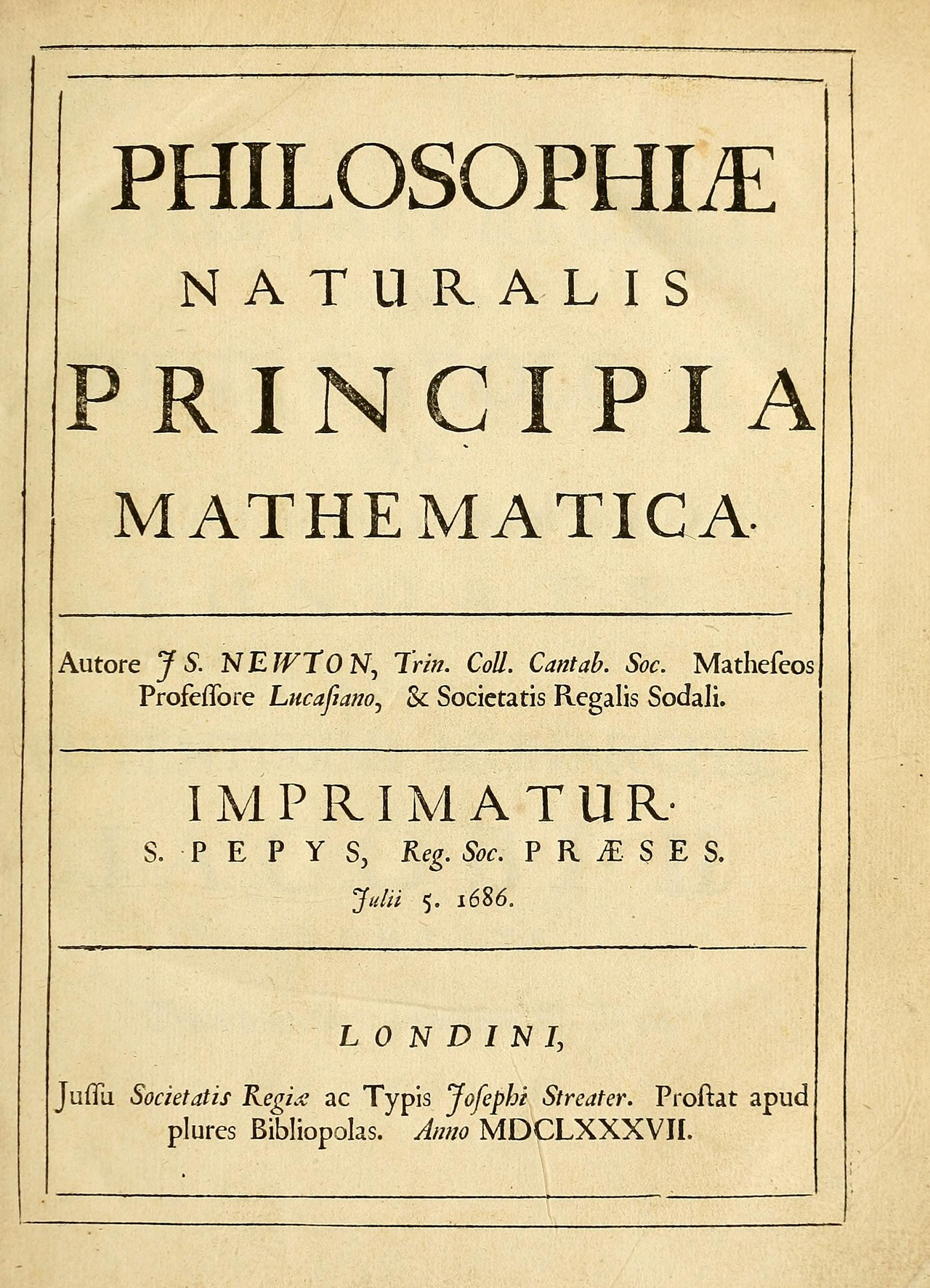 Book
Primary source
Philosophiæ Naturalis Principia Mathematica
Isaac Newton · 1687
 Book
Primary source
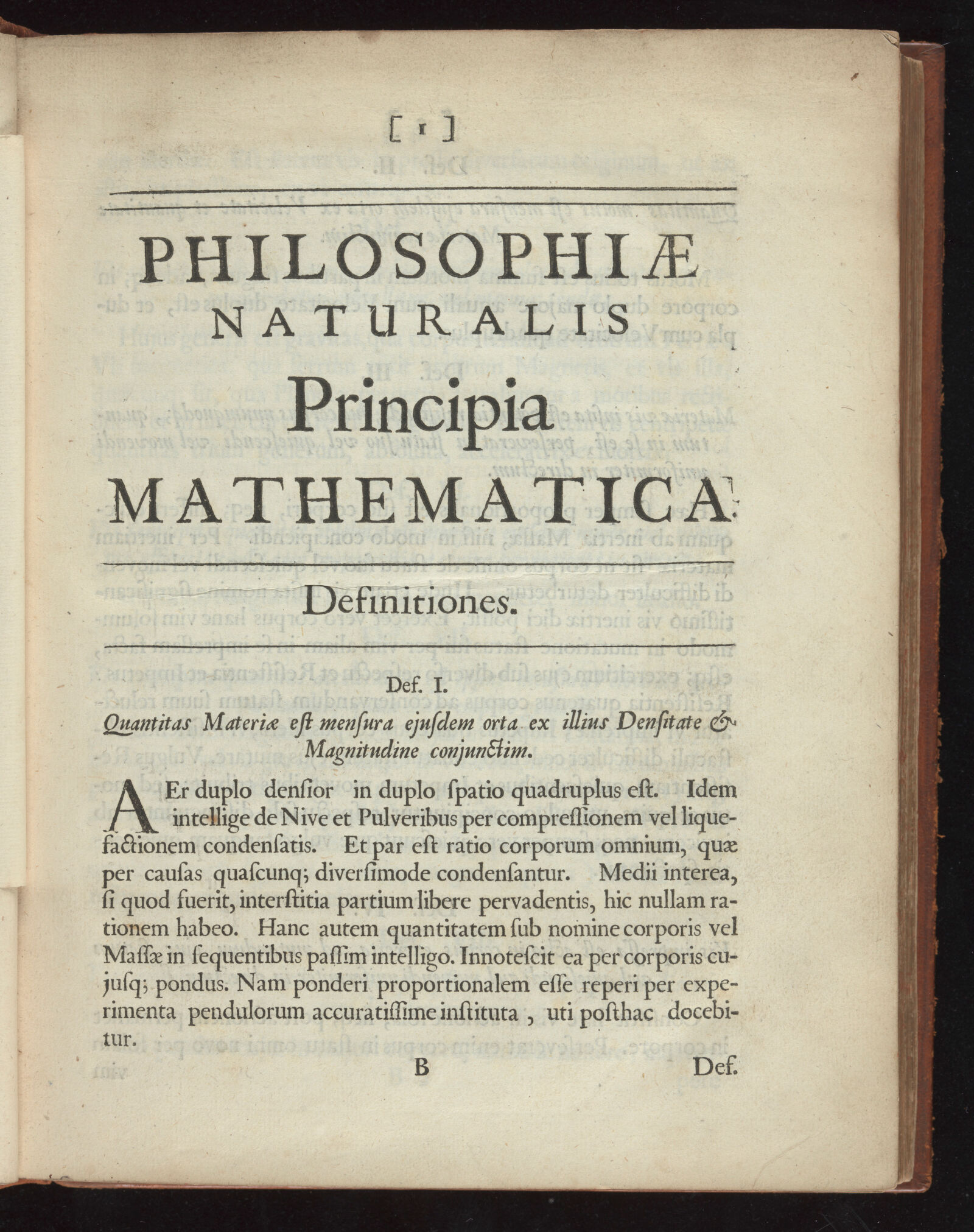
Principia Mathematica, Page 1: Definitions
Isaac Newton · 1687
 Painting
Primary source
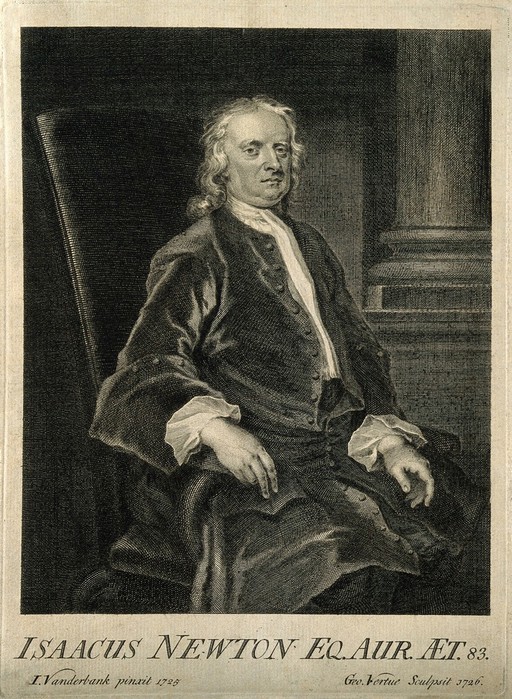
Sir Isaac Newton, line engraving by Vertue, 1726
George Vertue · 1726
 Document
Primary source
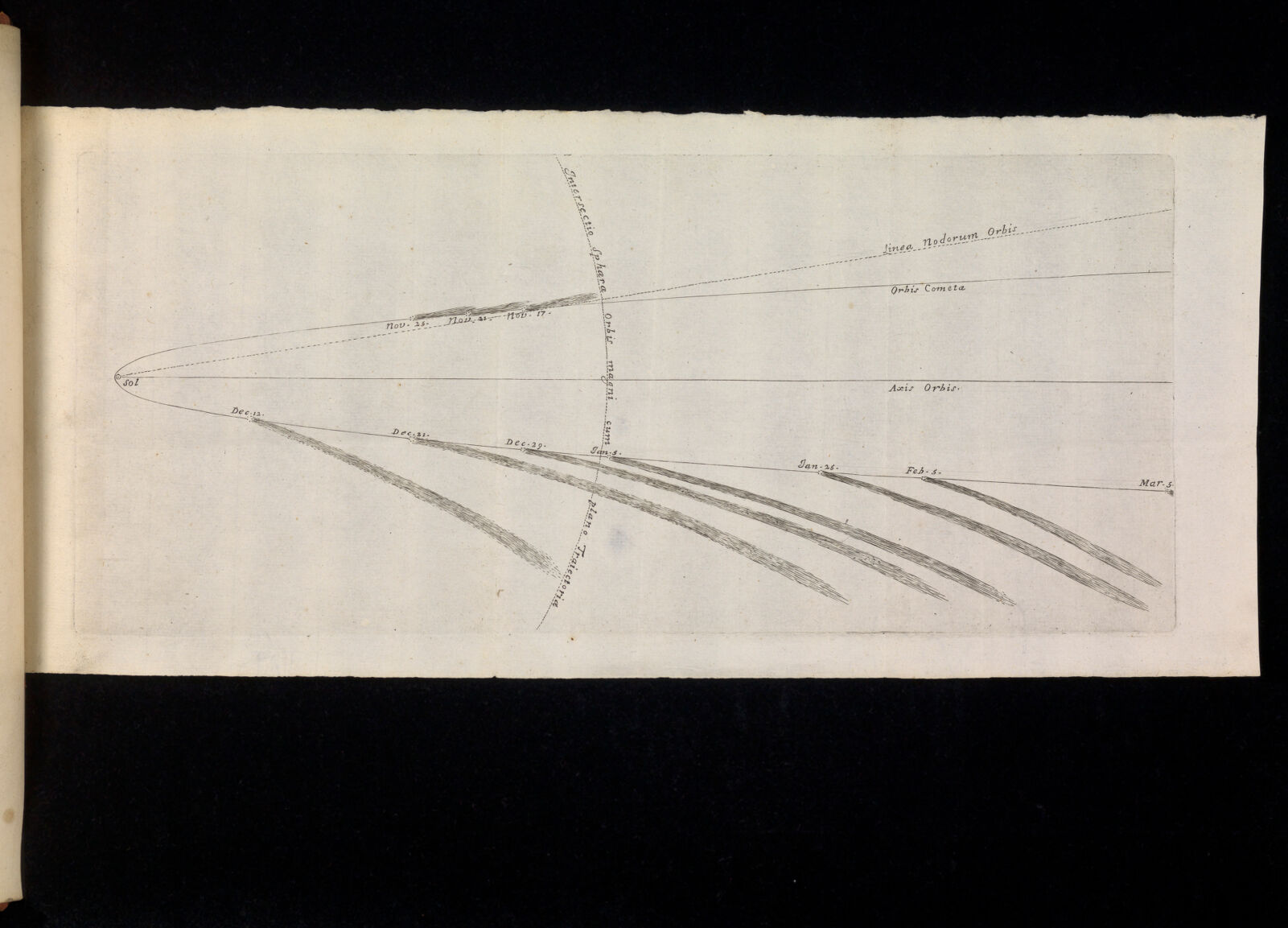
Principia Mathematica, Fold-out Diagram
Isaac Newton · 1687
 Painting
Primary source
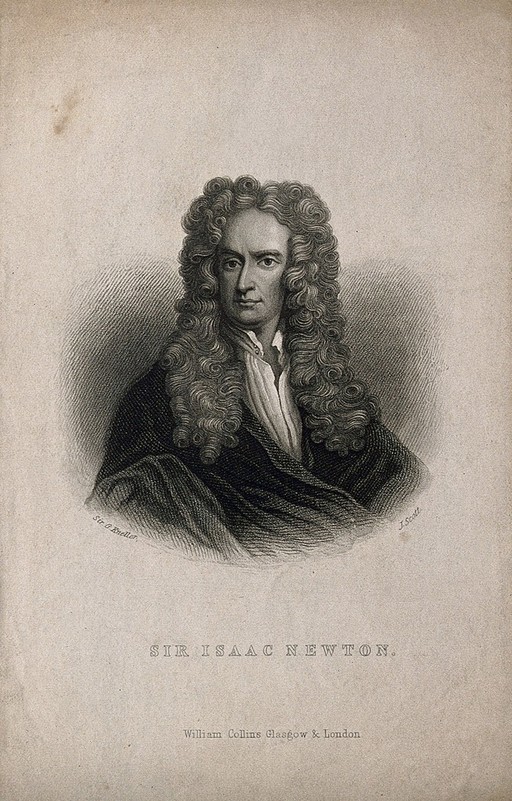
Sir Isaac Newton, stipple engraving by J. Scott after Kneller, 1702
J. Scott, after Sir Godfrey Kneller · 1702 (print made later)
Ready when you are
Start chatting with Isaac Newton now.
20 messages free · No credit card · Available in 50+ languages.