


Primary sourceArtifact17th century
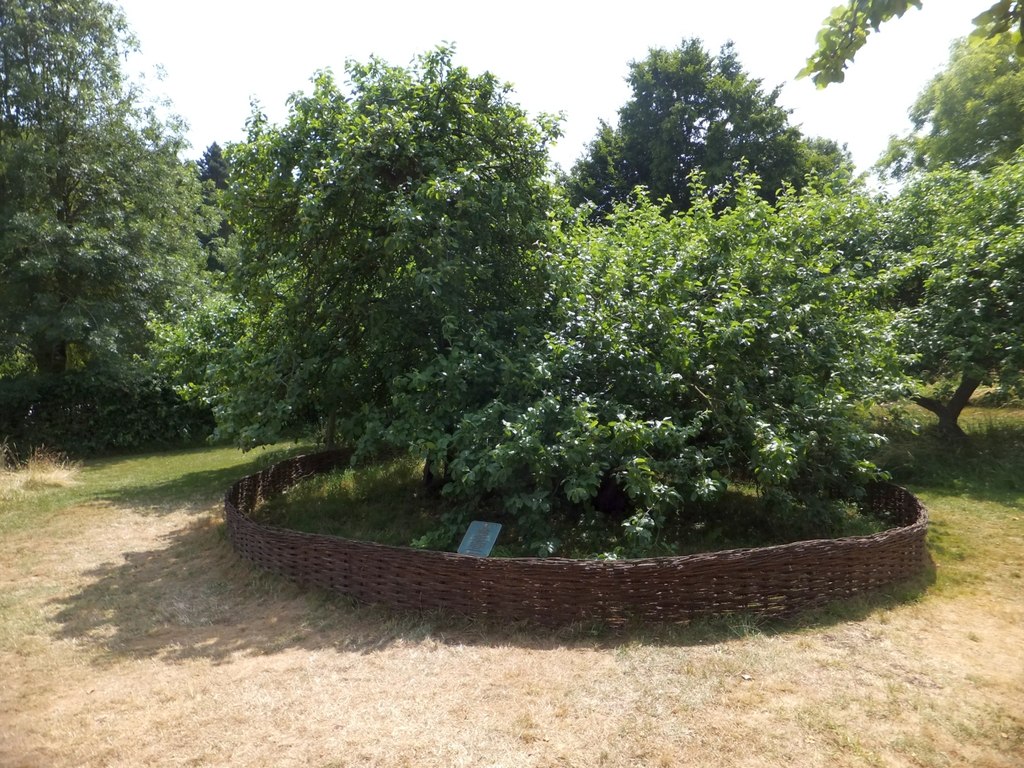
Newton's Apple Tree
17th century
The surviving apple tree at Newton's family home, Woolsthorpe Manor, long associated with the story of Newton and gravity.
The tree at Newton's family home traditionally linked to the apple story behind his theory of gravity.
About this source
What it is
This apple tree stands in the garden of Woolsthorpe Manor, Newton's family home in Lincolnshire. Analysis has indicated that this tree is the one Newton described in connection with his ideas about gravity.
Why it matters
The tree is tied to the famous story that watching an apple fall helped inspire Newton's thinking about universal gravitation. Whatever actually happened, the tree became a powerful symbol linking an everyday observation to one of science's greatest theories, and its survival connects a physical object directly to that story.
Look closer
- Why might people want to preserve one particular tree for hundreds of years?
- How does having a real, physical tree change the way we think about the apple story compared to just hearing it told?
- What parts of this story can be checked with evidence, and what parts rely on tradition alone?
This artifact is part of the curated material that grounds the AI version of Isaac Newton on Humy.ai — when students ask about related events, the AI can quote it and cite it.
More Isaac Newton sources
Meet the AI Isaac Newton →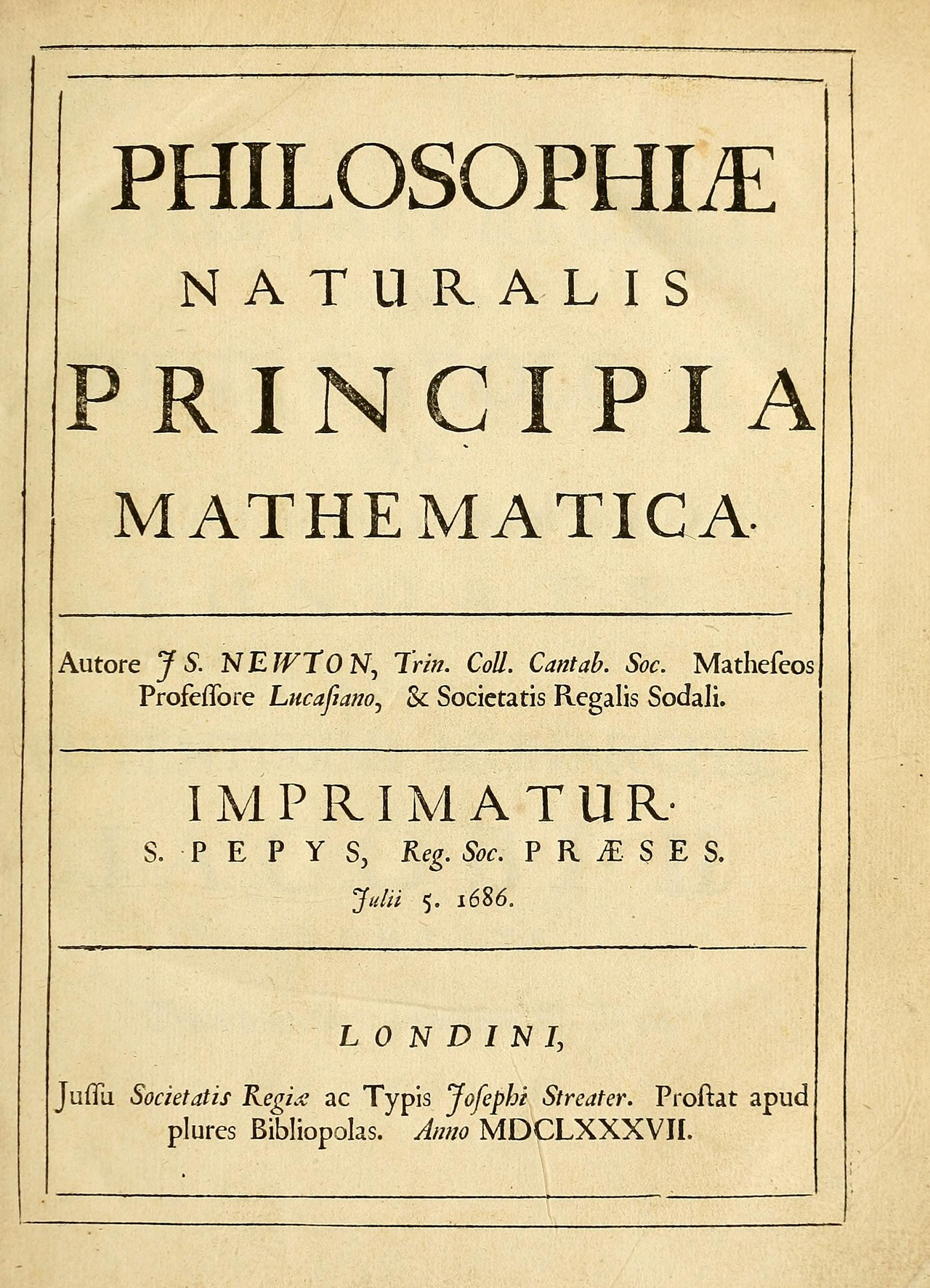 Book
Primary source
Philosophiæ Naturalis Principia Mathematica
Isaac Newton · 1687
 Book
Primary source
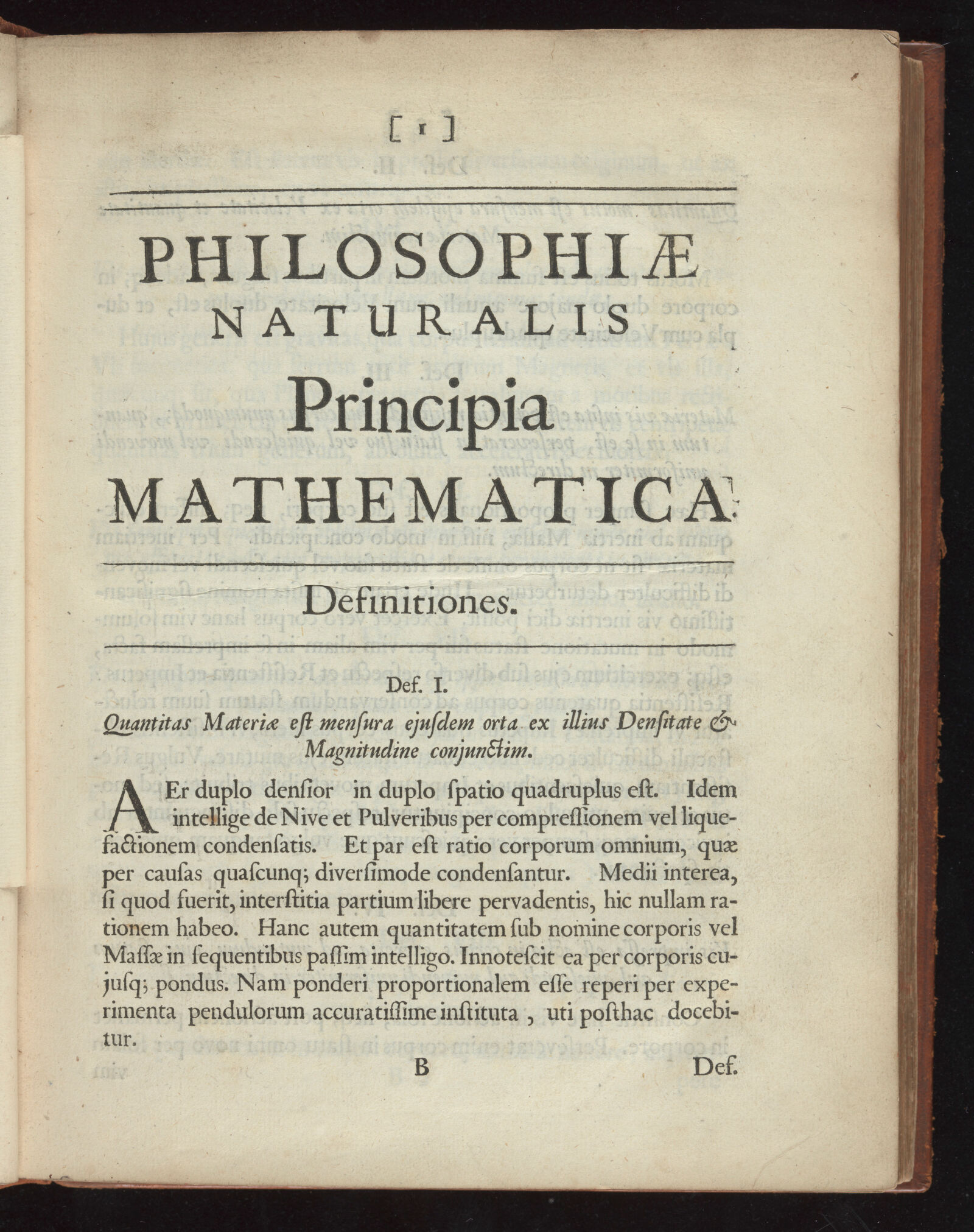
Principia Mathematica, Page 1: Definitions
Isaac Newton · 1687
 Painting
Primary source
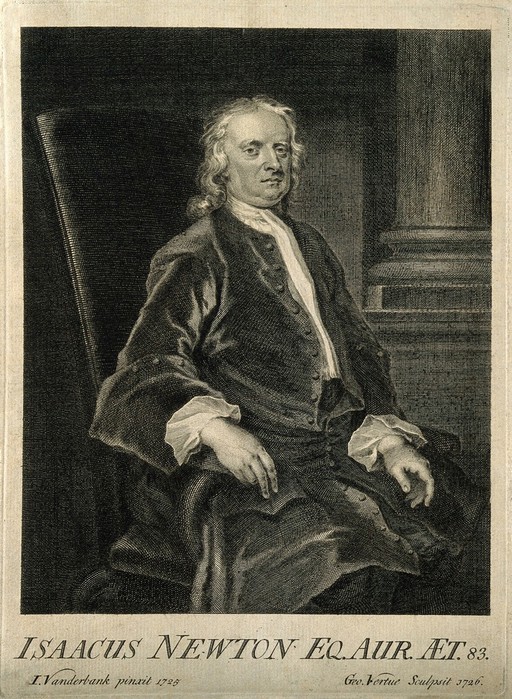
Sir Isaac Newton, line engraving by Vertue, 1726
George Vertue · 1726
 Document
Primary source
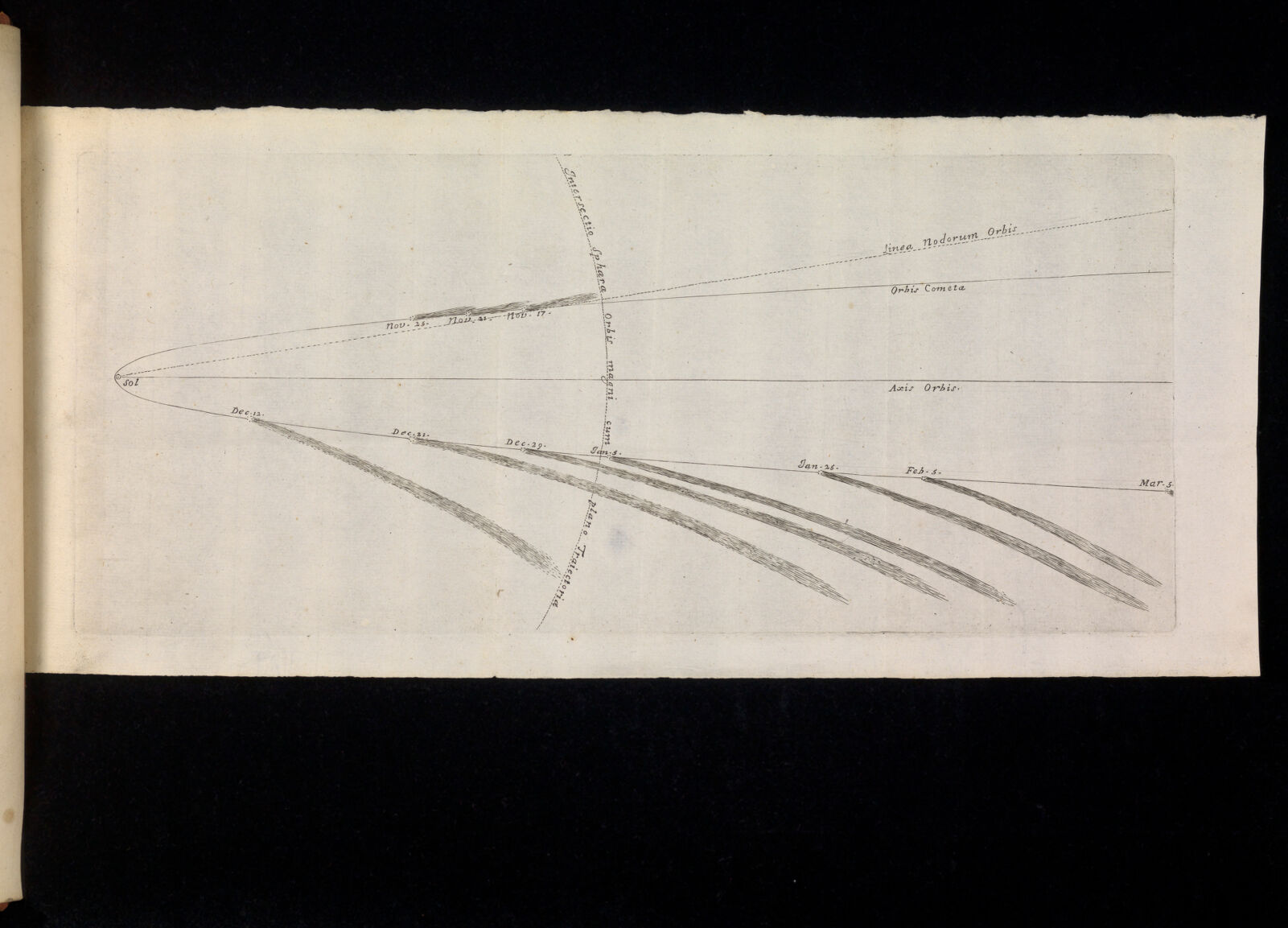
Principia Mathematica, Fold-out Diagram
Isaac Newton · 1687
 Painting
Primary source
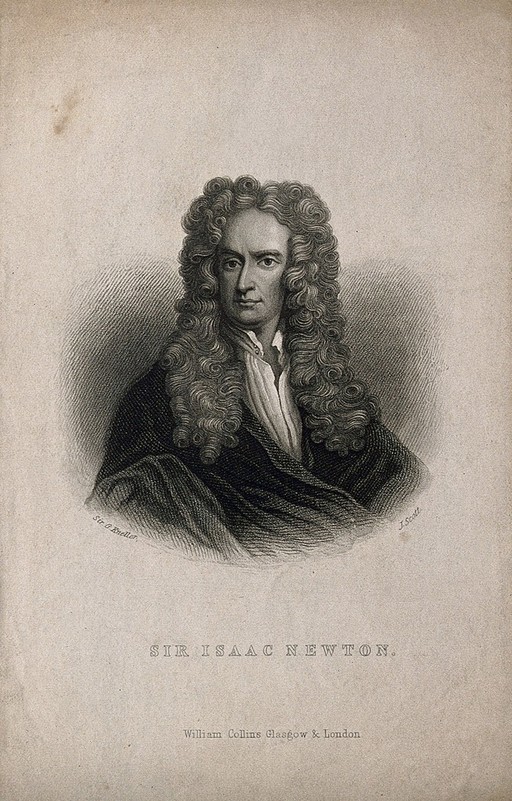
Sir Isaac Newton, stipple engraving by J. Scott after Kneller, 1702
J. Scott, after Sir Godfrey Kneller · 1702 (print made later)
Ready when you are
Start chatting with Isaac Newton now.
20 messages free · No credit card · Available in 50+ languages.