


Secondary sourcePainting1827
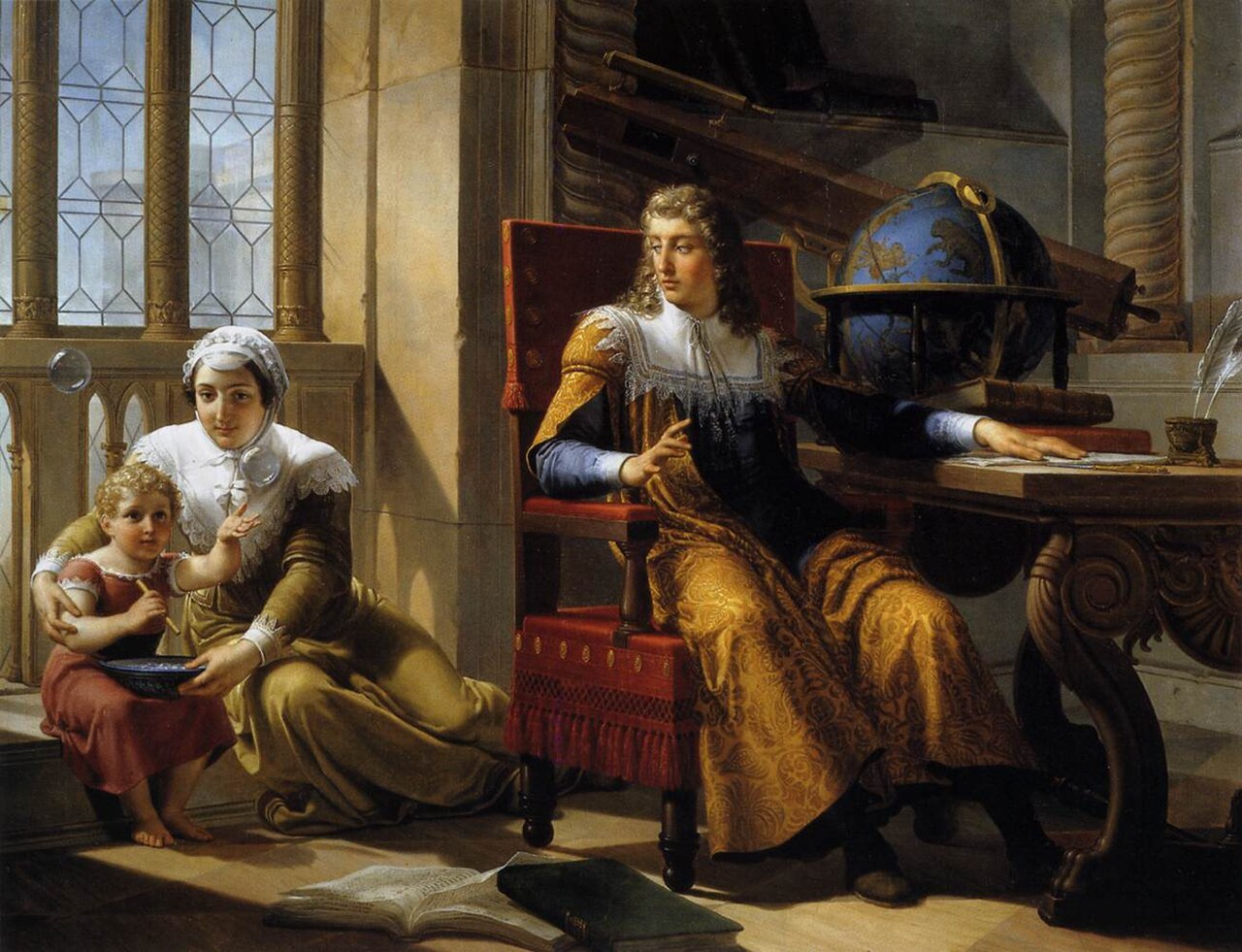
Newton's Discovery of the Refraction of Light
Pelagio Palagi · 1827
An 1827 painting imagining young Newton experimenting with light and a prism, long after his death.
An imagined, later painting celebrating Newton's discovery of light refraction, made long after his lifetime.
About this source
What it is
This oil painting was made in 1827 by the Italian artist Pelagio Palagi, about a century after Newton died. It imagines a scene of a young Newton surrounded by scientific instruments such as a globe and telescope, with a quill and books nearby.
Why it matters
Palagi painted this long after Newton's actual discoveries about light and refraction, so it is not a record of a real event but an artist's imagined tribute. It shows how later generations pictured Newton as a brilliant, almost magical young genius, reflecting his reputation in the century after his death.
Look closer
- What details in the painting suggest Newton is a scientist or scholar?
- Since Palagi never met Newton, where might he have gotten ideas for how to show him?
- How does this image differ from a realistic historical record?
This painting is part of the curated material that grounds the AI version of Isaac Newton on Humy.ai — when students ask about related events, the AI can quote it and cite it.
More Isaac Newton sources
Meet the AI Isaac Newton →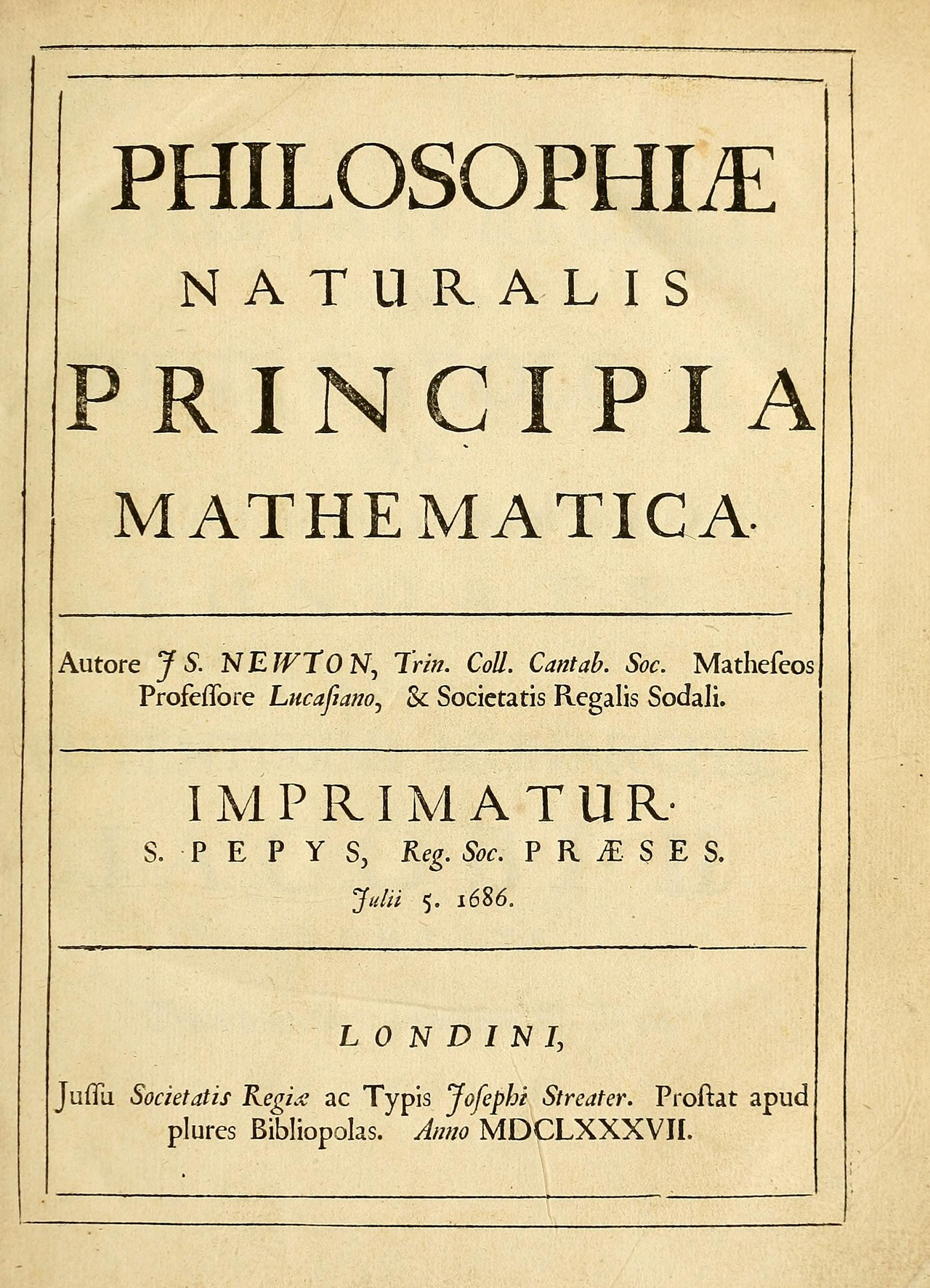 Book
Primary source
Philosophiæ Naturalis Principia Mathematica
Isaac Newton · 1687
 Book
Primary source
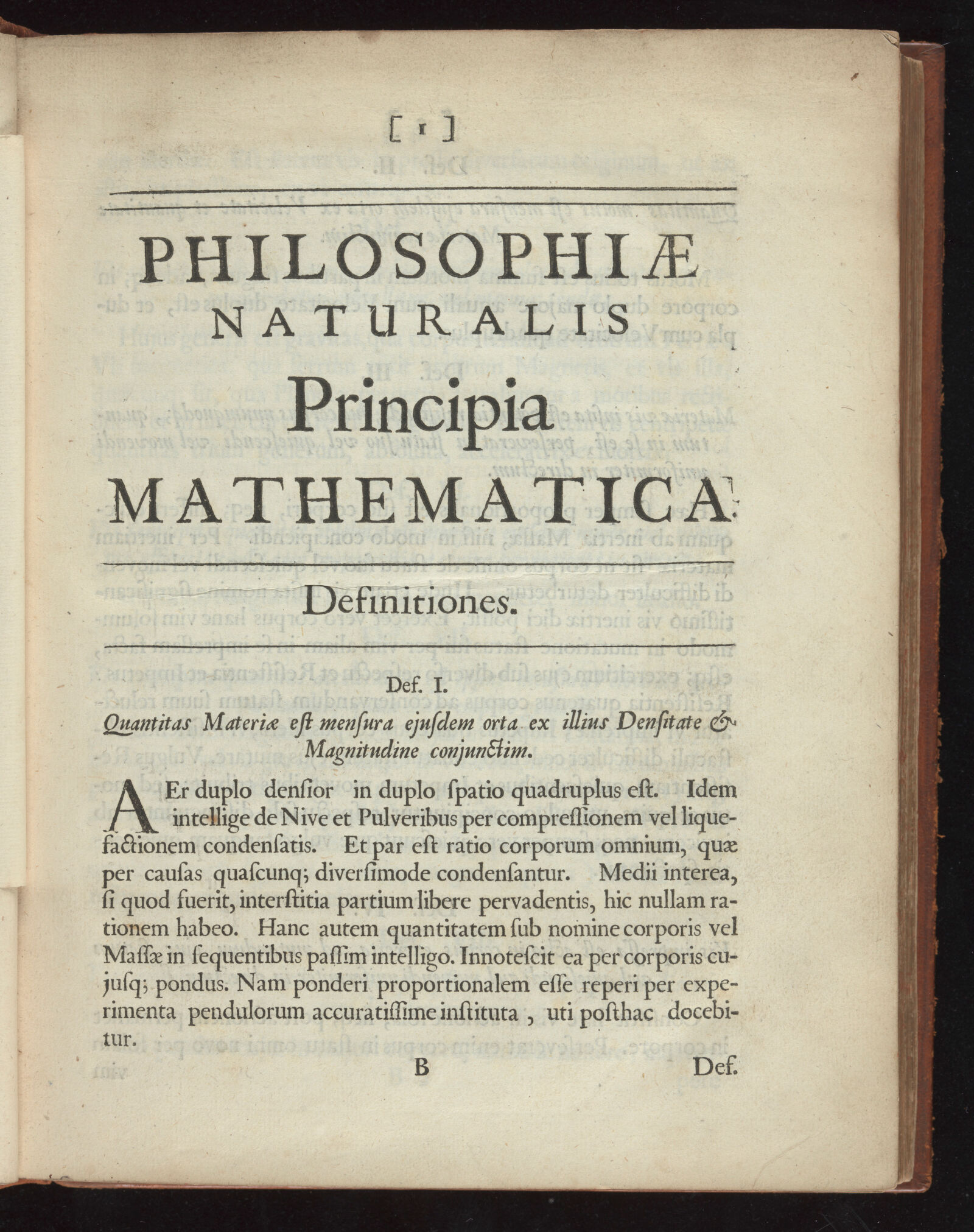
Principia Mathematica, Page 1: Definitions
Isaac Newton · 1687
 Painting
Primary source
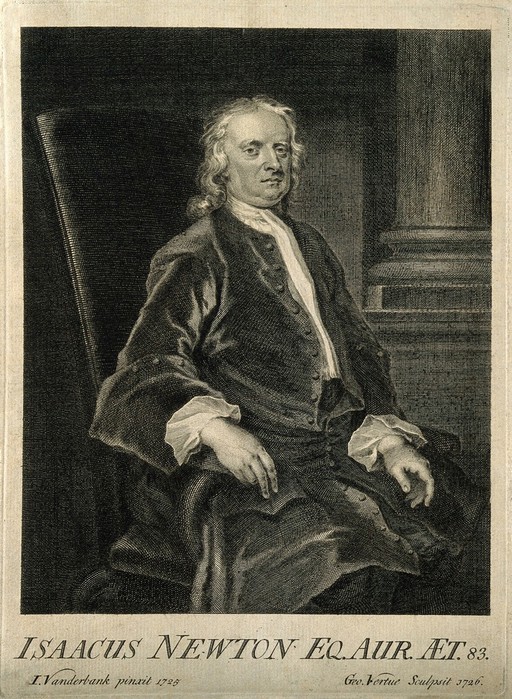
Sir Isaac Newton, line engraving by Vertue, 1726
George Vertue · 1726
 Document
Primary source
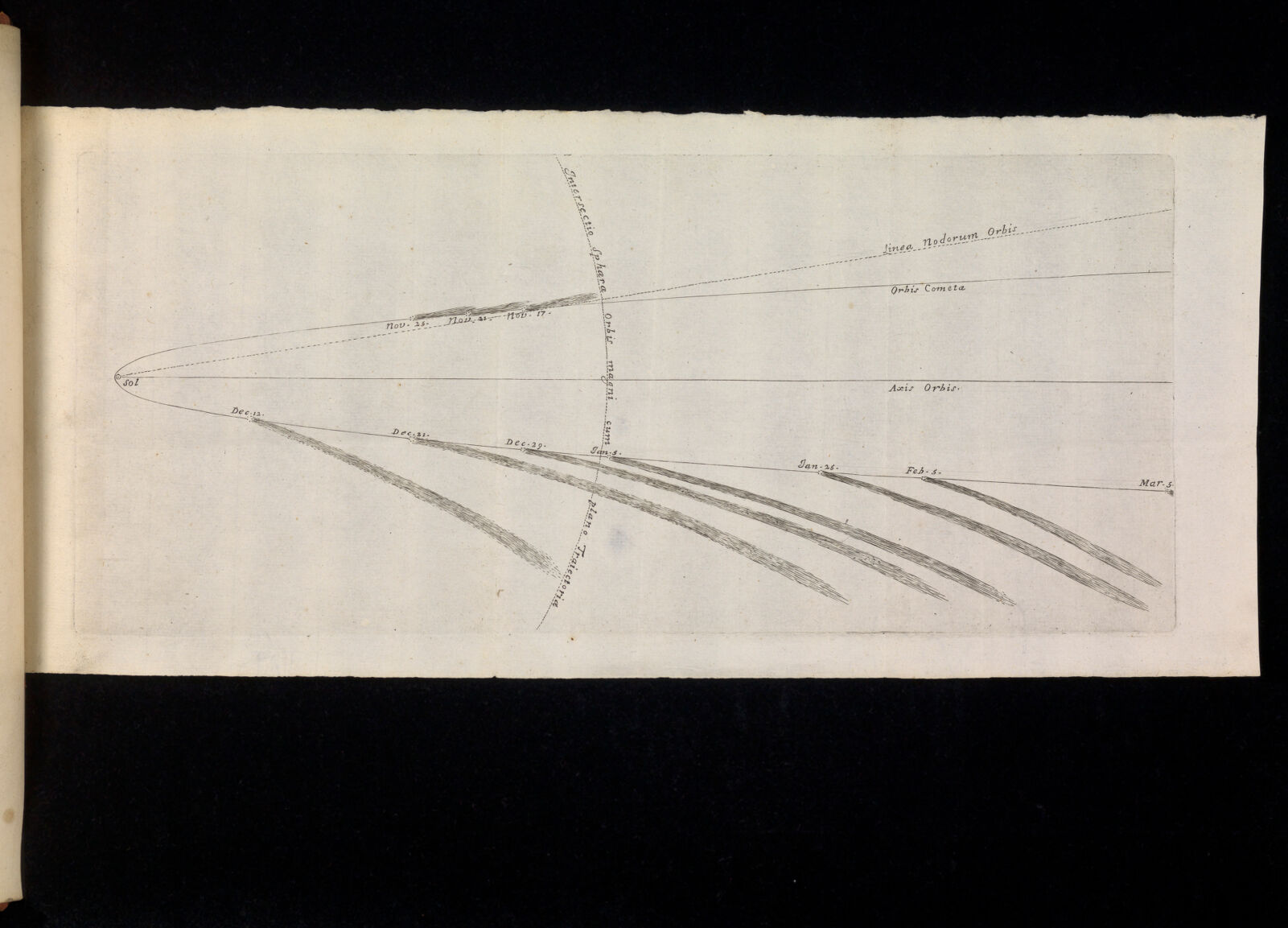
Principia Mathematica, Fold-out Diagram
Isaac Newton · 1687
 Painting
Primary source
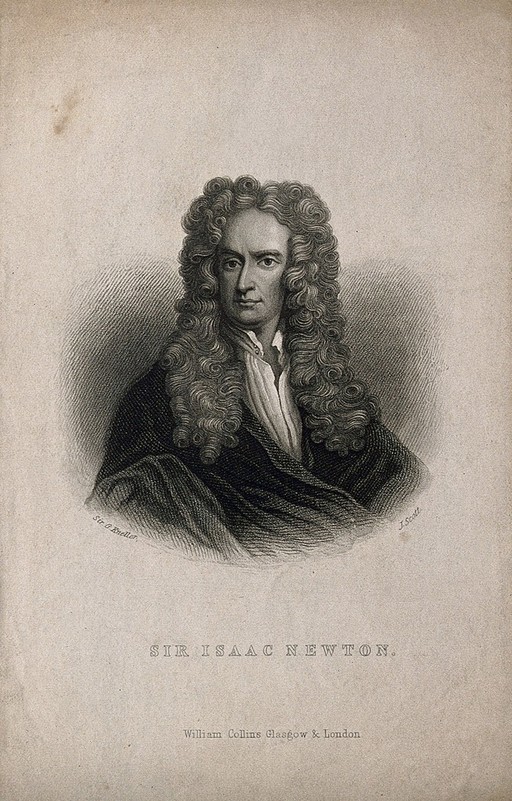
Sir Isaac Newton, stipple engraving by J. Scott after Kneller, 1702
J. Scott, after Sir Godfrey Kneller · 1702 (print made later)
Ready when you are
Start chatting with Isaac Newton now.
20 messages free · No credit card · Available in 50+ languages.