


Primary sourceDocumentc. 1666
Newton's Notebook Entry on 'Furnace'
Isaac Newton · c. 1666
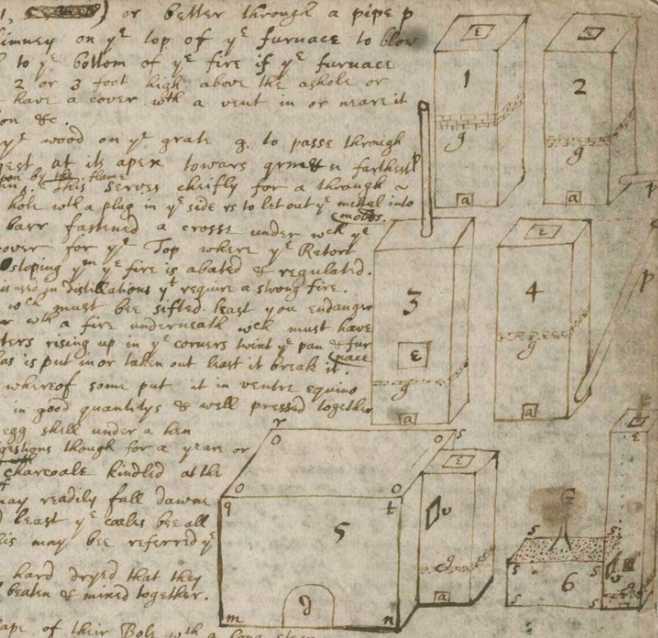
A handwritten notebook page by Newton from around 1666 showing diagrams of furnaces used in his alchemical experiments.
A page from Newton's own notebook documenting the furnace equipment he used in his alchemical experiments.
About this source
What it is
This manuscript page, written by Isaac Newton around 1666, is part of a notebook held by the University of Chicago Library. It contains numbered line drawings of furnaces and a crucible setup, with handwritten notes describing charcoal, fire, and vents.
Why it matters
This page shows Newton's hands-on, practical side as he carried out alchemical experiments requiring carefully designed furnaces. Alongside his mathematics and physics, Newton pursued chemical and alchemical work that required real equipment and technical skill, revealing a more experimental, workshop-based side of his career.
Look closer
- What do the furnace diagrams tell you about the kind of experiments Newton was running?
- Why might someone studying light and gravity also be interested in furnaces and fire?
- What does this page suggest about the everyday, practical work behind scientific discovery?
This document is part of the curated material that grounds the AI version of Isaac Newton on Humy.ai — when students ask about related events, the AI can quote it and cite it.
More Isaac Newton sources
Meet the AI Isaac Newton →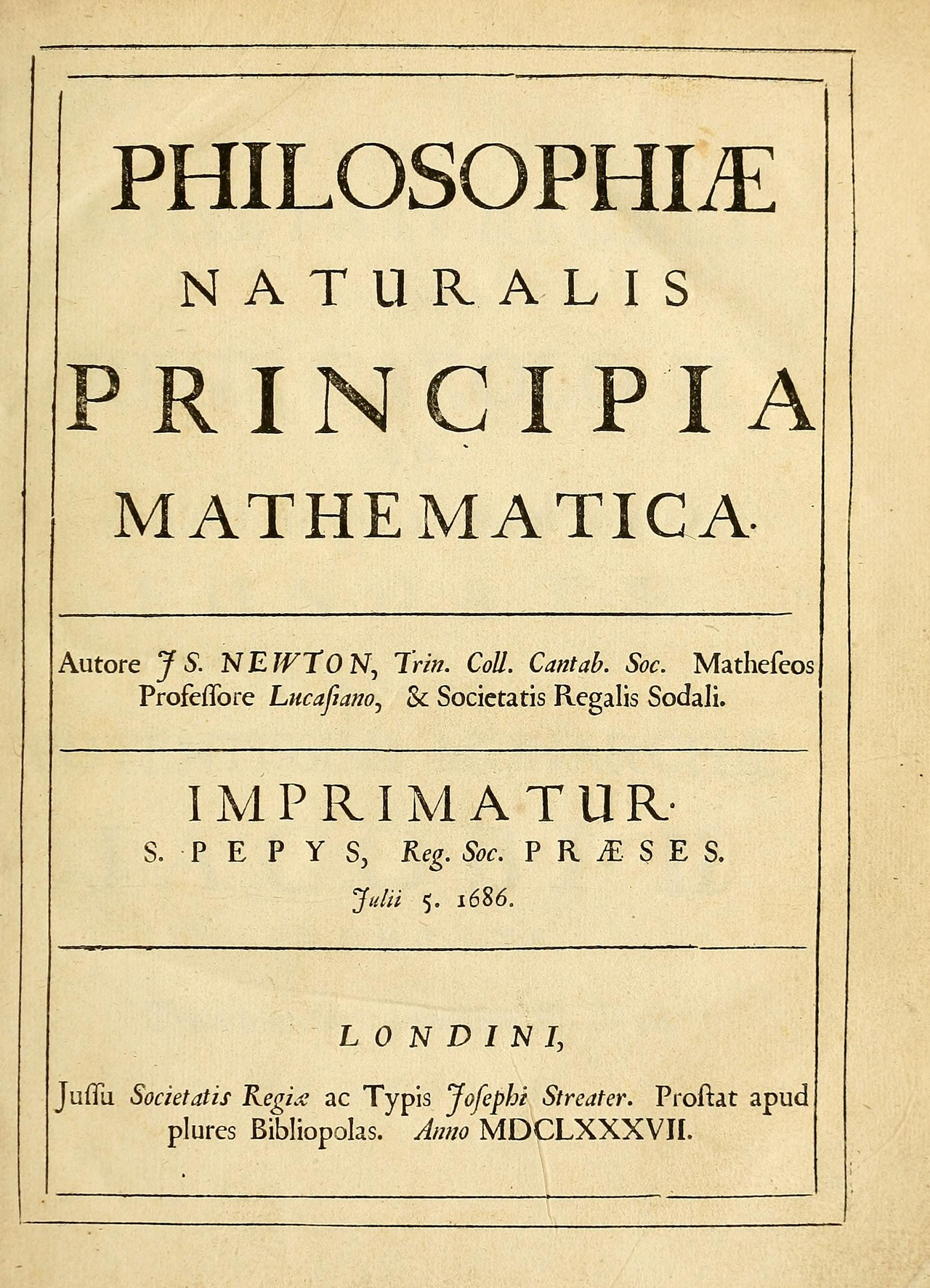 Book
Primary source
Philosophiæ Naturalis Principia Mathematica
Isaac Newton · 1687
 Book
Primary source
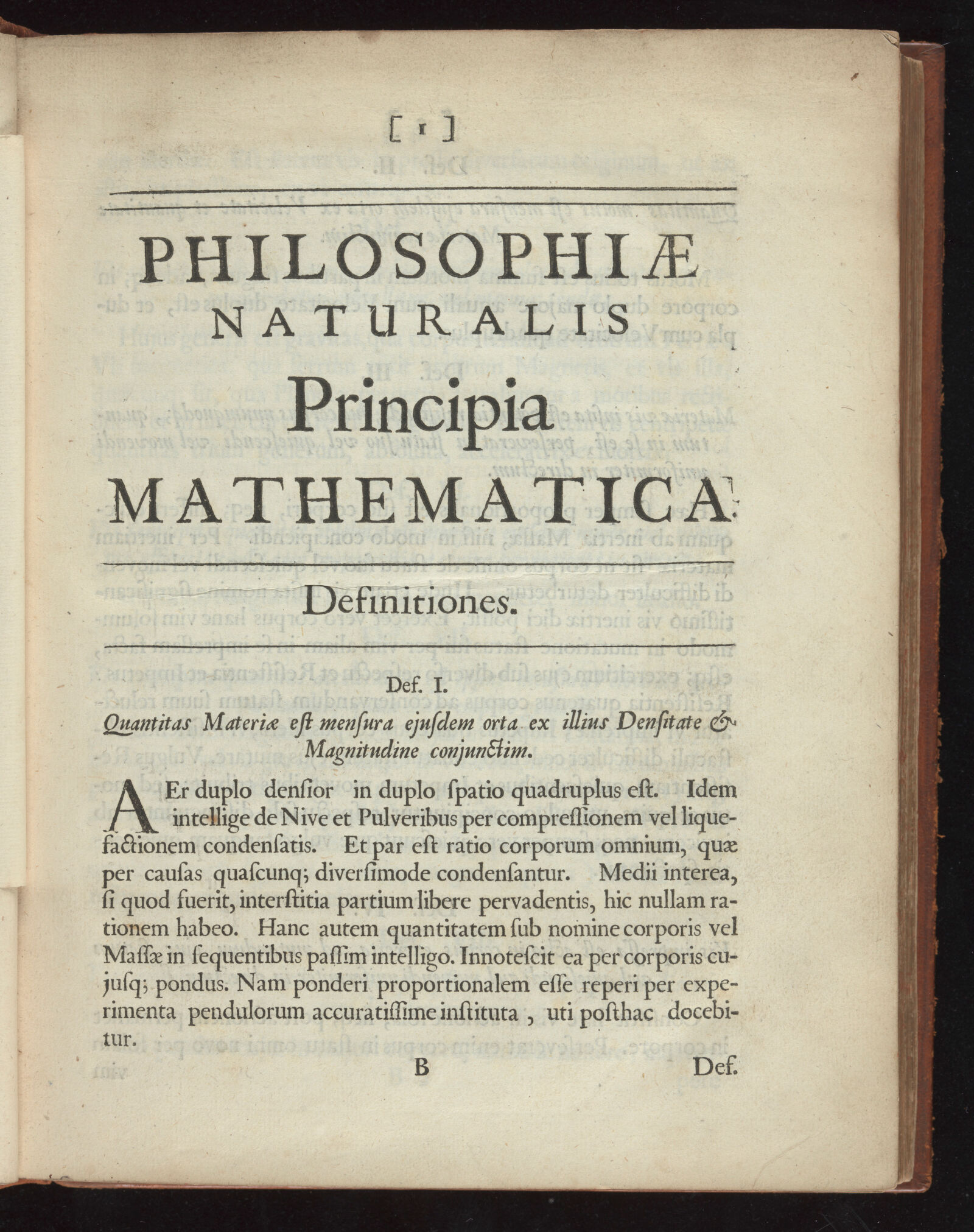
Principia Mathematica, Page 1: Definitions
Isaac Newton · 1687
 Painting
Primary source
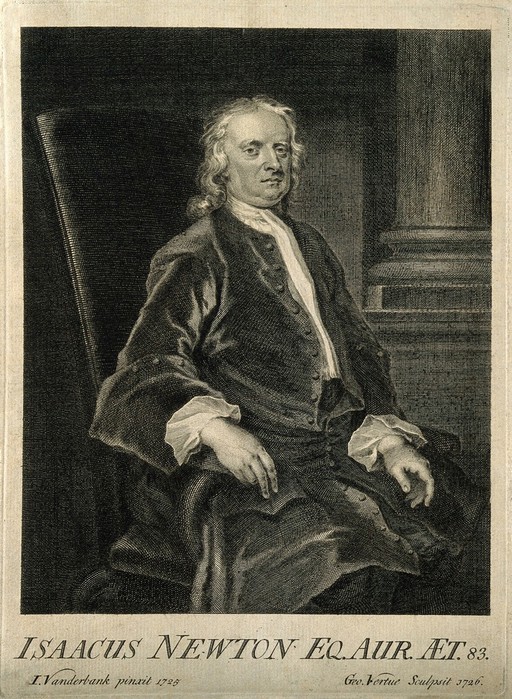
Sir Isaac Newton, line engraving by Vertue, 1726
George Vertue · 1726
 Document
Primary source
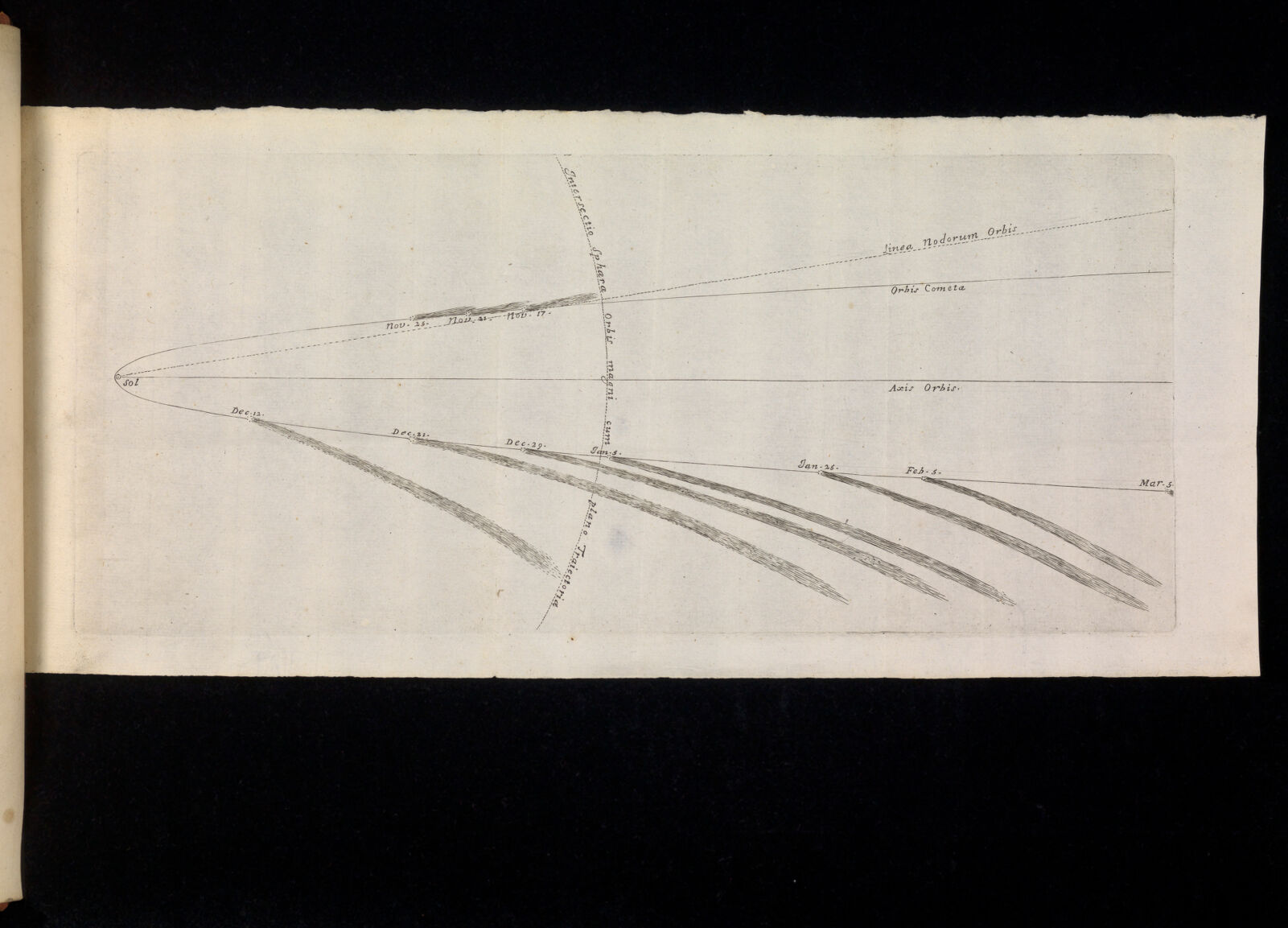
Principia Mathematica, Fold-out Diagram
Isaac Newton · 1687
 Painting
Primary source
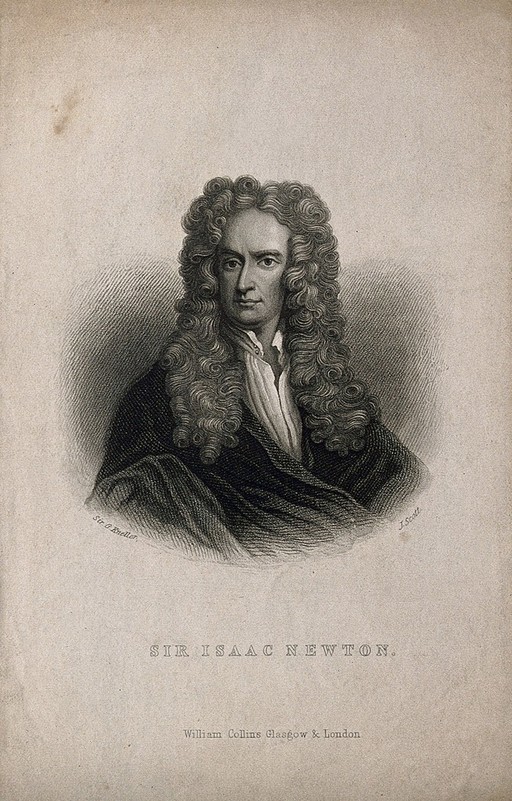
Sir Isaac Newton, stipple engraving by J. Scott after Kneller, 1702
J. Scott, after Sir Godfrey Kneller · 1702 (print made later)
Ready when you are
Start chatting with Isaac Newton now.
20 messages free · No credit card · Available in 50+ languages.