


Secondary sourceBookc. 1200
Nibelungenlied
c. 1200
A medieval German epic poem in which Attila appears transformed into the legendary King Etzel, husband of Kriemhild.
Shows Attila's transformation across centuries into the legendary King Etzel of Germanic epic.
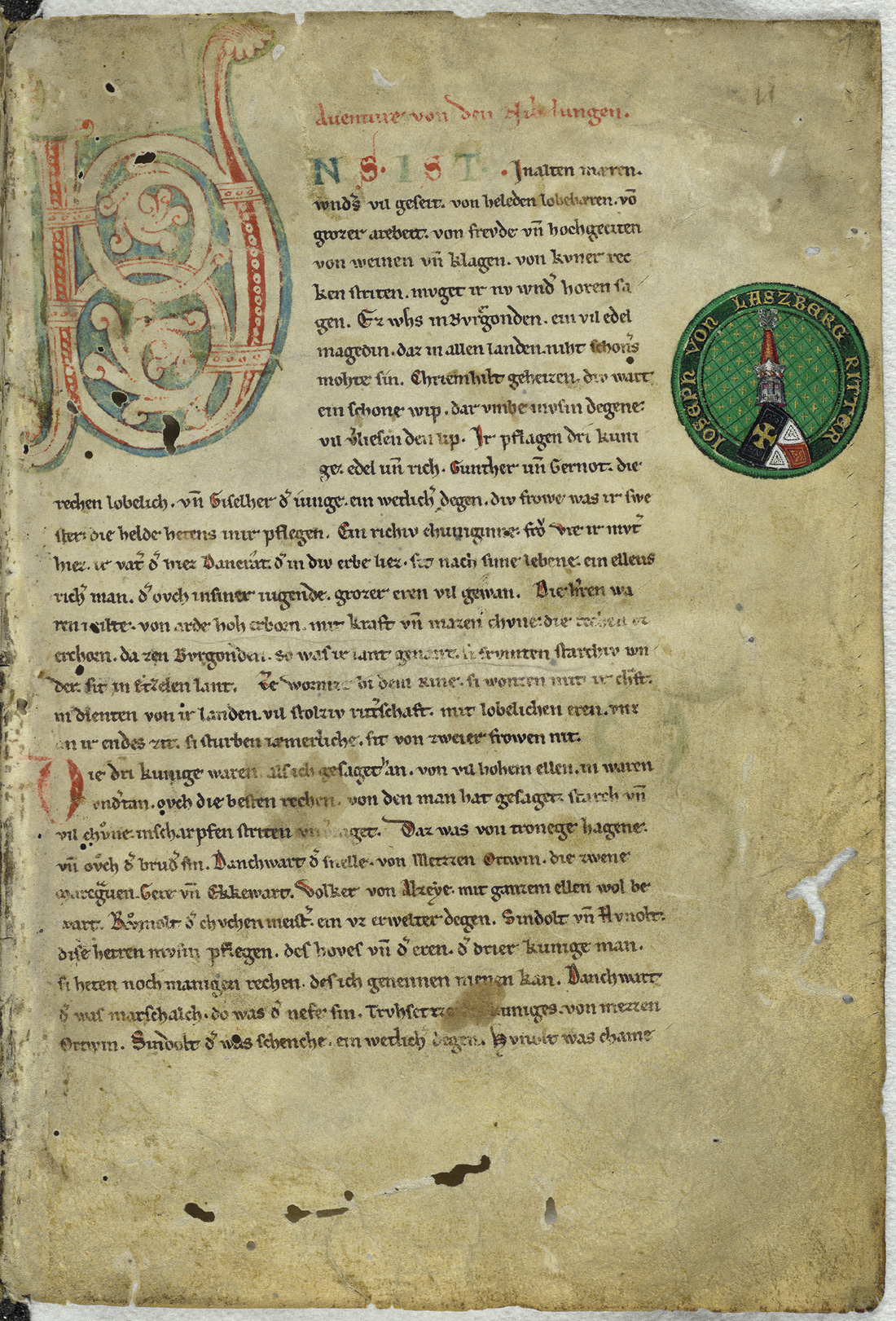
About this source
What it is
The Nibelungenlied is an epic poem in Middle High German written by an anonymous poet around 1200, likely from the Passau region. It survives in dozens of manuscripts, the oldest dating to the early-to-mid 13th century, and draws on older oral Germanic heroic legend rooted partly in real 5th- and 6th-century events.
Why it matters
In its second half, the poem's widow Kriemhild marries Etzel, king of the Huns — a legendary figure derived from Attila. The story of the destruction of Etzel's court shows how Attila's historical memory was reshaped over centuries into Germanic legend, far removed from the real events of his life. The poem later became central to German national identity and, in the 20th century, was misused in nationalist propaganda.
Look closer
- How different is this legendary Etzel from what historical sources say about Attila?
- Why might a story centuries old still be reworked and retold by new generations?
- What does the later political use of this poem teach about how legends can be misused?
This book is part of the curated material that grounds the AI version of Attila the Hun on Humy.ai — when students ask about related events, the AI can quote it and cite it.
More Attila the Hun sources
Meet the AI Attila the Hun → Book
Primary source
Getica
Jordanes · 555
 Painting
Primary source
The Meeting of Leo the Great and Attila
Raphael · 1513-1514
 Book
Secondary source
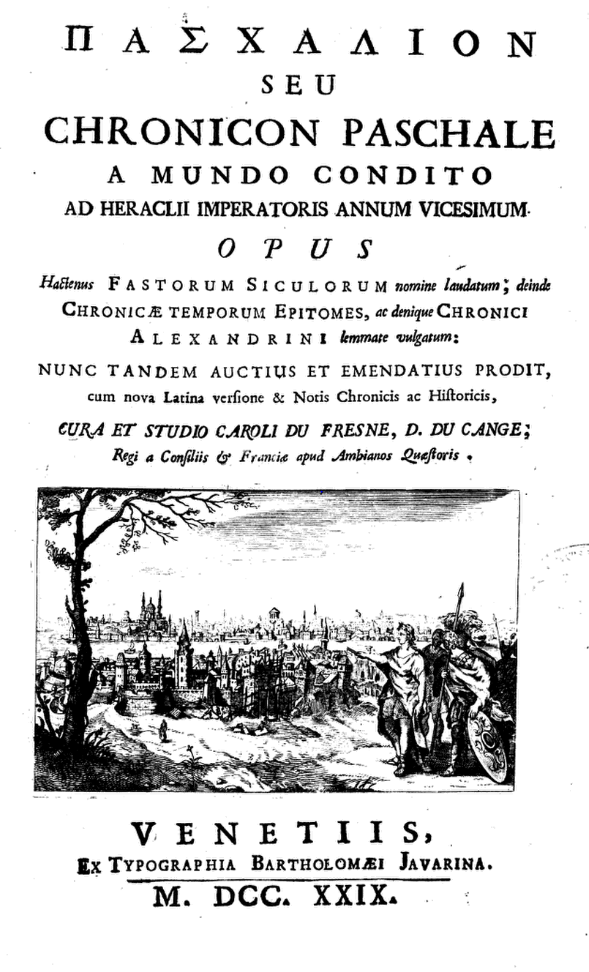
Chronicon Paschale
Anonymous · 630
 Book
Secondary source
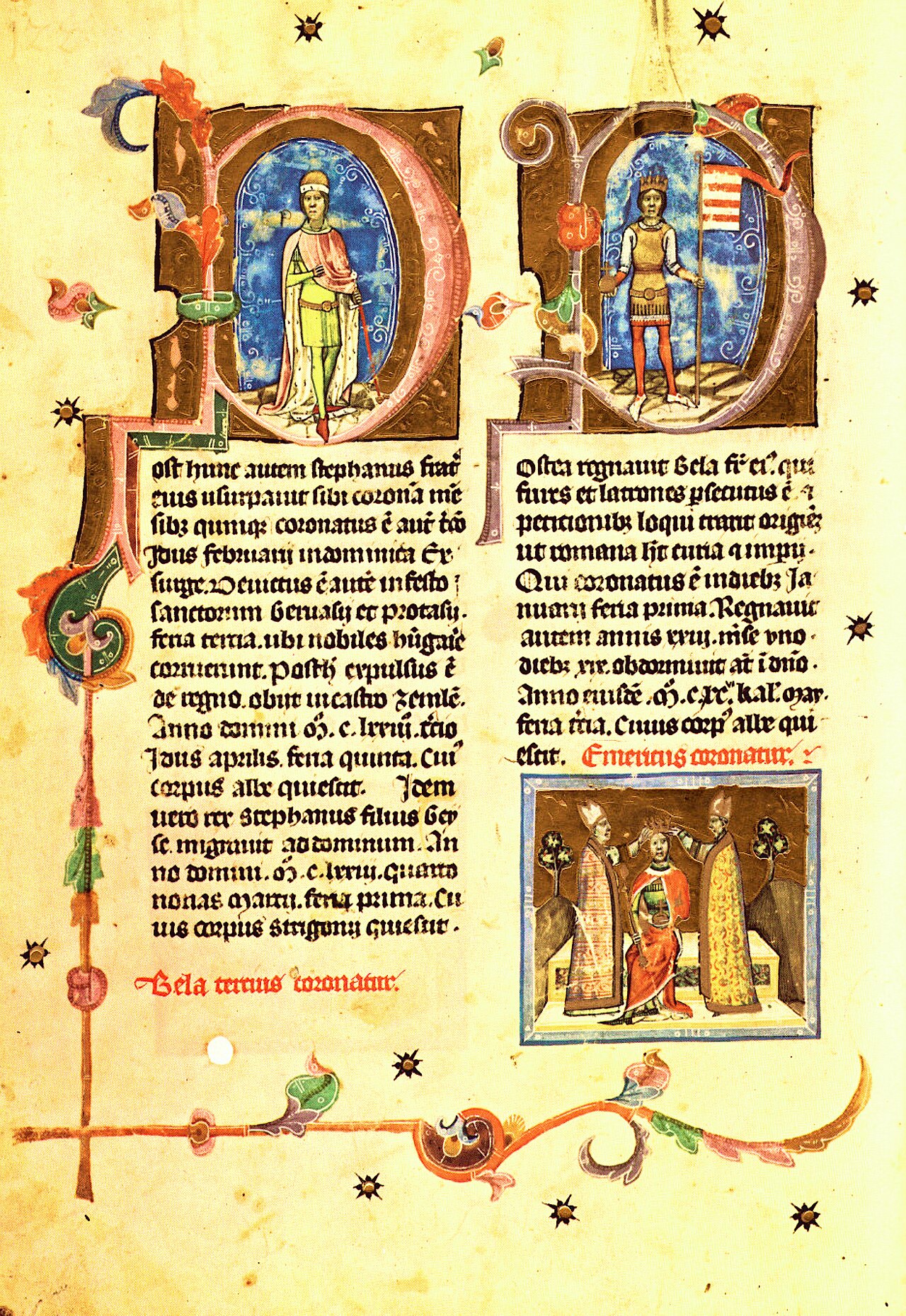
Chronicon Pictum
Márk Kálti · after 1358, no later than 1370
 Painting
Secondary source
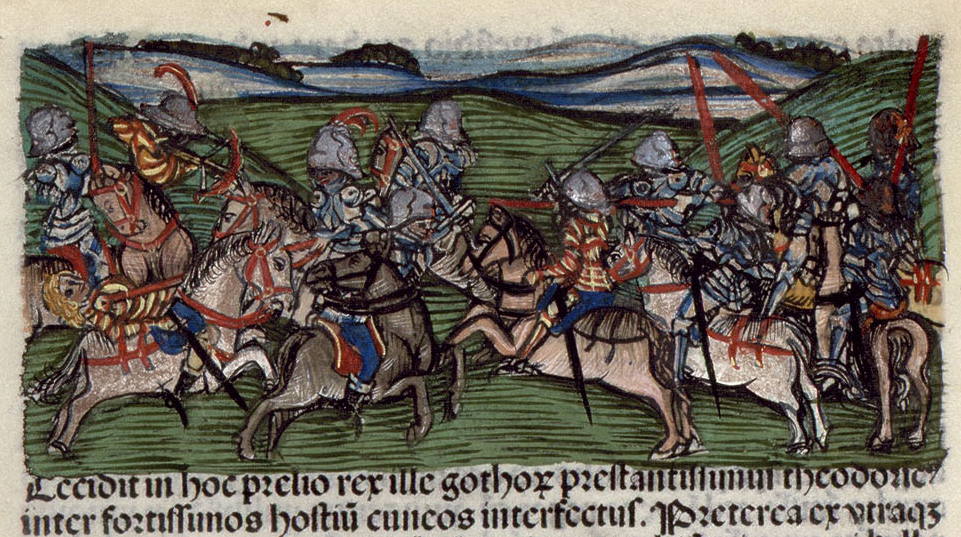
Chronica Hungarorum - The Battle of King Attila at the Catalaunian Plains
Johannes de Thurocz · 1488
Ready when you are
Start chatting with Attila the Hun now.
20 messages free · No credit card · Available in 50+ languages.