


Primary sourceDocument6 February 1922
Nine-Power Treaty
6 February 1922
A 1922 treaty signed by nine powers at the Washington Naval Conference, affirming the sovereignty and territorial integrity of China under the Open Door Policy. It was hosted by Harding's administration.
Concluded at the Washington Conference that Harding hosted, it was part of the Pacific settlement of his administration.
About this source
What it is
The Nine-Power Treaty is a 1922 agreement signed on 6 February 1922 by the attendees of the Washington Naval Conference: Belgium, China, France, the United Kingdom, Italy, Japan, the Netherlands, Portugal and the United States. Its opening lines name the parties and state their aim of stabilizing conditions in the Far East and safeguarding the rights and interests of China. The treaty was signed by plenipotentiaries including Charles Evans Hughes, Henry Cabot Lodge, Oscar W. Underwood and Elihu Root for the United States.
Why it matters
The treaty tried to make the Open Door Policy, first proposed by John Hay in 1899 and 1900, into a formal international agreement. It affirmed China's sovereignty and territorial integrity. The treaty had no enforcement rules, and Japan violated it during its invasion of Manchuria in 1931. It shows how the Harding administration handled Pacific affairs through diplomacy among the great powers.
Look closer
- Which countries signed the treaty, and which ones are missing from the list of attendees?
- Why did the signers state their goal in terms of equality of opportunity rather than control of territory?
- What does the treaty leave out, especially any way to enforce its promises?
This document is part of the curated material that grounds the AI version of Warren G. Harding on Humy.ai — when students ask about related events, the AI can quote it and cite it.
More Warren G. Harding sources
Meet the AI Warren G. Harding →Primary source
Readjustment
Warren G. Harding · May 1920
 Speech
Primary source
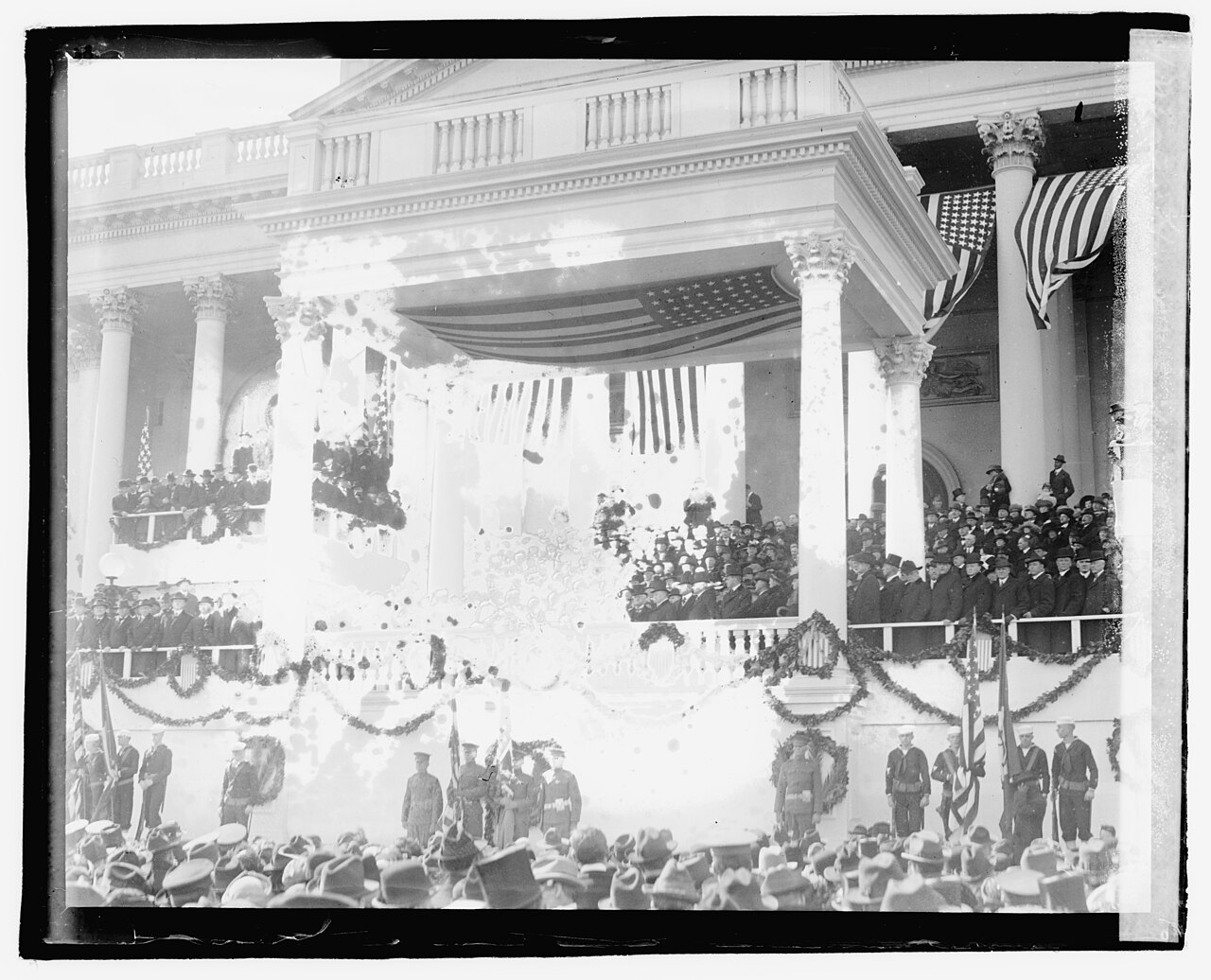
Inaugural Address of Warren G. Harding
Warren G. Harding · 4 March 1921
 Document
Primary source
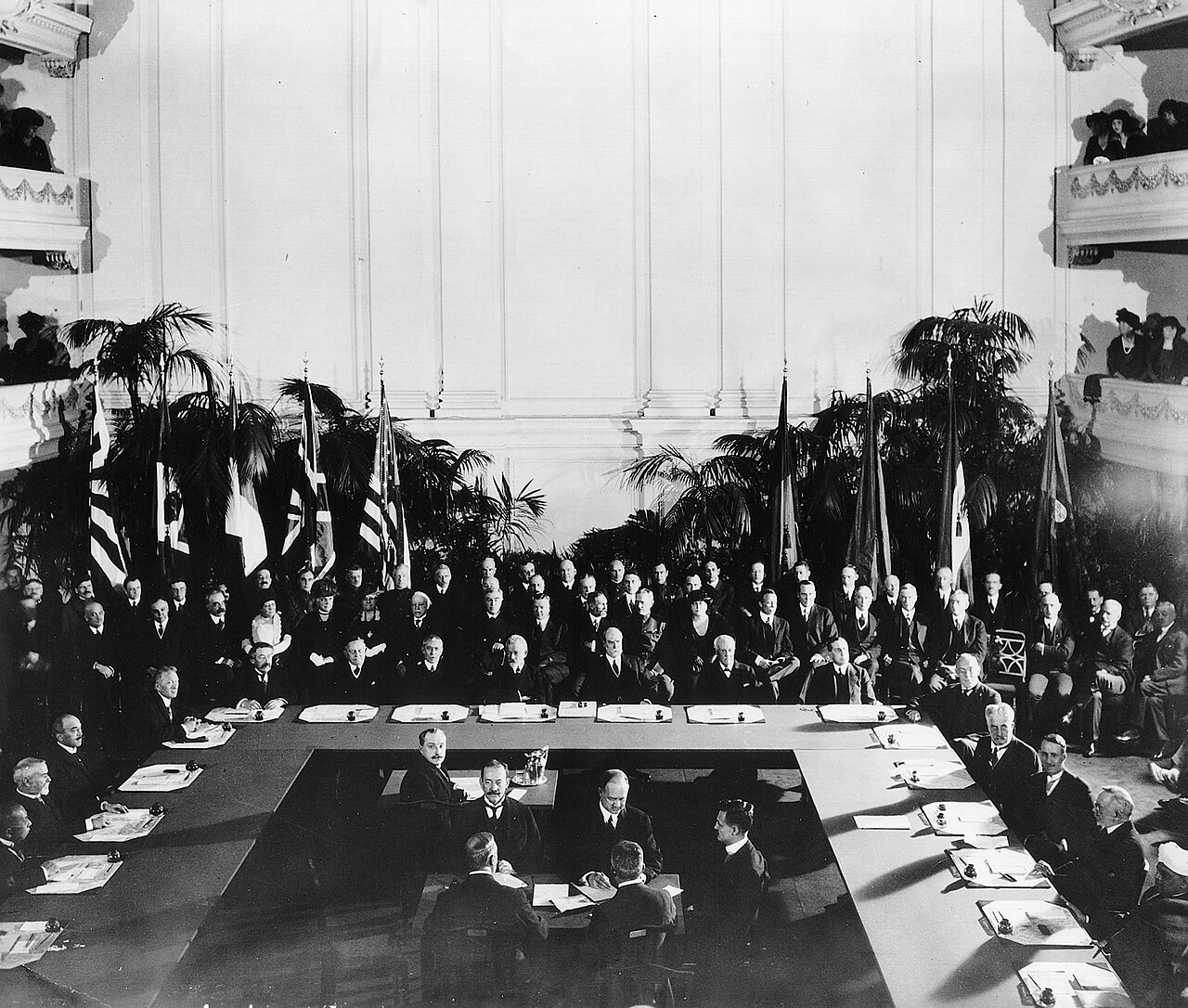
Washington Naval Treaty
1922
Primary source
Recording of the voice of Warren G. Harding
Warren G. Harding
 Photograph
Primary source
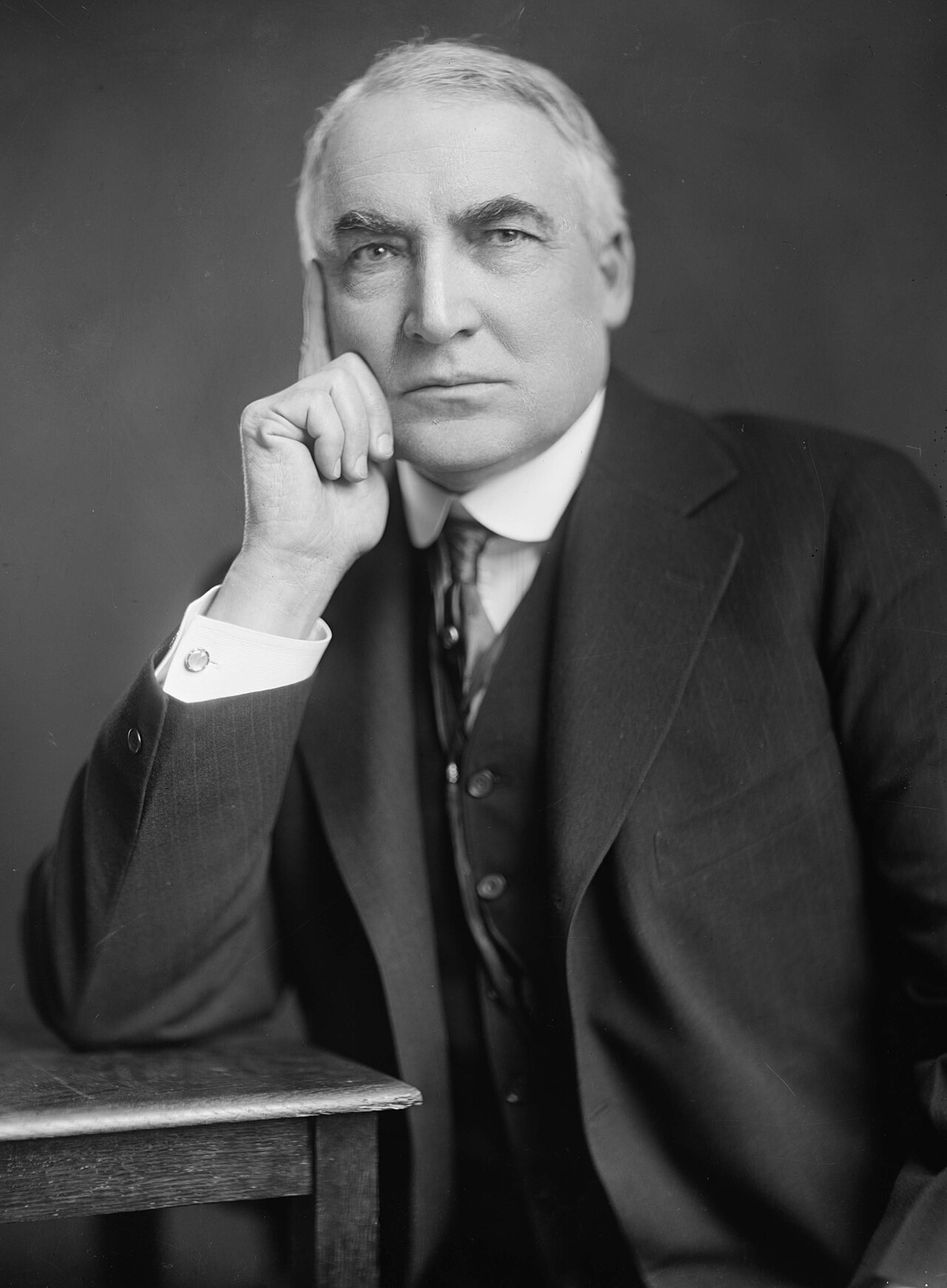
Warren G Harding by Harris & Ewing
Harris & Ewing
Ready when you are
Start chatting with Warren G. Harding now.
20 messages free · No credit card · Available in 50+ languages.