


Primary sourceDocument1600s
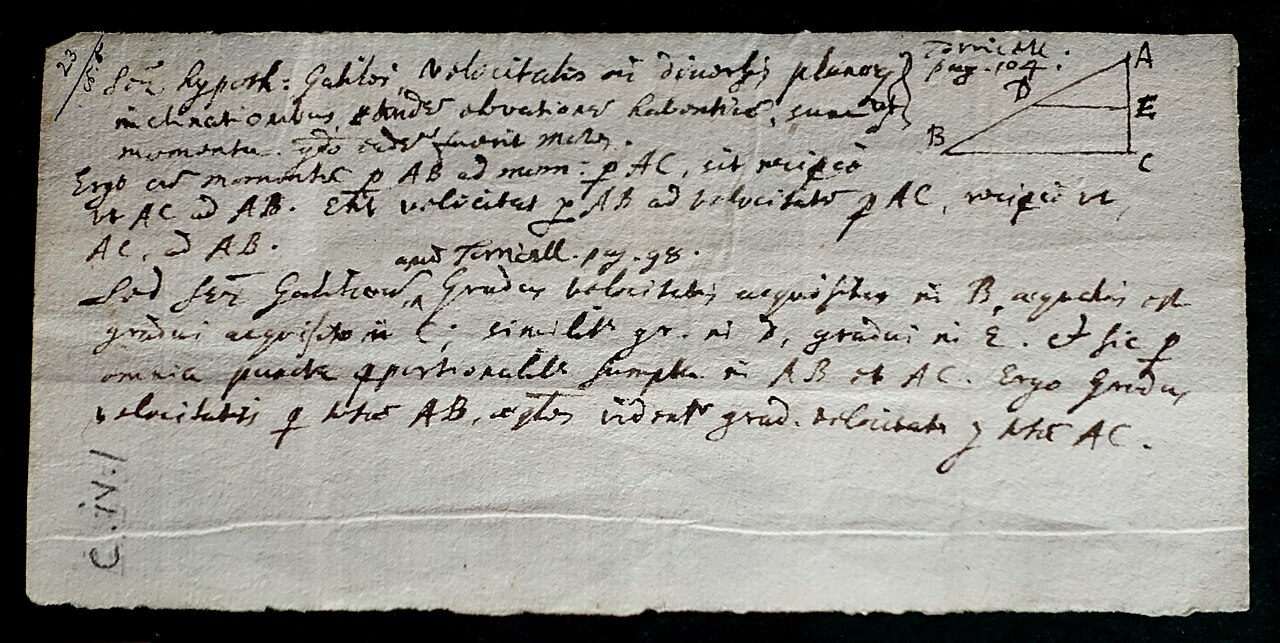
Notes on Galileo's Theory of Motion
Thomas Hobbes · 1600s
Handwritten Latin notes by Hobbes on Galileo's physics, held at Chatsworth House, showing the scientific roots of his philosophy.
These are Hobbes's own working notes, showing his engagement with Galileo's science behind his philosophy.
About this source
What it is
This is a small handwritten manuscript page, written in Latin, containing notes by Thomas Hobbes on Galileo's theory of motion. It includes a small geometric diagram. The page is kept in the Oak Room at Chatsworth House in Derbyshire, England.
Why it matters
Hobbes was deeply interested in the new science of his time, and Galileo's ideas about motion influenced how Hobbes thought about politics and human behaviour, which he tried to explain using mechanical, scientific principles. This manuscript shows Hobbes actively working through scientific ideas, connecting him to the wider scientific revolution happening across Europe.
Look closer
- What does the diagram suggest about how Hobbes tried to understand motion visually as well as in words?
- Why might a philosopher study physics alongside politics?
- What does the survival of a private study page tell us that a printed book cannot?
This document is part of the curated material that grounds the AI version of Thomas Hobbes on Humy.ai — when students ask about related events, the AI can quote it and cite it.
More Thomas Hobbes sources
Meet the AI Thomas Hobbes →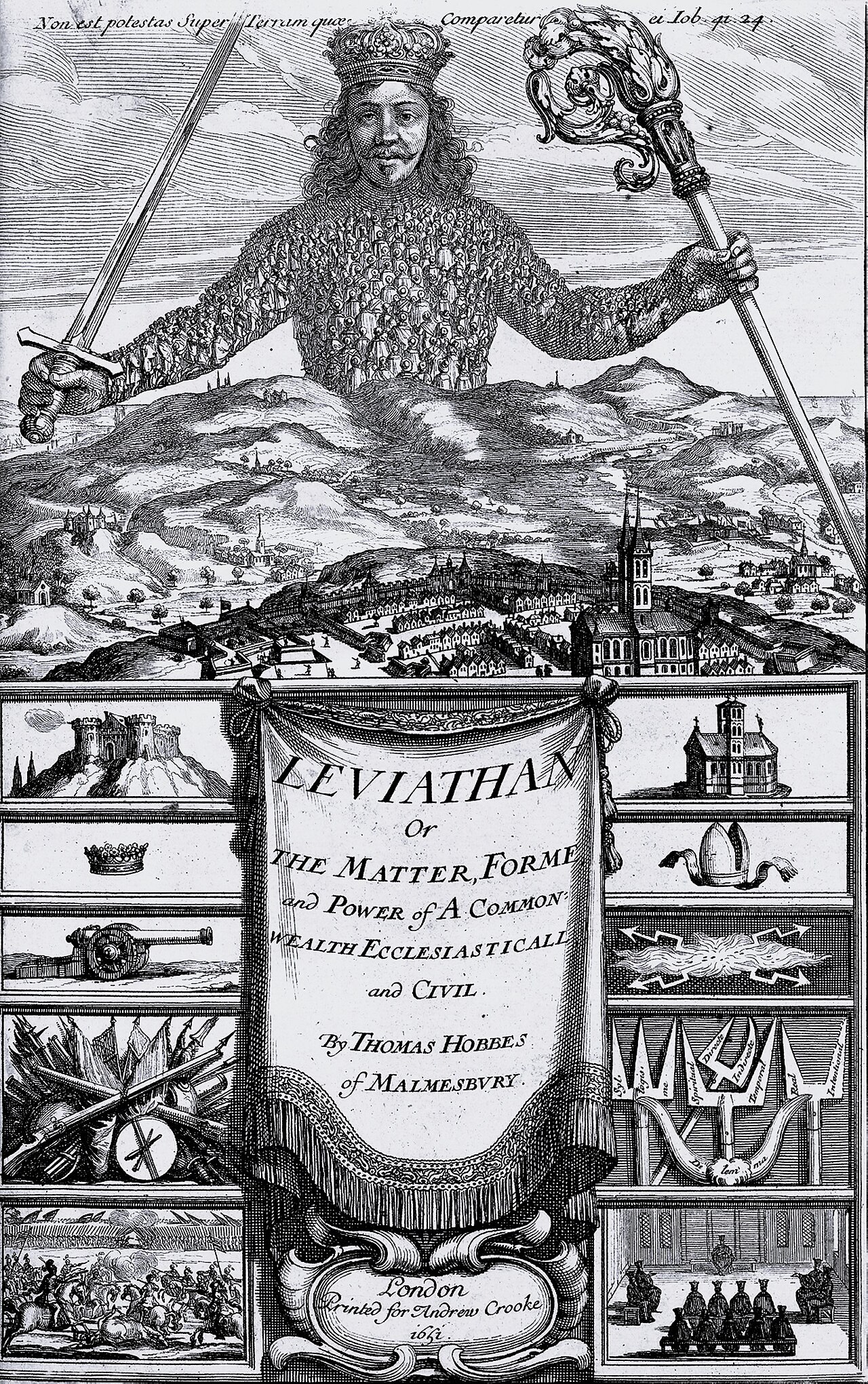 Book
Primary source
Leviathan
Thomas Hobbes · 1651
 Book
Primary source
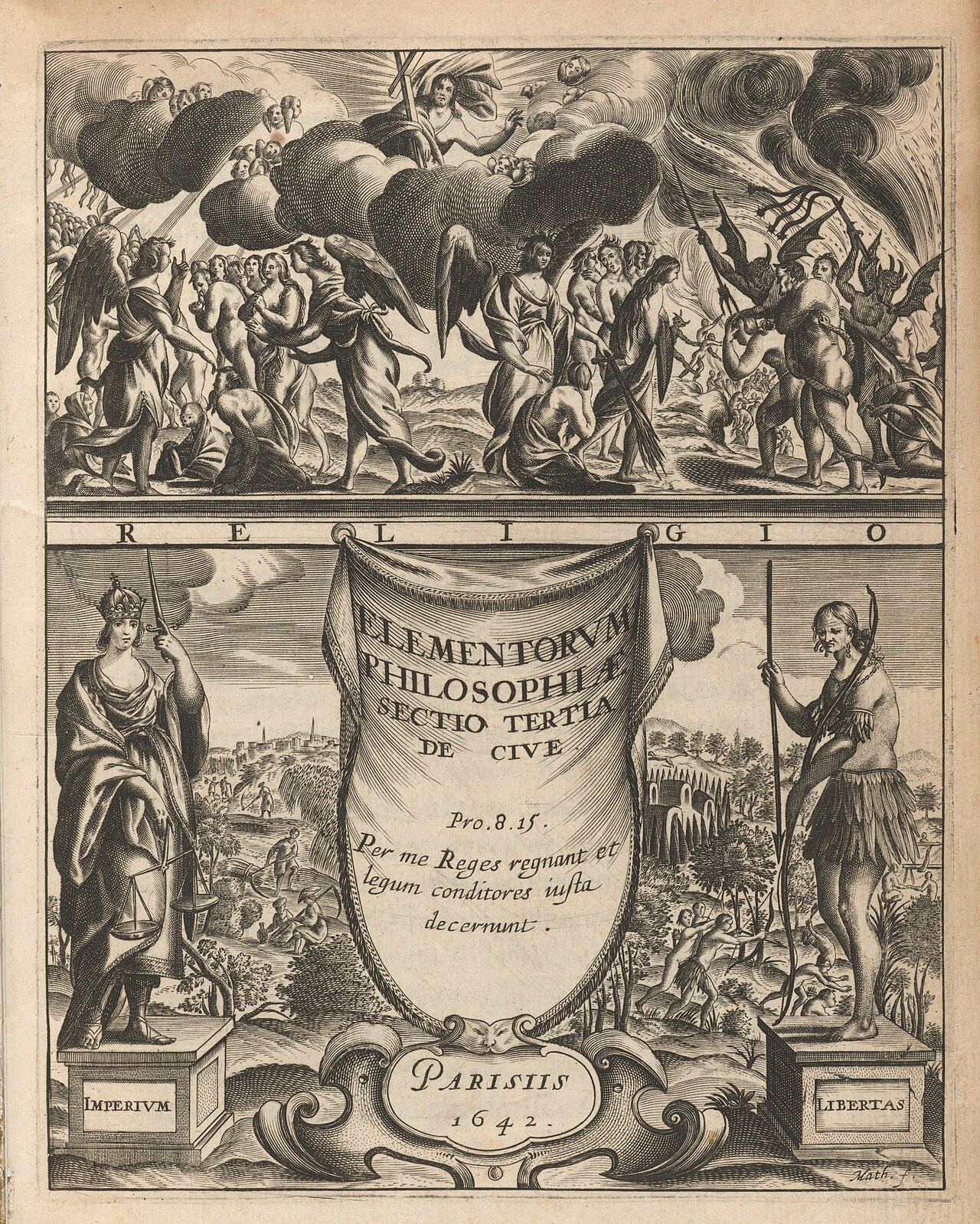
De Cive
Thomas Hobbes · 1642
 Painting
Secondary source
Portrait of Thomas Hobbes, Line Engraving
Primary source
The Elements of Law
Thomas Hobbes · 1640
 Artifact
Secondary source
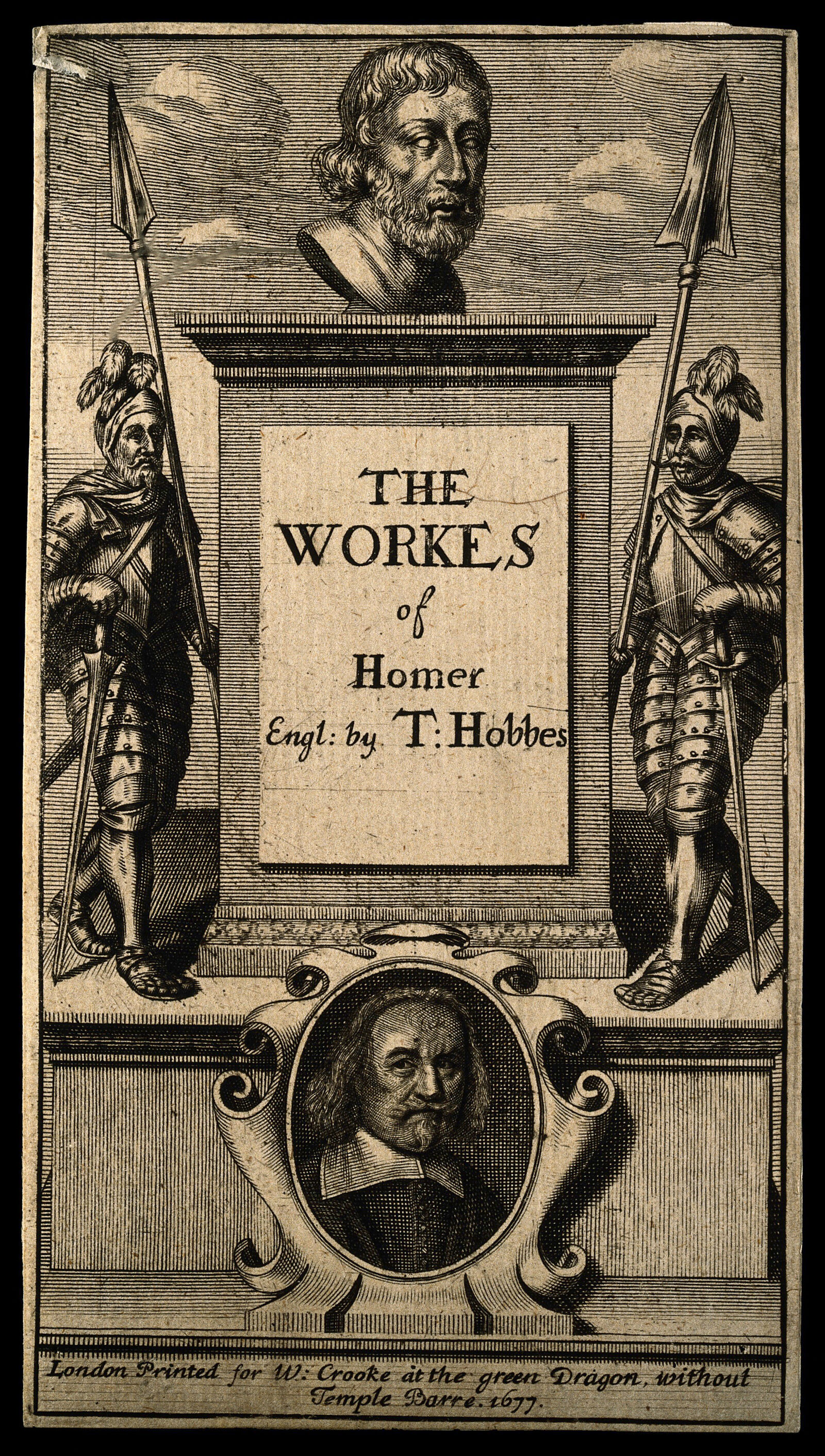
Title Page of The Workes of Homer, Translated by Thomas Hobbes
1677
Ready when you are
Start chatting with Thomas Hobbes now.
20 messages free · No credit card · Available in 50+ languages.