


Secondary sourceBook1866
Notes on the History of Slavery in Massachusetts, Chapter 9
1866
A 1866 study of slavery's end in Massachusetts that discusses Elizabeth Freeman's case as a turning point.
This 1866 history names Elizabeth Freeman's case as a turning point in ending slavery in Massachusetts.
About this source
What it is
This is a chapter from a book written in 1866 examining how slavery ended in Massachusetts. It looks closely at the Massachusetts Constitution of 1780 and the legal arguments used against slavery, including the case of Elizabeth Freeman, known as "Mum Bet."
Why it matters
Written almost a century after the events it describes, this text shows how later historians viewed Elizabeth Freeman's legal case as an important moment in ending slavery in the state. It reflects how her story was remembered and used to explain a larger legal and political change.
Look closer
- Why might a historian writing in 1866 be interested in slavery's end in Massachusetts?
- What does calling her case a "turning-point" suggest about its importance?
- How might a secondary account differ from a first-hand record of the same events?
This book is part of the curated material that grounds the AI version of Elizabeth Freeman (Mum Bett) on Humy.ai — when students ask about related events, the AI can quote it and cite it.
More Elizabeth Freeman (Mum Bett) sources
Meet the AI Elizabeth Freeman (Mum Bett) →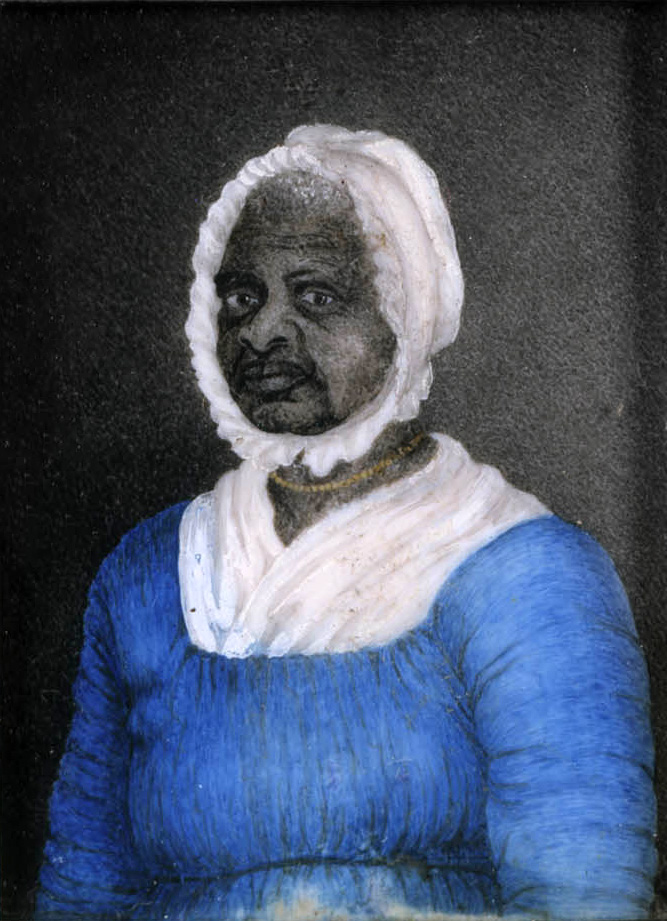 Painting
Primary source
Portrait of Elizabeth Freeman
Susan Ridley Sedgwick · c. 1811-1812
 Document
Primary source
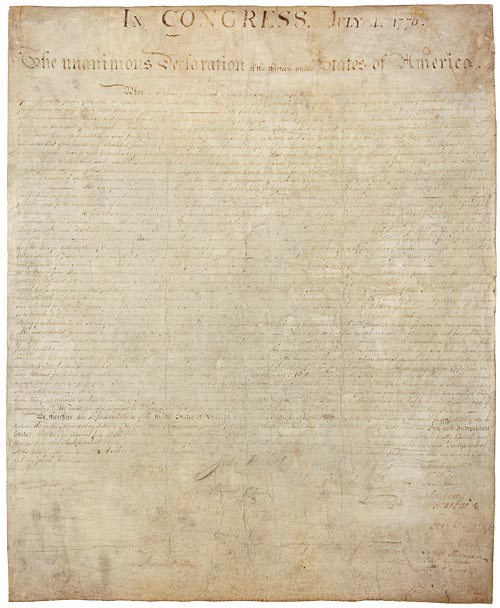
Declaration of Independence
Continental Congress (drafted by Thomas Jefferson) · 1776
 Document
Primary source
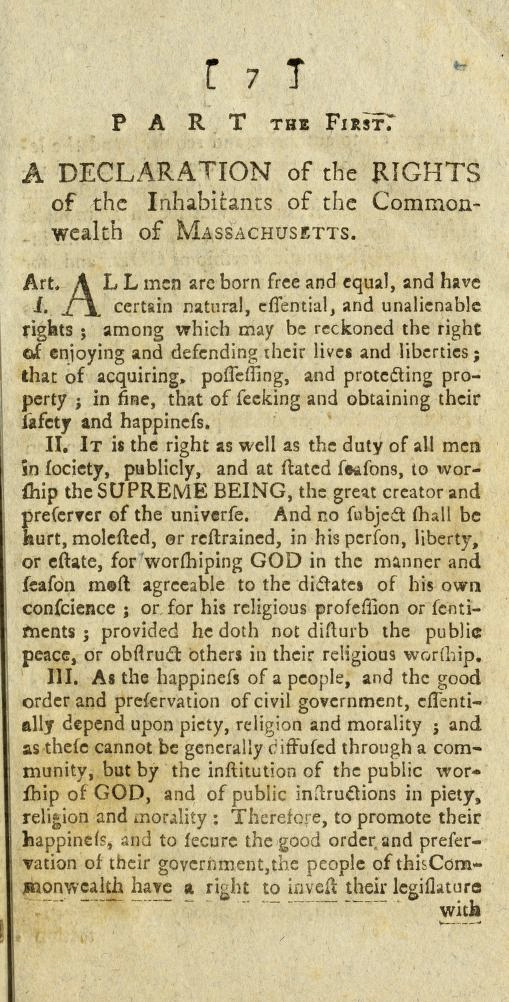
Constitution of Massachusetts
John Adams · 1779-1780
Primary source
Massachusetts Body of Liberties
Nathaniel Ward and the Massachusetts General Court · 1641
Secondary source
Life and Letters of Catharine M. Sedgwick
Catharine Maria Sedgwick · 1871
Ready when you are
Start chatting with Elizabeth Freeman (Mum Bett) now.
20 messages free · No credit card · Available in 50+ languages.