


Primary sourceDocumentc. 1675-1685
Notes on the Jewish Temple
Isaac Newton · c. 1675-1685
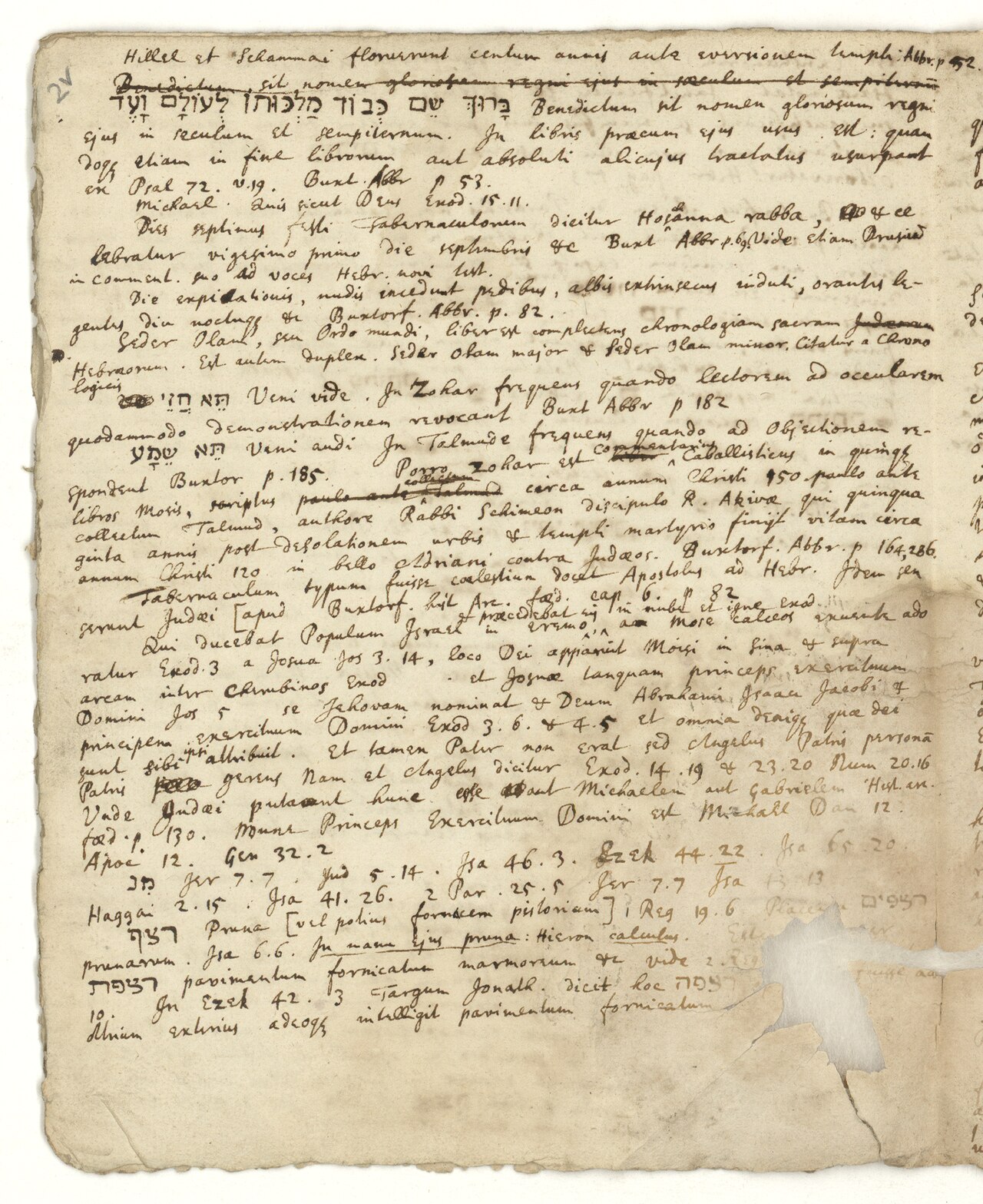
Newton's handwritten study, in Latin, Hebrew, Aramaic and Greek, of the plan and rituals of Solomon's Temple.
This manuscript reveals the scale of Newton's own religious scholarship, written entirely in his hand.
About this source
What it is
This manuscript, written by Isaac Newton between about 1675 and 1685, contains his notes on the Jewish Temple and its rituals, written in Latin, Hebrew, Aramaic and Greek. It is now held at the National Library of Israel in Jerusalem.
Why it matters
Newton based his notes on the description of the Temple in the biblical Book of Ezekiel, drawing on commentaries by the Jesuit scholar Juan Bautista Villalpando and the critique by Louis Cappel, as well as Hebrew grammar by Johannes Buxtorf. The manuscript shows the huge amount of time Newton, famous for physics and mathematics, also spent on biblical and religious scholarship.
Look closer
- Why might someone studying gravity also carefully study ancient religious texts?
- What does the mix of languages in the manuscript tell you about Newton's education?
- What is crossed out or corrected, and what might that reveal about how he worked?
This document is part of the curated material that grounds the AI version of Isaac Newton on Humy.ai — when students ask about related events, the AI can quote it and cite it.
More Isaac Newton sources
Meet the AI Isaac Newton →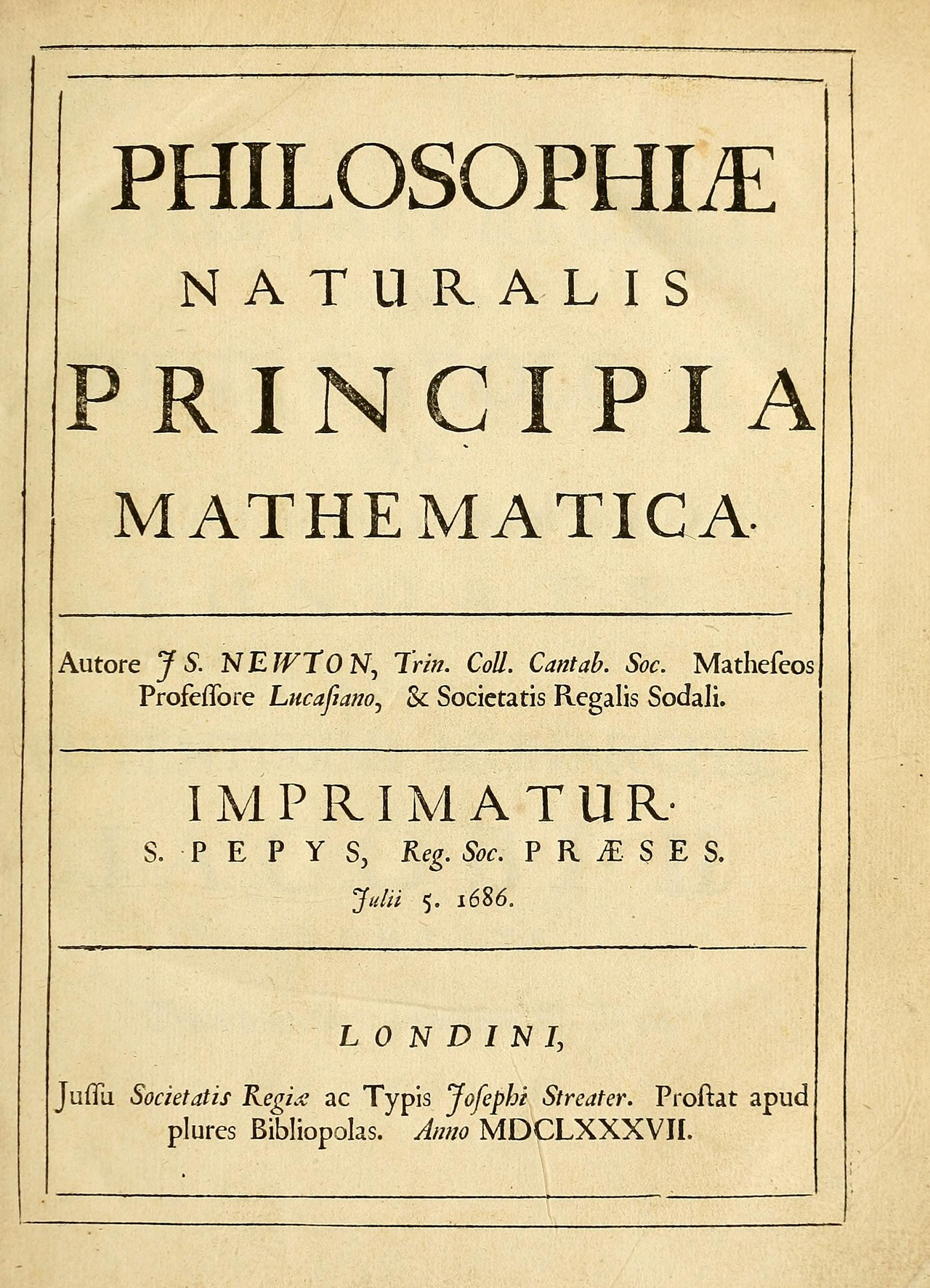 Book
Primary source
Philosophiæ Naturalis Principia Mathematica
Isaac Newton · 1687
 Book
Primary source
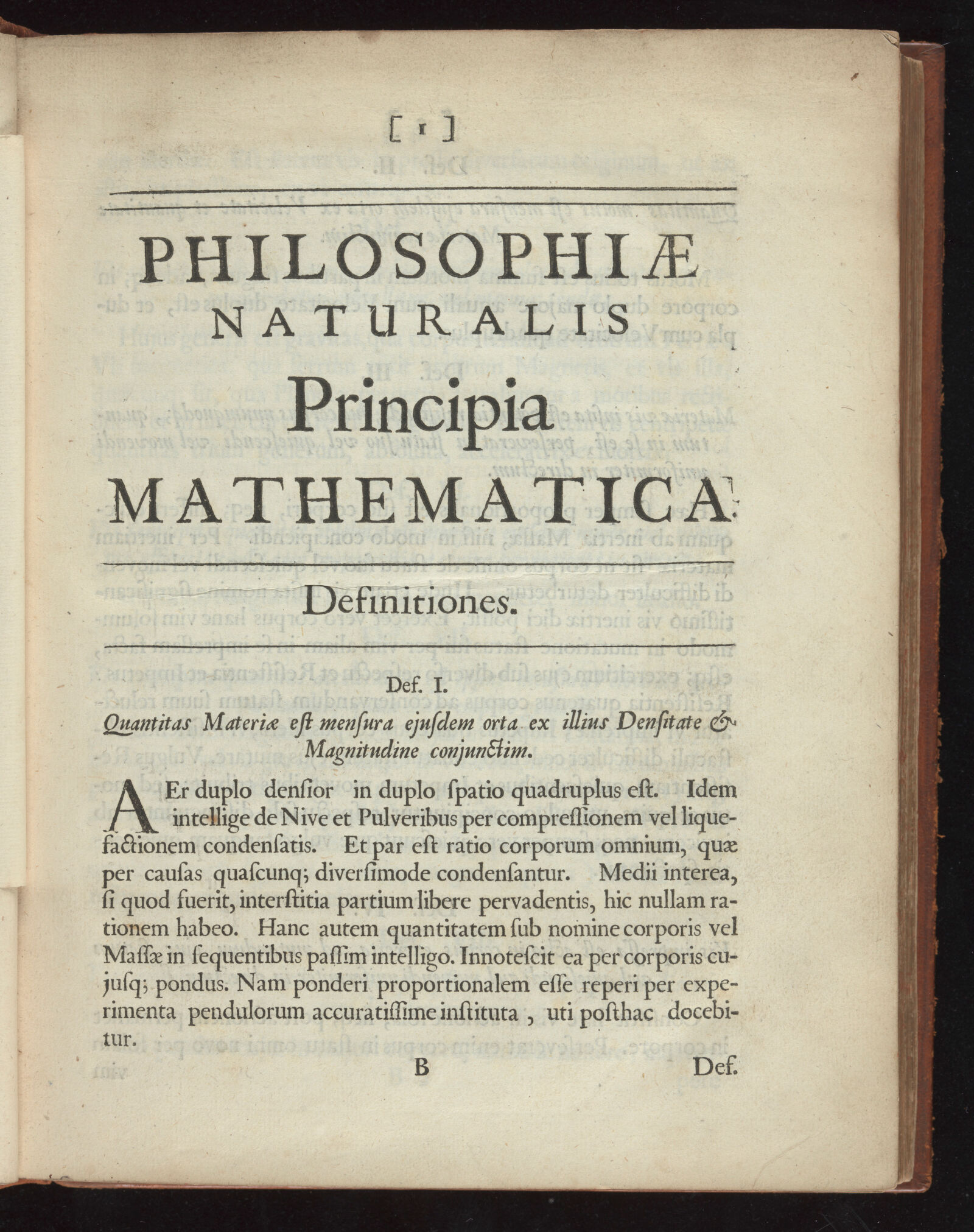
Principia Mathematica, Page 1: Definitions
Isaac Newton · 1687
 Painting
Primary source
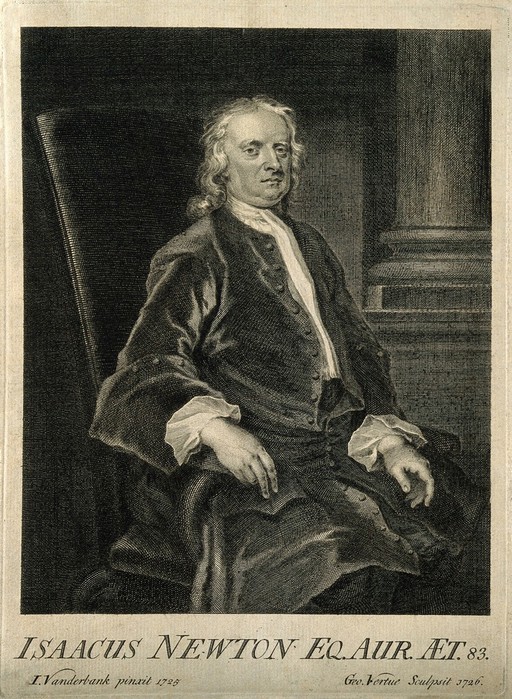
Sir Isaac Newton, line engraving by Vertue, 1726
George Vertue · 1726
 Document
Primary source
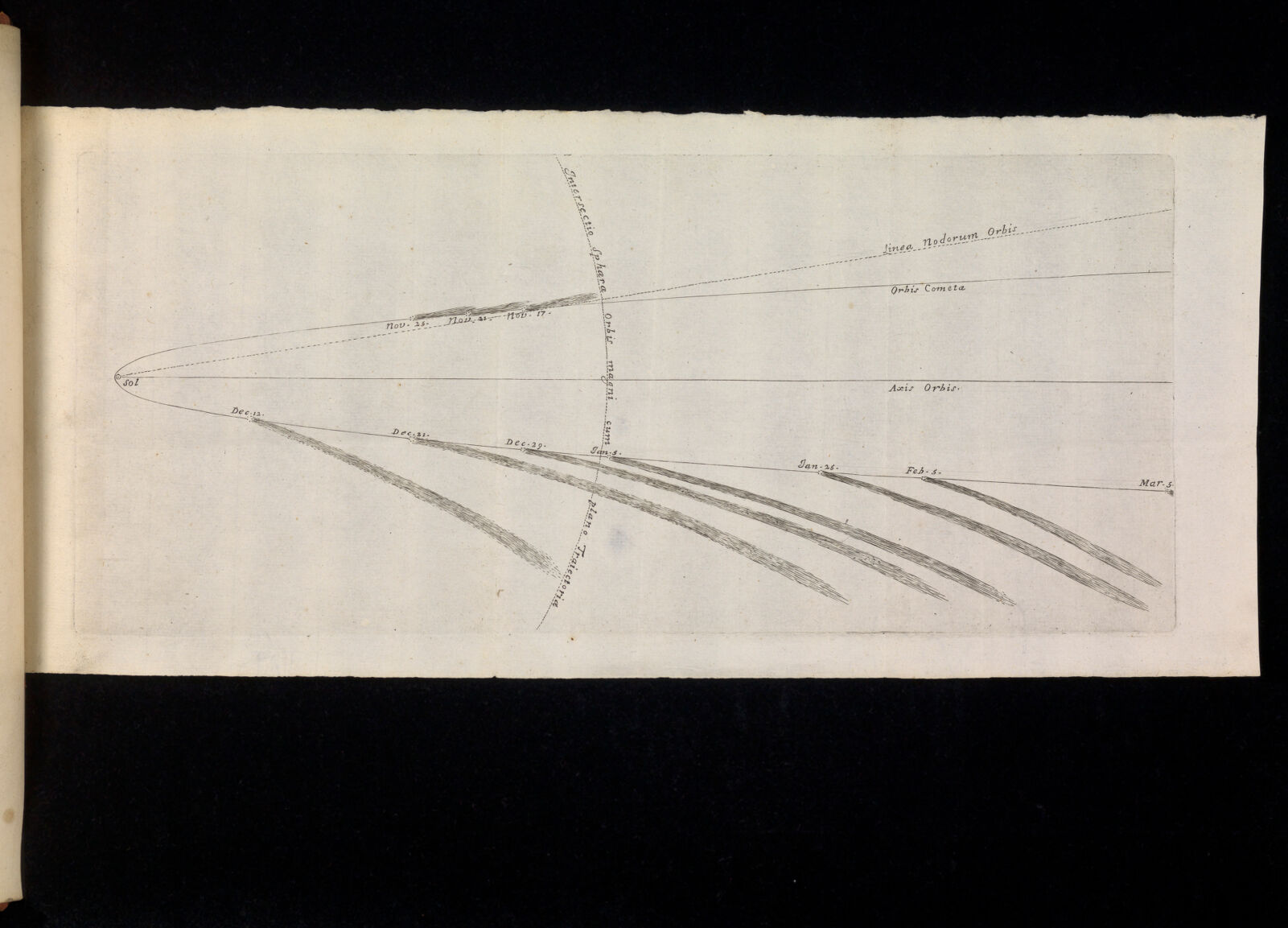
Principia Mathematica, Fold-out Diagram
Isaac Newton · 1687
 Painting
Primary source
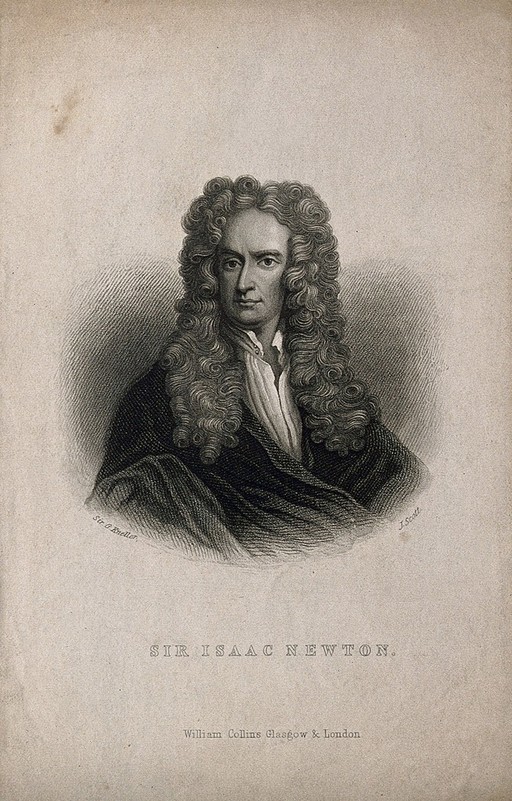
Sir Isaac Newton, stipple engraving by J. Scott after Kneller, 1702
J. Scott, after Sir Godfrey Kneller · 1702 (print made later)
Ready when you are
Start chatting with Isaac Newton now.
20 messages free · No credit card · Available in 50+ languages.