


Secondary sourceBook1493
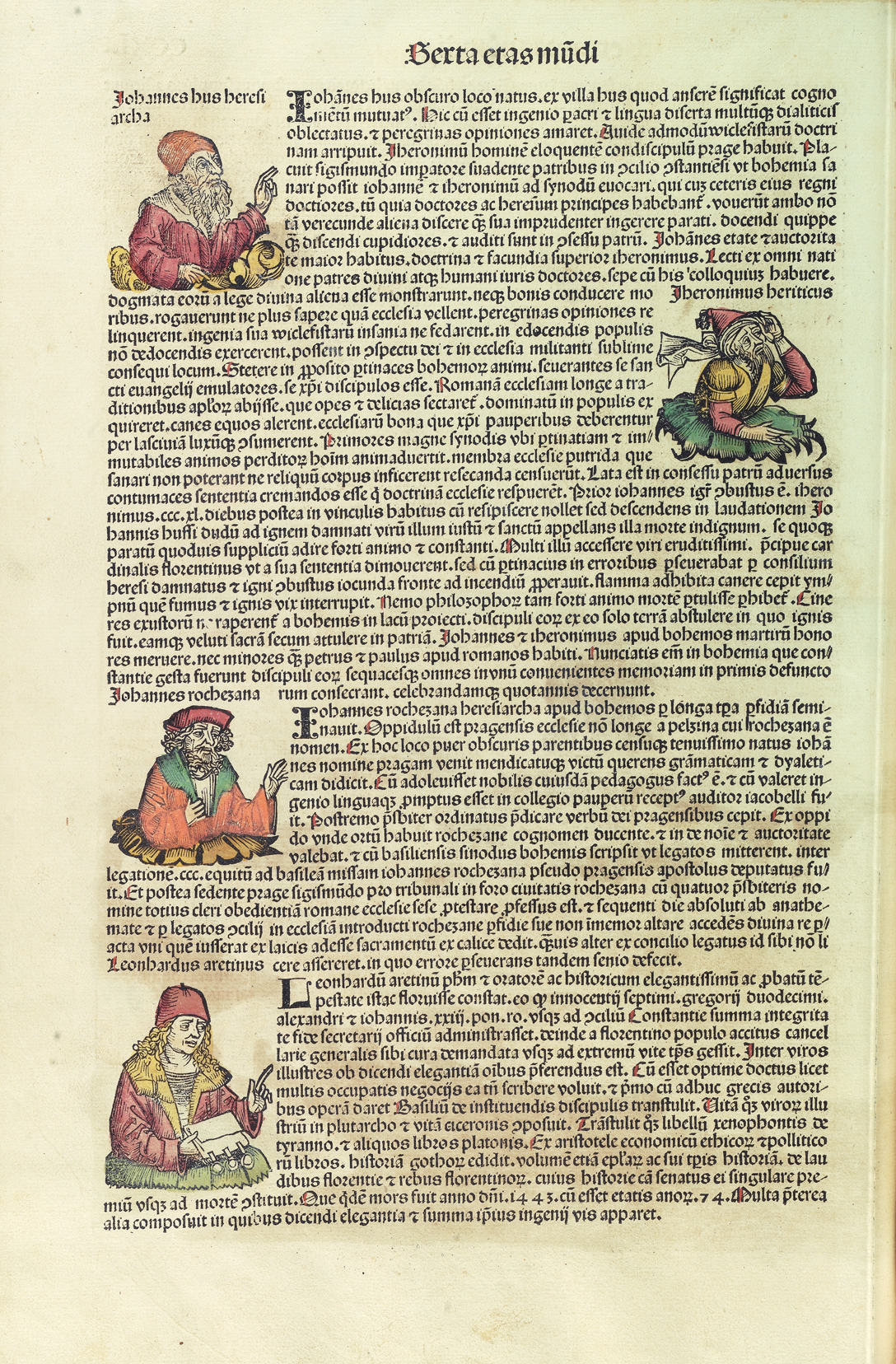
Nuremberg Chronicle, Folio 241v
Hartmann Schedel · 1493
A page from the 1493 Nuremberg Chronicle with a woodcut and Latin text describing Jan Hus and his condemnation as a heretic.
Records how Hus and his execution were described to a wide European readership within a century of his death.
About this source
What it is
This page comes from the Nuremberg Chronicle, a richly illustrated world history printed in 1493 in Latin. The text was written by Hartmann Schedel, with woodcut illustrations by Michel Wolgemut and Wilhelm Pleydenwurff. This copy of the page is held in São Paulo.
Why it matters
The Chronicle was one of the most widely circulated illustrated books of its time, meaning its account of Hus and his execution for heresy reached readers across Europe. It shows how, decades before the Reformation, Hus's story was already being retold - and judged - by a Catholic German chronicler for a broad audience.
Look closer
- Why might a mainstream European chronicle from the Catholic world describe Hus as a heretic?
- How does printing on a page like this spread an idea much further than a handwritten account could?
- What is left out of a short entry like this about a complicated figure like Hus?
This book is part of the curated material that grounds the AI version of Jan Hus on Humy.ai — when students ask about related events, the AI can quote it and cite it.
More Jan Hus sources
Meet the AI Jan Hus →Primary source
Appeal to Jesus Christ
Jan Hus · 1412
Primary source
Safe Conduct to John Huss
Sigismund
 Document
Primary source
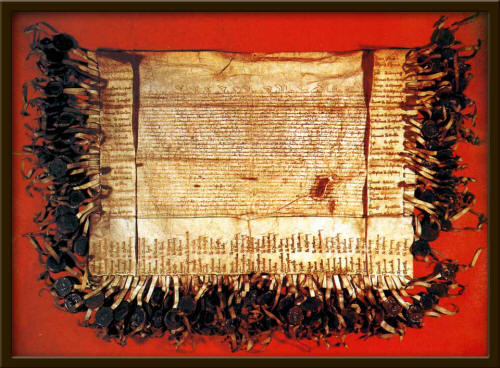
Letter of Complaint Against the Burning of Jan Hus
1415
 Artifact
Primary source
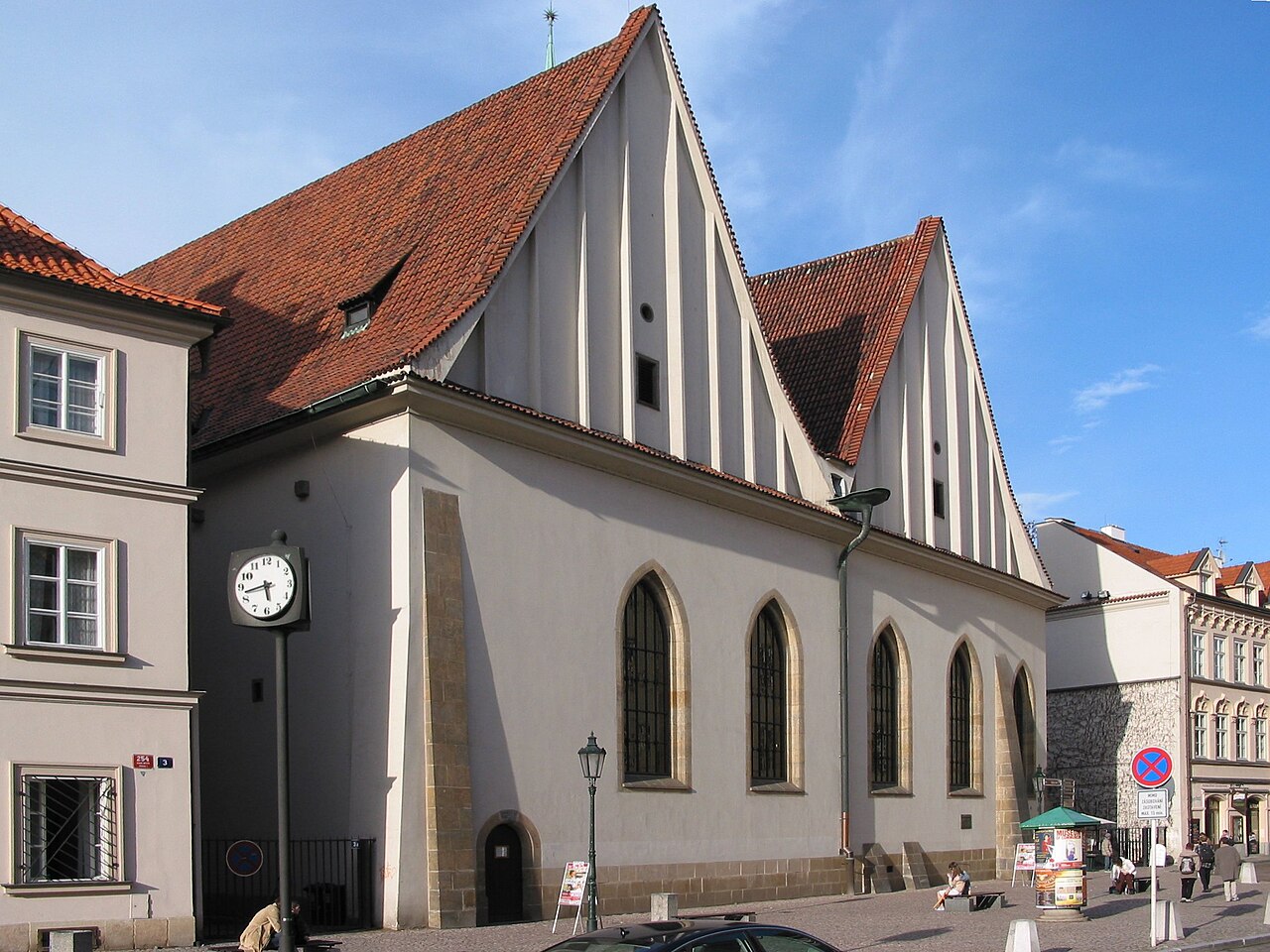
Bethlehem Chapel
founded 1391
 Document
Primary source
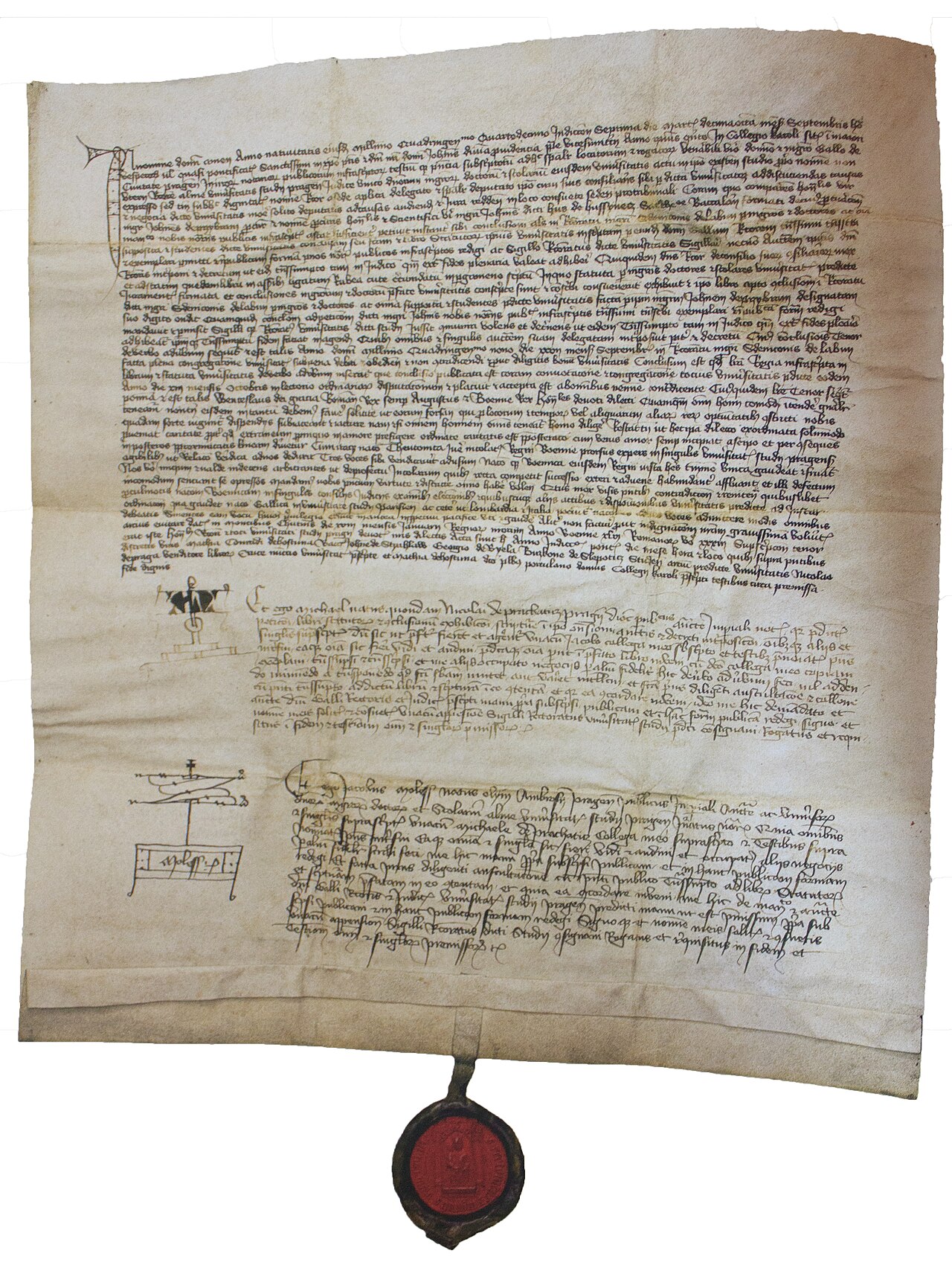
Decree of Kutná Hora
Wenceslaus IV of Bohemia · 18 January 1409
Ready when you are
Start chatting with Jan Hus now.
20 messages free · No credit card · Available in 50+ languages.