


Primary sourceBookMay 1819, published 1820
Ode on a Grecian Urn
John Keats · May 1819, published 1820
Keats's 1819 meditation on art, beauty and time, inspired by classical Greek vases and sculpture.
This ode shows Keats grappling with art, beauty and mortality during his most productive creative period.
Free Humy account · No credit card · 120,912 sources to read
About this source
What it is
A poem written by John Keats in May 1819, first published anonymously in 1820. It addresses an imagined ancient Greek urn and the scenes depicted on it.
Why it matters
Inspired by articles by the painter Benjamin Haydon and by Keats's experience of the Elgin Marbles and other classical vases, the poem reflects Romantic ideas about Greek art as an ideal of truth and beauty. It ends with the famous lines equating beauty and truth, which critics have debated ever since.
Look closer
- What scenes does Keats imagine on the urn, and why might he have chosen them?
- How does the poem compare the permanence of art to the passing of human life?
- What questions does the poet ask the urn, and what do they reveal about his own uncertainty?
This book is part of the curated material that grounds the AI version of John Keats on Humy.ai — when students ask about related events, the AI can quote it and cite it.
More John Keats sources
Browse all 97 →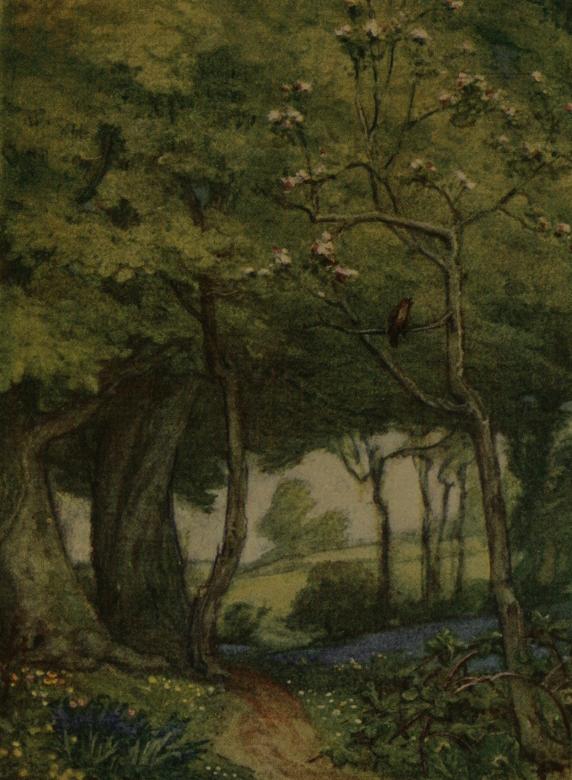 Book
Primary source
Ode to a Nightingale
John Keats · 1819, published 1820
 Book
Primary source
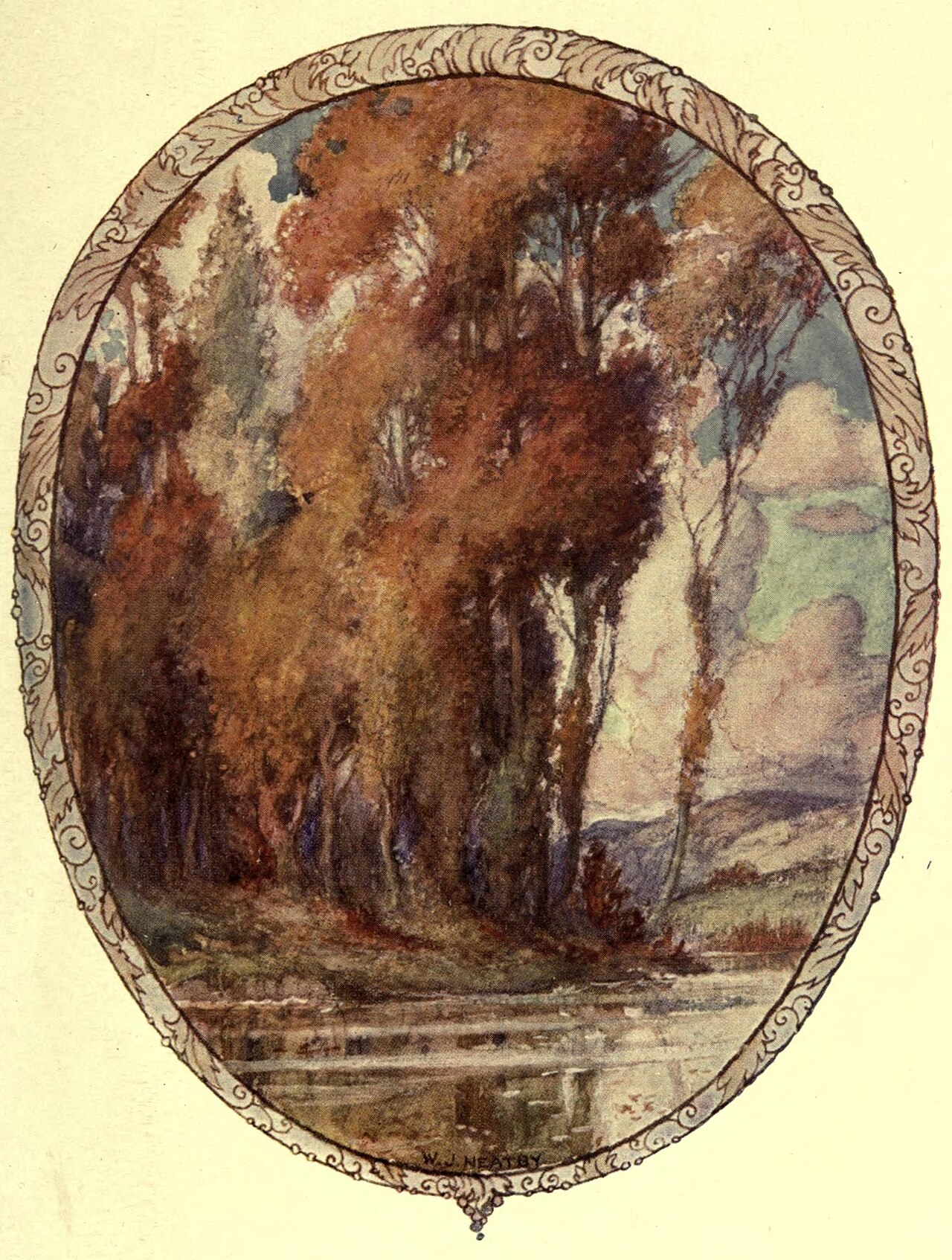
To Autumn
John Keats · 19 September 1819, published 1820
 Book
Primary source
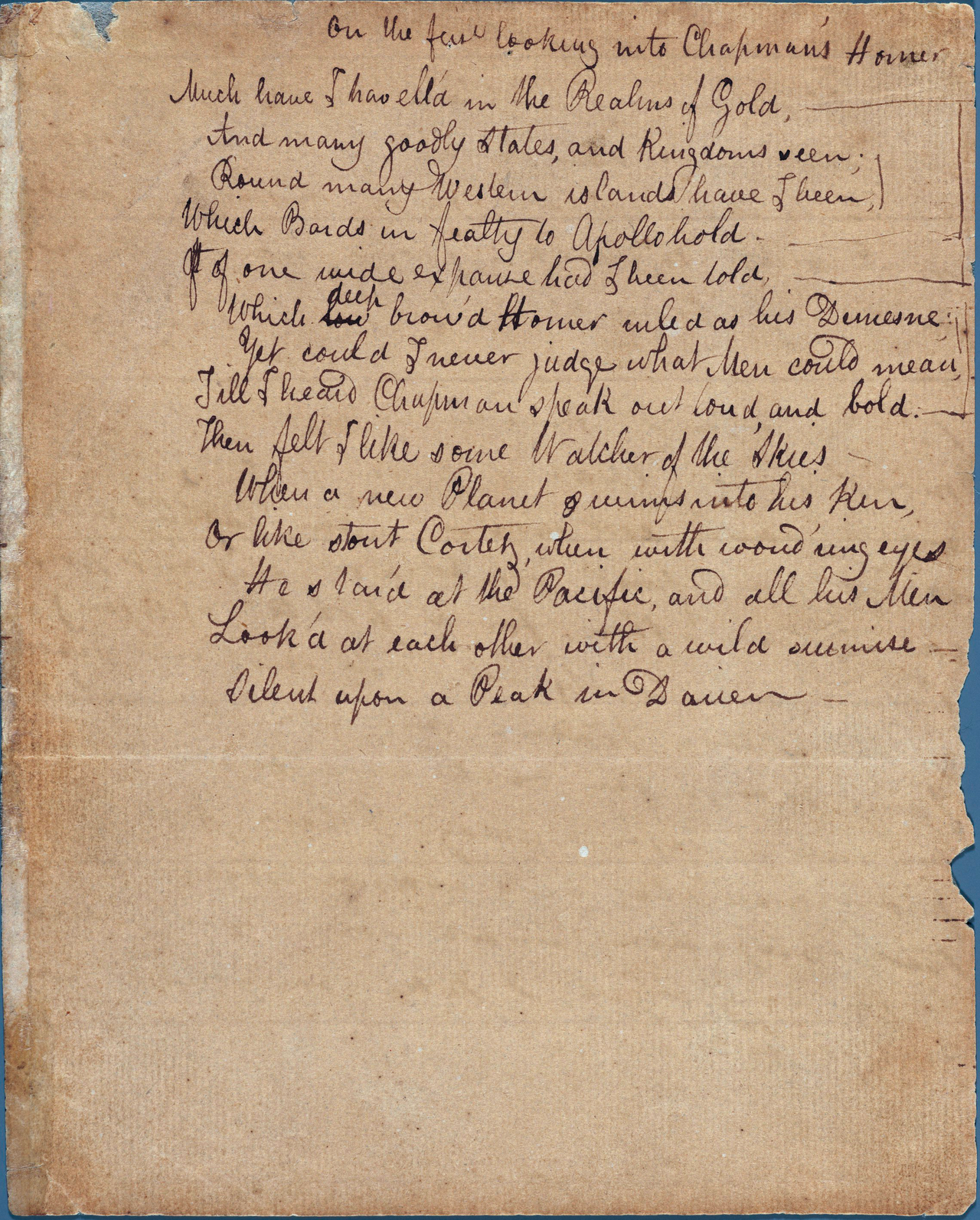
On First Looking into Chapman's Homer
John Keats · October 1816
 Book
Primary source
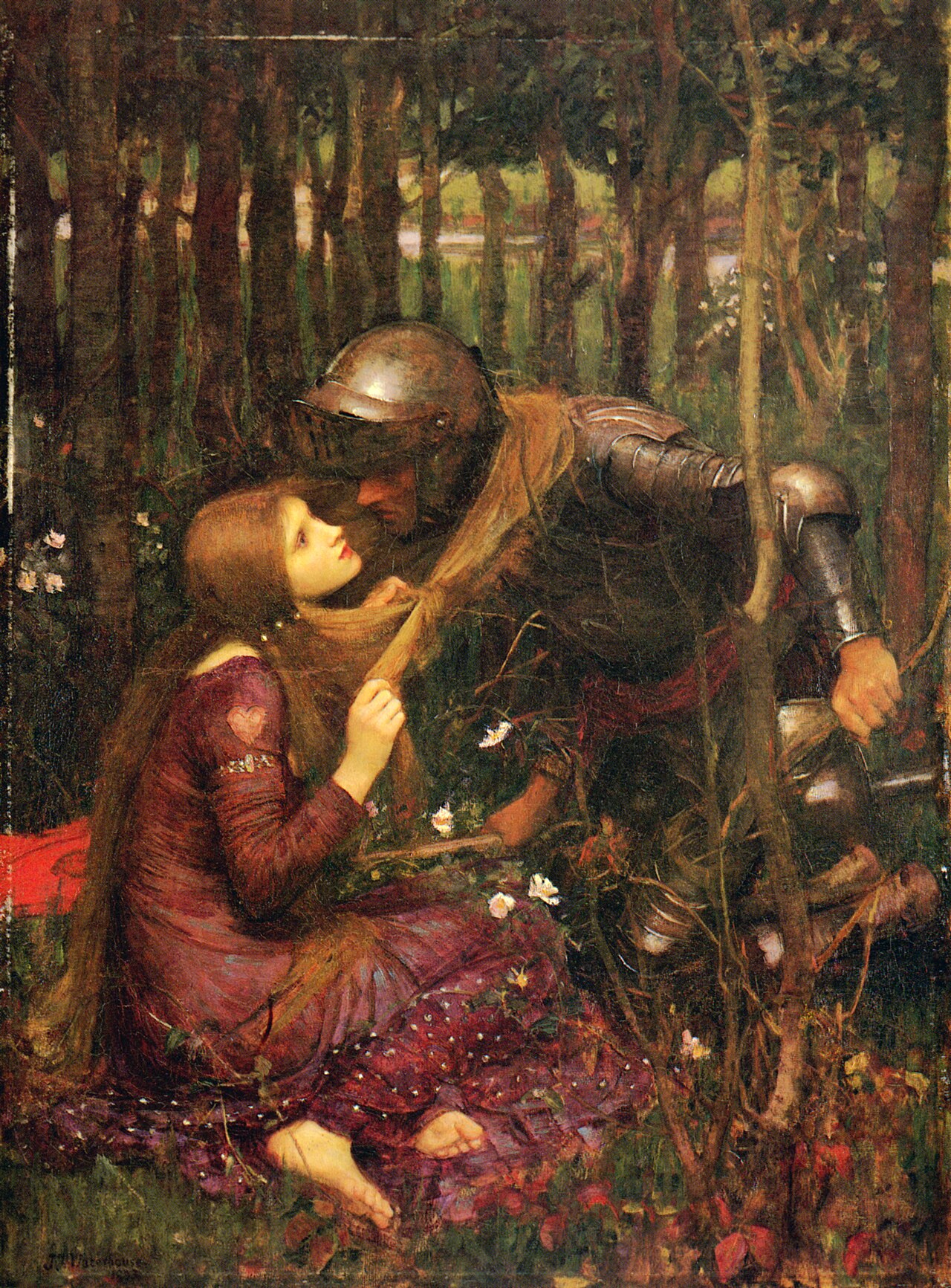
La Belle Dame sans Merci
John Keats · 1819
Free account
Read every John Keats source
Sign up free →
Ready when you are
Start chatting with John Keats now.
20 messages free · No credit card · Available in 50+ languages.