


Primary sourceBookc. 600 BCE
Ode to Aphrodite
Sappho · c. 600 BCE
Sappho's only certainly complete surviving poem, a prayer to Aphrodite for help in a love affair, preserved through ancient quotation and papyrus.
Sappho's own composition and one of only four surviving poems in which she names herself.
Free Humy account · No credit card · 120,912 sources to read
About this source
What it is
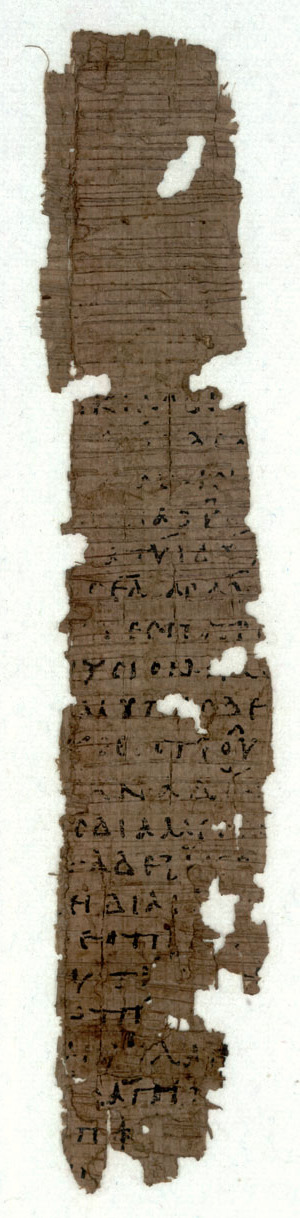
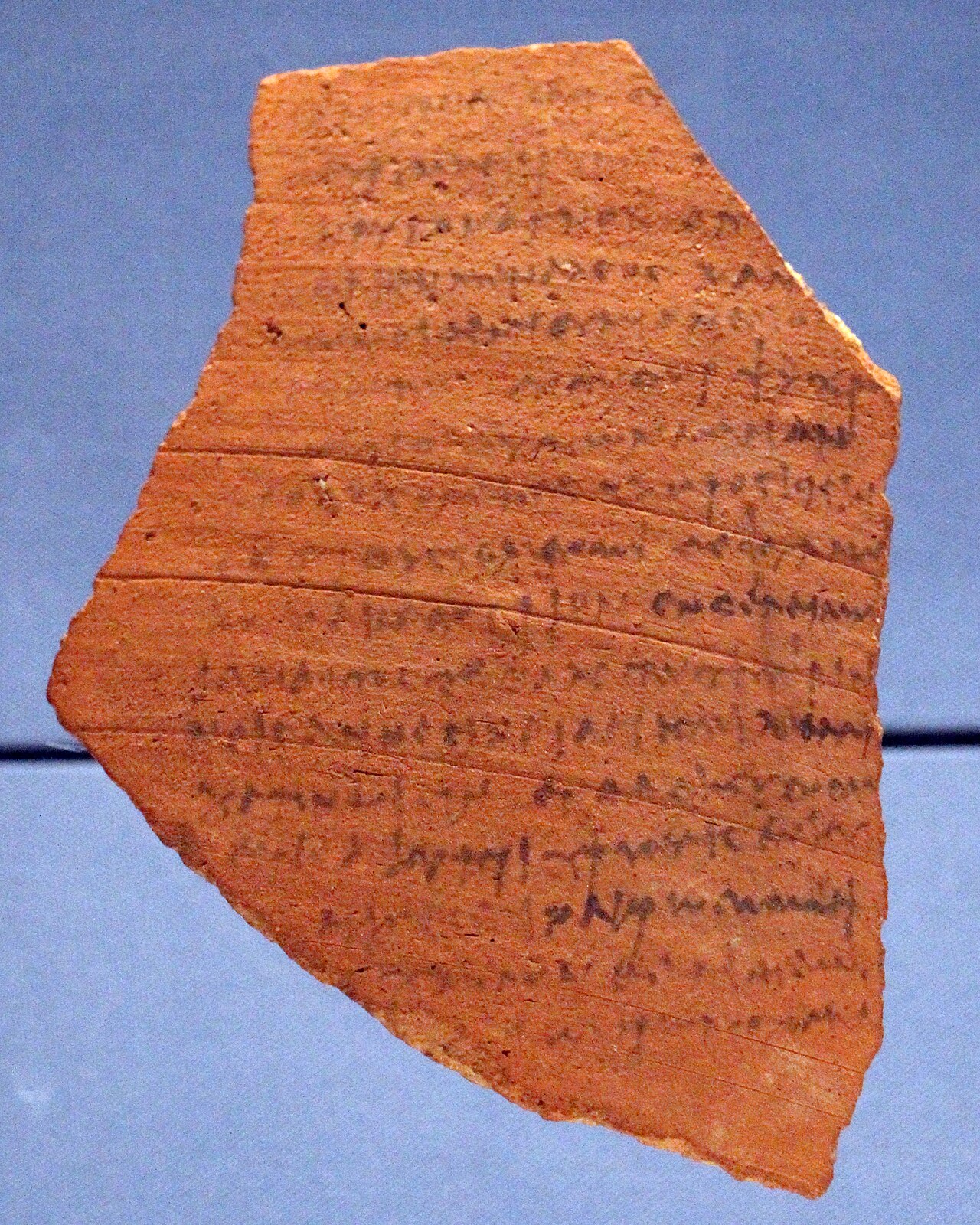
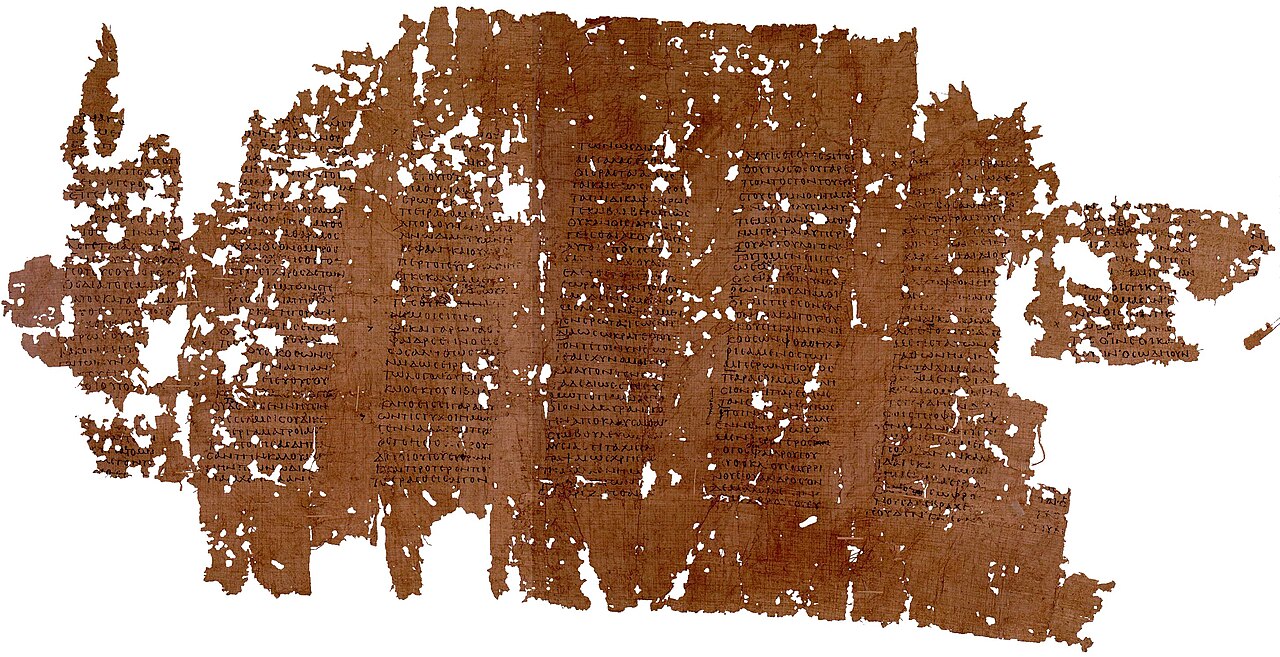
This is a lyric poem by Sappho, written in the late seventh or early sixth century BC in Aeolic Greek, using the Sapphic stanza form named after her. It survives almost complete thanks to a quotation by the later writer Dionysius of Halicarnassus and a fragmentary copy on a papyrus found at Oxyrhynchus in Egypt.
Why it matters
The poem is one of the few places where Sappho names herself, and it is structured as a prayer: she calls on Aphrodite, recalls the goddess helping her before, and asks for help again. It is important evidence for Sappho's own voice and for her interest in a female beloved, which later readers have long debated and discussed.
Its survival through quotation by Dionysius and through an Egyptian papyrus shows how fragile ancient poetry was, and how much we owe to people who copied or quoted it centuries after Sappho wrote it.
Look closer
- Why might a prayer to a goddess be a useful way to talk about personal feelings?
- What does it mean that the poem survives in two different damaged forms, not as one original?
- What do the gaps and disputed words in the text leave uncertain about Sappho's exact meaning?
This book is part of the curated material that grounds the AI version of Sappho on Humy.ai — when students ask about related events, the AI can quote it and cite it.
More Sappho sources
Browse all 89 →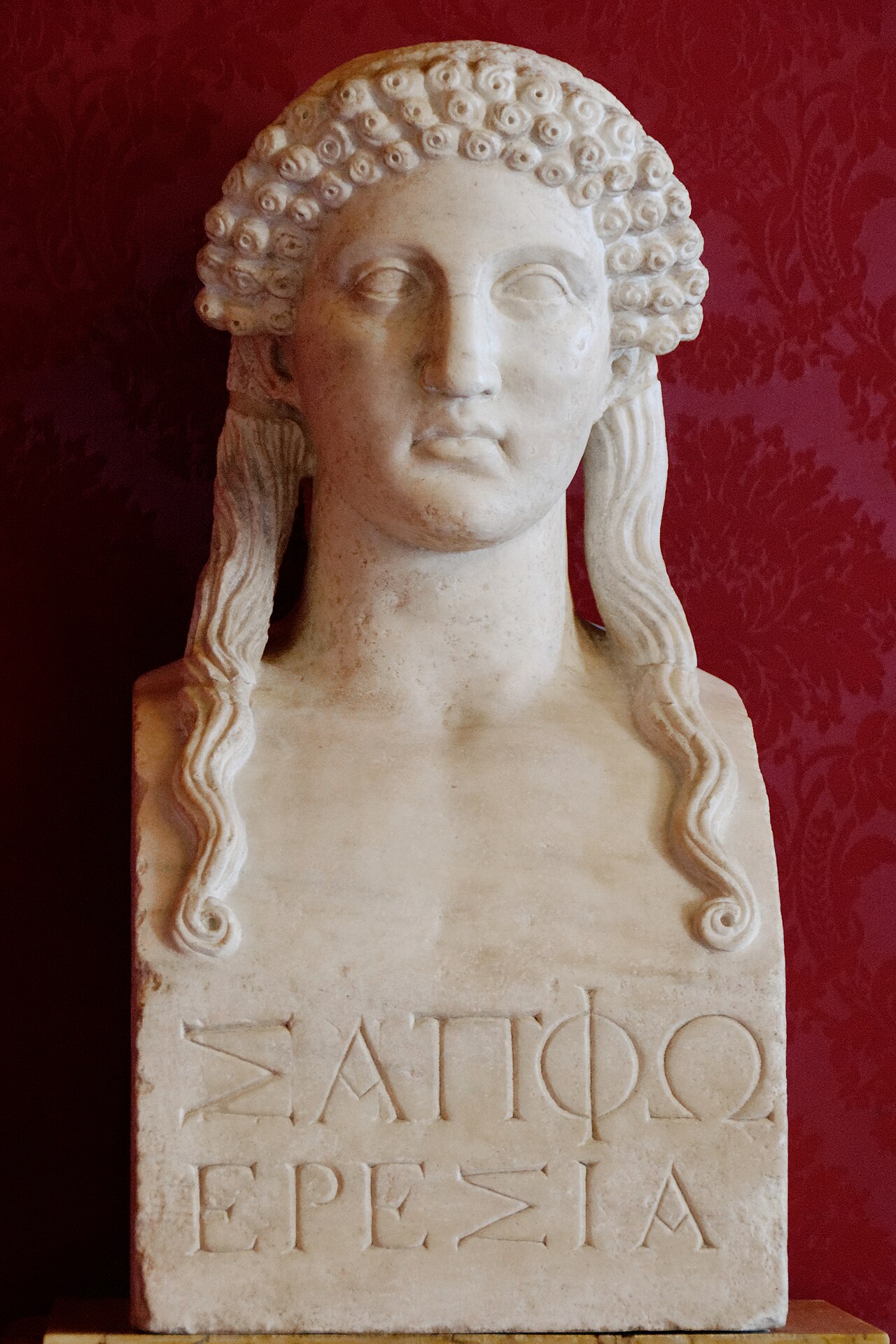

Ready when you are
Start chatting with Sappho now.
20 messages free · No credit card · Available in 50+ languages.